




Search our blogs
Filters
Found 1389 Results
-
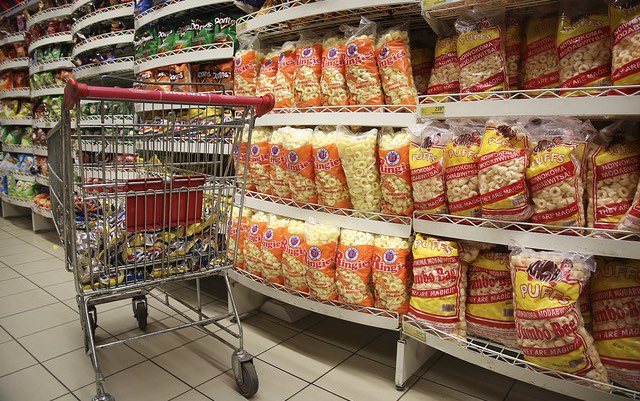
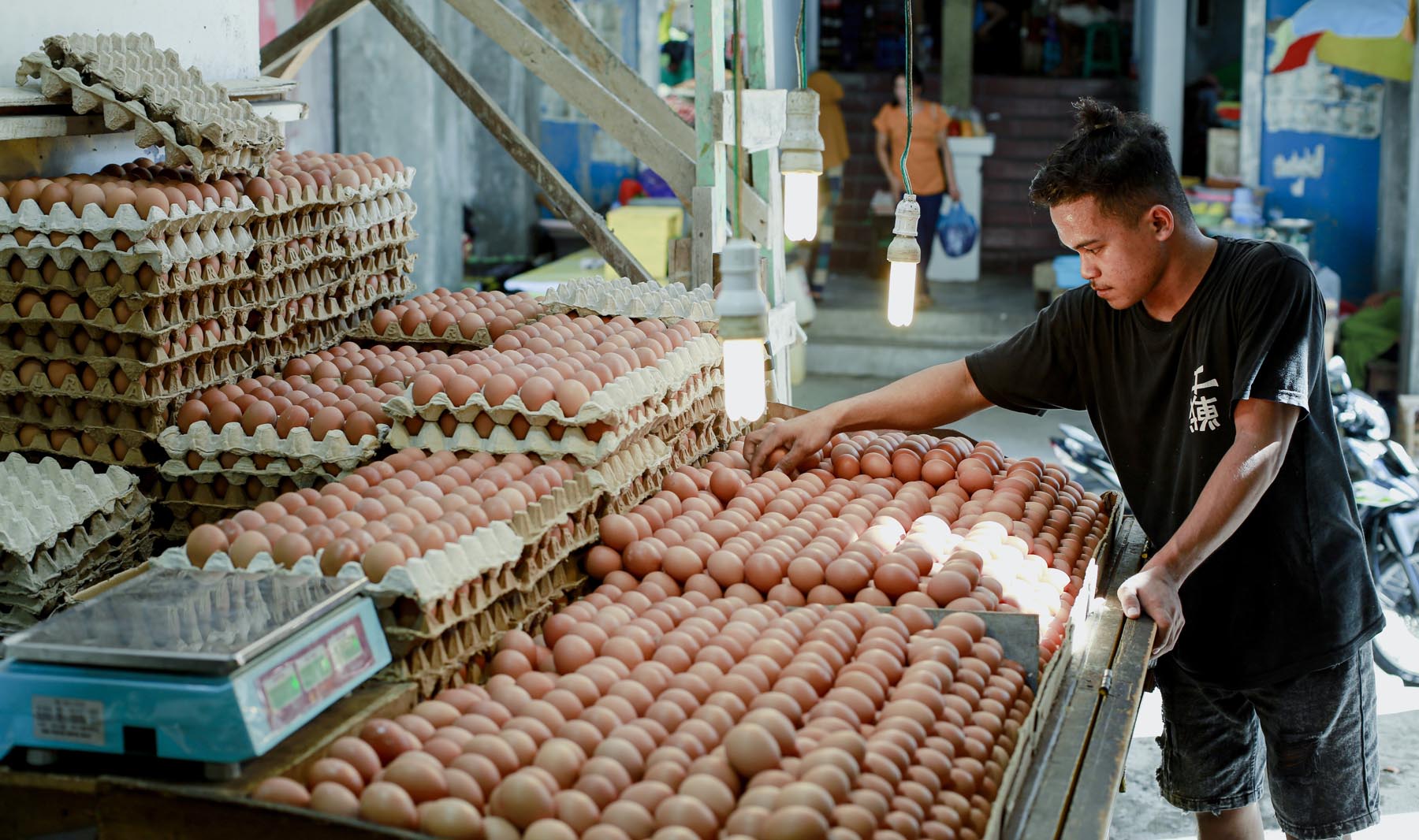
The global syndemic of obesity, undernutrition, and climate change
A new Lancet Commission report recommends ways to reform global food systems.
-
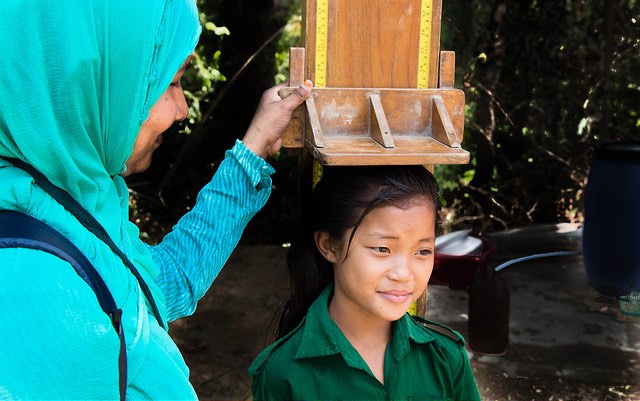
Lessons from IFPRI country programs on influencing policy decisions and strengthening capacity
IFPRI's practice of establishing country offices helps to embed its researchers in national policymaking processes and has other important impacts, research shows.
-
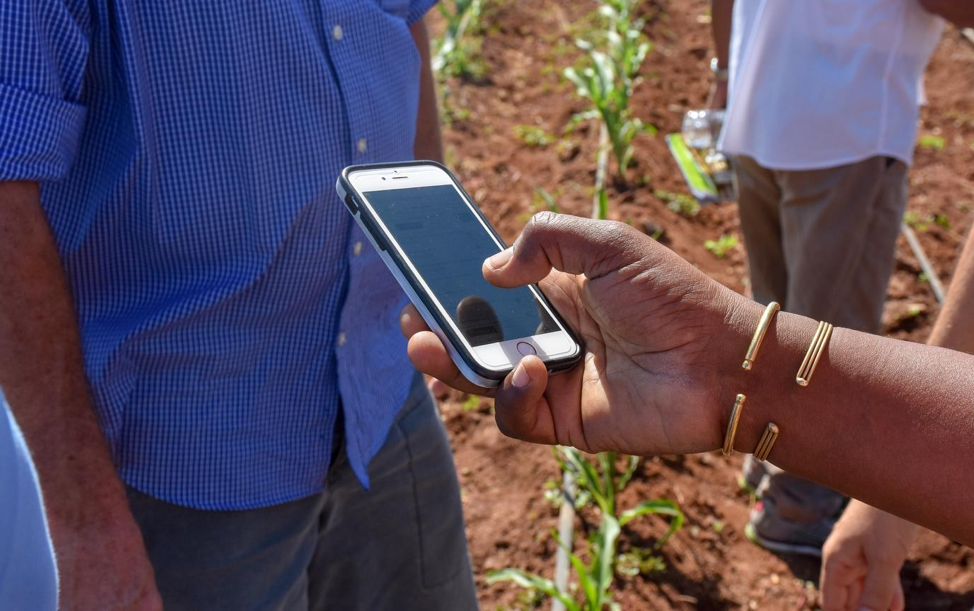
Seeing really is believing: Farmers’ photos revolutionize insurance and advisory services
When it comes to managing risk in the face of climate change, picture-based insurance could be key for smallholder farmers.
-

Unlocking the potential of genomics to accelerate sustainable development
BGI Senior Vice President Ren Wang on how scientific innovations are addressing the threat that zoonotic diseases pose to the rural poor.
-
Healthy diets and sustainable food systems for all: A differentiated approach for animal-sourced foods (ASFs)
IFPRI's Director General on the importance of dairy, fish, and other animal-sourced foods to global nutrition and health—a key topic in the new EAT-Lancet Commission report.
-
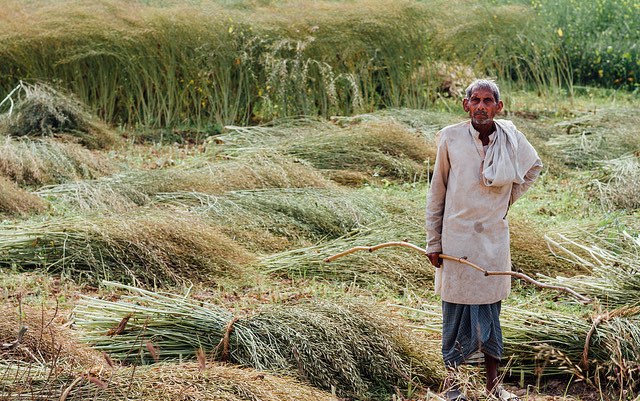
Loan waivers are no panacea for India’s farmers
Why the Indian central government and states should eschew the politically expedient option of loan waivers and look for long-term solutions.
-
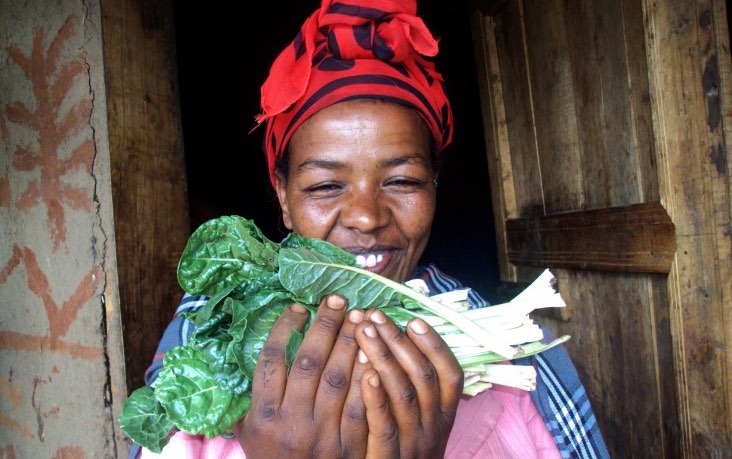
Can governments promote homestead gardening at scale? The case of Ethiopia
IFPRI research shows what works – and doesn't – in promoting gardening with the aim of boosting consumption of fruits and vegetables.
-
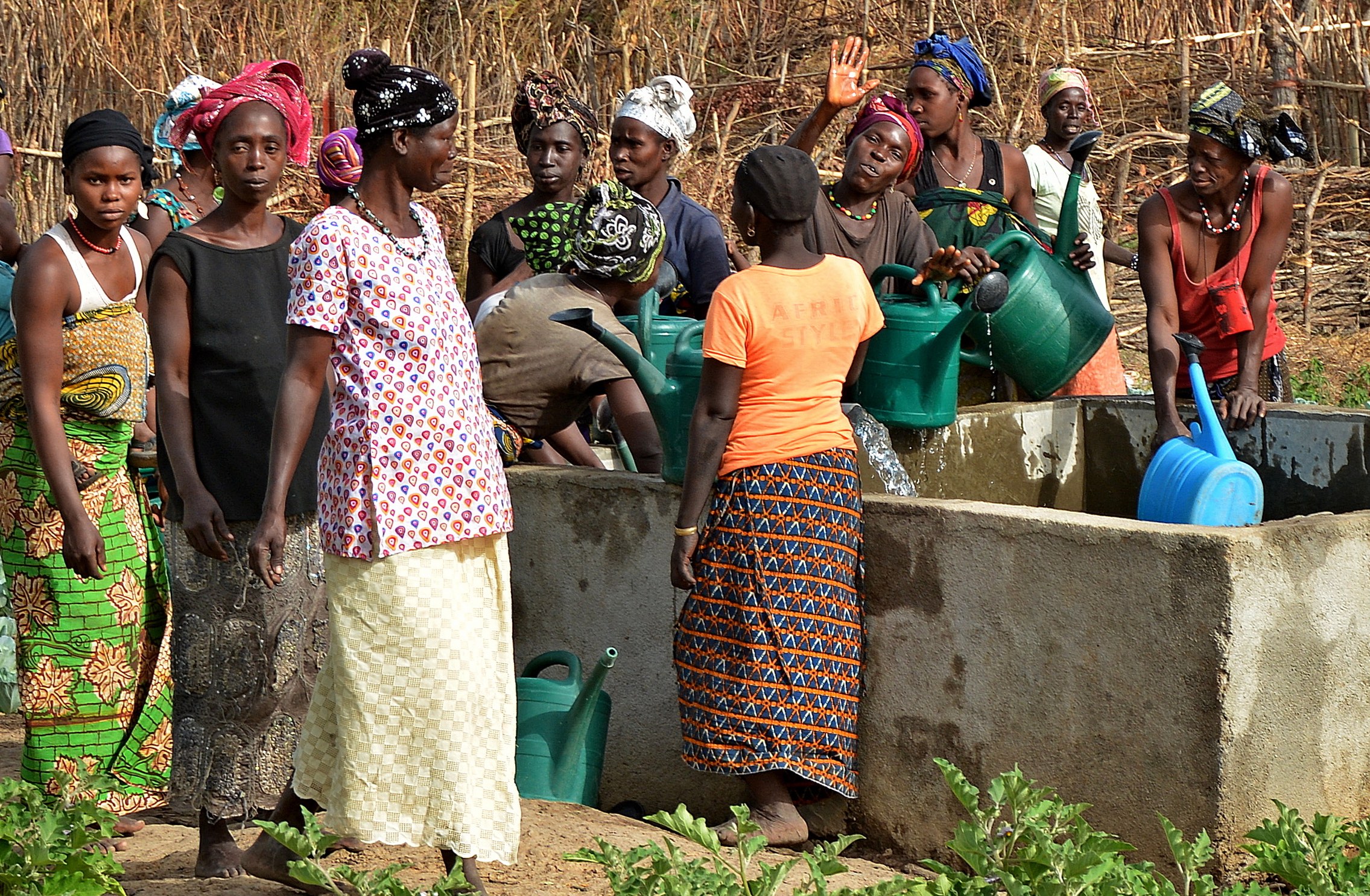
Making small-scale irrigation work for women
Women face disadvantages in adopting better irrigation techniques. Key points on how to address this gender imbalance.
-
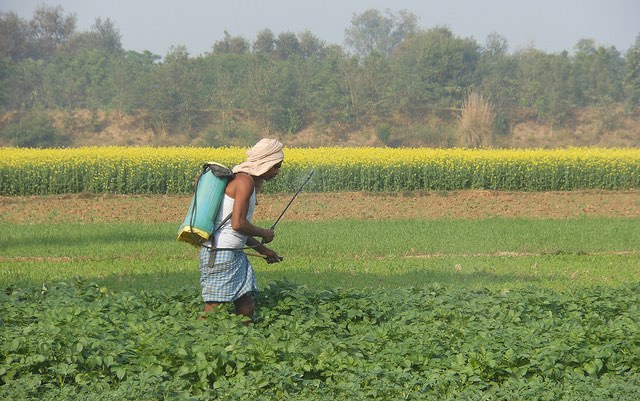
For Indian farmers, Direct Benefit Transfers can work better than fertilizer subsidies
Shifting support from subsidies to DBTs would give farmers greater flexibility and allow the government to better target resources where needed.
-
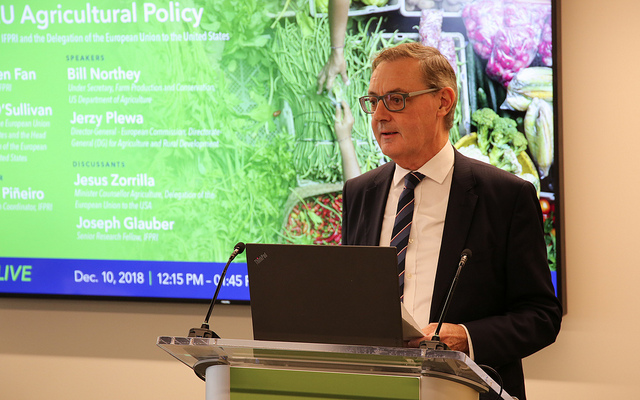
Exploring the impacts of new U.S. and European agriculture policies
Two IFPRI events look at the evolving picture on farm subsidies, trade, and other issues.