




Search our blogs
Filters
Found 1330 Results
-
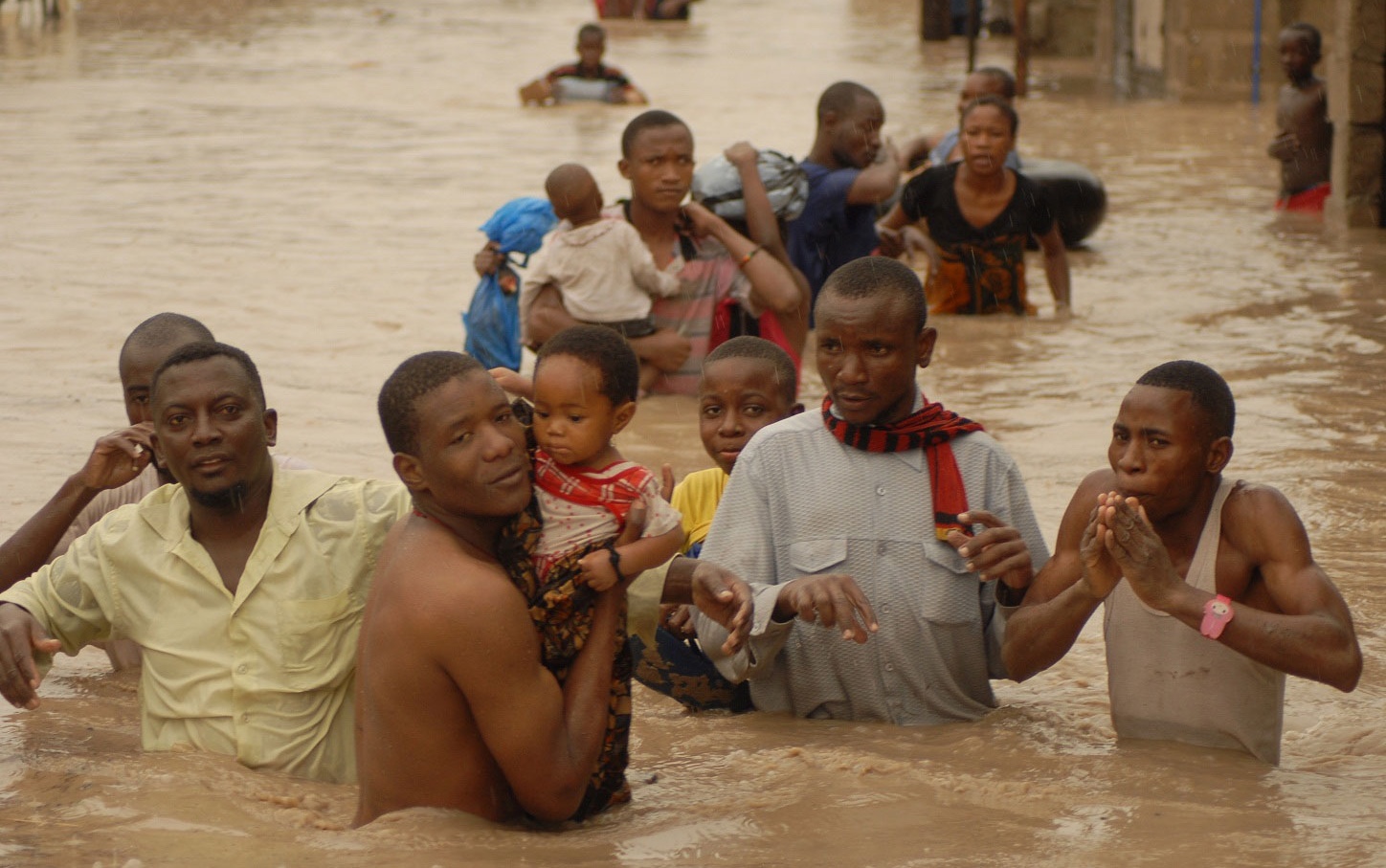
El Niño, La Niña, and climate resilience in Tanzania
The Pacific climate oscillation is contributing to intensifying rainfall events and droughts in southern Africa.
-
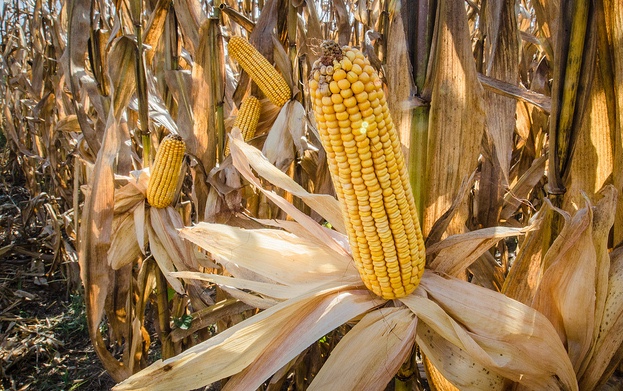
For climate change, the American farmer is the sleeping giant
U.S. corn farmers have largely avoided rising temperatures during growing seasons. What happens when climate change kicks in?
-
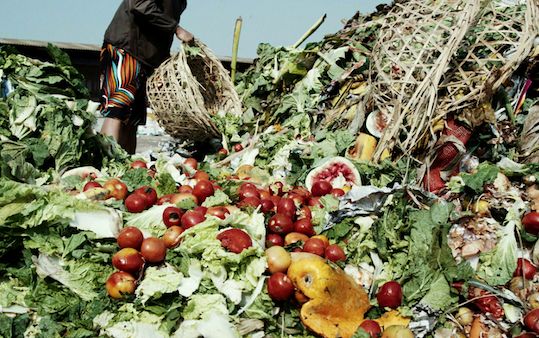
Reducing food loss is key to end hunger and undernutrition by 2025
Approximately $940 billion worth of food is lost or wasted each year throughout the entire food supply chain.
-

Renegotiating NAFTA: Don’t forget consumers
NAFTA has been a boon not just to commerce, but to the consumption of fruits and vegetables and to public health. New trade barriers could erase those gains.
-
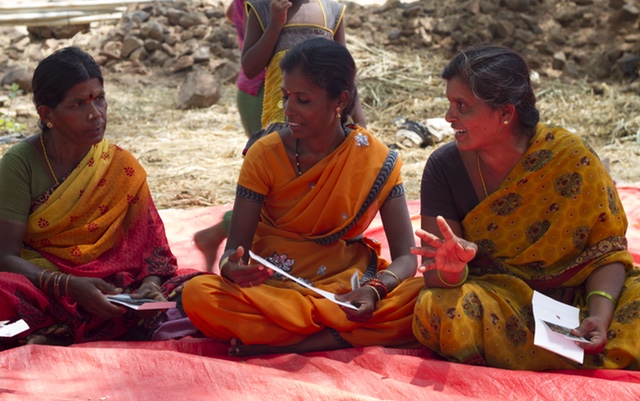
World Water Week: Experimental games spark community cooperation on groundwater in India
One way to preserve groundwater – get consumers thinking about their own water use, and their neighbors', with a cooperative game.
-
Trade barriers aren’t the way to fix nutrition
As NAFTA negotiations get underway, a look at how punitive tariffs and other trade penalties could undermine efforts to improve nutrition.
-
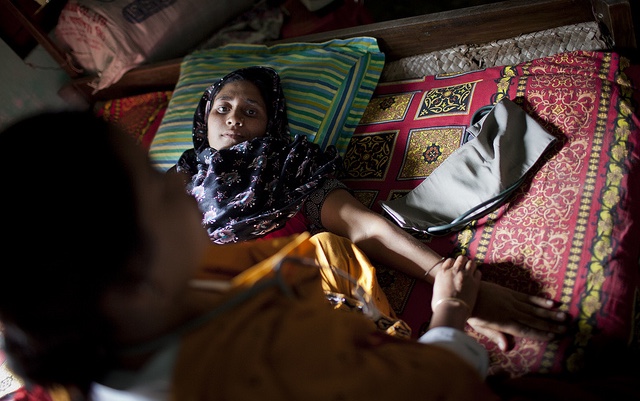
When maternal care is not enough: Risks of adolescent pregnancy in Bangladesh
Pregnancy carries more health risks for adolescent girls and their infants in Bangladesh than for older mothers, even when prenatal care and other services are provided.
-
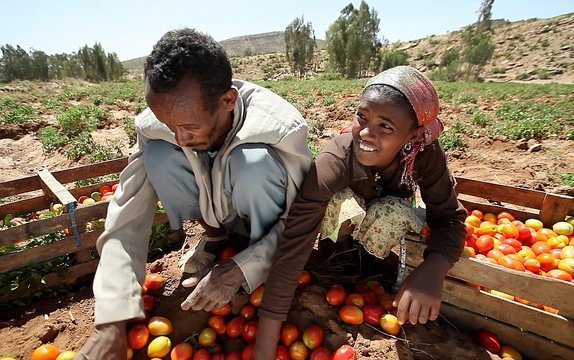
The rising cost of healthy nutrition in Ethiopia
IFPRI research shows that the prices of high-quality foods including fruits, vegetables, nuts, meats, and dairy have risen sharply in Ethiopia over the past decade—a potential obstacle to efforts to boost nutrition.
-
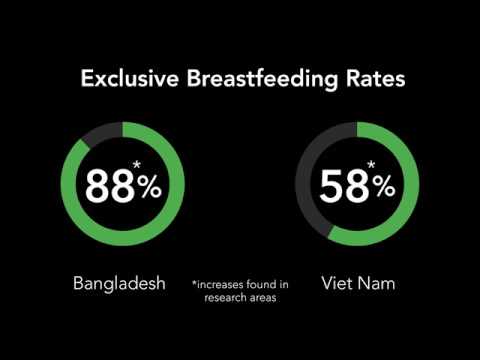
Starting off right: Scaling up breastfeeding practices in Bangladesh and Viet Nam
Interpersonal counseling and other targeted efforts boost breastfeeding and childhood nutrition—and can be applied most anywhere, IFPRI research shows.
-

IFPRI roundtable: Limit conflict, build resilience to avert famines
As famine grips four countries in Africa, an IFPRI panel discusses how to blunt its impact and head off future humanitarian disasters.