




Blog Series: AI For Food Systems Research
-
Leveraging Automatic Speech Recognition and Farmer-Generated Data for Insight, Inclusion, and Impact
As speech recognition and mobile data collection tools mature, increasing attention is turning to a critical next question: how can farmer-generated data be meaningfully used to inform research, programs, and policy? This session builds directly on earlier discussions of Automatic Speech Recognition (ASR) for agriculture by focusing on the applications, utility, and downstream impacts of…
-
When Data Is Everywhere: Digital Research Methods Transforming Food Systems Science
In an era of data abundance, novel digital research methods are reshaping how we study and improve food systems. Building on earlier sessions focused on speech-based AI and farmer-generated data, this discussion broadens the lens, bringing together two researchers who are applying cutting-edge digital tools to address complex questions in the food domain. First, Soonho Kim (Senior Data Manager, IFPRI) will introduce how Agentic AI…
-

Co-designing AI agents for agricultural policy
Generating insights for a rapidly-changing world.
-
Breaking the Silence: Deploying Automatic Speech Recognition for Agricultural Advisory
Speech-based interfaces are increasingly central to agricultural advisory systems, particularly in low-resource and multilingual contexts where oral communication remains the primary channel for accessing information. Automatic Speech Recognition (ASR) is therefore a critical—but still under-examined—component of AI-enabled agricultural extension. This webinar presents emerging research on the state of the art in ASR for agriculture, with a focus on real-world deployment for low-resource…
-

How natural language processing and AI can help policymakers address global food insecurity
Scaling up data analysis to meet SDG2.
-
Farmer-Centric AI for Livestock Systems: Design, Explainability, and Responsible Innovation
As AI tools begin to influence livestock production, health management, and advisory services, ensuring these technologies are farmer-centric, explainable, and context-appropriate is essential. This webinar brings together researchers working at the intersection of livestock systems, digital innovation, and responsible AI to explore how AI can be designed and deployed in ways that genuinely serve livestock keepers. We begin with Karen…
-
Large Language Models for Policy Makers: Exploring RIAPA-AI and PEPA-AI
As large language models (LLMs) begin to influence how evidence is generated, synthesized, and communicated, new opportunities are emerging for policymakers and analysts working in food systems. This webinar explores how generative AI tools can support policy design, analysis, and dialogue—bridging technical modeling and real-world decision-making. Askar Mukashov, Research Fellow at IFPRI, will introduce RIAPA-AI, an extension of the Rural Investment and…
-
Two Sides of the Data Governance Coin: AI Innovation and Regulation for Producers and Users
Responsible AI and data governance are often framed as constraints on innovation—but what if they are essential to it? This webinar explores why ethical, well-regulated systems are not at odds with innovation, but rather foundational to its legitimacy, sustainability, and impact. Bringing together perspectives from both technology producers and users, this session examines how policy, design, and governance…
-
From Lab to Field: Designing and Testing Agricultural LLMs
As interest in large language models (LLMs) for agricultural advisory grows, developers face two critical questions: How should these tools be built to meet the specific needs of farmers? and How should they be tested? This webinar brings together two teams building agricultural LLMs through different but complementary approaches—offering a behind-the-scenes look at how AI systems are co-designed, refined, and validated with domain experts, farmers and extensionists. …
-
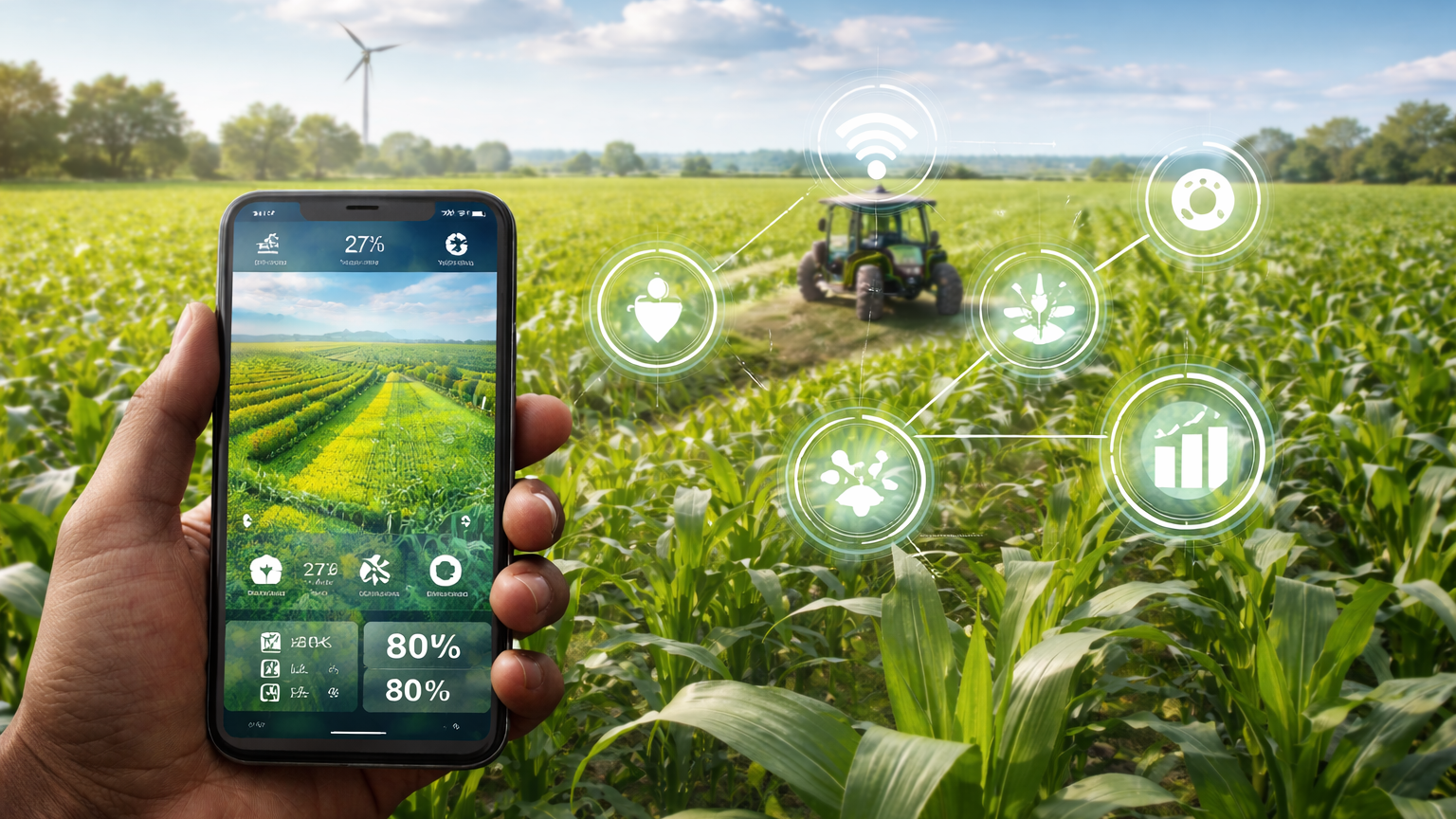
AI, copyright, and content licensing in digital agriculture
Addressing the problem of massive datasets.
-
From Foundations to Field: Lessons from Microsoft and Reply’s Work in Agriculture
As large language models (LLMs) and generative AI systems evolve, understanding how these technologies work—and what they can realistically achieve—has become essential for researchers and practitioners alike. Over the past year, many of us have had the chance to experiment with these systems in a “sandbox” environment. Today, we move from experimentation to brass tack with a…
-
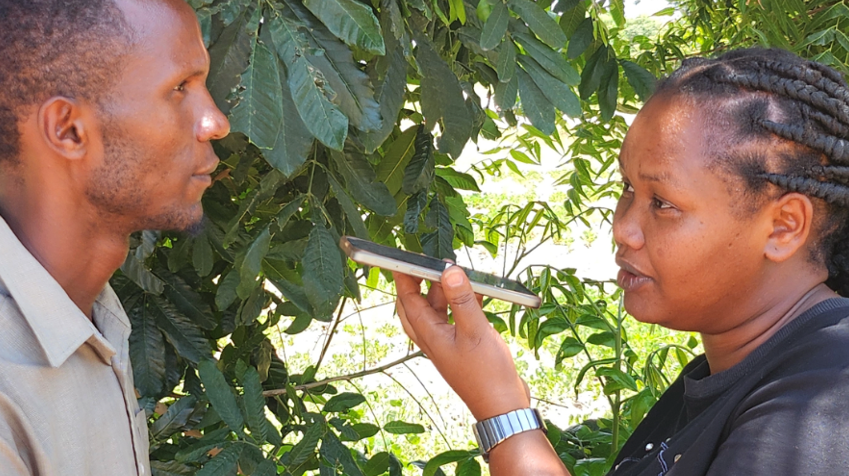
From principles to practice: Why ethical AI starts with data
Fostering fairness, transparency, accountability, and privacy.
-

Beyond the algorithm: The need for farmer participation and data justice in digital agricultural technology
Addressing systemic disadvantages.
-

How accurately do the large language models (LLMs) powering chatbots respond to questions on gender equality and women’s empowerment in Indian agriculture?
A key issue for AI in extension services.
-

Generative AI’s environmental footprint poses difficult tradeoffs for agrifood systems in low- and middle-income countries
Costs and benefits of data centers.
-

Asking the right questions: A stakeholder dialogue on generative AI in digital extension
Balancing new technology with local needs.
-
AI and Remote Sensing for Agricultural Insights: From Satellite Imagery to Decision Support
How can advances in AI and remote sensing improve agricultural decision-making, particularly in contexts where timely, accurate data is difficult to obtain? This webinar explores the intersection of machine learning and satellite imagery, focusing on innovations that enhance monitoring, planning, and climate resilience in food systems. Ambica Paliwal will share insights on how remote sensing…
-
Benchmarking LLMs for Agricultural Advisory: Insights from a Global Community of Practice
As large language models (LLMs) are increasingly applied in agricultural advisory services, there is growing recognition of the need for shared benchmarks to evaluate their performance, equity, and contextual relevance. In response, a global community of practice, supported by the Gates Foundation, has begun developing standards and tools to assess how well LLMs perform across…
-
Launching the Ethical AI Methods Toolkit: Reflections from Research and Practice
What does it mean to design ethical AI for agricultural research and development—and how can researchers and practitioners begin to put principles into practice? Following our previous webinar on A Problem-Oriented Approach to AI Ethics in Food Systems, this event marks the launch of the Ethical AI Methods Toolkit: a practical resource developed to support…
-
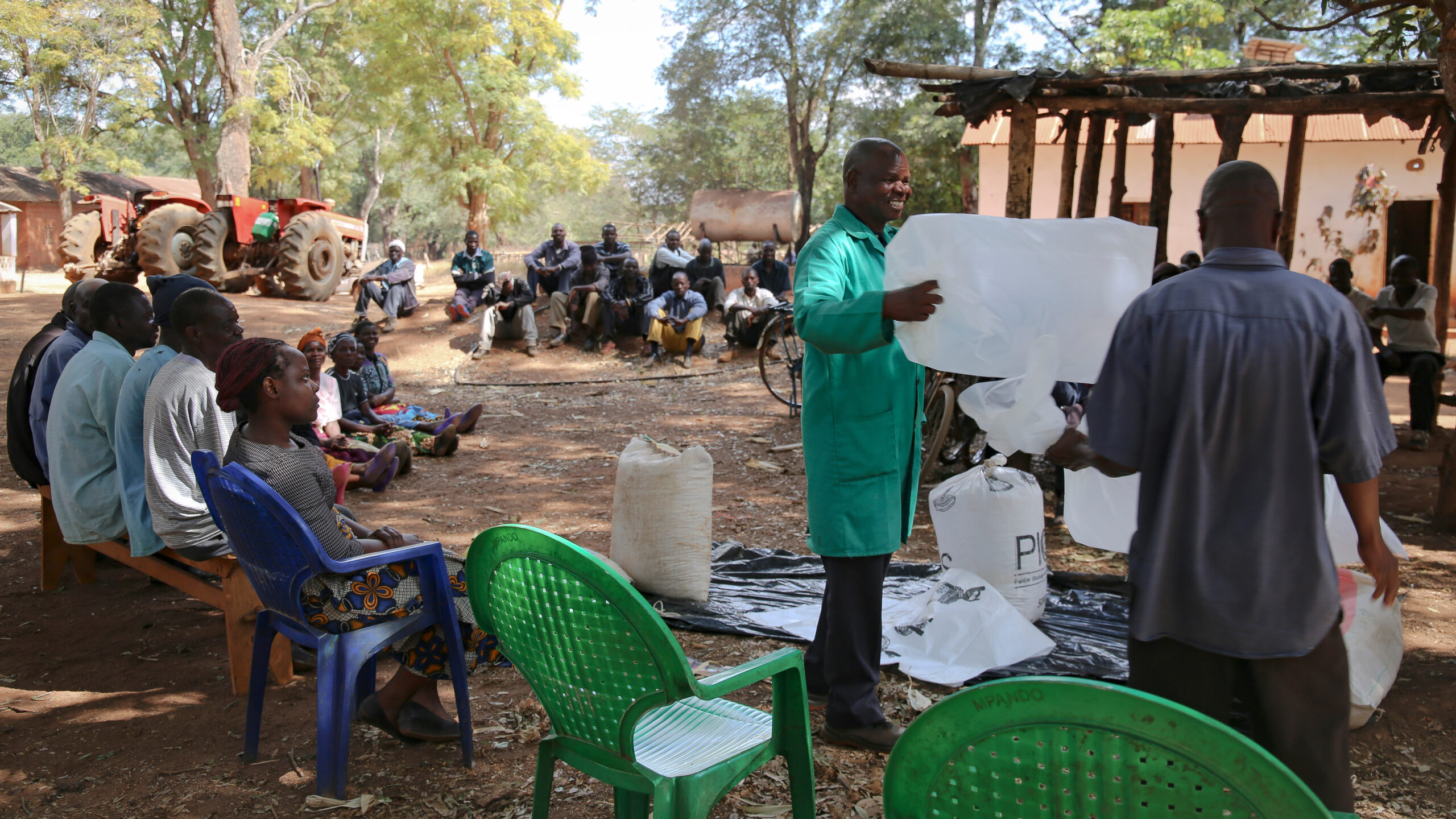
Grounding AI in practice: What extension gets wrong, what extension gets right, and what AI can learn
Exploring how emerging tools can help farmers.
-
Making Sense of AI and Qualitative Research: Conversations on Meaning, Context, and Power
As artificial intelligence tools become more common in research workflows, qualitative researchers face both new opportunities and critical challenges. Can AI support interpretive and nuanced research? What risks might it introduce—and how can researchers remain attentive to nuance, positionality and power? This webinar explores the use of AI in qualitative research. Drawing on her experience…
-

AI in qualitative research: Using large language models to code survey responses in native languages
Testing new tools that offer rapid analysis.
-
From Principles to Practice: A Problem-Oriented Approach to AI Ethics in Food Systems
This webinar offers a practical introduction to AI ethics, with a focus on how ethical principles translate into real-world decisions. As AI tools are increasingly deployed in food systems research and innovation, questions around fairness, accountability, consent, and transparency are no longer abstract—they are critical design choices with tangible implications. Together, the speakers will explore…
-
Organizational Journeys in Human-Centered AI: Lessons from Practice in the Development Sector
As AI tools become increasingly integrated into development programs, organizations are navigating both opportunities and tensions in applying human-centered principles to their design and use. This webinar explores how development organizations are adopting AI in practice—with a focus on internal processes, participatory methods, and ethical considerations. Joyce Wong of Digital Green will share insights from…