


Back

Who we are

With research staff from more than 70 countries, and offices across the globe, IFPRI provides research-based policy solutions to sustainably reduce poverty and end hunger and malnutrition in developing countries.

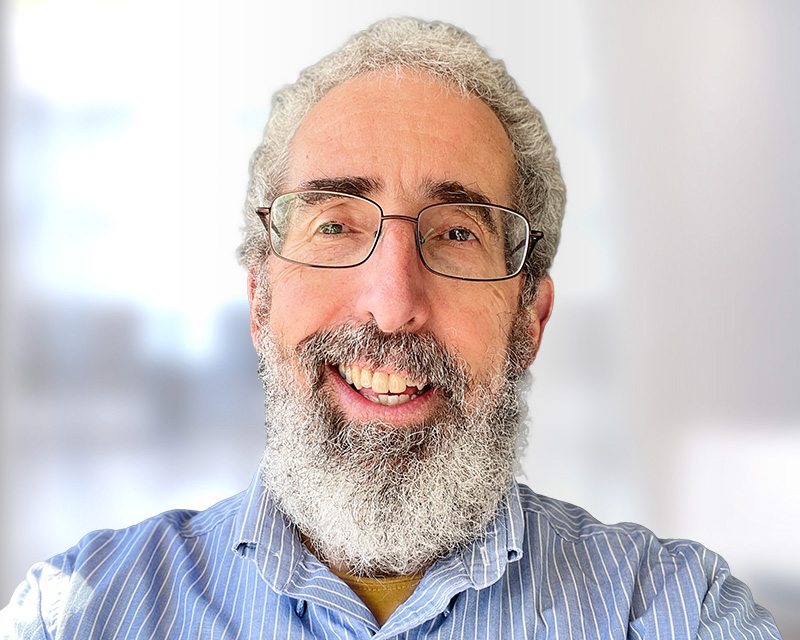
Lilia Bliznashka

Lily Bliznashka is a Research Fellow in the Nutrition, Diets, and Health Unit. Her research focuses on assessing the effectiveness of multi-input nutrition-sensitive and nutrition-specific interventions and the mechanisms through which they work to improve maternal and child health and nutrition globally. She has worked in Burkina Faso, Burundi, Tanzania, and Uganda.

Back

What we do

Since 1975, IFPRI’s research has been informing policies and development programs to improve food security, nutrition, and livelihoods around the world.

Where we work

Back

Where we work

IFPRI currently has more than 480 employees working in over 70 countries with a wide range of local, national, and international partners.

Land Tenure and Perceived Tenure Security in the Era of Social and Economic Transformation in Africa

Organized by the CGIAR Research Program on Policies, Institutions, and Markets (PIM)

July 2, 2019

  • 10:00 – 11:00 am (America/New_York)
  • 4:00 – 5:00 pm (Europe/Amsterdam)
  • 7:30 – 8:30 pm (Asia/Kolkata)

Access to land and land tenure security are increasingly important for young people in Africa where population pressure has reduced the land frontier.

In this webinar, we will discuss findings from a recent set of studies in Ethiopia, Malawi, Mozambique, and Nigeria that examined land access and perceived tenure security across various market, ecological, demographic, and cultural dynamics. A key finding is that, despite positive policy reforms at the national level, implementation has been weak and uneven within countries. As a result, land rights of the most vulnerable groups – poor smallholders, women, and migrants – have often eroded under the pressures of growing population, commercialization of agriculture, and commodification of land. These groups are particularly vulnerable since their rights over land are often subsidiary and undocumented.