

Conflicts and other shocks have triggered rising food insecurity and malnutrition in many places around the world. This special blog series examines how these often-overlapping crises are impacting food systems at the global, national, and local levels. Contributors also evaluate policy responses to food system shocks, with a view to finding effective approaches that enhance the resilience of both national and global food systems. The series is co-edited by Joseph Glauber, Research Fellow Emeritus, and Johan Swinnen, IFPRI Director General.
This blog series was initiated in February 2022 when Russia’s invasion of Ukraine triggered trade disruptions and significant increases in international prices of energy, agricultural commodities, and fertilizer, which were already elevated due to the COVID-19 pandemic and related value chain disruptions. While those impacts are still being felt, this series has expanded to incorporate posts on new conflicts, such as those in Sudan and Gaza, as well as weather-related disturbances and other food system shocks.
Latest Blog
-
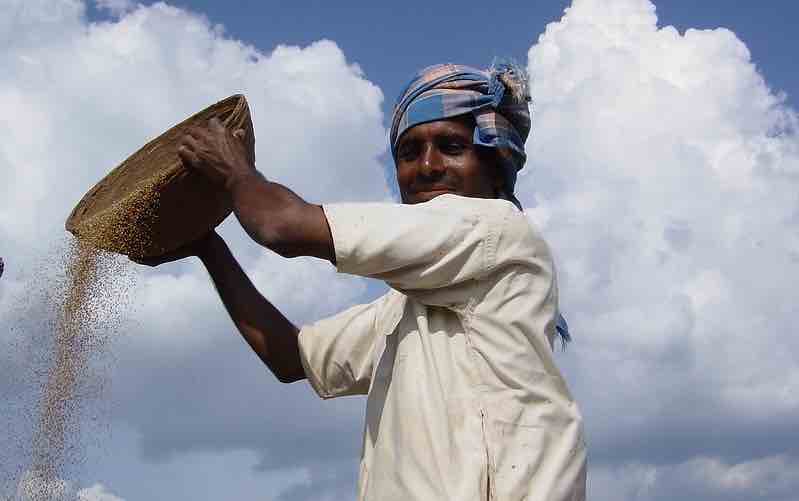
Expanding underutilized crops in Asia: The promise of millets for improving nutrition and sustainability
The many advantages of traditional food items.
-
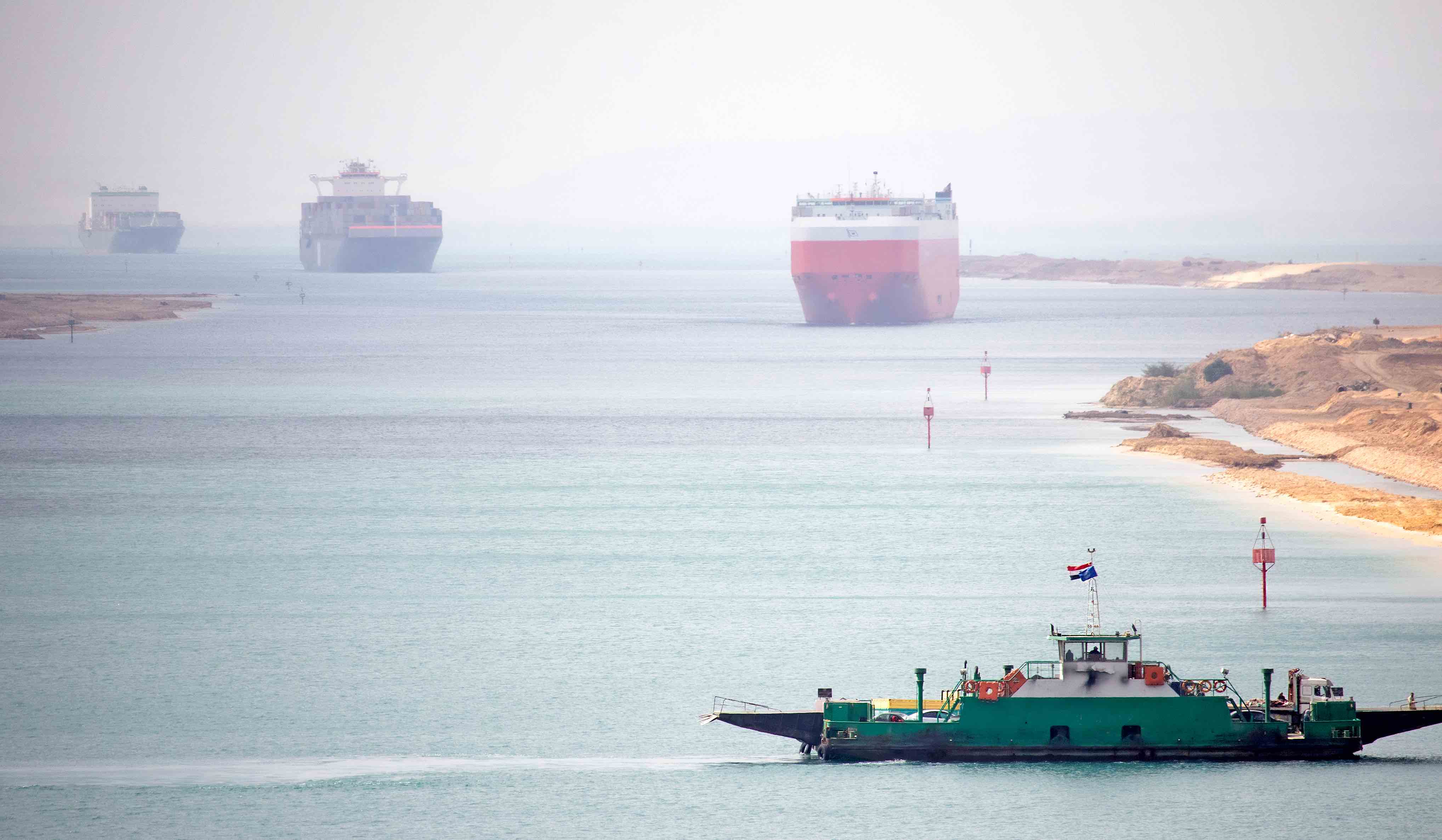
Impacts of Red Sea shipping disruptions on global food security
Potential fallout from Houthi attacks.
-
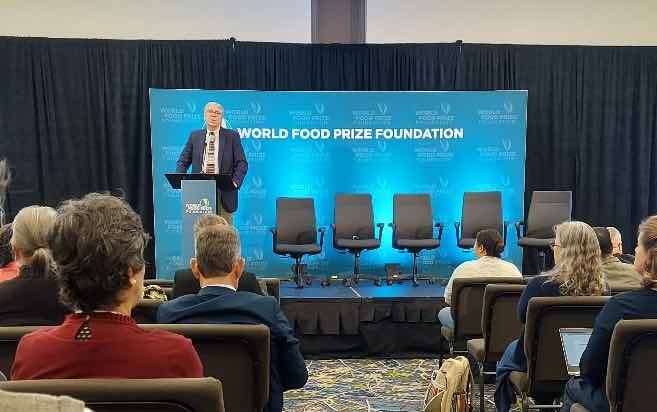
IFPRI and CGIAR at Borlaug Dialogue 2023: Food system repercussions of the Russia-Ukraine war
Ongoing market disruptions hit vulnerable populations.
-
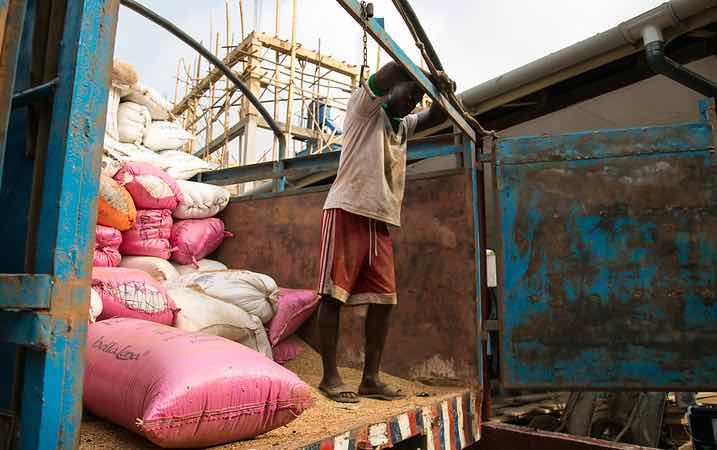
A new rapid assessment tool for food security risks posed by global price shocks
Introducing the Food Import Vulnerability Index (FIVI).
-
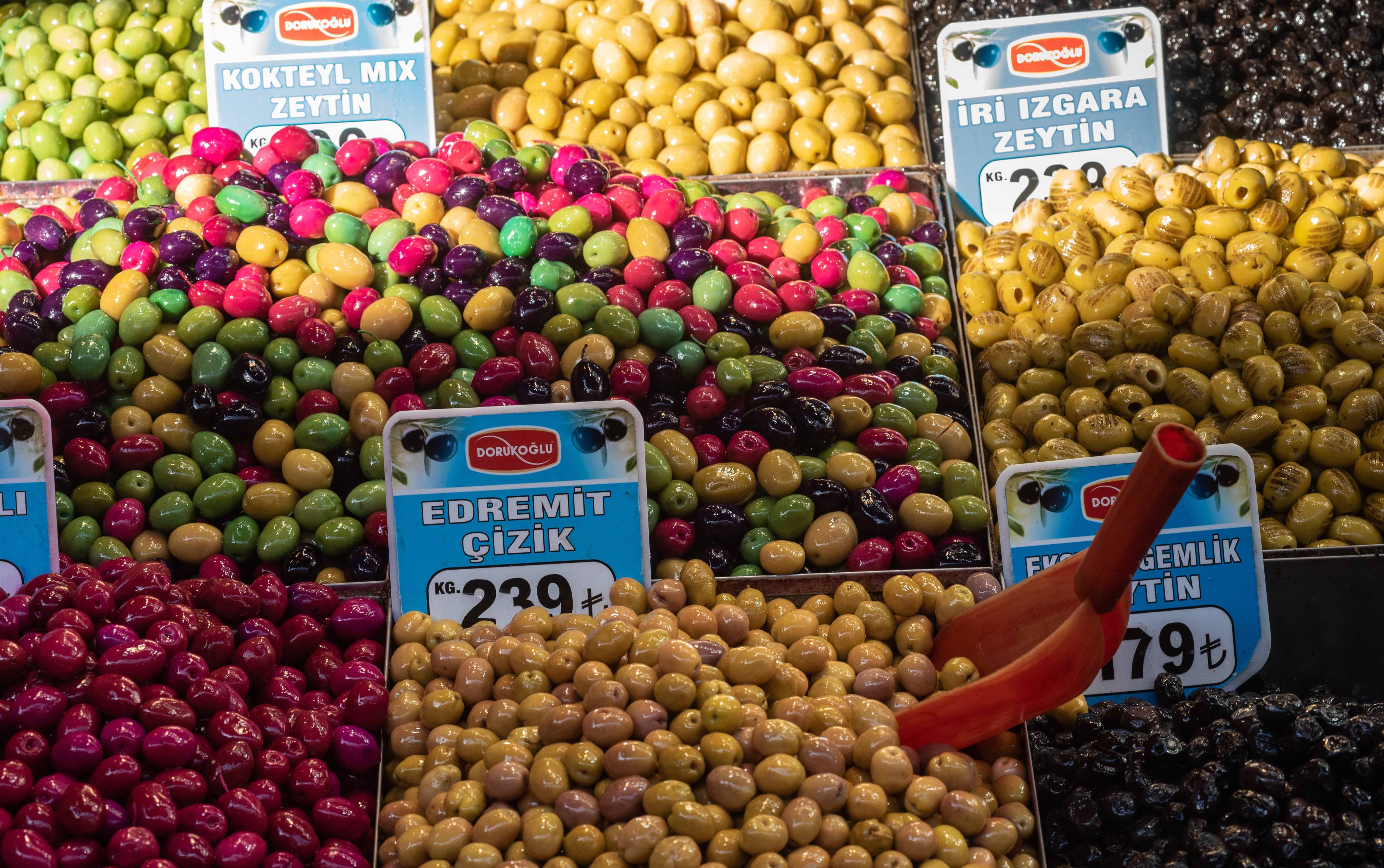
Despite improved global market conditions, high food price inflation persists
Continuing pressures on food security in low- and middle-income countries.
-
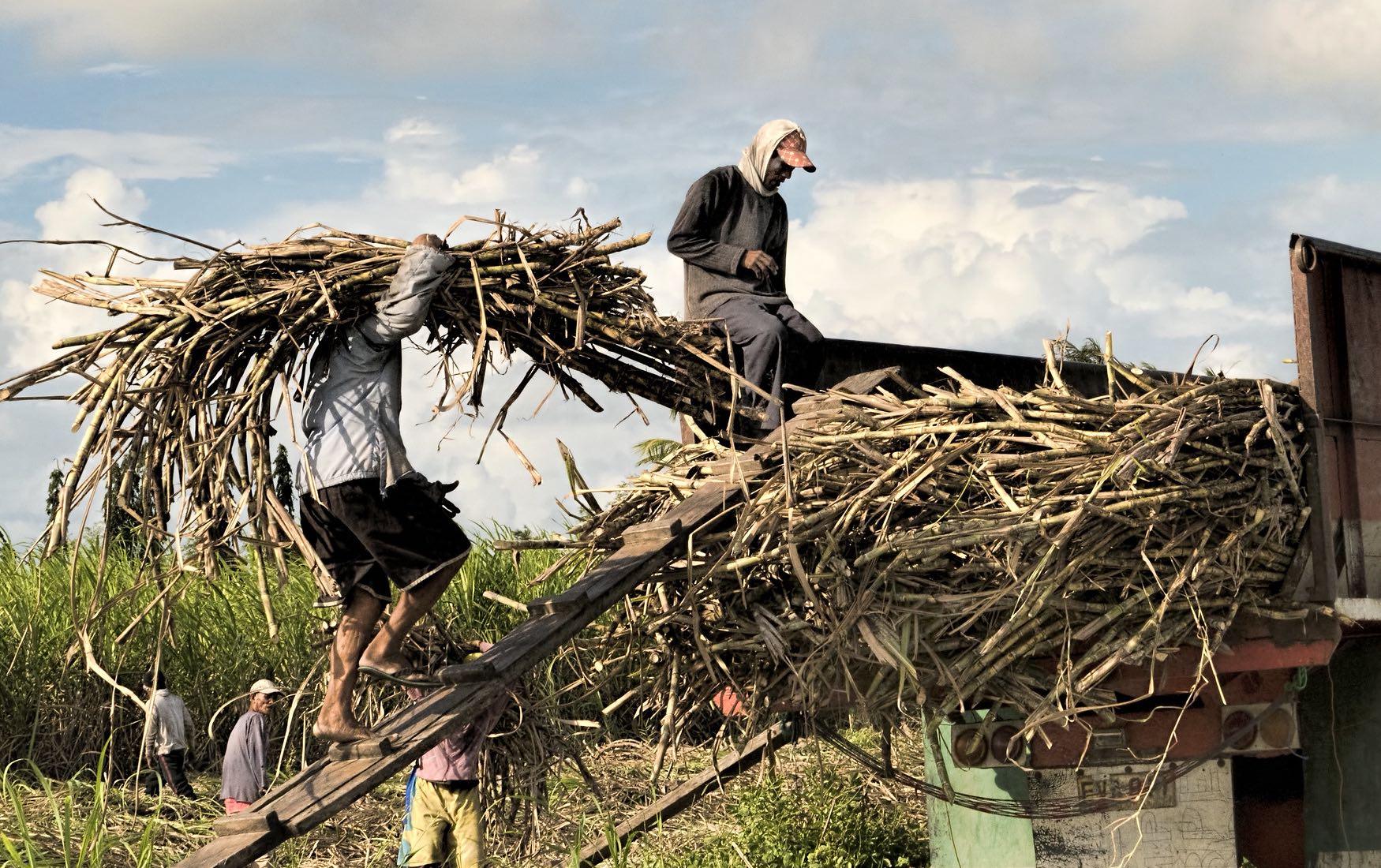
Déjà vu all over again: Global sugar markets roiled by El Niño, biofuels and trade policies
This time, market disruptions could have public health benefits.