





Nigeria’s current economic crisis continues to attract media attention. On 26 June 2024 Africa Independence Television (AIT) hosted a panel discussion on the television program “Pivotal” focused on confronting hunger and poverty. The panel, moderated by Nabila Usman, included Kwaw Andam, Country Program Leader, IFPRI-Nigeria, Andrew Mamudu, Country Director, Action Aid, and Abdullahi Mohammad, Associate, Yusufu Bala Usuman Institute.
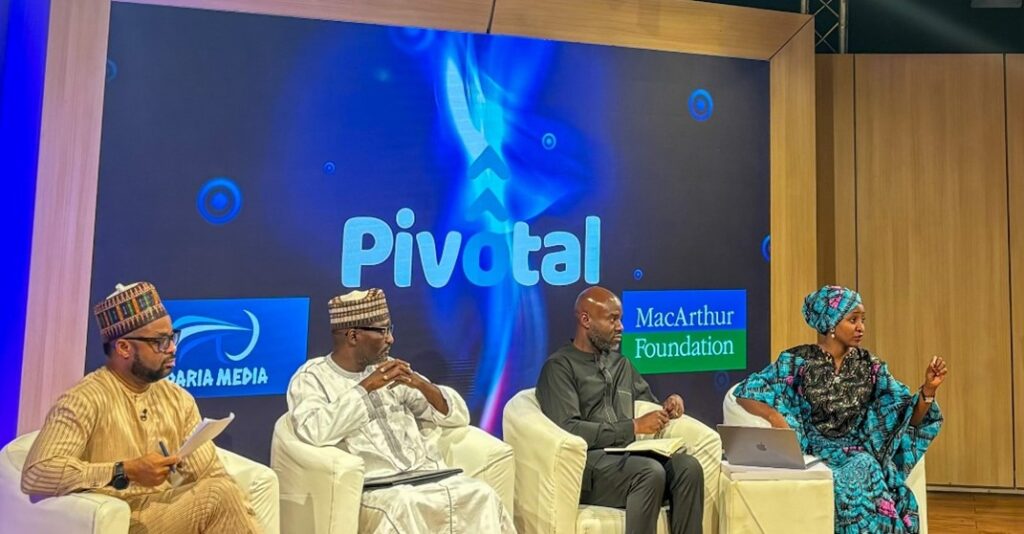
In his contributions, Kwaw Andam recognized the current administration’s reform efforts on fuel subsidies, unifying exchange rates, and diversifying exports through agriculture. He pointed out, however, that the government needs to do more, including ensuring security for farmers and other citizens. He described the transformative potential of agriculture, emphasizing the significant impact that boosting and prioritizing agriculture could have on both urban and rural communities. A strengthened agricultural sector could increase food security, generate employment, and improve livelihoods, particularly in rural areas where agriculture remains a primary source of income, but also in the urban areas, that will benefit through enhanced food supply chains and reduced food prices, contributing to overall economic stability.
The panelists provided a comprehensive view on how fighting corruption, reducing insecurity, and providing strategic policy reformation and implementation could serve as a catalyst for poverty reduction and economic diversification in Nigeria.
(Summary by Onilogbo Omobolanle, Communications Specialist, IFPRI Nigeria)