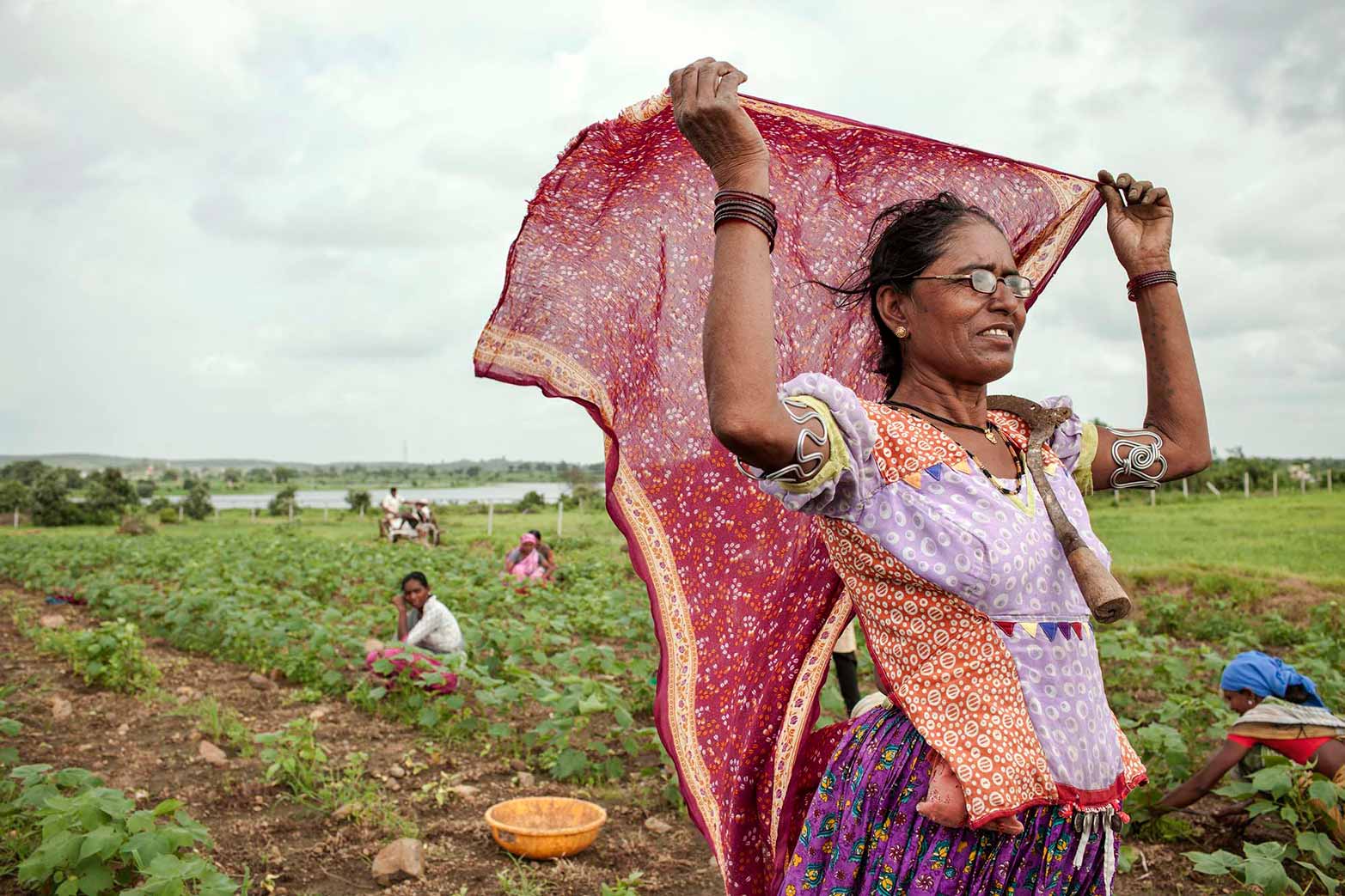
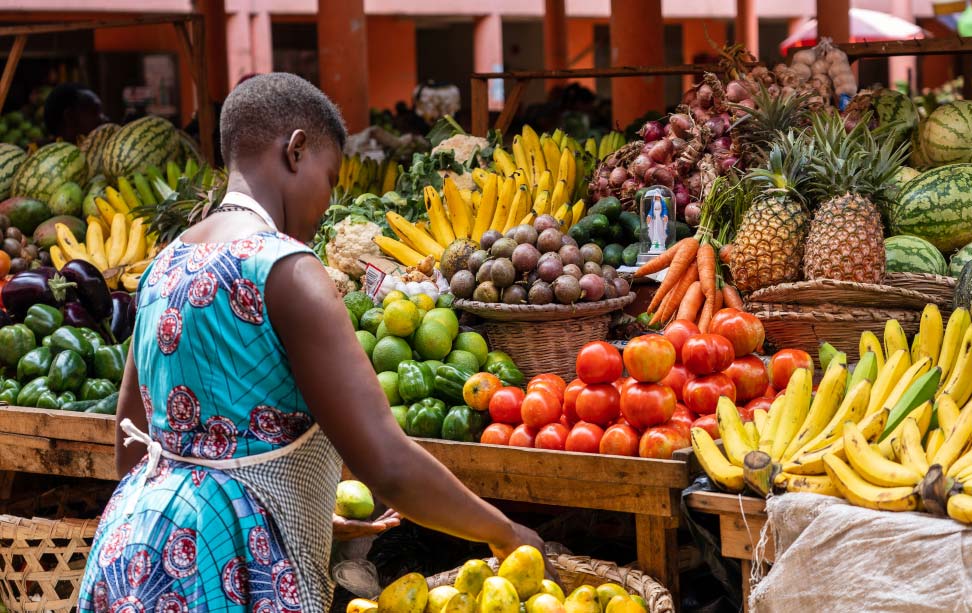
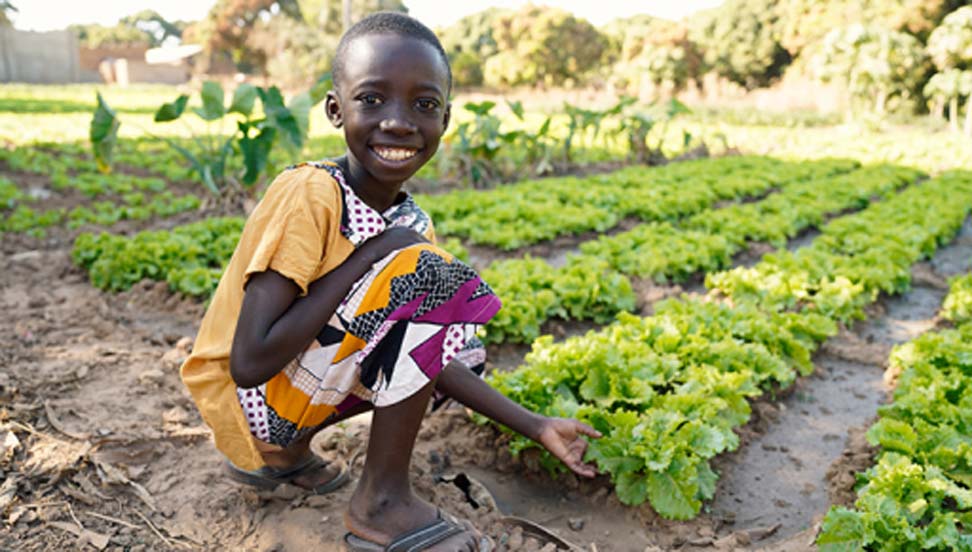

Deutsche Welle (DW) (Germany) reported on a recent conference where German Development Minister Mueller participated in a food security conference. Mueller discussed what he viewed as the current situation and what are the next global moves. The developing countries themselves should also make agriculture and the food industry a priority and make additional investments of a comparable amount in order to guarantee a world without hunger. “A world without hunger is possible – what needs to be done–the faster we act, the better.” The Ceres2030: ‘Sustainable Solutions to End Hunger scientists/authors who also attended the virtual conference stated that among other things concentrating the funds on the following priorities is important: sustainable agriculture, better seeds, targeted irrigation for more productivity, better market access for small farmers and fair-trade agreements. In order to feed everyone, agricultural production must increase by 60 percent by 2050. In addition, women are required to fully participate in land, loans, and training programs.
“A world without hunger is possible” (Deutsche Welle)
October 14, 2020