



Back

Who we are

With research staff from more than 70 countries, and offices across the globe, IFPRI provides research-based policy solutions to sustainably reduce poverty and end hunger and malnutrition in developing countries.

Kinya Kaibung’a

Kinya Kaibung’a is a Research Officer with the Development Strategies and Governance Unit, based in Nairobi, Kenya. She has a keen interest in leveraging machine learning, AI, and other cutting-edge technologies to boost climate resilience and food security in smart agriculture systems.

Back

What we do

Since 1975, IFPRI’s research has been informing policies and development programs to improve food security, nutrition, and livelihoods around the world.

Where we work

Back

Where we work

IFPRI currently has more than 480 employees working in over 70 countries with a wide range of local, national, and international partners.

2766434334_e6be680591_z

2020 Vision

Overview

IFPRI’s 2020 Vision is a world where every person has access to sufficient food to sustain a healthy and productive life, where malnutrition is absent, and where food originates from efficient, effective, and low-cost food systems that are compatible with sustainable use of natural resources.

The 2020 Vision Initiative has two primary objectives:

1. To develop and promote a shared vision and consensus for action for meeting food needs while reducing poverty and protecting the environment; and   
2. To generate information and encourage debate to influence action by national governments, nongovernmental organizations, the private sector, international development institutions, and other elements of civil society. 


Report

External impact assessment of IFPRI’s 2020 Vision for Food, Agriculture and the Environment Initiative

1999Paarlberg, Robert L.
Details

External impact assessment of IFPRI’s 2020 Vision for Food, Agriculture and the Environment Initiative

The 2020 Vision initiative of the International Food Policy Research Institute (IFPRI) was launched late in 1993, at a time of growing global complacency regarding international food security questions. The first phase of the 2020 Vision initiative (1993–96) featured the development of an innovative forward-looking partial equilibrium model of the international food and agriculture sector; the hosting of an extensive series of high profile conferences, workshops, and regional meetings; the publication and distribution of numerous substantive discussion papers, policy briefs, and regional synthesis papers; and the regular publication of a topical newsletter. The goal was to refocus attention on current and future challenges in areas such as food security, agricultural development, rural poverty, and environmental protection; to catalyze a new consensus on these issues within the international policy community; and to encourage policy leaders—both in the donor community and in the developing world—to commit more energy and resources to resolve food security concerns. The present report is an independent effort, commissioned by IFPRI, to measure the actual impact, to date, of this ongoing 2020 Vision initiative. The impacts examined include impacts on three different audiences: researchers and educators, international policy leaders, and developing-country policy leaders. For each of these audiences, an assessment is given as to whether the 2020 Vision initiative significantly “reached” the audience in question with its materials and messages; whether 2020 had an impact on the policy thinking of this audience; and whether 2020 actually catalyzed any new policy actions by this audience. 2020 activities, from materials published by other organizations working in the food security and agricultural development area, and from materials gathered from donors, international organizations, and the nongovernmental organization (NGO) community.

Year published

1999

Authors

Paarlberg, Robert L.

Citation

Paarlberg, Robert L. 1999. External impact assessment of IFPRI’s 2020 Vision for Food, Agriculture and the Environment Initiative. Independent Impact Assessment Report. 10. https://hdl.handle.net/10568/161302

Keywords

Food Security; Environmental Protection; Agricultural Development; Poverty; Developing Countries; Impact Assessment

Language

English

Access/Licence

Open Access

Record type

Report


Blogs


News


Events


Team members

No staff members to display.
No staff members assigned to this program.

The Programs

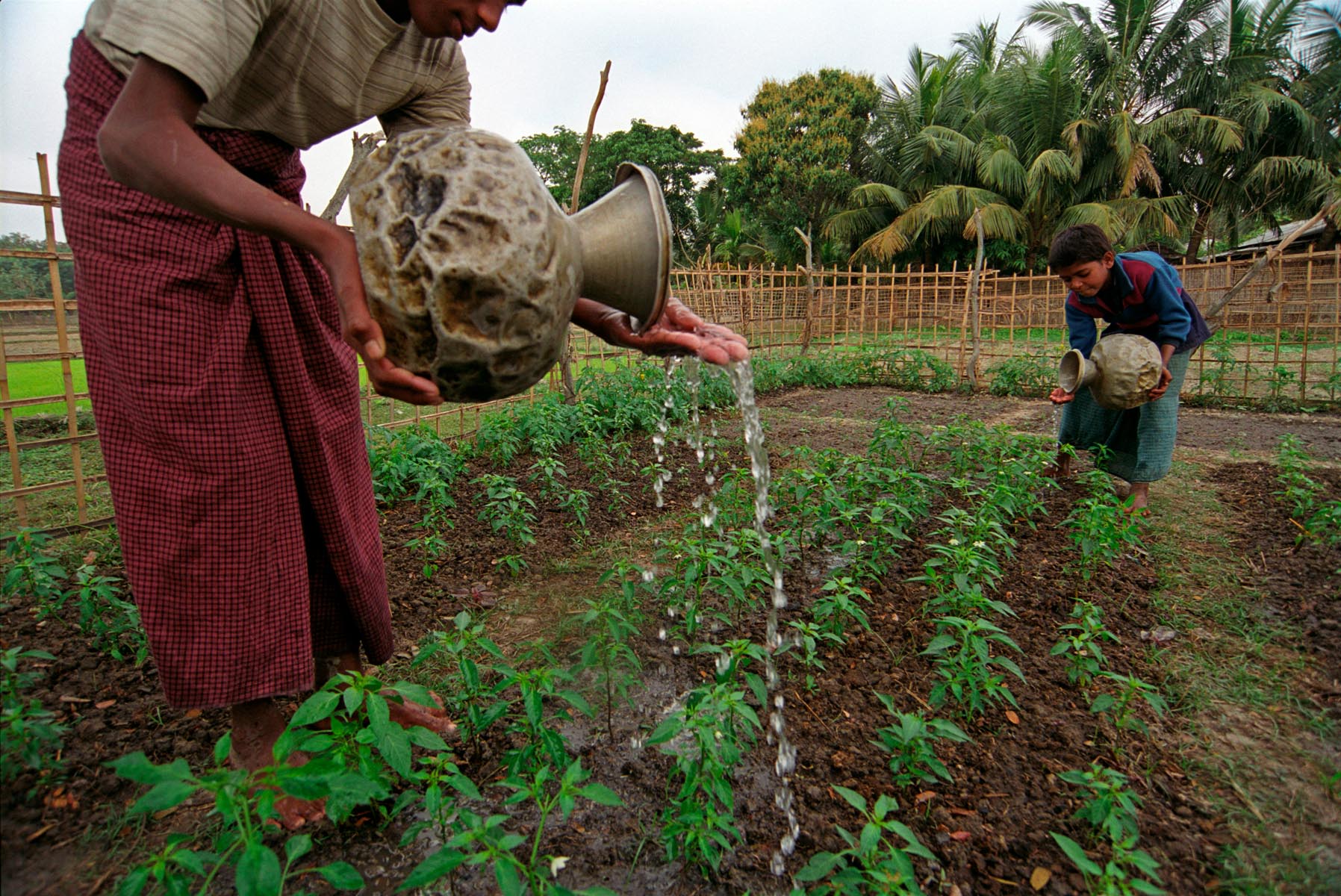
  • Kutubdia Island in the Bay of Bengal

    Bangladesh Policy Research and Strategy Support Program

    Improving food and nutrition security is of paramount concern to millions in Bangladesh.

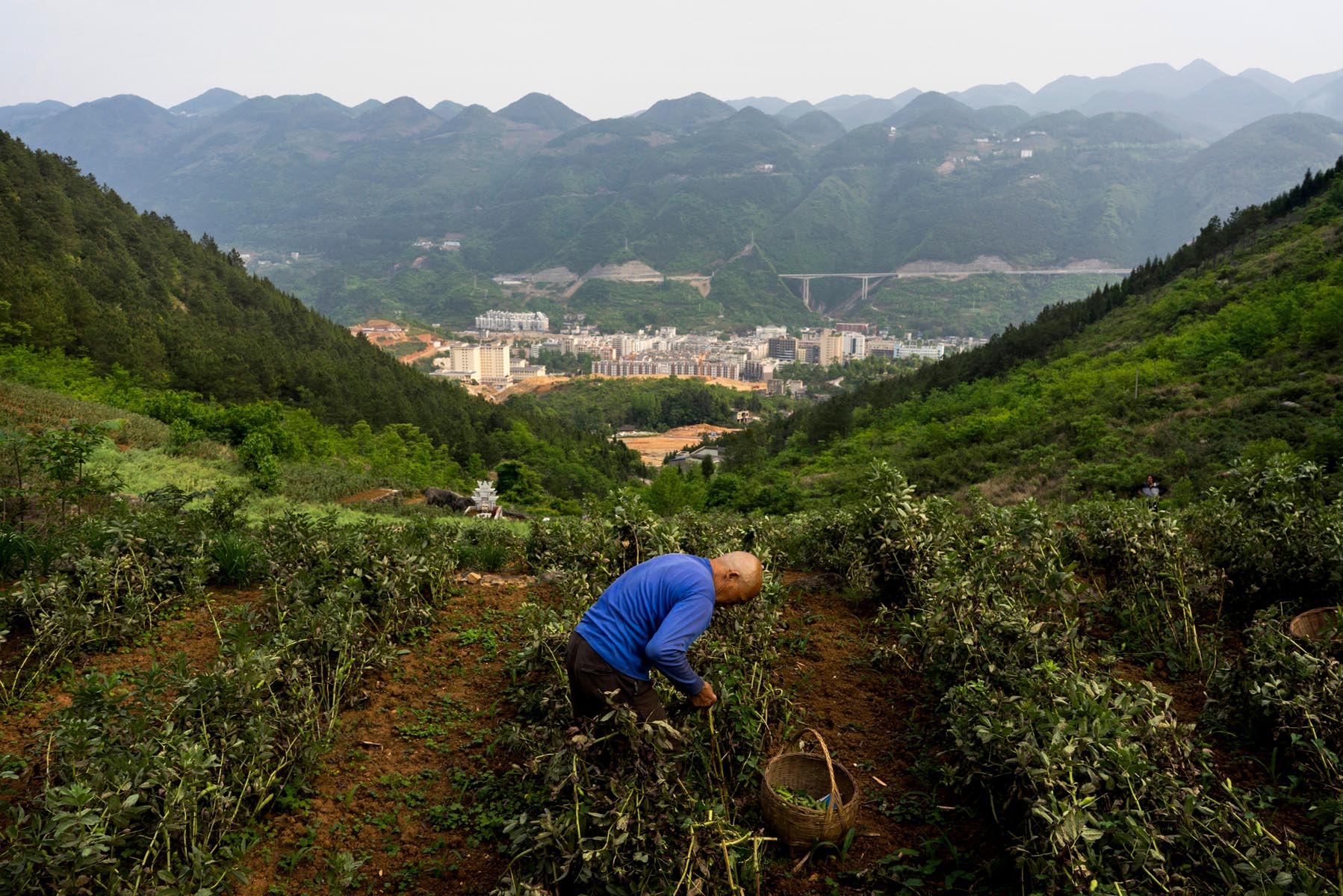
  • Wuxi, the fast growing city that was formerly known as White Horse Village.

    China Strategy Support Program

    Supports joint research & capacity strengthening as well as policy dialogues & communication to improve policymaking.

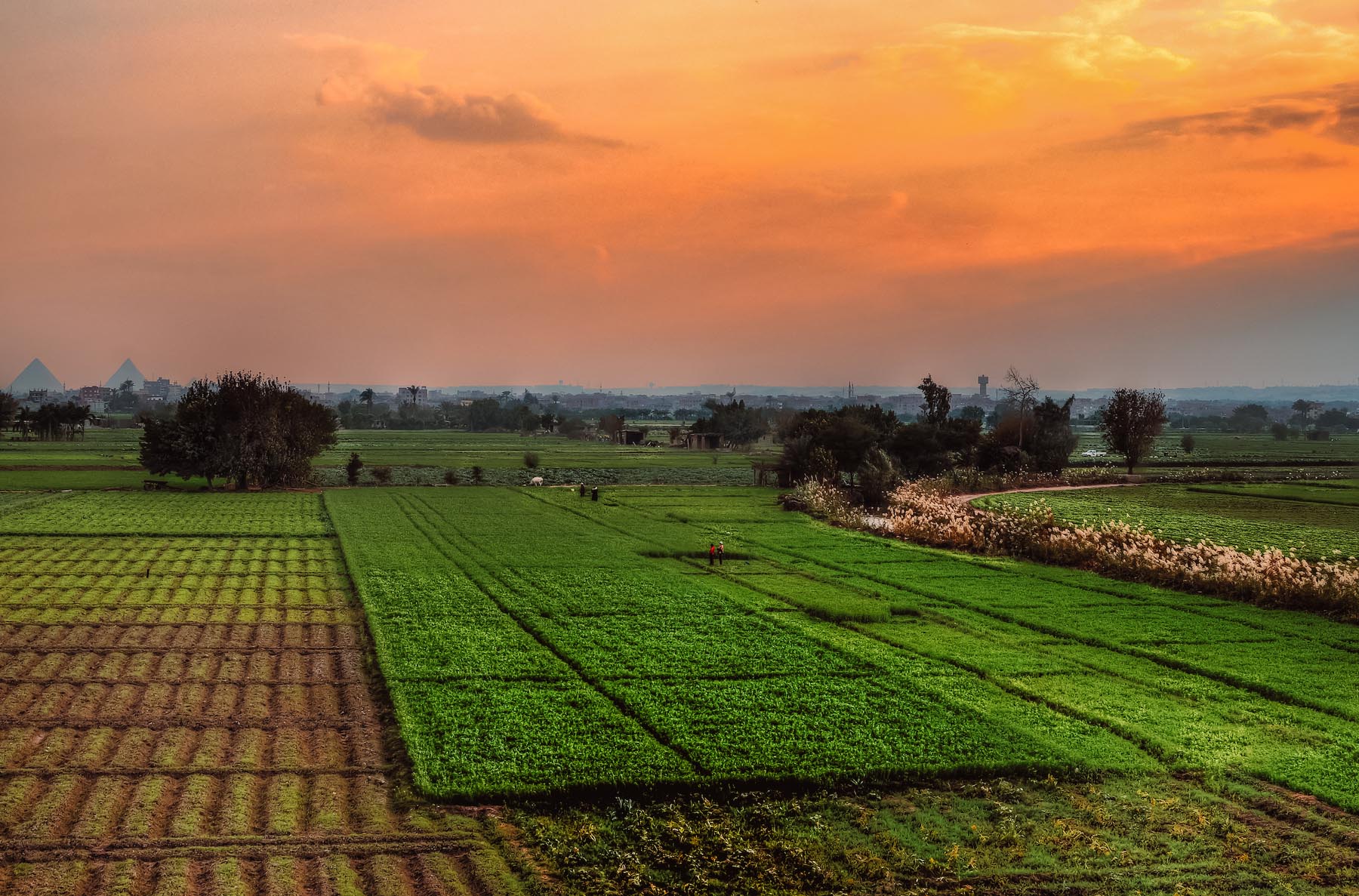
  • Farm land in Giza in Egypt

    Egypt Strategy Support Program

    Egypt SSP's main objective is to raise incomes of the rural poor and to improve food and nutrition security in Egypt.

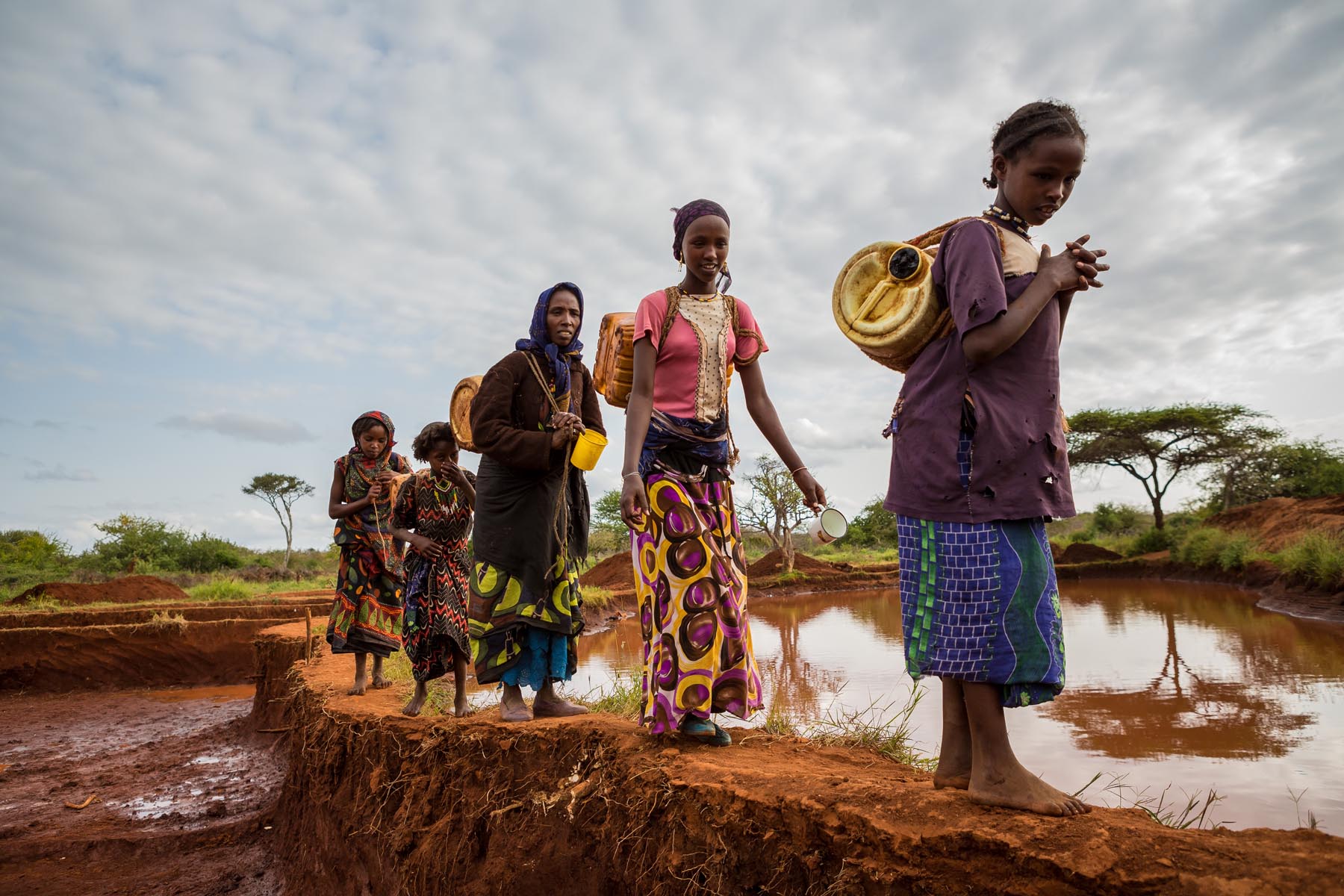
  • Gayo village, Ethiopia

    Ethiopia Strategy Support Program

    ESSP is a collaborative program undertaken by IFPRI and the Ethiopian Development Research Institute (EDRI)

  • amevi-wisdom-wiul_nyafcy-unsplash

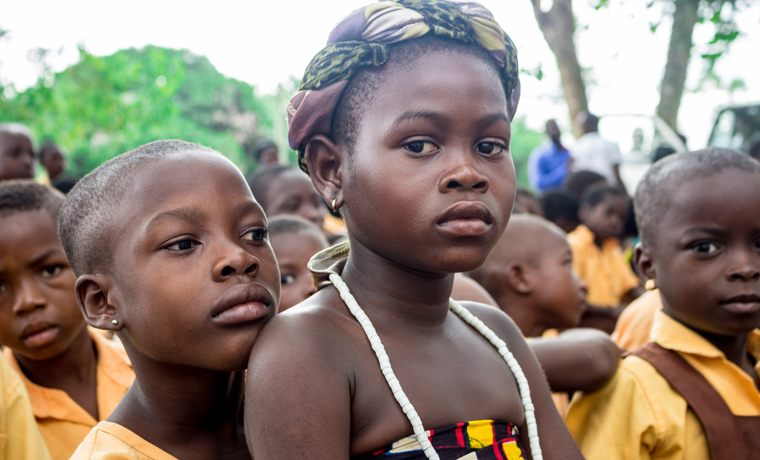
    Ghana Strategy Support Program

    Conduct research & advise on policy to support agricultural growth, rural development & economic transformation.

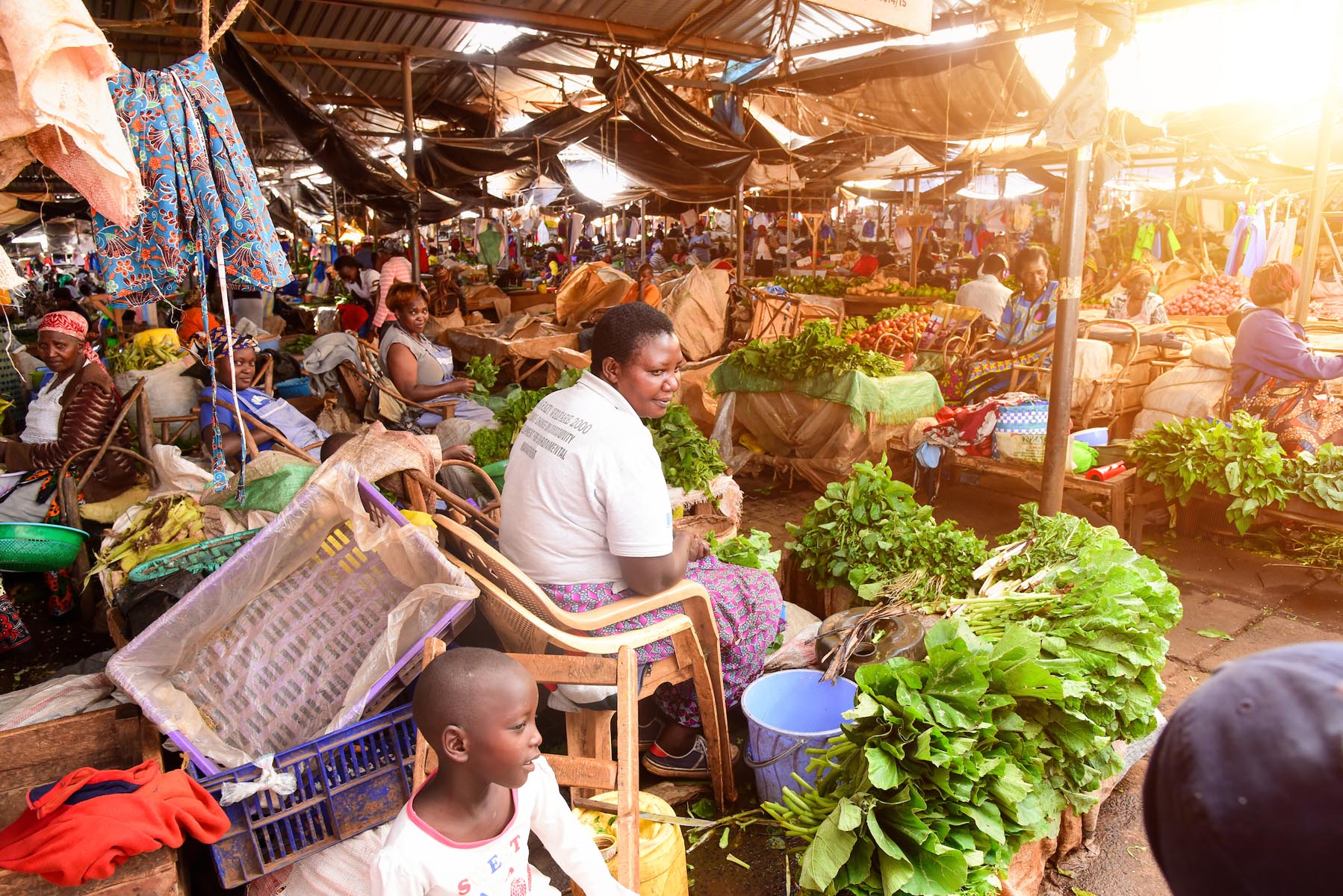
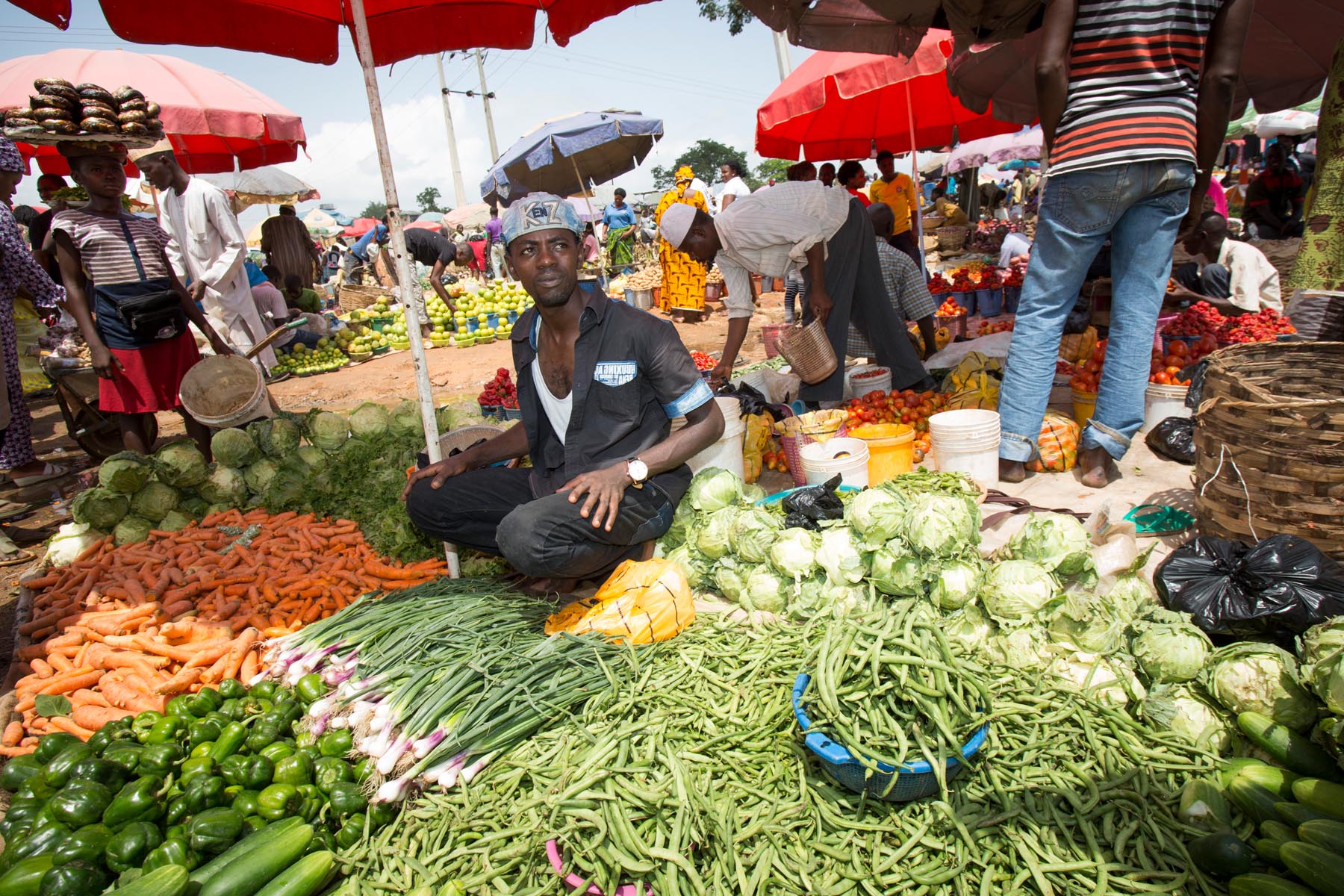
  • Local vendors selling vegetables at a market in Kenya,Africa

    Kenya Strategy Support Program

    KSSP is a policy research, capacity strengthening and policy communication program with the main objectives to accelerate poverty reduction and to improve food security.

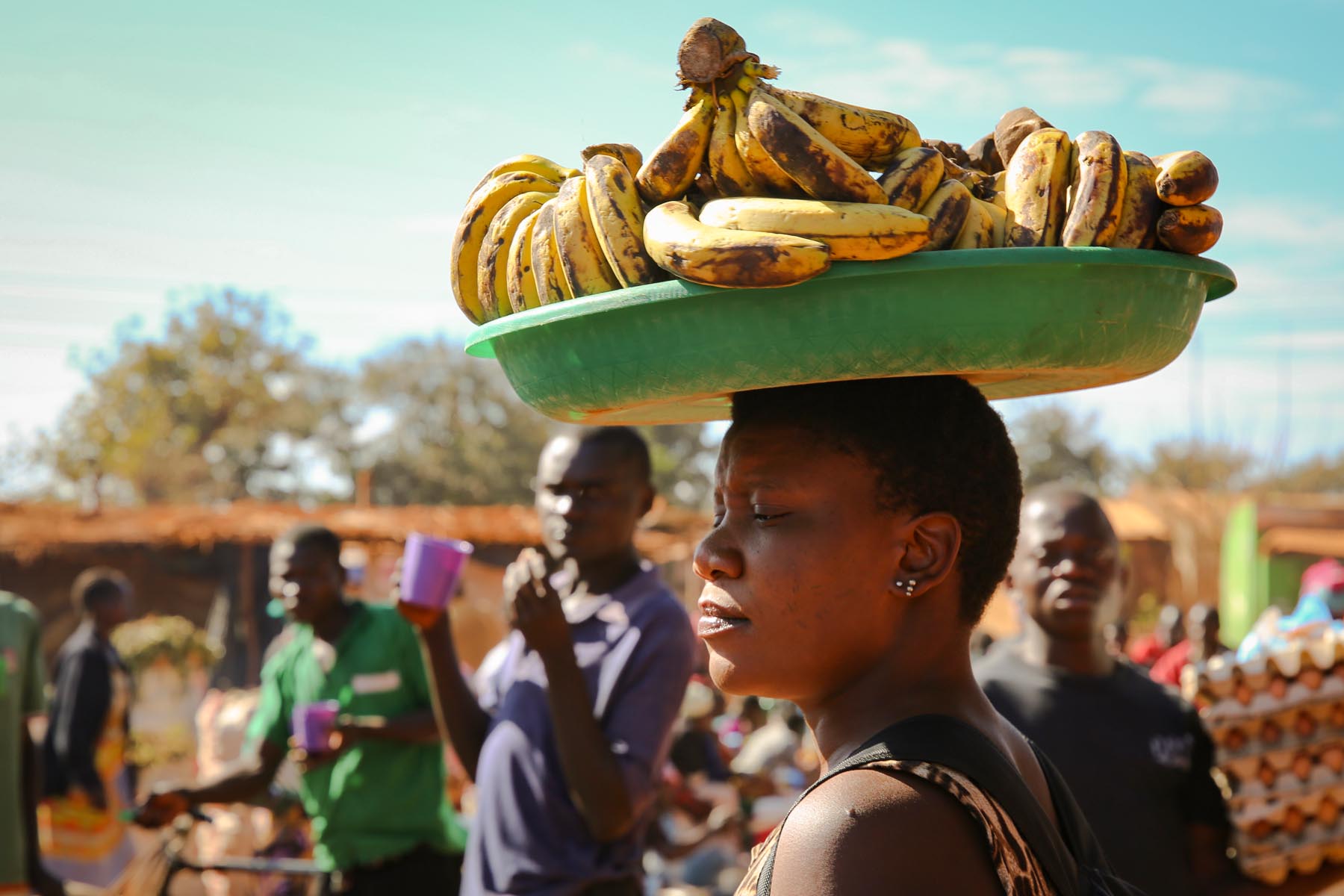
  • Mitundu Market, Lilongwe, Malawi

    Malawi Strategy Support Program

    This project facilitates and promotes evidence-based dialogue and decision-making in support of agricultural development, food security, and economic growth in Malawi.

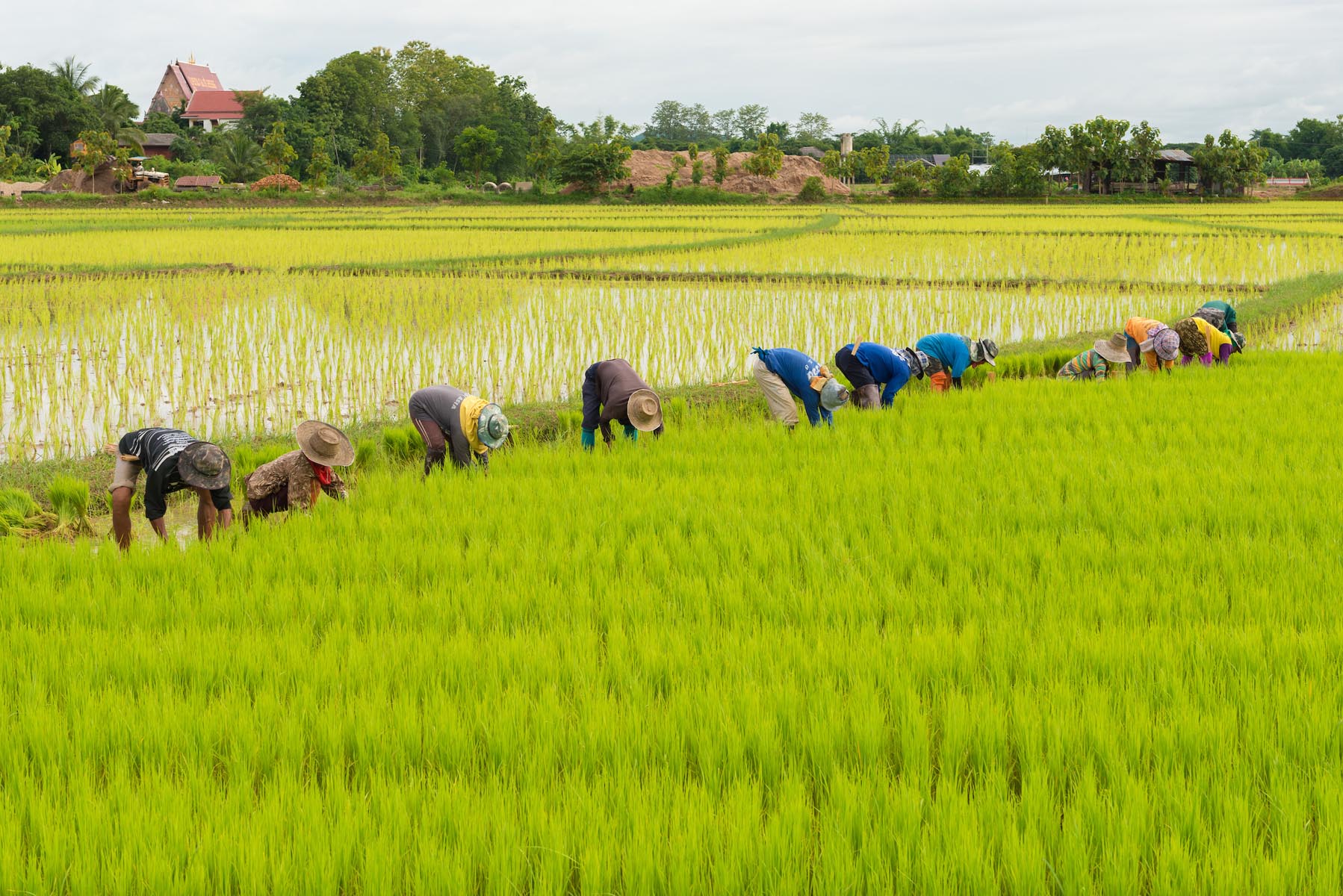
  • Country program Myanmar

    Myanmar Strategy Support Program

    The project supports agricultural transformation and other development policy goals by enhancing national technical, institutional, and policy analysis capacities.

  • Nigeria Strategy Support Program

    NSSP responds to the research, analysis, and capacity needs of stakeholders in the Nigerian agricultural research and policy community.

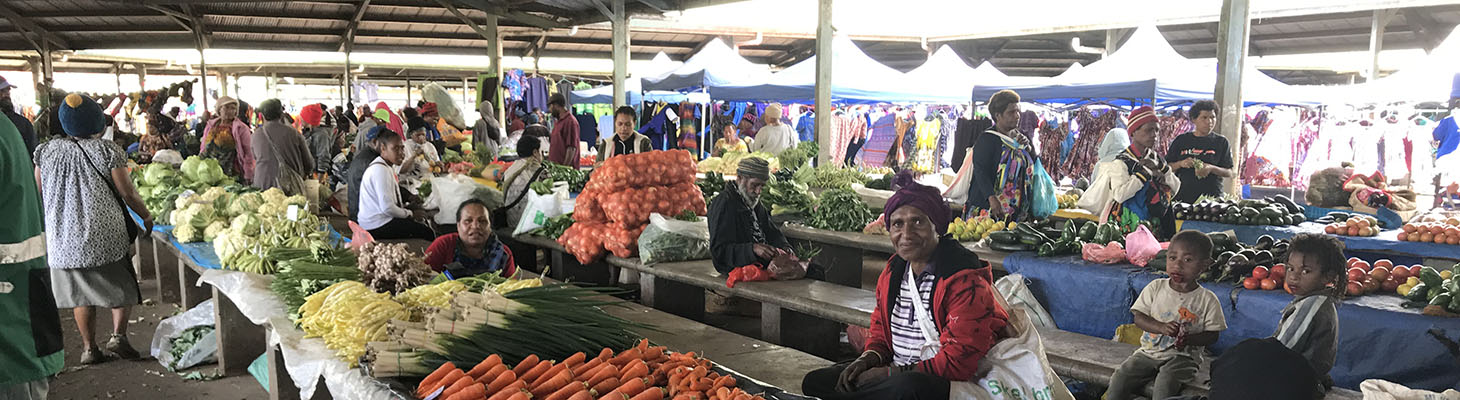
  • Papua New Guinea Agriculture, Food, and Nutrition Policy Support Program

    The Papua New Guinea Agriculture, Food, and Nutrition Policy Support Program (PNG-AFNP) is an initiative aligned with the Government of Papua New Guinea’s vision to revitalize and transform its agricultural sector to improve economic opportunities, livelihoods, and food security.

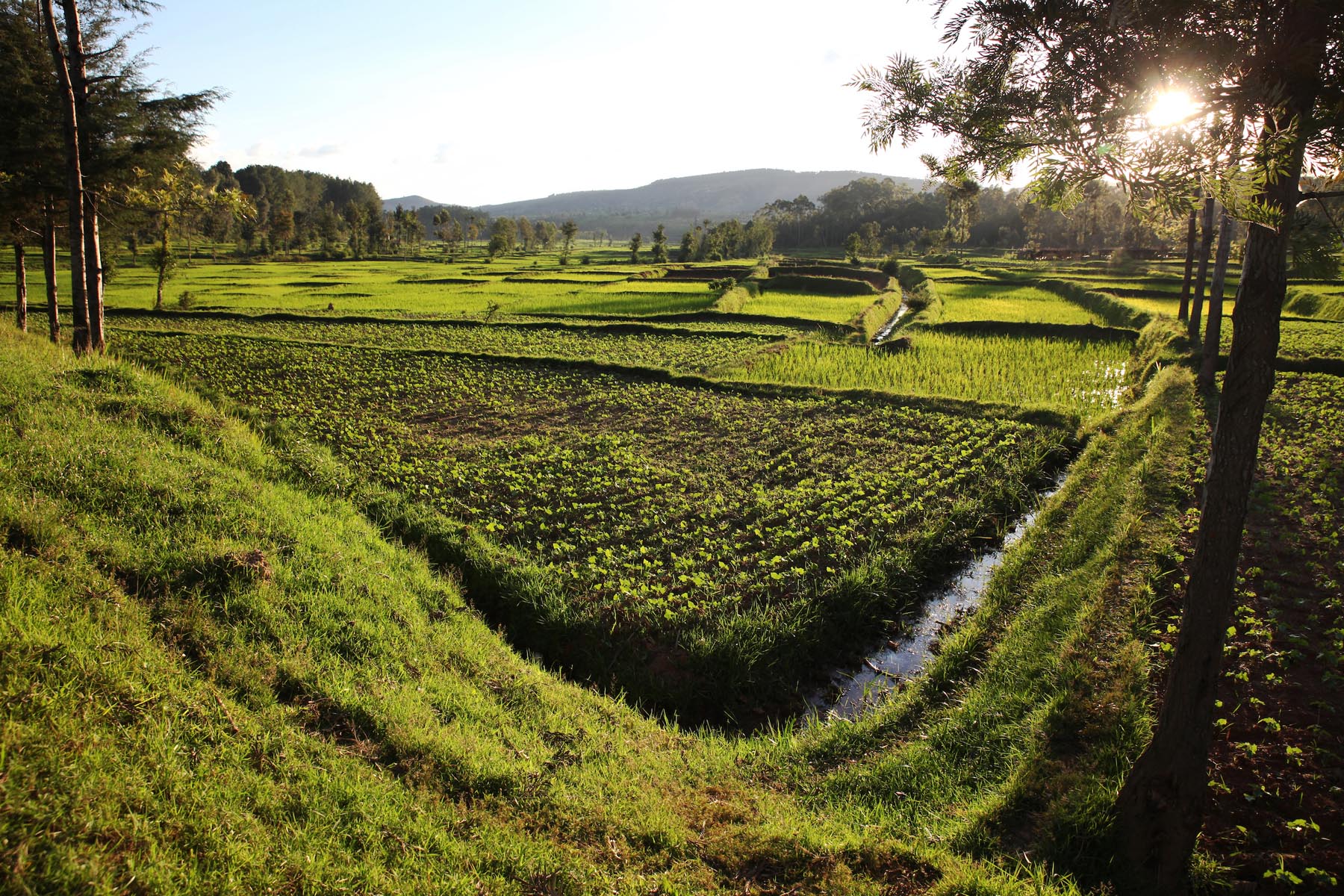
  • Fertile field at sunset in the countryside (Rwanda/ Africa)

    Rwanda Strategy Support Program

    Rwanda SSP is an initiative aligned with the Government of Rwanda’s vision to accelerate agricultural transformation and rural development in Rwanda.

  • A sunset view of river Nile in Khartoum, Sudan

    Sudan Strategy Support Program

    The Sudan Country Strategy Support Program (CSSP), with key team members based in Khartoum, can provide needed analytical support to the Government of Sudan, local and international partners.