



IFPRI Projects
For additional resources, refer to the quick links provided below.
Quick Links:
Filters
Found 134 Results
-
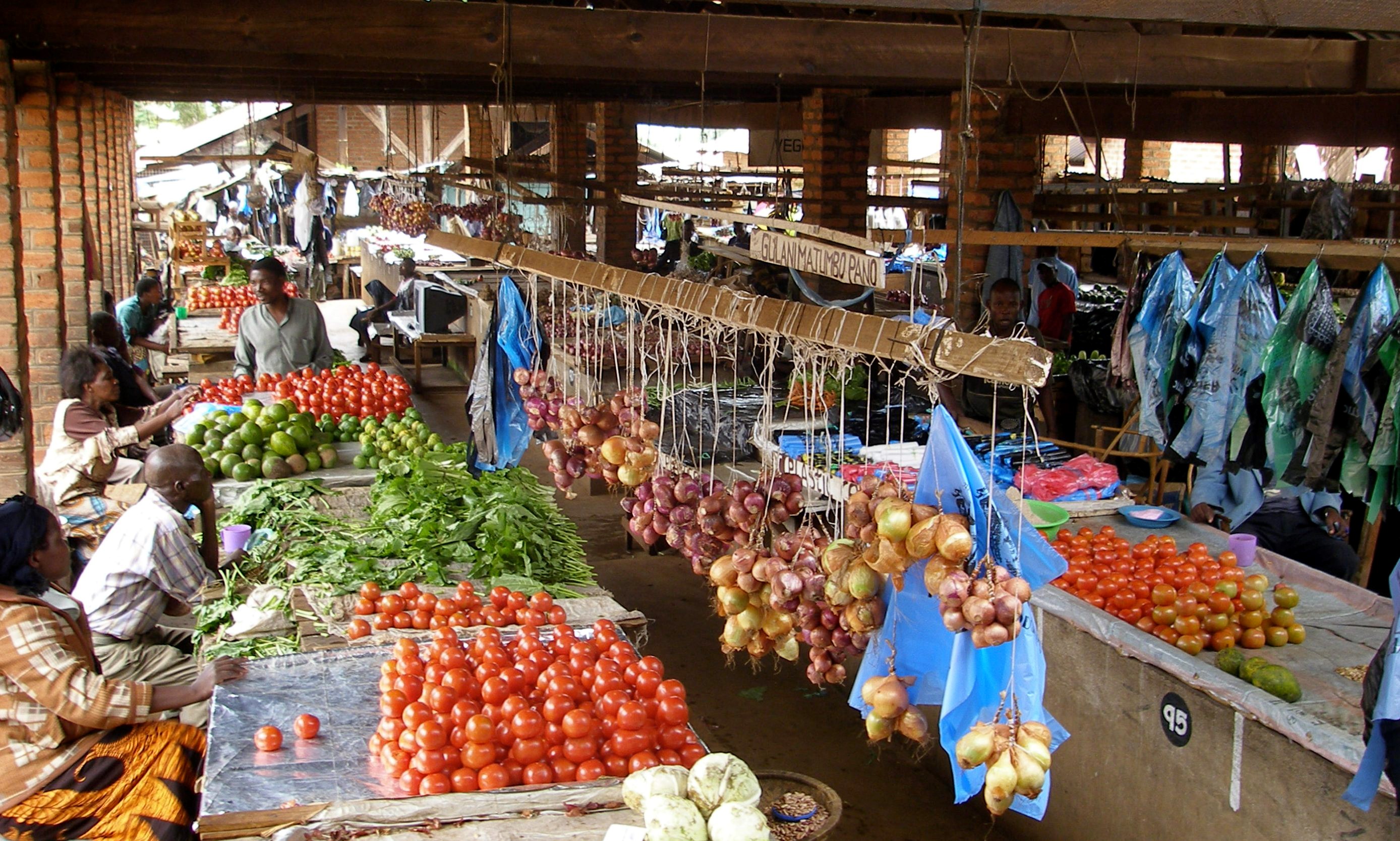
Titukulane Project
support implementation and ensure effectiveness of the Malawi National Resilience Strategy (NRS)
-
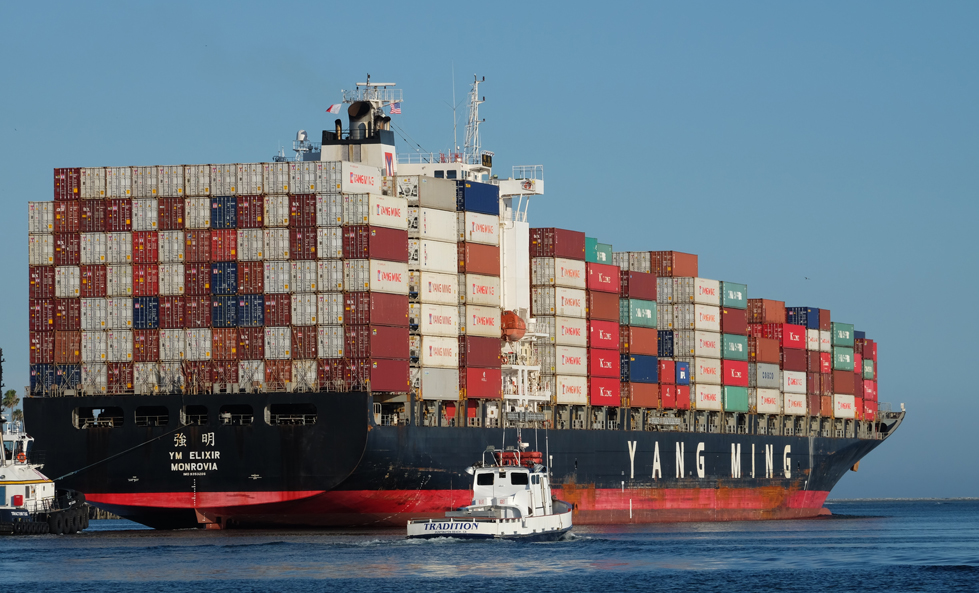
Trade Tensions
The end of 2016 and the beginning of 2017 saw a dramatic change in the global trade picture. Following on the heels of the British referendum supporting the exit of the United Kingdoms from the European Union, the U.S. presidential election that resulted in the victory of Donald Trump, who […]
-
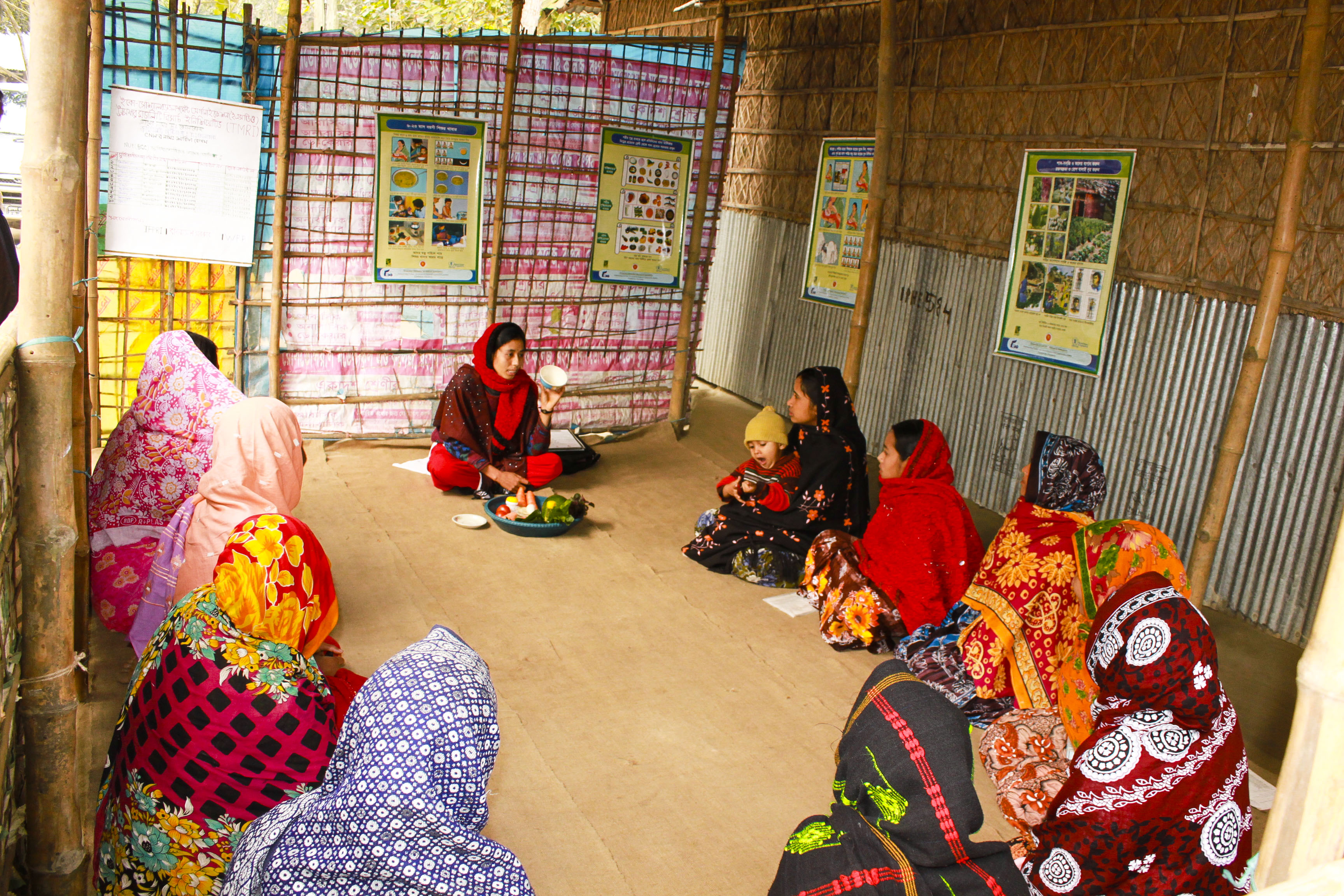
Transfer Modality Research Initiative (TMRI)
From 2012 to 2014, IFPRI partnered with the World Food Programme on a two-year pilot safety net program – the Transfer Modality Research Initiative (TMRI) – to determine which transfer modalities work best for the ultra-poor in rural Bangladesh. TMRI was designed as a cluster randomized controlled trial (RCT), in […]
-
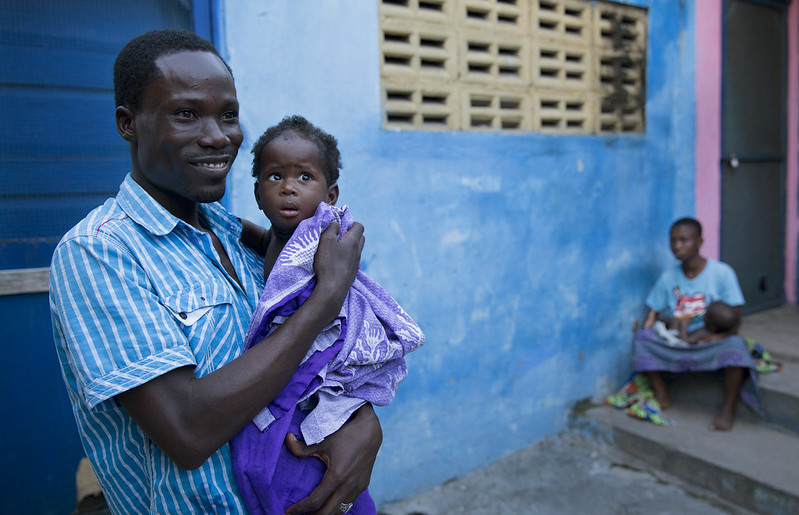
Transform Nutrition West Africa
Transform Nutrition West Africa is a regional platform to enable effective policy and programmatic action on nutrition, funded by the Bill & Melinda Gates Foundation from 2017-2021 and led by the International Food Policy Research Institute. We work across the region but our focal countries are: Burkina Faso, Ghana, Nigeria […]
-
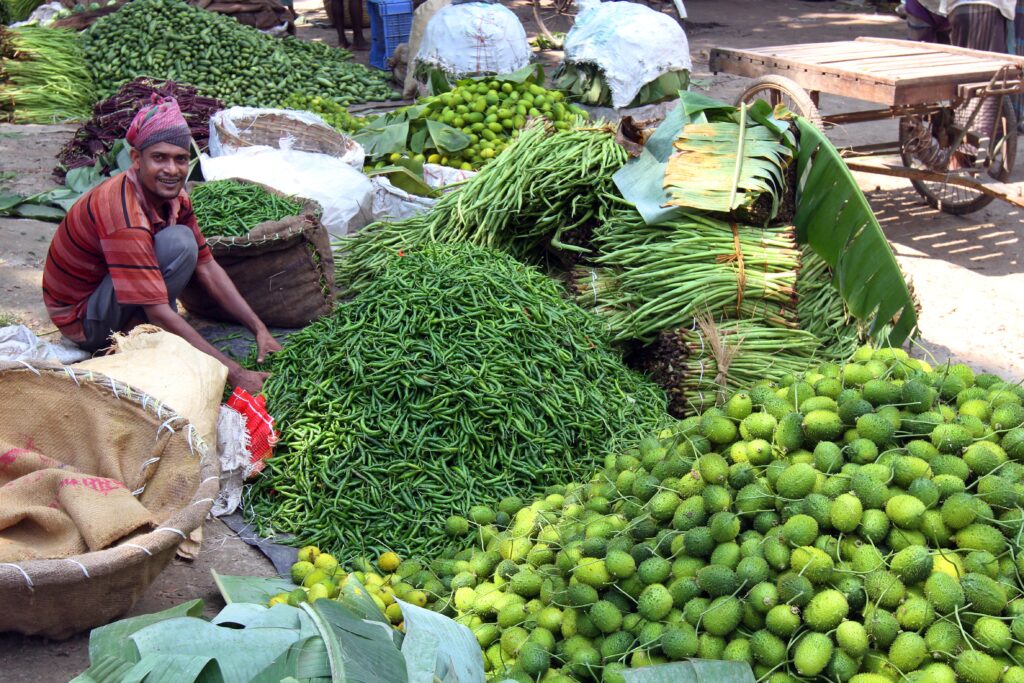
True Value of Food
The True Value of Food Research Program uses True Cost Accounting (TCA) to systematically measure and value environmental, social, health, and economic costs and benefits to inform sustainable choices by governments and food system stakeholders. The approach is grounded on The Economics of Ecosystems and Biodiversity (TEEB) agri-food evaluation framework […]
-
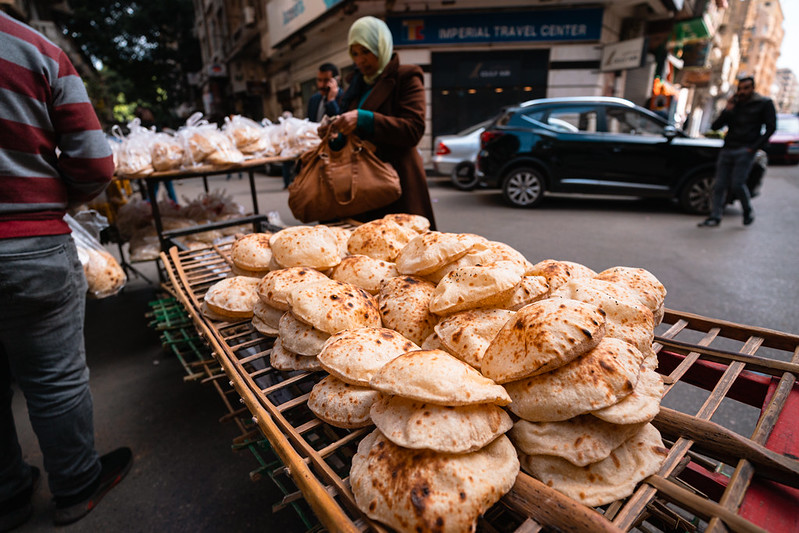
UFED: Urban Food Environments and Diets online tool
UFED is an online tool that provides recommendations on conducting dietary and food environment assessments in urban and peri-urban settings. Based on user input regarding diet and food environment problems of concern, target populations, and other relevant factors, the tool generates a set of recommended methods and indicators for dietary […]
-
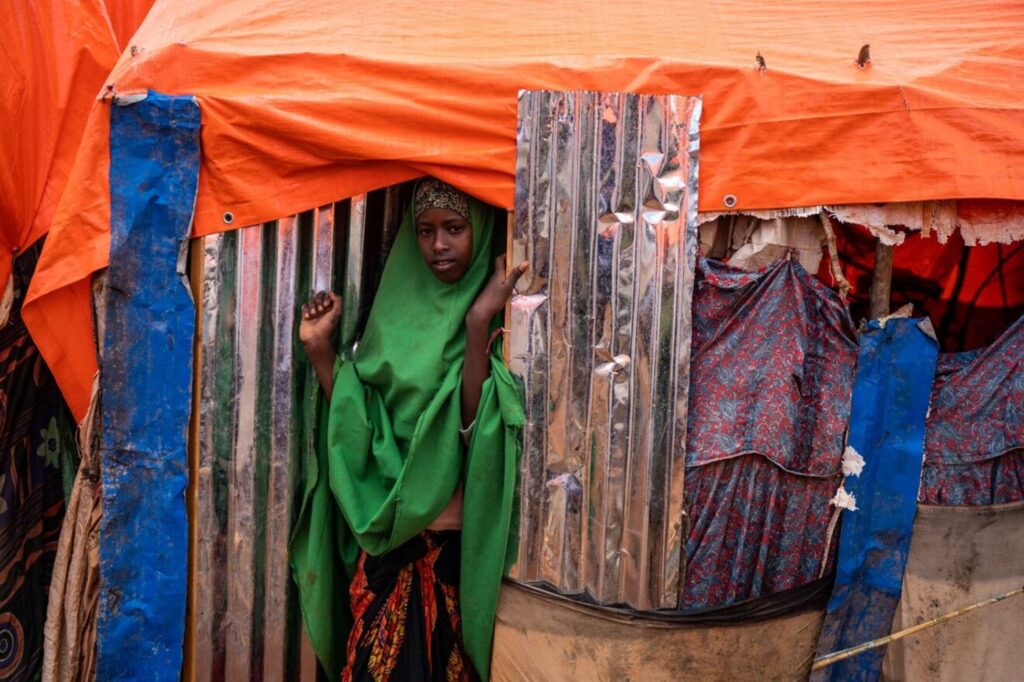
Ultra-Poor graduation in Somalia
In this project, IFPRI conducted a randomized trial evaluating the Ultra-Poor Graduation intervention in Baidoa, Somalia, designed to enable ultra-poor households who were internally displaced to graduate from extreme poverty. UPG was a multifaceted intervention centering around cash transfers, savings groups, and asset transfers or training, implemented by World Vision […]
-
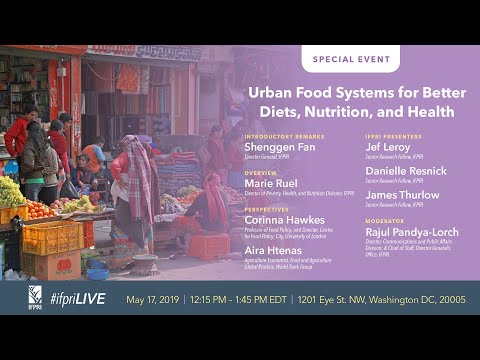
Urban Food Systems for Better Diets, Nutrition, and Health
This program aims to guide policymakers and other key actors in designing and implementing effective food system policies to support healthier diets and optimal nutrition and health for the urban poor.
-

Value Chains Knowledge Portal
The Value Chains knowledge portal (tools4valuechains.org) is a repository of tools and methods, publications, training content, and information about events related to value chain research undertaken by CGIAR and its partners. This initiative is led by the CGIAR Research Program on Policies, Institutions, and Markets (PIM) with contributions from all CGIAR research centers. The Value […]
-
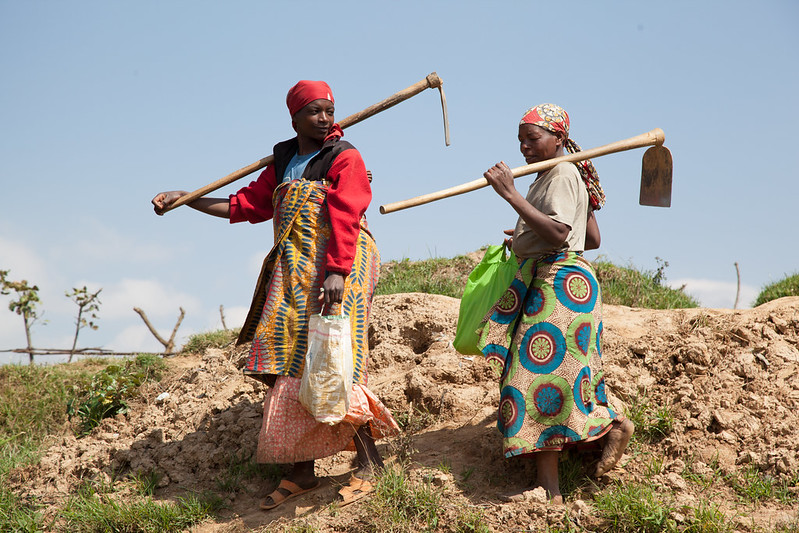
Voice for Change Partnership (V4CP)
The Voice for Change Partnership (V4CP) programme is a collaboration between the Dutch government, SNV, and IFPRI to empower civil society organisations.