



IFPRI Projects
For additional resources, refer to the quick links provided below.
Quick Links:
Filters
Found 134 Results
-

Strengthening Food Systems to Promote Increased Value Chain Employment Opportunities for Youth
This project funded by the Mastercard Foundation, aims to provide tested options for creating innovative, digitally-savvy livelihood opportunities for youth, especially young women, while reducing post-harvest losses across agrifood systems in Africa
-
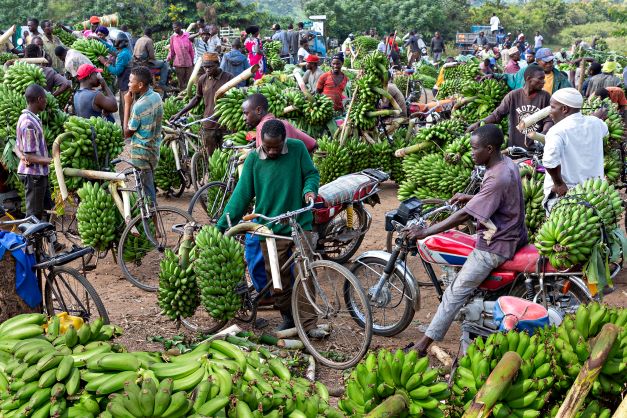
Strengthening National Capacities and Policies for Food Systems Analysis and Transformation in Kenya, Ghana, and Senegal
Food systems encompass the entire range of actors and their interlinked value-adding activities involved in the production, aggregation, processing, distribution, consumption, and disposal of food products. Many African countries have capacity to analyze and address specific constraints and to develop interventions for individual components of food systems. This is exemplified […]
-
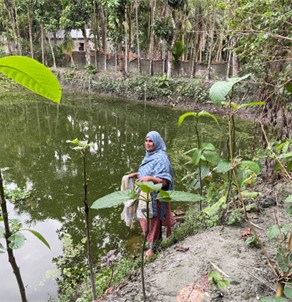
Strengthening the Economic Evaluation of Strategies for Nutrition (SEEMS-Nutrition)
SEEMS-Nutrition supports the scaling up of future solutions to enhance and sustain nutritious food systems in a rapidly evolving environment of decreasing child and maternal mortality and increasing income, urbanization, commercialization and globalization. Awareness and commitment to improved nutrition through agriculture and healthy food systems is high on global and […]
-
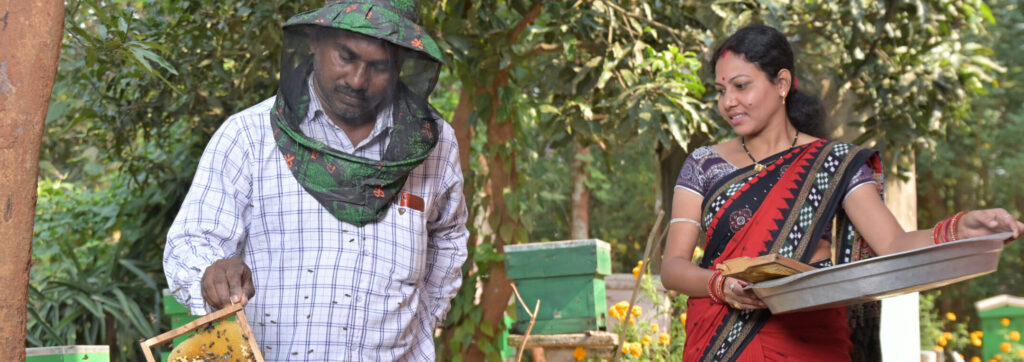
Strengthening Women’s Advancement and Resilience in Agriculture (SWARNA)
The Gender Responsive Cell (GRC), supported by the SWARNA project, aims to institutionalize gender-responsive governance within the Department of Agriculture and Farmers’ Empowerment (DA&FE), Government of Odisha, ensuring that gender equity becomes an integral part of agricultural planning, implementation, monitoring, and evaluation. The project recognizes that although women contribute significantly […]
-
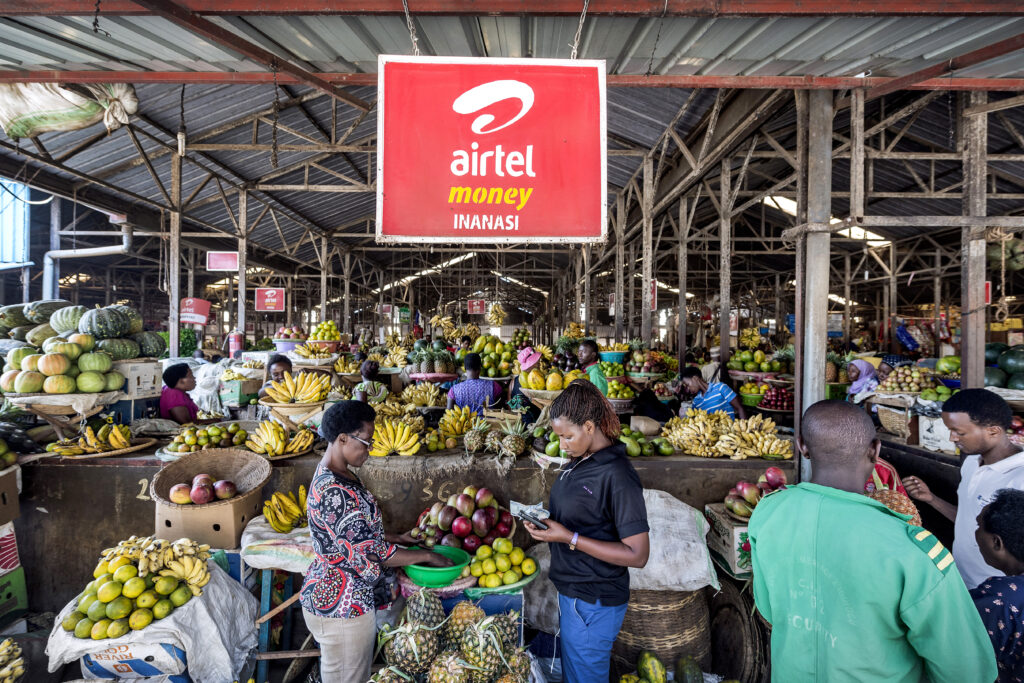
Support for the Domestication of the Kampala CAADP Declaration
This project provides technical, analytical, and capacity building support to enable African Union (AU) Member States and Regional Economic Communities (RECs) to domesticate the Kampala Declaration on Africa’s Food Systems Transformation and Resilience under the 2026–2035 Comprehensive Africa Agriculture Development Programme (CAADP) Strategy and Action Plan. Led by IFPRI in […]
-
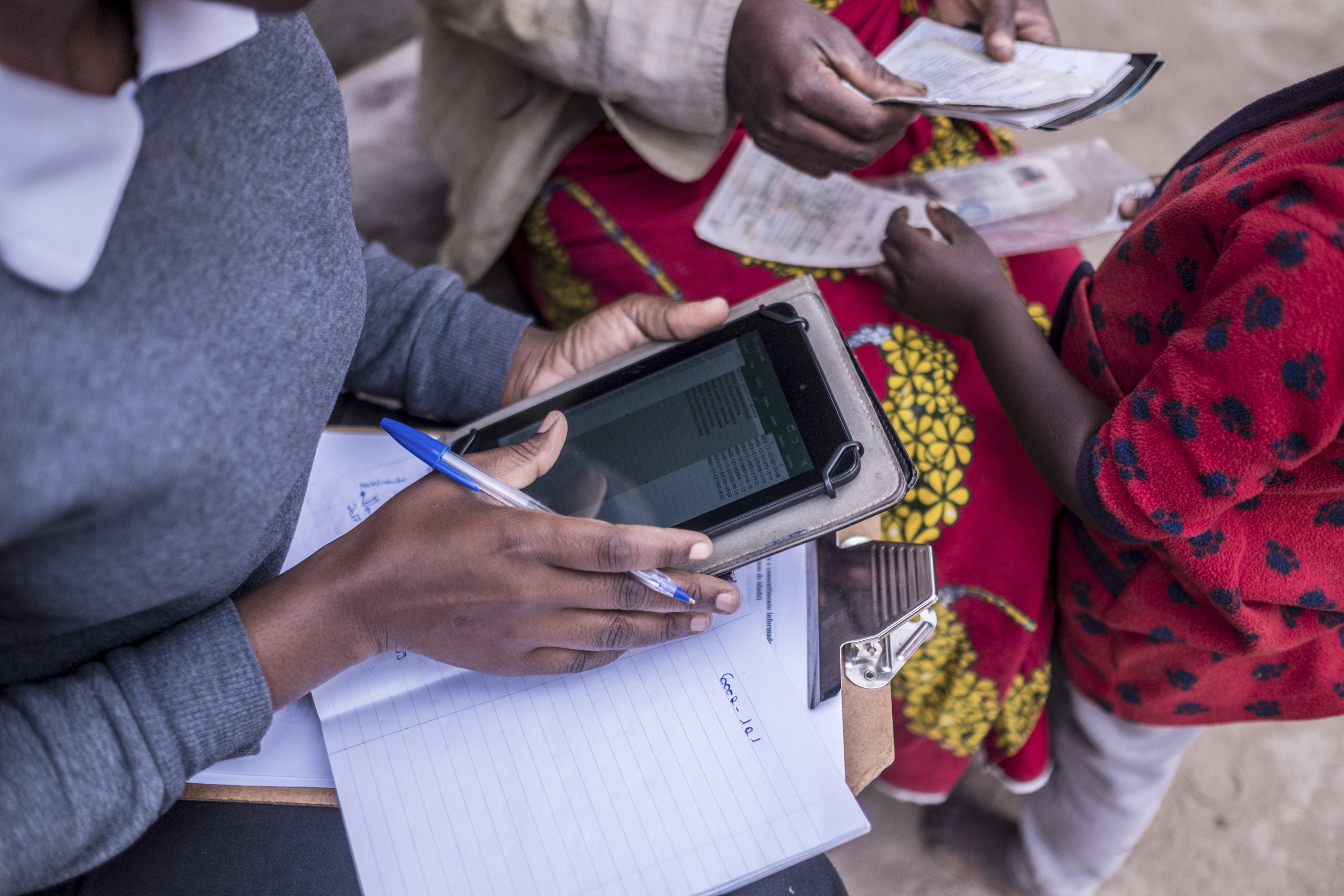
Supporting ReSAKSS and CAADP
From 2006 to 2020, IFPRI facilitated the Regional Strategic Analysis and Knowledge Support System (ReSAKSS) to support the implementation of the Comprehensive Africa Agriculture Development Programme (CAADP) by providing policy-relevant data, facilitating dialogue among stakeholders, monitoring progress in reviewing goals, and strengthening mutual accountability processes at continental, regional, and national […]
-

Tajikistan Evaluation and Analysis Activity
TEAA’s research activities are designed to provide analytical support to local and international partners, build related communities of practice, and share timely policy-relevant research results. The research agenda covers five major areas; 1) Agricultural Production and Productivity; 2) Markets, Value Chains and Trade; 3) Assessing Policy and Investment Priorities; 4) Livelihoods and Nutrition; 5) Increasing Resilience of Farming Systems Under Growing Climate Challenges
-
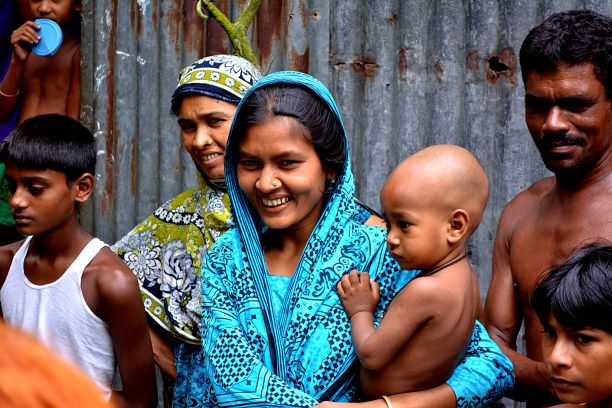
Targeting and Realigning Agriculture for Improved Nutrition (TRAIN)
Targeting and Realigning Agriculture for Improved Nutrition (TRAIN) is funded by the Bill and Melinda Gates Foundation and the Foreign, Commonwealth & Development Office (FCDO), and is being implemented by IFPRI and BRAC from 2015 through 2020 in Bangladesh. TRAIN’s objective is to address evidence gaps related to the effects […]
-
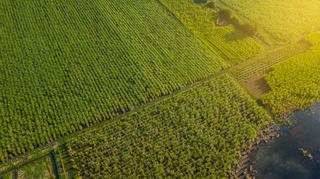
The Comprehensive Action for Climate Change Initiative (CACCI)
CACCI In partnership with local and regional organizations in Africa, Asia, and Latin America and the Caribbean, the Comprehensive Action for Climate Change Initiative (CACCI) will work with key stakeholders at country level to meet commitments under the Paris Agreement on Climate Change. It will support the design and implementation […]
-
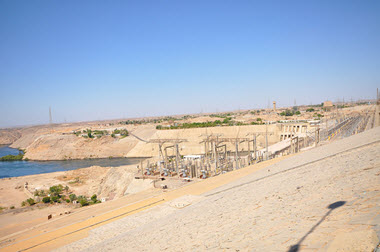
The Water Energy Food Nexus
Global, basin and local case studies of resource use efficiency under growing natural resource scarcity