



IFPRI Projects
For additional resources, refer to the quick links provided below.
Quick Links:
Filters
Found 134 Results
-
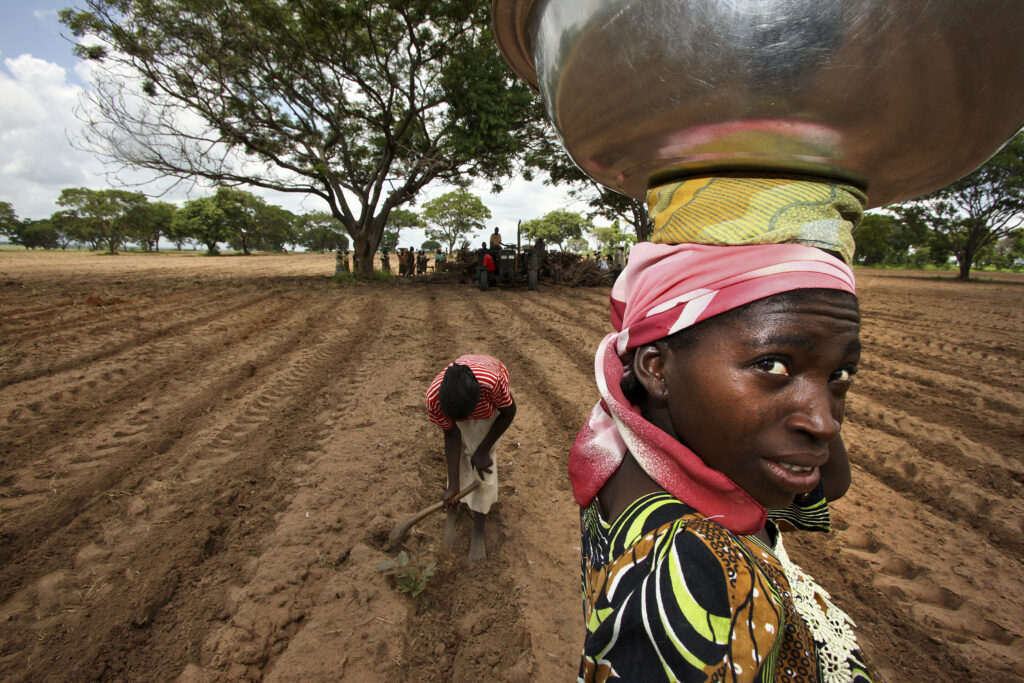
Soil Health and Gender
IFPRI’s Research Initiative on Closing the Gender and Youth Gap for Healthier Soils develops evidence on how empowering women and youth can improve soil health outcomes for better water, food, and nutrition security. Through a four-pronged approach, our work aims to inform and scale more inclusive and effective approaches to […]
-
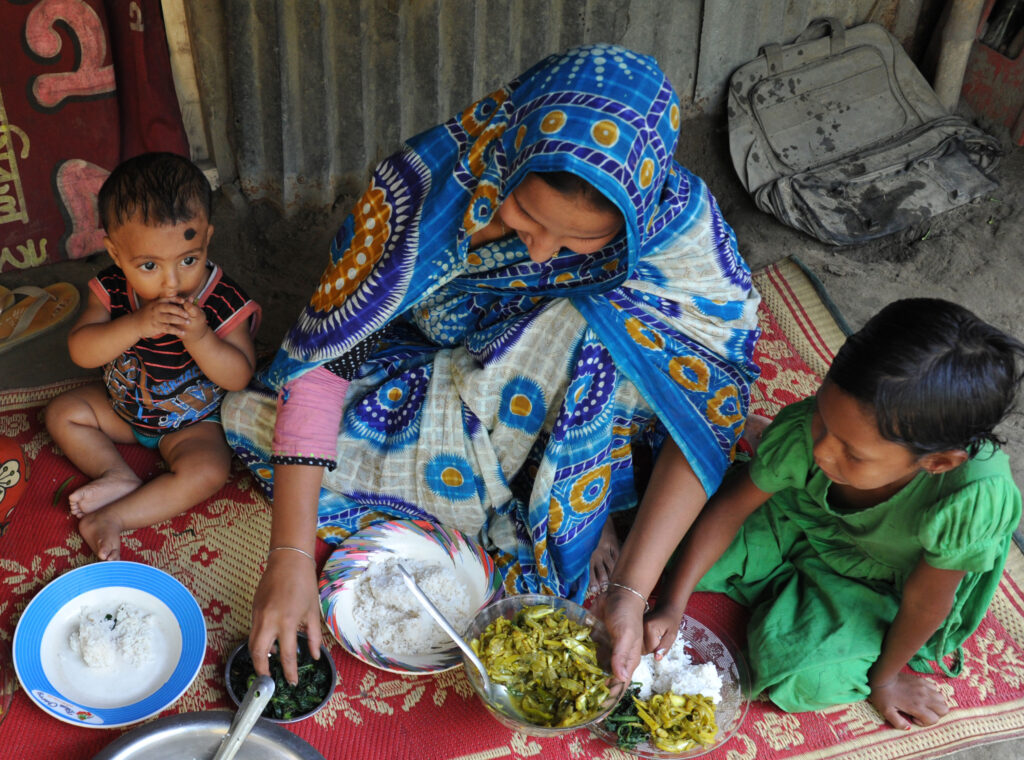
South Asia Nutrition Knowledge Initiative (SANI)
The South Asia Nutrition Knowledge Initiative (SANI), aims to bring data and evidence to policy and program communities for supporting decision-making for optimal nutrition for women and children. The focus areas include malnutrition across the life course, anemia, and healthy diets. The project activities will include secondary data analysis using […]
-
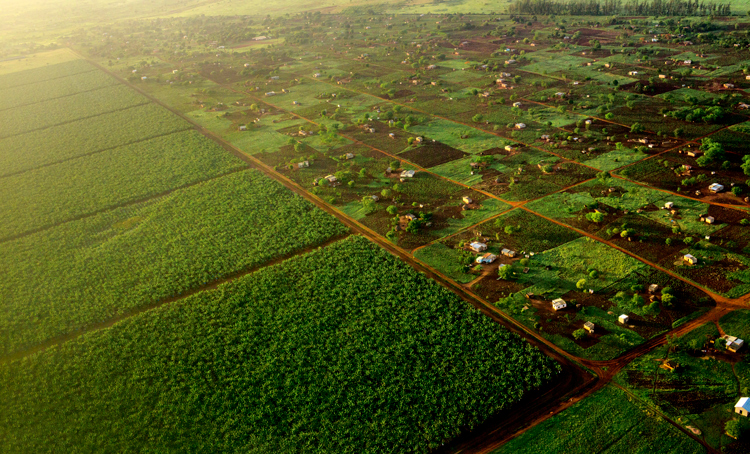
Southern Africa-Towards Inclusive Economic Development (SA-TIED)
Focuses on the nexus of climate change, infrastructure, migration, agriculture, trade, and energy.
-
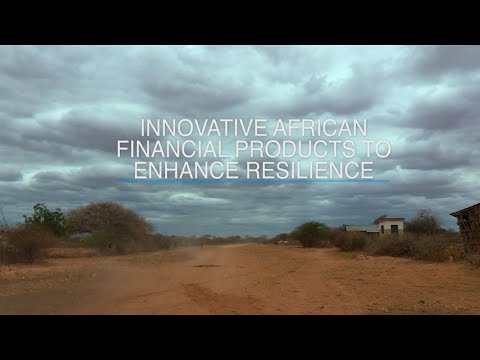
Spatial Data and Analytics (SDA)
Research focuses on the new opportunities arising from recent developments in big data, remote sensing, artificial intelligence to support enhanced monitoring, measurement and management of farming systems for more sustainable food production.
-
Spatial Typologies for Targeted Food and Nutrition Security Interventions
Developing and applying a comprehensive typology for the design and implementation of spatially targeted food and nutrition security (FNS) interventions
-

Statistics from Space
In Mozambique the unreliable and untimely agricultural production data are both a symptom and a cause of relatively low agricultural investment and development in recent decades. In assessing the government’s progress of implementing the National Agricultural Investment Plan (NAIP; referred to in Mozambique as the Plano Nacional de Investimento do […]
-
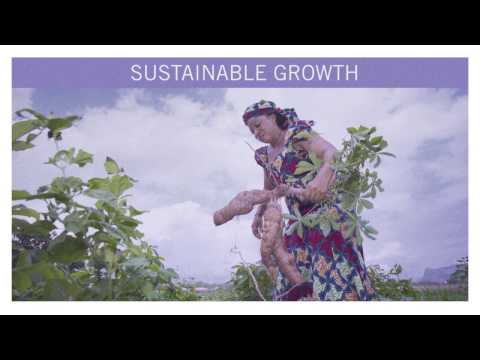
Statistics on Public Expenditures for Economic Development
Public expenditure is a powerful instrument for governments to use in achieving sustainable growth, poverty reduction, and transformation. Understanding the linkages between different types of public expenditure and development can help governments to better allocate their resources in a manner consistent with their policy objectives and citizens’ needs and priorities. […]
-
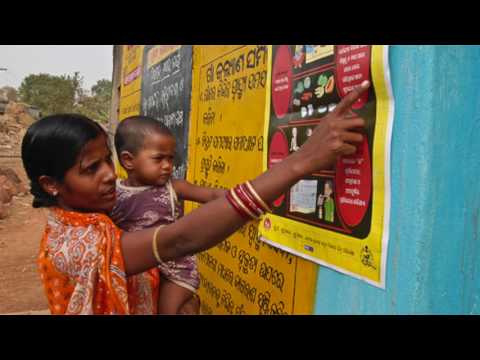
Stories of Change in Nutrition
Seeking to capture and support experiential learning on addressing undernutrition, Stories of Change uses case studies to examine drivers and pathways of change in countries that have achieved significant success in driving down rates of child stunting.
-
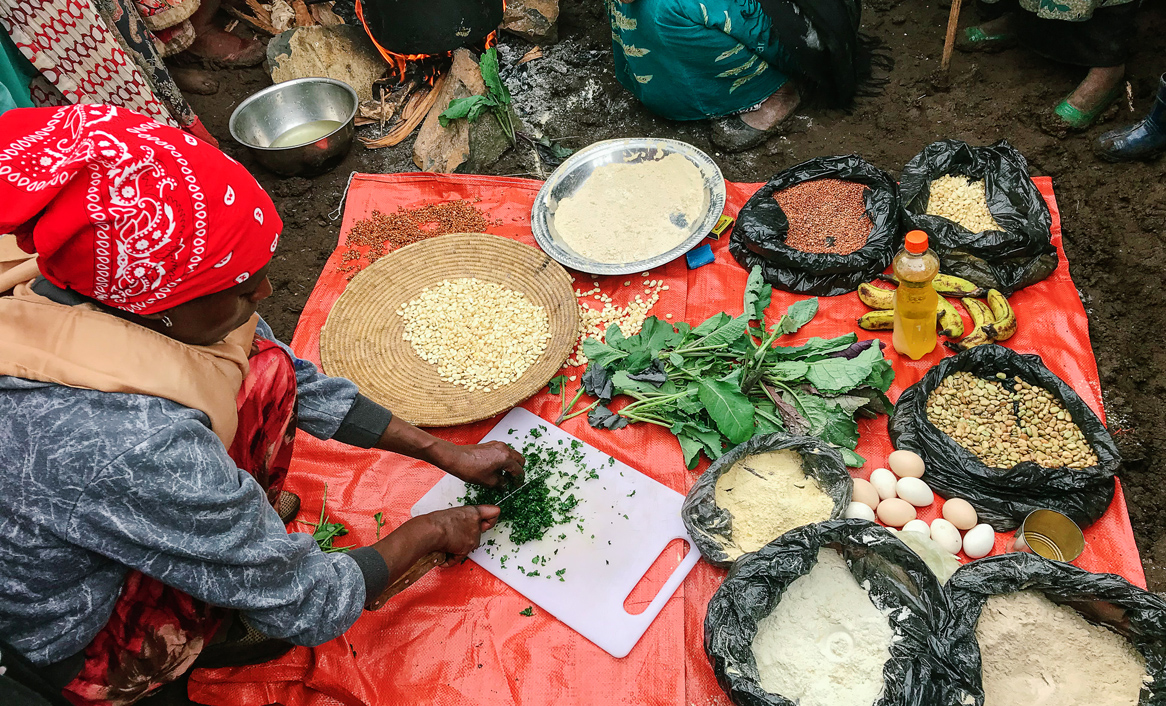
Strengthen PSNP Institutions and Resilience, Ethiopia
USAID’s Bureau for Humanitarian Assistance supports the Government of Ethiopia to deliver the Productive Safety Net Programme (PSNP), a social protection program established in 2005 that targets the poorest households in Ethiopia with the provision of cash or food in exchange for labor on public works projects or as free […]
-
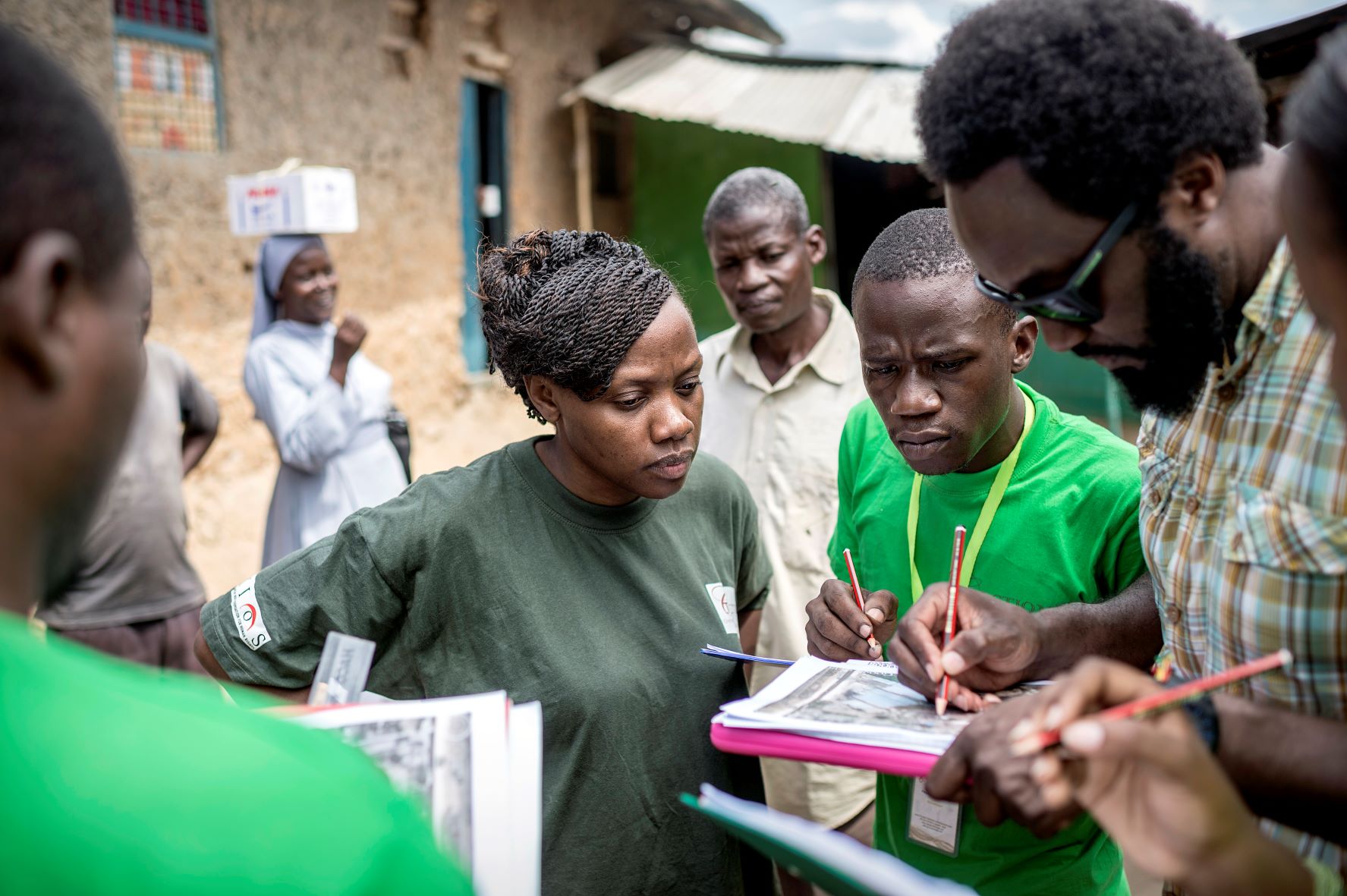
Strengthening CAADP Biennial Review (BR)
The Comprehensive Africa Agricultural Development Programme (CAADP) Biennial Review (BR) is a powerful instrument for triggering policy actions for agricultural transformation in Africa. It is a reporting exercise established by the African Heads of State and Government under the 2014 Malabo Declaration on accelerated agricultural growth and transformation for shared […]