



Search IFPRI web
Filters
Found 7475 Results
-
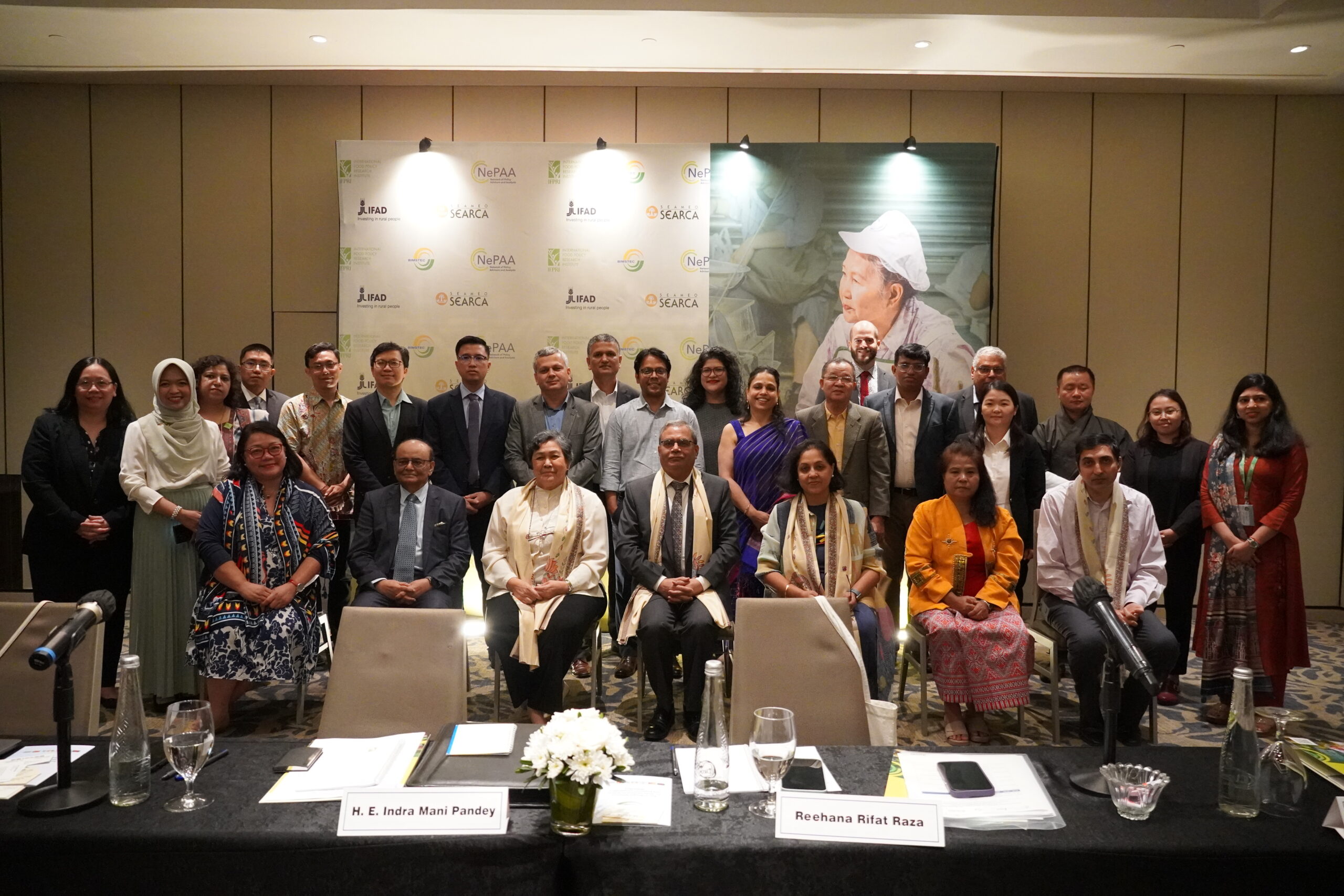
ASEAN and BIMSTEC experts convene in Jakarta for regional policy roundtable on agricultural transformation and market integration
August 04, 2025
The event formally launched a new regional initiative, Ensuring Inclusiveness, Sustainability, and Efficiency of Food System Transformation in the ASEAN and BIMSTEC countries.
-
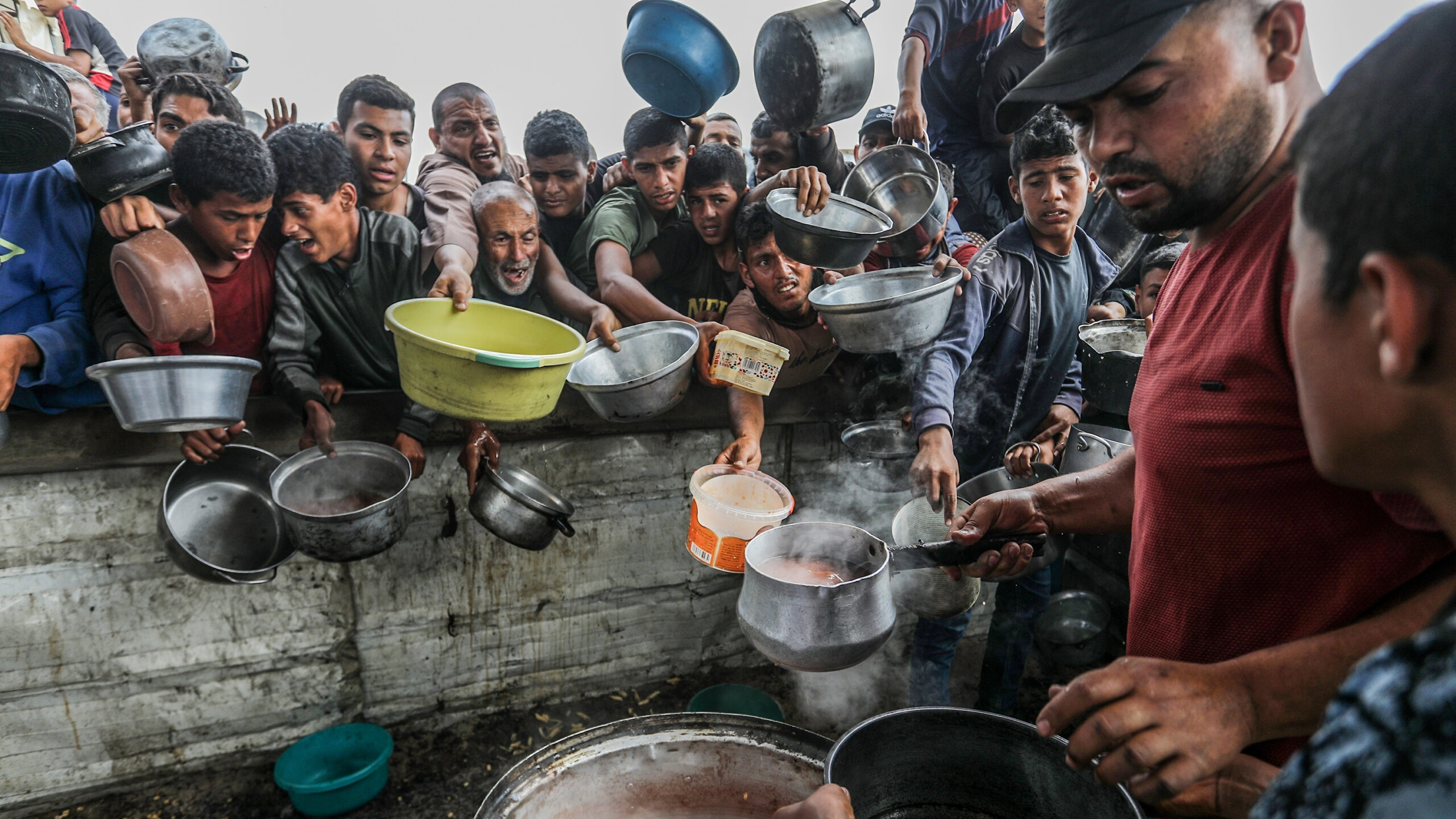
The struggle to get food aid from Egypt to Gaza: Insights from the Egyptian Food Bank
With famine looming, deliveries face a gauntlet of obstacles.
-
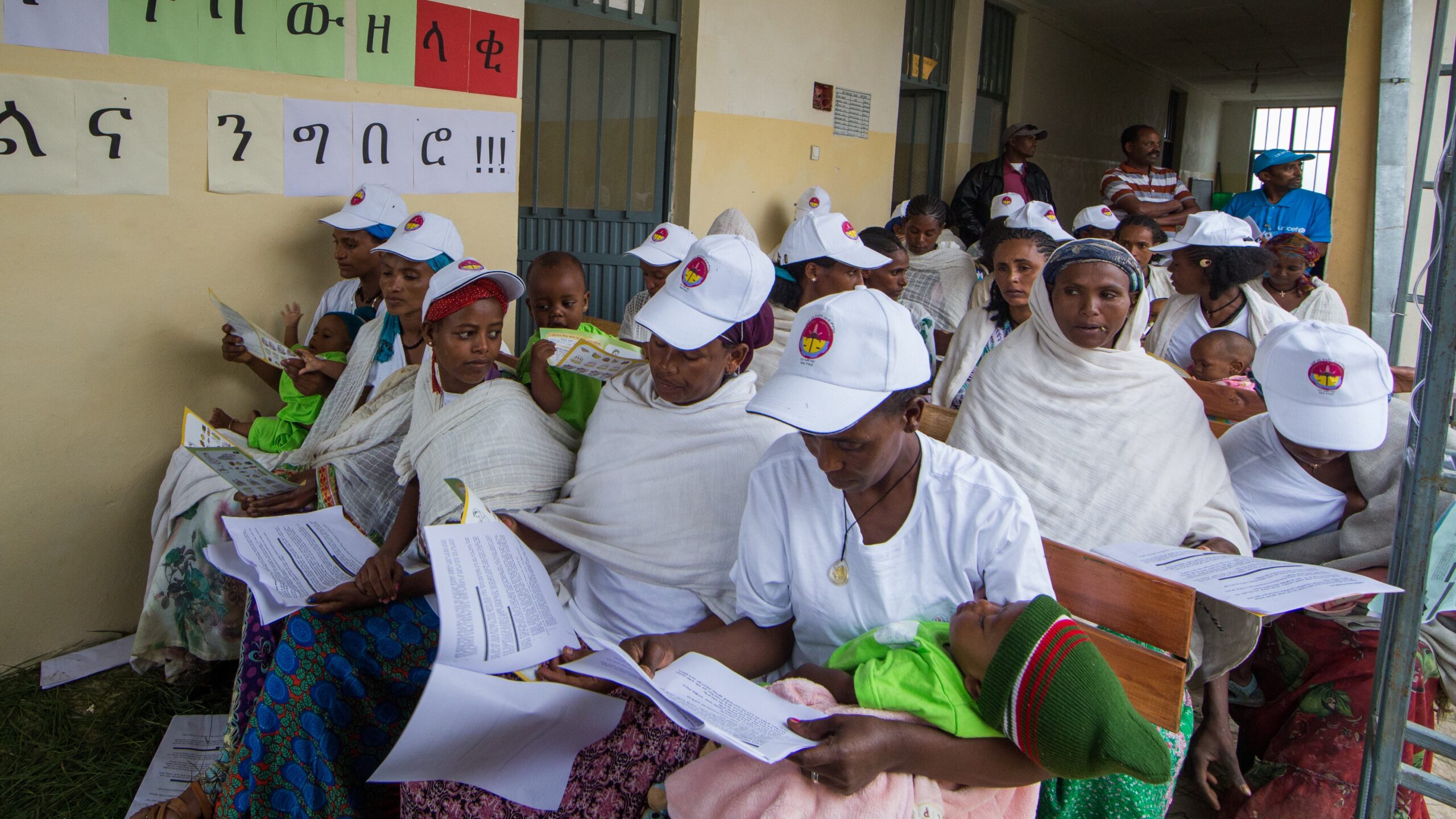
World Breastfeeding Week: Research shows the vital importance of support for mothers and infants
Insights from IFPRI research.
-
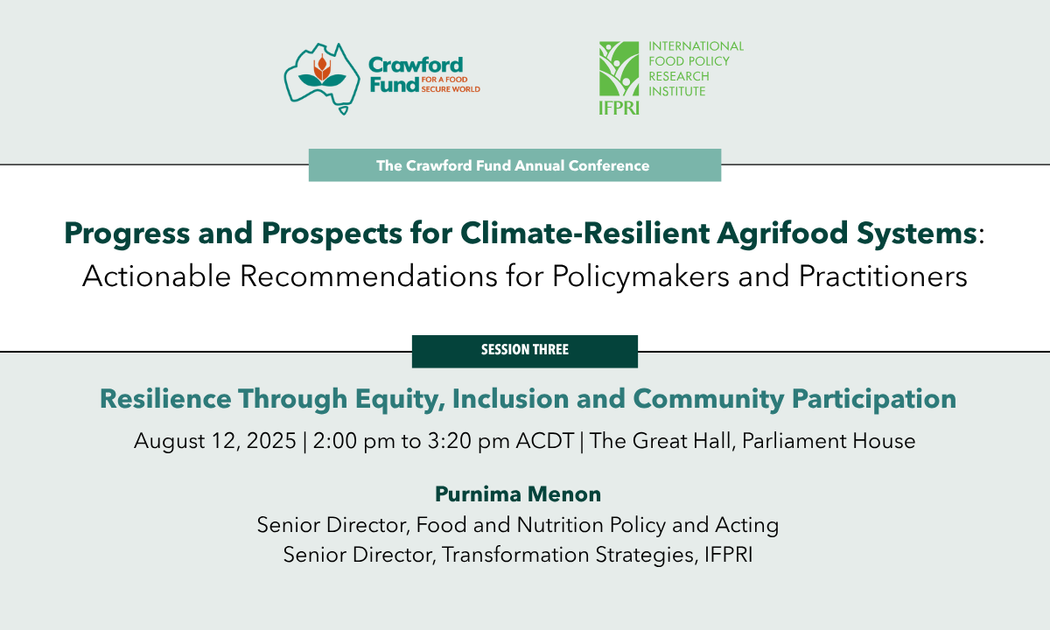
The Crawford Fund Annual Conference
This year’s Conference’s theme, Progress and Prospects for Climate-Resilient Agrifood Systems: Actionable Recommendations for Policymakers and Practitioners, captures the urgency and complexity of transforming agrifood systems in response to climate change. Addressing the trade-offs between food production and net-zero targets, pursuing sustainable intensification, and promoting inclusivity are essential for building resilient and equitable agrifood systems. These themes […]
-
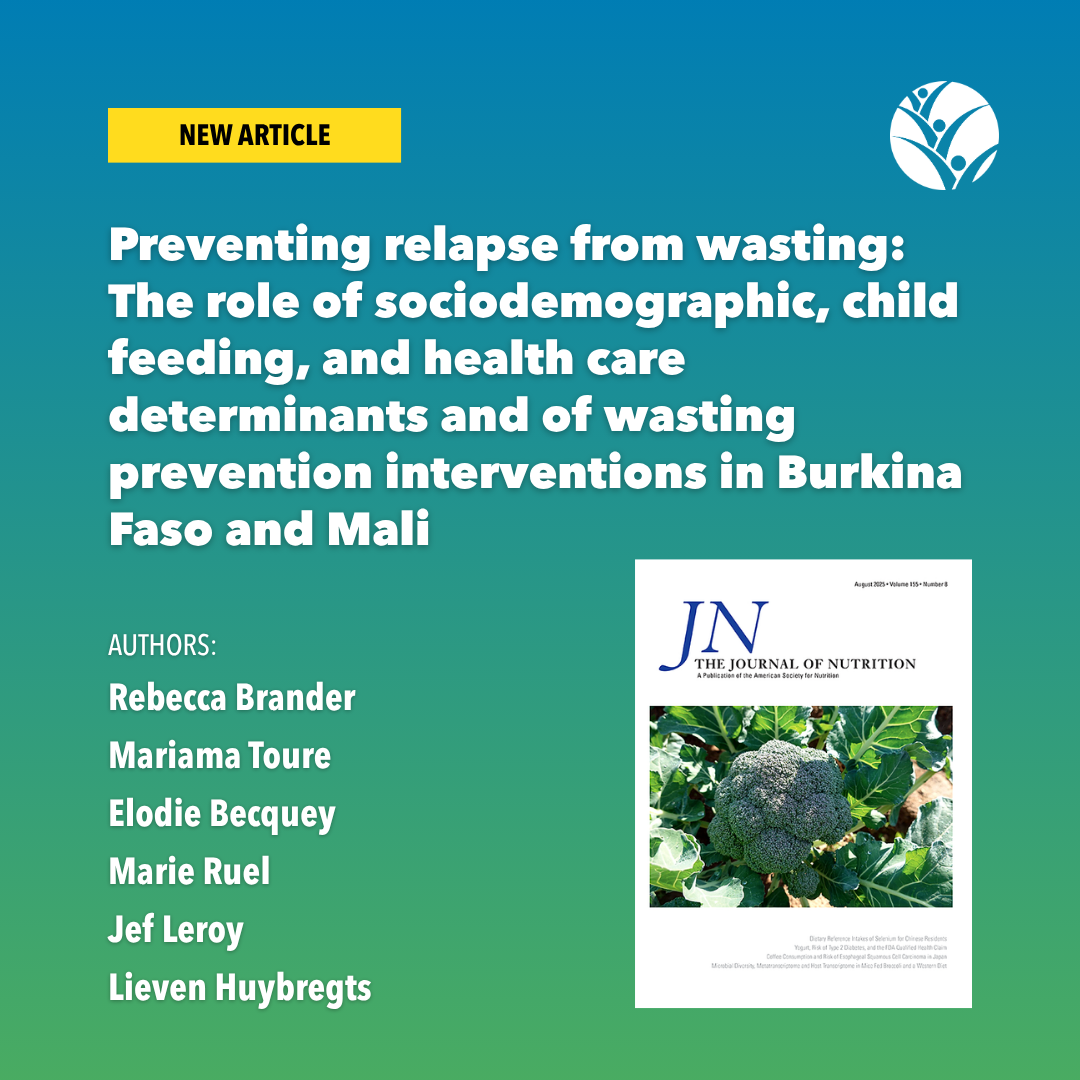
New study finds behavior change communication and nutrition supplements can help prevent relapse from child wasting
July 31, 2025
The study, published in The Journal of Nutrition, used longitudinal data from two cluster-randomized trials in Burkina Faso and Mali, the PROMIS project.
-
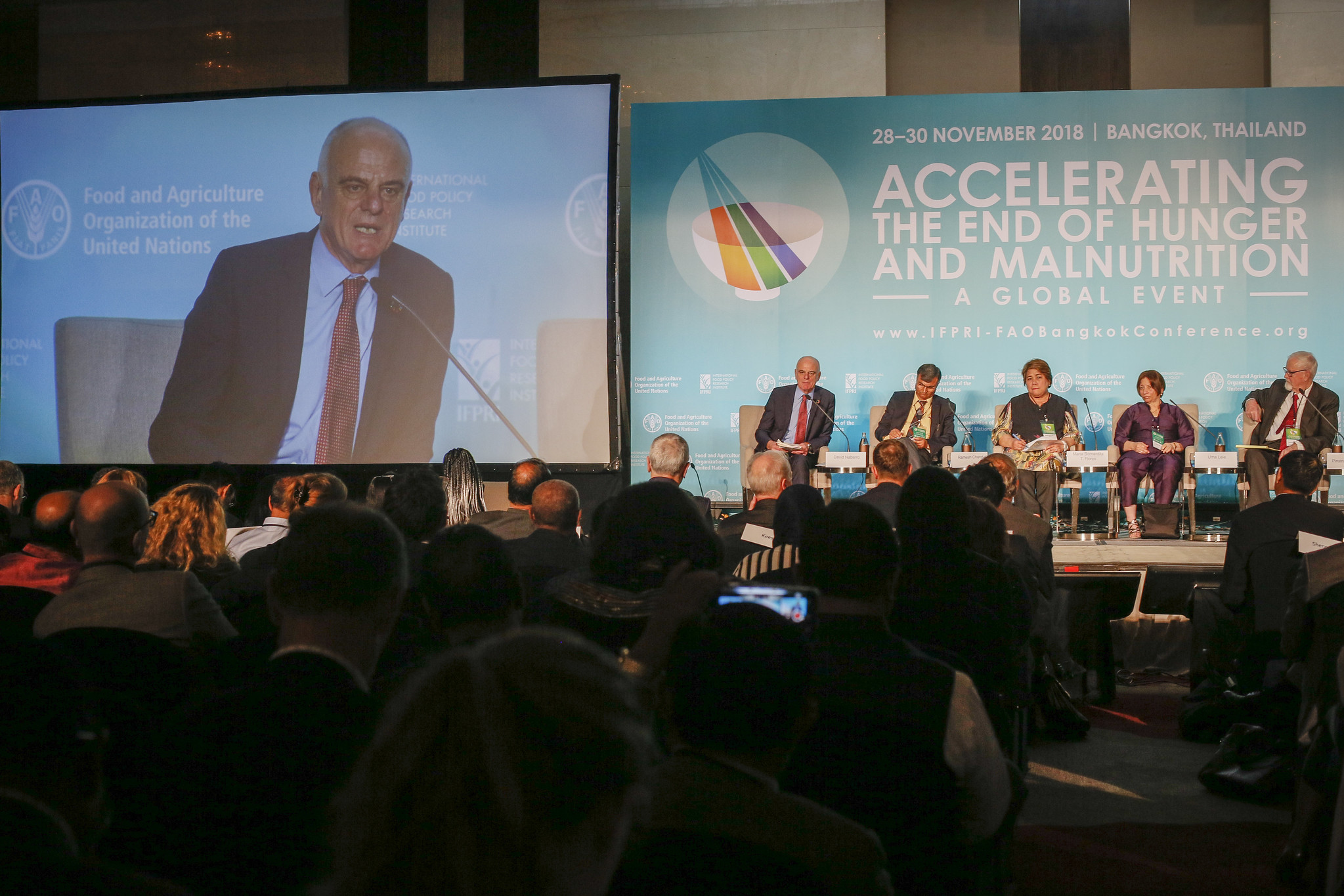
In Memoriam: Sir David Nabarro
July 28, 2025
It is with deep sadness that we share news of the passing of Sir David Nabarro, 2018 World Food Prize laureate and tireless global health advocate. David dedicated his life to advancing health and nutrition for all, with an unwavering focus on reaching the most vulnerable.
-
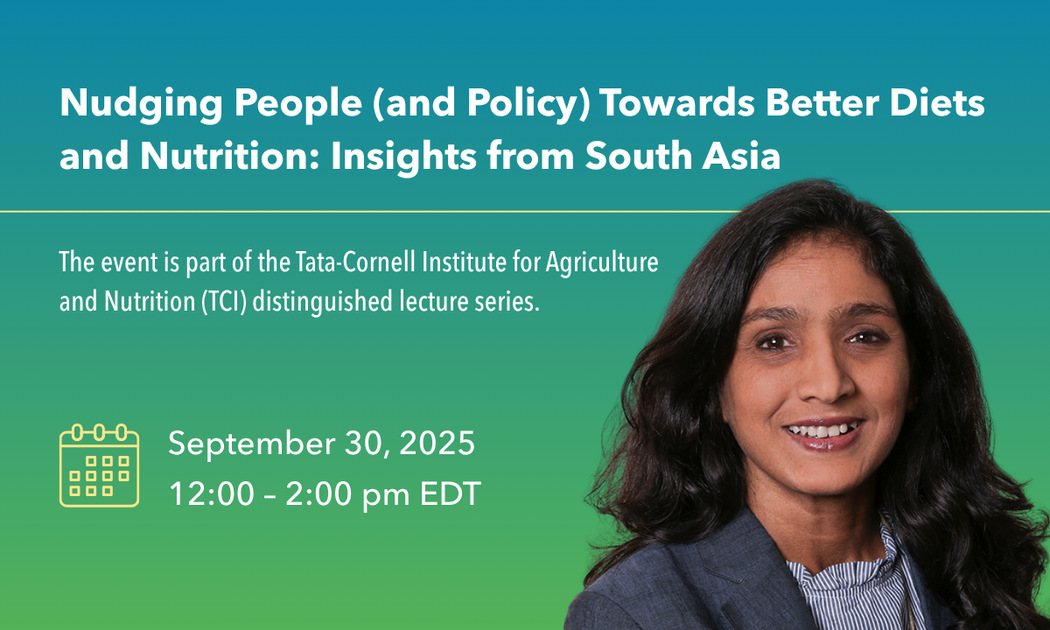
Nudging People (and Policy) Towards Better Diets and Nutrition: Insights from South Asia
Purnima Menon is the senior director for food and nutrition policy at the International Food Policy Research Institute (IFPRI). She is also the acting director for transformative strategies. Menon has wide-ranging research experience in evaluating large-scale programs in nutrition, health systems, agriculture, gender, technology and food systems. She has authored more than 200 peer-reviewed publications, including […]
-
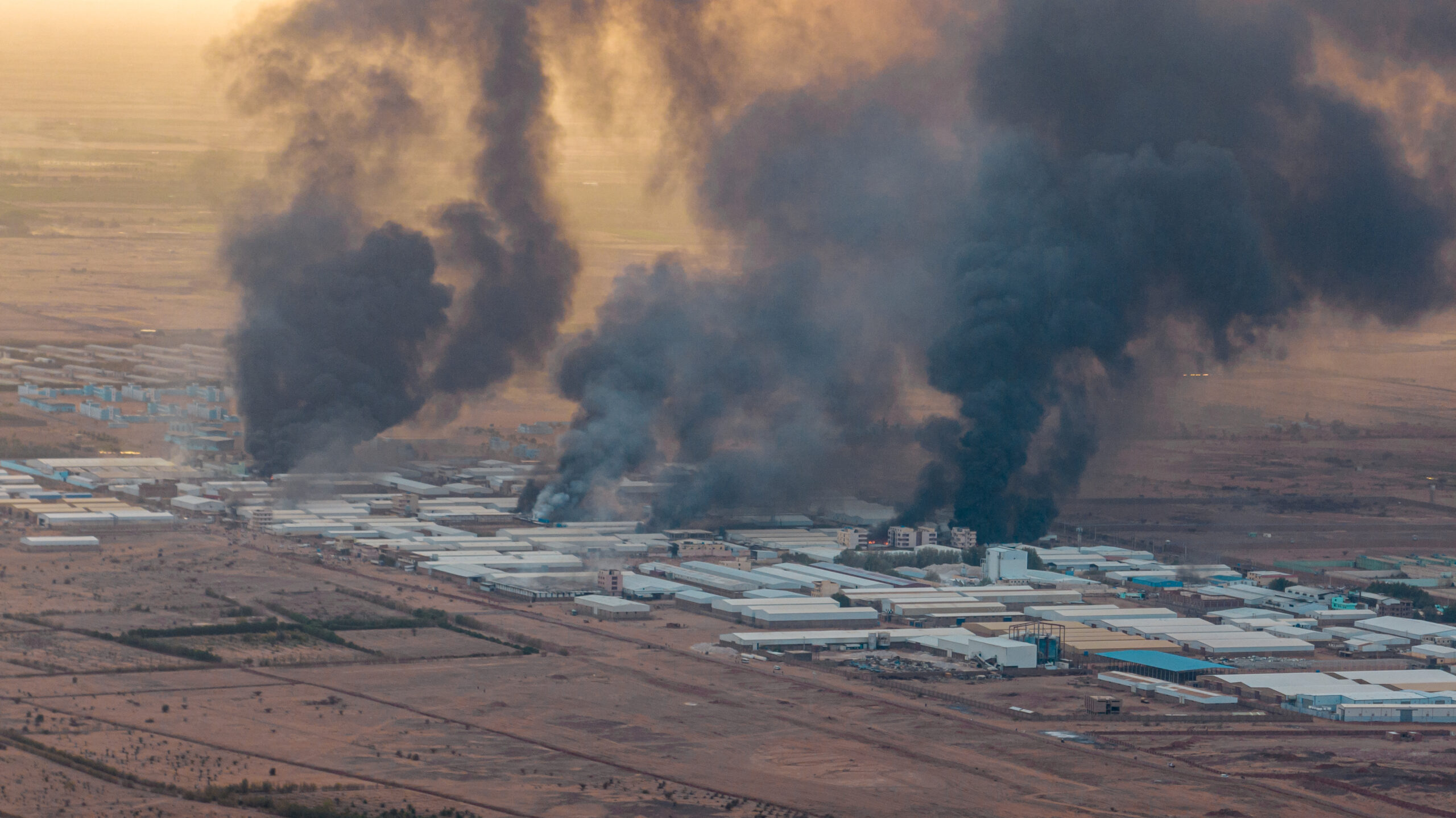
Sudan’s war is an economic disaster: Here’s how bad it could get
Widespread job losses and rising poverty.
-
What do we know about the future of food systems?
Challenges and opportunities for transformation.
-
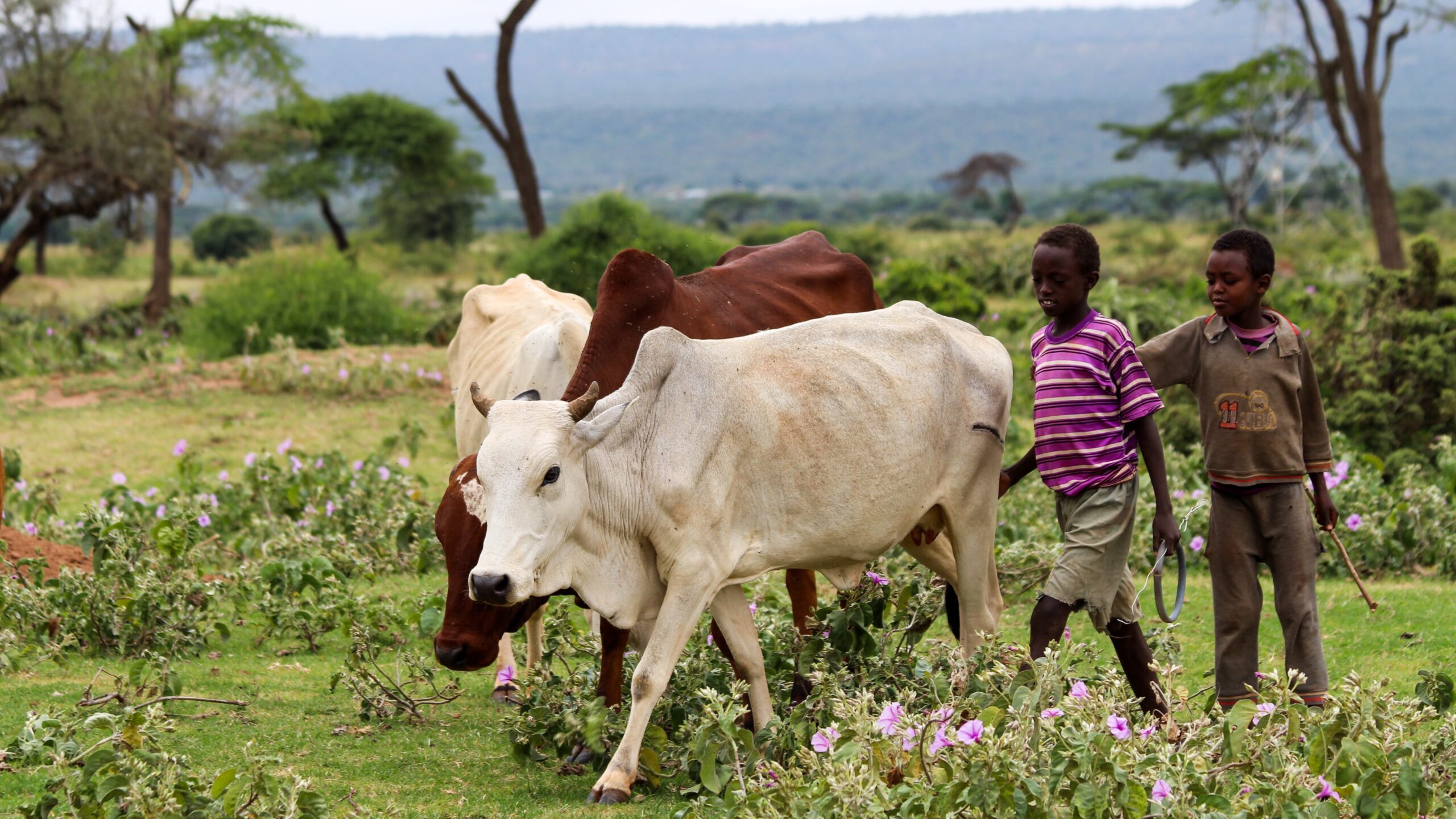
How good are livestock statistics in Africa? Evidence from Ethiopia
Typical survey methods significantly undercount the actual numbers.
-
What Do We Know About the Future of Food Systems?
Table of contents Note: You can also order a printed copy of the book from Amazon here. Blogs Events
-
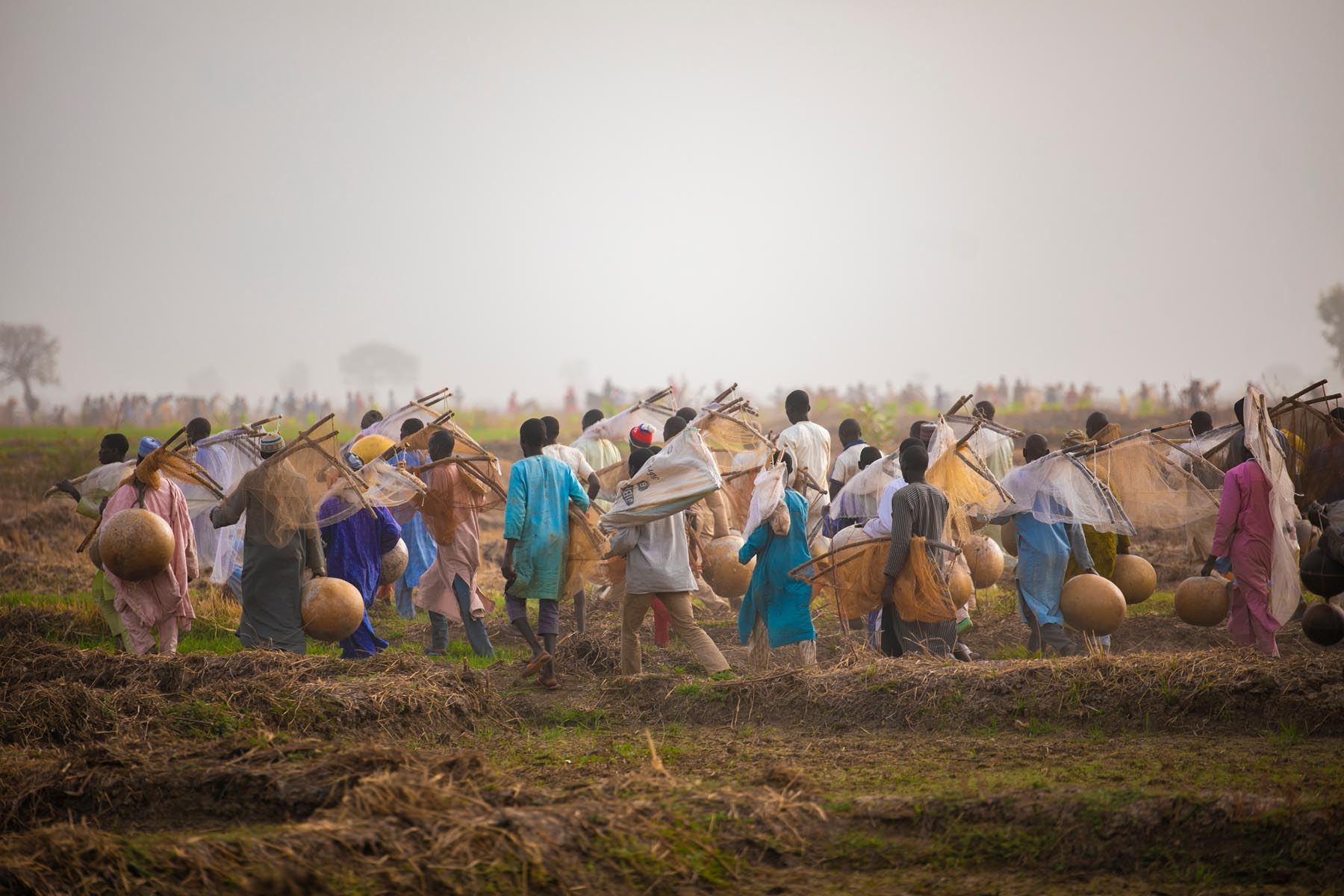
Protected: IFPRI Book Landing
There is no excerpt because this is a protected post.
-
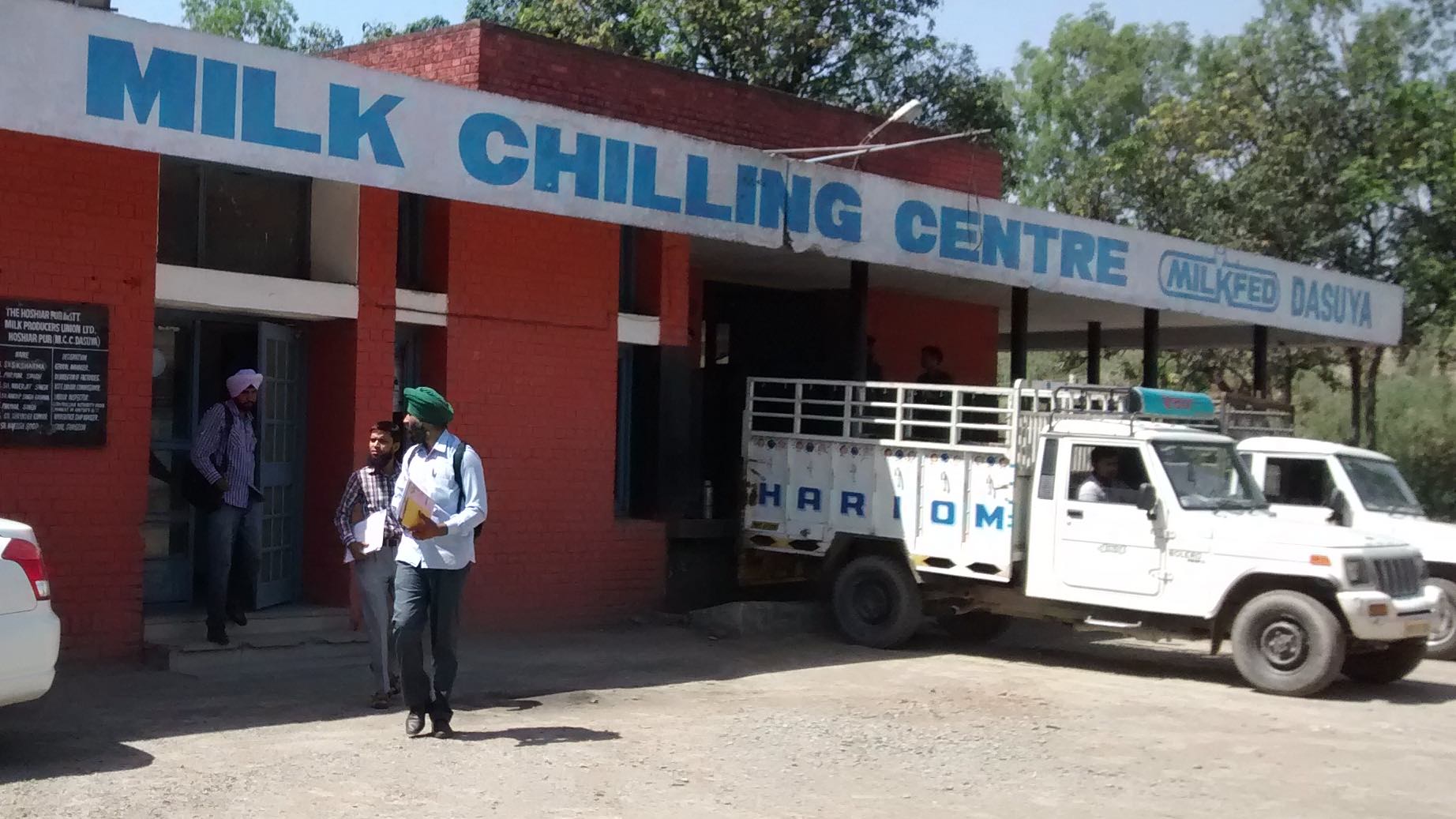
Agrifood value chain finance can expand opportunities for smallholders
Building relationships between farmers, buyers, and lenders.
-

What Do We Know About the Future of Food Systems?
Co-organized by IFPRI and the CGIAR
Food systems have achieved remarkable progress in recent decades, but moving forward, they will face significant challenges in delivering the many outputs and services—such as poverty alleviation, nutrition and health, livelihoods, and environmental sustainability—we expect and need. By combining sophisticated analysis and close engagement with stakeholders, we can identify and explore the likely impacts of […]
-
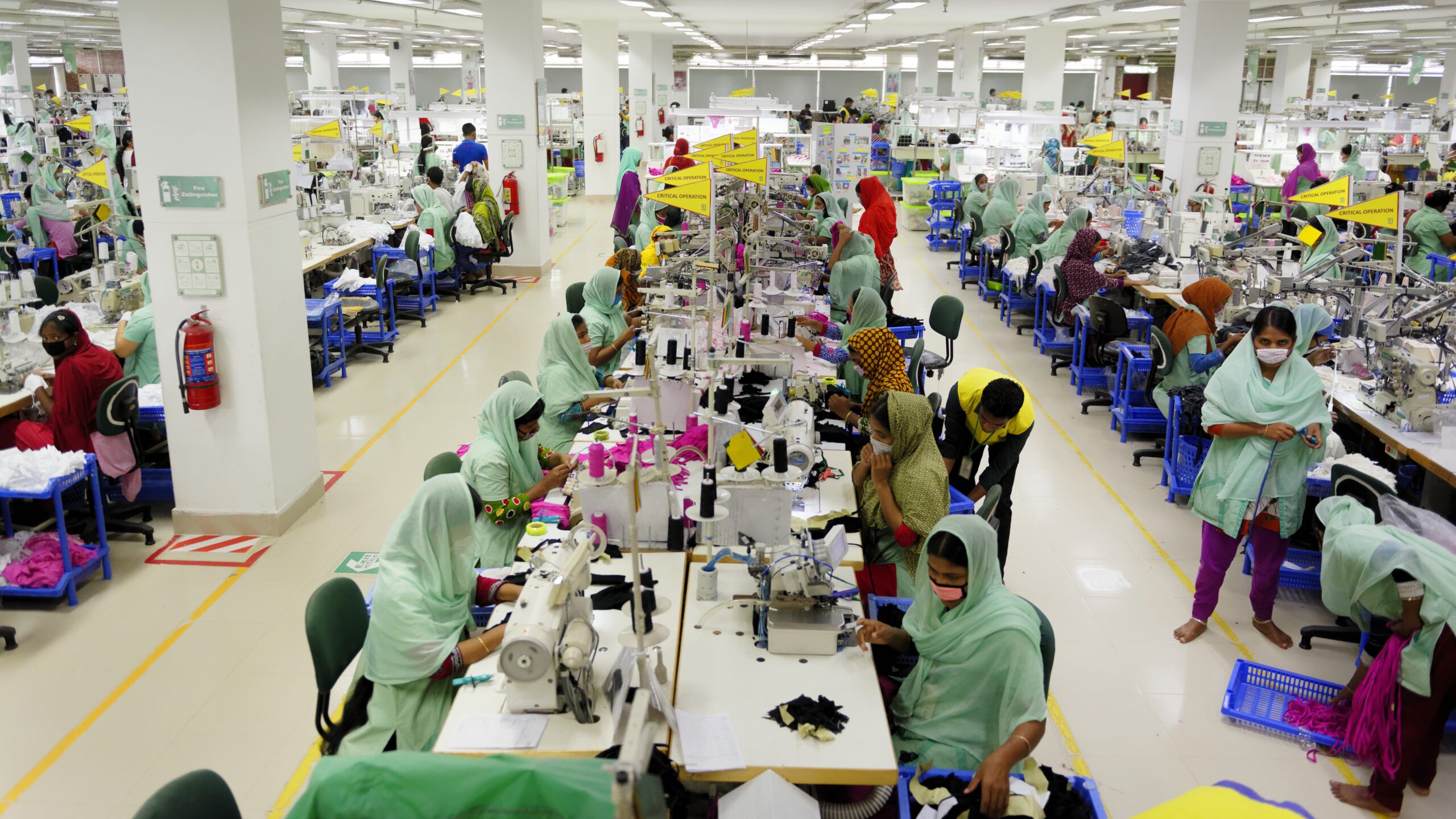
Proposed U.S. ‘reciprocal’ tariffs vary widely by product
High-volume imports such as clothing hit harder than agrifood products.
-
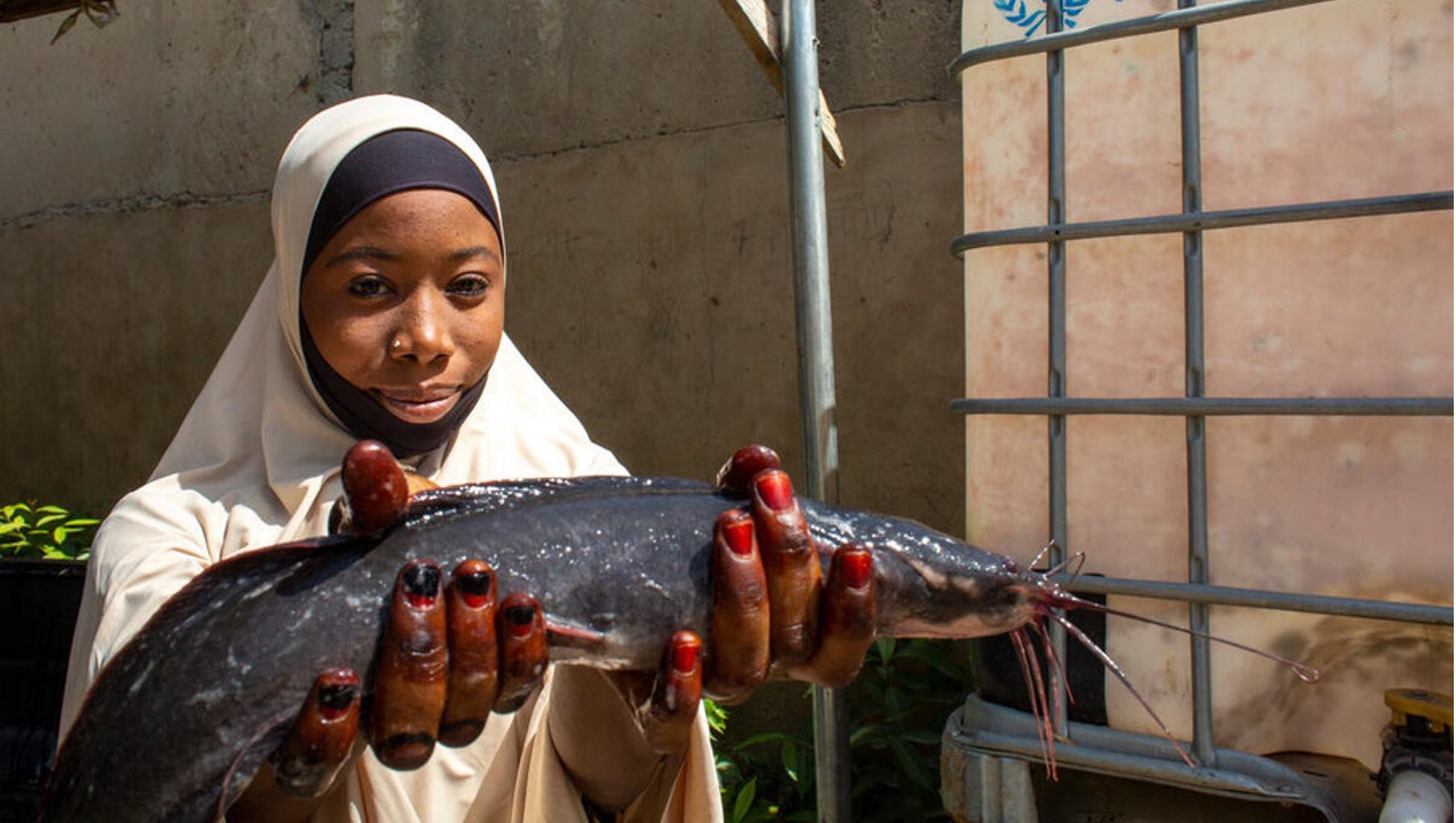
Northern Nigeria’s hunger crisis: Transforming food aid to rebuild food systems
Leveraging assistance to build resilience.