




Search IFPRI web
Filters
Found 7462 Results
-

A new global food system for achieving the Sustainable Development Goals
The Sustainable Development Goals are charting a path towards meeting current needs without compromising the ability of future generations to meet their own needs.
-
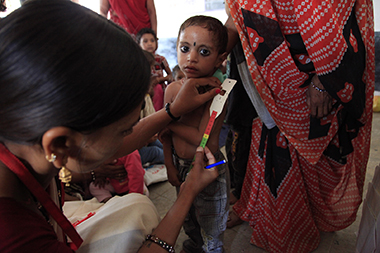
Stop stunting in South Asia
Globally, 25% of children under 5 are stunted. In South Asia, the burden increases to 38% of children under 5, which is about 40% of the global burden of stunting. Why is South Asia home to the largest number of stunted children worldwide?
-
Can cash transfers prevent intimate partner violence?
Research highlights from the CGIAR Research Program on Policies, Institutions, and Markets (PIM) on violence against women.
-

Going the Last Mile: Accelerating Progress in Food Security and Nutrition
Organized by IFPRI; ACP-EU Technical Centre for Agricultural and Rural Cooperation (CTA); Directorate General for International Cooperation and Development, European Commission (EC); HarvestPlus; Joint Research Centre of the EC (JRC)
The International Food Policy Research Institute (IFPRI), ACP-EU Technical Centre for Agricultural and Rural Cooperation (CTA), the Directorate General for International Cooperation and Development of the European Commission (EC), HarvestPlus, and the EC’s Joint Research Centre (JRC) will co-host an all-day workshop on “Going the Last Mile: Accelerating Progress in Food Security and Nutrition.” The […]
-
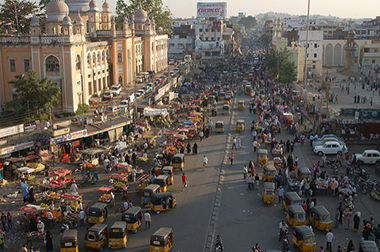
Growing food for growing cities
The world’s urban population is growing rapidly. According to a new publication from The Chicago Council on Global Affairs, more people live in urban areas than rural areas today, and by 2060, 66 percent of the world’s population will live in cities. This growth is particularly obvious in developing regions. Africa’s urban population is projected […]
-
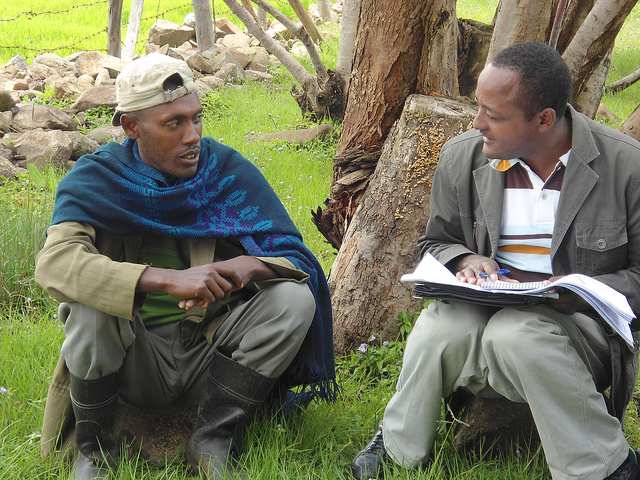
Five comparable country datasets for Africa RISING now available
As populations and incomes in developing countries grow, so does demand for food. To meet growing demand, agricultural production must increase. Yet, with increasingly scarce land, enhancing agricultural production requires intensifying production to obtain greater output from existing cultivated area. As agricultural intensification can have negative effects on the environment and diminish land productivity, agronomists […]
-
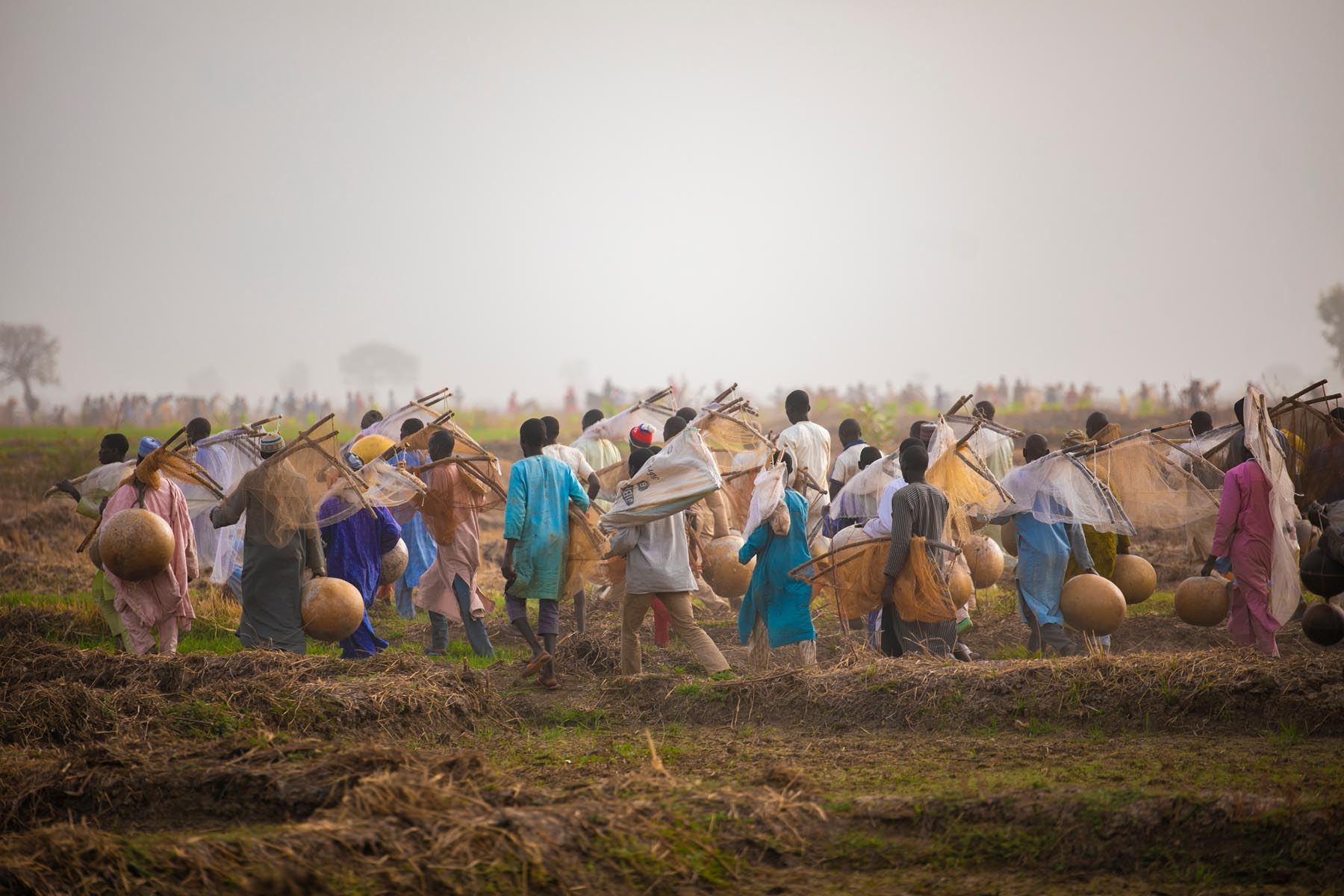
Why Is the Middle East Hungry? Blame Armed Conflict.
May 10, 2016
Armed conflict jeopardizes food availability, and such food insecurity can lead to more conflict Despite regional setbacks, Egypt is a bright spot for implementing long-term sustainable solutions May 10, 2016, Cairo, Egypt—Armed conflict and the Arab revolutions that began in 2010 caused massive displacement and migration, thus halting and, in some cases, reversing the progress […]
-
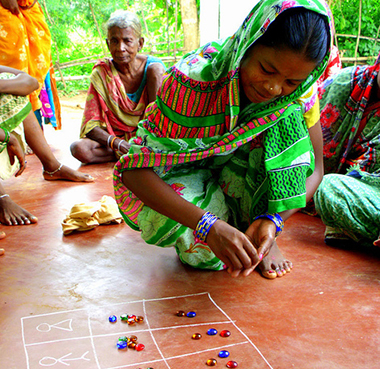
Assets: Key to Prosperity
IFPRI Senior Research Fellow summarizes key findings from the first phase of the Gender, Agriculture, and Assets Project and their implications for agricultural research and development.
-
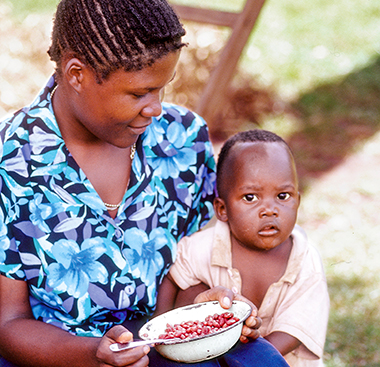
Mother knows best: Providing nutritious meals with biofortified crops
Every mother knows what is best for her child—especially when it comes to putting the most nutritious food on the table. At HarvestPlus, we are working hard to help mothers around the world feed their children the most nutritious food possible through biofortified crops enriched with vitamin A, zinc, and iron. On Mother’s Day, we […]
-

Sustainable Agricultural Growth in Nepal: Challenges, Opportunities and Options
Organized by International Food Policy Research Institute (IFPRI), Nepal Economic Association (NEA) and Institute for Integrated Development Studies (IIDS)
This conference is being organized to address the challenges and explore possible options for sustainable and accelerated agriculture growth.
-

Pulses for Sustainable Agriculture and Human Health
Organized by International Food Policy Research Institute (IFPRI), National Academy of Agricultural Sciences (NAAS), TCi of Cornell University (TCi-CU) and Agriculture Today
Global demand for pulses is rapidly increasing. For South Asia region, pulses are traditionally important food commodities and sources of protein.
-

ASTI launches new data, report, and website for Latin America and the Caribbean
Agricultural Science and Technology Indicators (ASTI) program officially launched its new agricultural research and development indicators for Latin America and the Caribbean.
-

Cairo Launch of IFPRI’s 2016 Global Food Policy Report
Speaker: Panelists: Moderator: 2016 Global Food Policy Report reviews major trends, events, and changes affecting food security and nutrition in 2015 and beyond. The year 2015 was a watershed moment for the international development community. The endpoint of the Millennium Development Goals highlighted the striking advances made since 1990: extreme poverty, child mortality, and hunger all […]
-
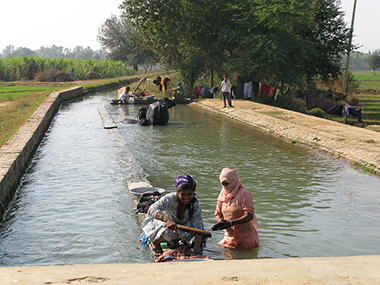
Investigating gender dynamics in irrigation
More than 150 participants gathered at a series of workshops in Ethiopia, Ghana, and Tanzania to discuss how to improve gender parity in irrigation, focusing on identifying key guiding questions for policy makers and practitioners.
-
Delivering seeds of change to smallholder farmers
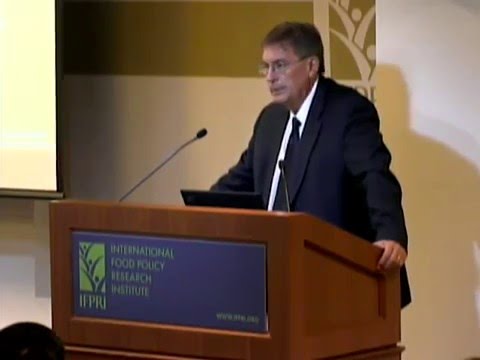
Improved seeds and traits are central to many developing countries’ national strategies for agricultural development and economic growth.
-

Countries in Latin America and the Caribbean “Well Placed” to Feed Growing Global Population Due to Increased Investment in Agricultural Research
April 27, 2016
Brazil, the world’s second-largest provider of food, accounts for more than half of agriculture R&D spending in the region, with Argentina and Mexico completing the top three Central American countries, Caribbean island nations, and poorer Andean countries are lagging behind due to inadequate levels of investment and human capacity April 27, 2016, Washington, D.C.—New data show […]
-
New book unravels causes, consequences, and implications of food price volatility
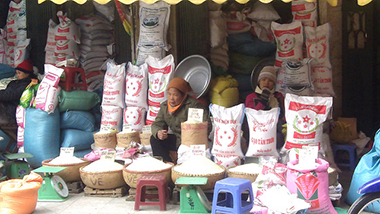
Food price volatility and extreme price shocks have serious implications for politics, agriculture, climate, and food and nutrition security, according to a new book published by ZEF and IFPRI.
-
April 23: A Shameful Milestone in Food Waste
April 23, 2016
If food were produced evenly throughout the year, not one bite produced since New Year’s Day would make it to Americans’ mouths due to excessive food loss and waste April 23, 2016, Washington, D.C.—Today marks a disappointing milestone for the American diet: With 31 percent of the year behind us, we have reached the calendar equivalent […]
-
Healthy soils for global sustainable development
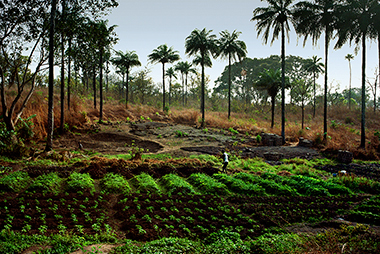
It takes millennia to develop fertile soils, but according to authors of a chapter on soils in the 2016 GFPR, we are losing 75 billion tons of soil globally each year, with impacts that not only hurt poor farmers, but extend well beyond the farm.
-
Food security and nutrition in the 2016 globalized economy
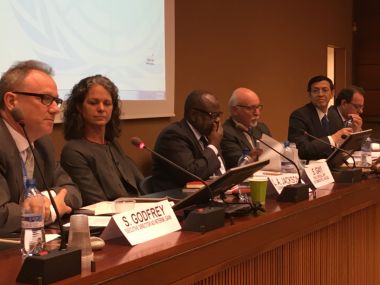
Guest post by Ricardo Meléndez-Ortiz, co-founder and Chief Executive at the ICTSD.