




Search IFPRI web
Filters
Found 7462 Results
-
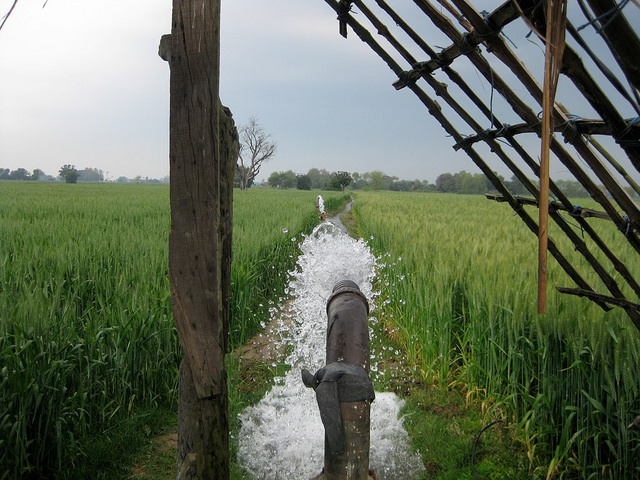
Leveling with friends
Technology can serve as a catalyst in agriculture, shifting farmers from subsistence to profit, and spurring dramatic quality of life improvements for the rural poor in many developing countries. New technologies can also help farmers contend with the mounting challenges to food security brought about by a changing climate. The million dollar question is how […]
-
Connecting the Dots
www.arabspatial.org Improving food security and enhancing economic development in developing countries requires a multifaceted approach—and that includes access to reliable data. In the swiftly changing Middle East and North Africa (MENA) region, up-to-date information is particularly crucial for policymakers to make accurate assessments of poverty, food and nutrition security, and other development indicators. In early […]
-
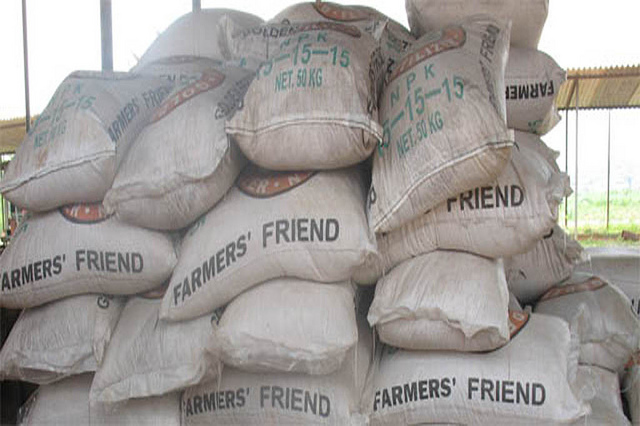
From subsidies to Direct Cash Transfers for fertilizer purchase in India
The following story was originally published on IFPRI’s Food Security Portal. Fertilizer use in India has exploded since the government began a subsidization program in the 1970s. National fertilizer consumption rates increased by 50% during the 1990s. But research has shown that the effectiveness of these inputs has actually declined – on average, 8 kilograms […]
-
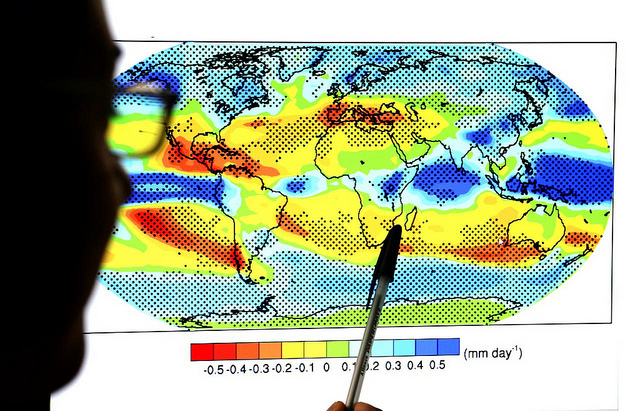
Merging models to compare food security impacts of climate change
Much is still uncertain about the potential effects of climate change on agriculture, leading to widespread uncertainty surrounding the future of global food security. Leaving hunger to chance is not a plan anyone embraces, but how can people prepare for what they cannot predict? Cue the world’s leading agricultural economic modeling teams, who simulate varying […]
-
Political Stalemate over EU Biofuel Policy Continues
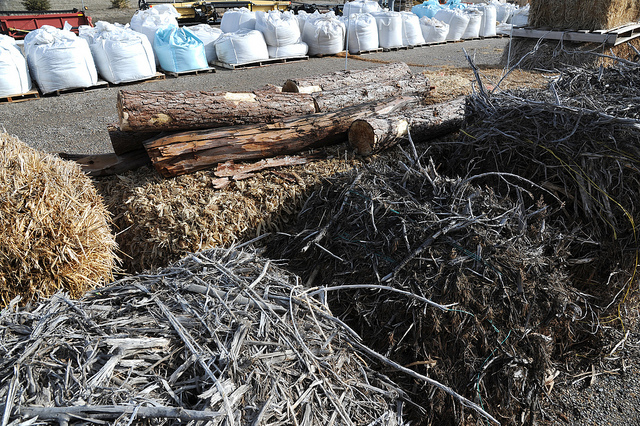
The following story was originally published on IFPRI’s Food Security Portal. The “food vs. fuel” debate came no closer to a resolution last week, as Energy ministers from the European Union’s 28 member states failed to agree on a compromise limiting the use of transport fuels made from food crops such as rapeseed and wheat, so-called […]
-
Partnering for Impact: IFPRI-European Research Collaboration for Improved Food and Nutrition Security
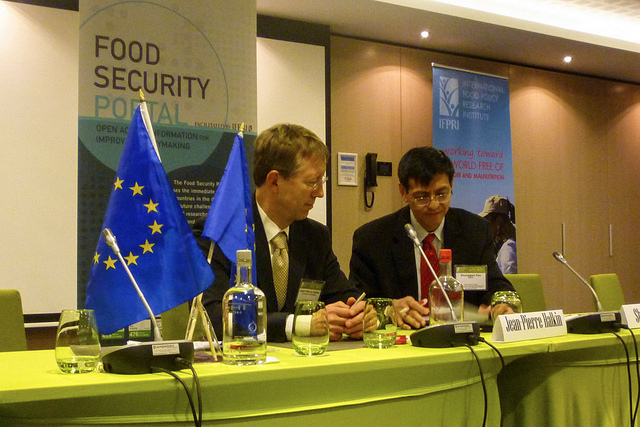
The workshop “Partnering for Impact: IFPRI-European Research Collaboration for Improved Food and Nutrition Security,” held on November 25 in Brussels, brought together 80 participants and close partners of IFPRI from European governments and development agencies, universities and research centers, nongovernmental development organizations, and the private sector. The workshop highlighted the achievements of innovative research programs […]
-
The Truth about Women in Agriculture
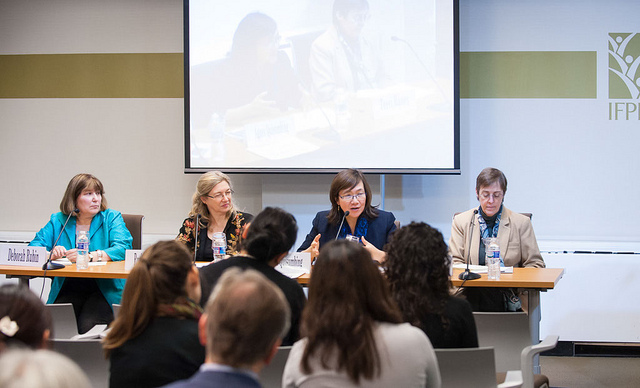
Have you heard the statistic that while women account for 60 to 80 percent of global food production, they own only 2 percent of the world’s land? If you work in international development, you most likely have come across such “gender myths.” At a recent policy seminar, “Beyond Gender Myths: Closing the Knowledge Gap in […]
-
Some Ideas to Break the Stalemate on Agricultural Issues at Bali
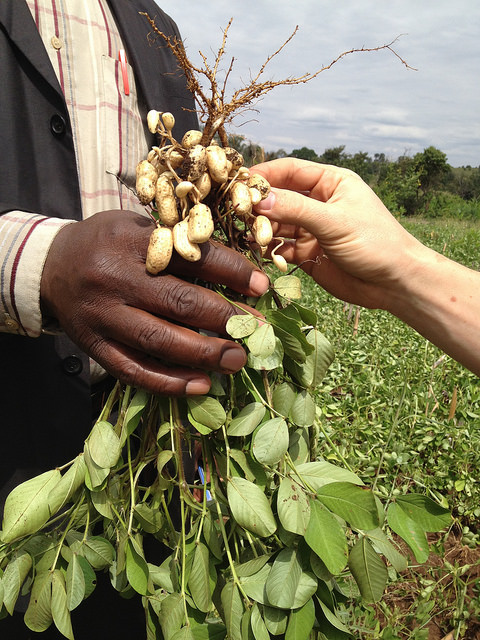
The following post by IFPRI visiting Senior Research Fellow Eugenio Diaz-Bonilla is an excerpt of a story originally published on IFPRI’s Food Security Portal. The negotiations seem to be heading for a breakdown again over agricultural issues linked to food security and, more generally, because many developing countries seem to consider it unfair that the developed […]
-
Building Smarter Subsidies
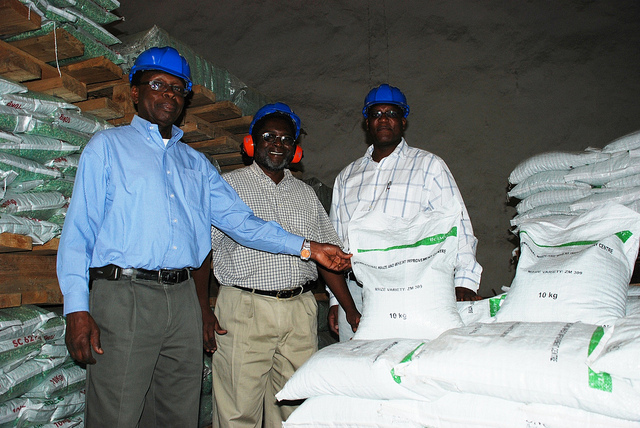
Input subsidy programs—a mainstay of 1960s and 1970s international donor agendas—have regained favor in Africa south of the Sahara in recent years. Although 10 African countries spent more than $1 billion on these programs in 2011 alone, little information exists on the impacts the programs are having on households and communities. In a synthesis article appearing […]
-
Resilience and Food Security Take the Stage at European Development Days
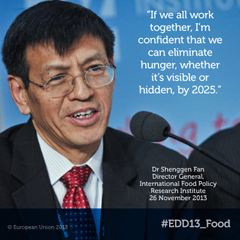
This week, European development practitioners, partners, and stakeholders worldwide have gathered at the 8th annual European Development Days in Brussels with an eye toward improving development coordination and aid effectiveness in 2015 and beyond. Specifically, their discussions will focus on four prevailing themes: scaling up work toward meeting basic living standards; upholding human rights and ensuring […]
-
Healthy Growth Breeds Healthy Growth
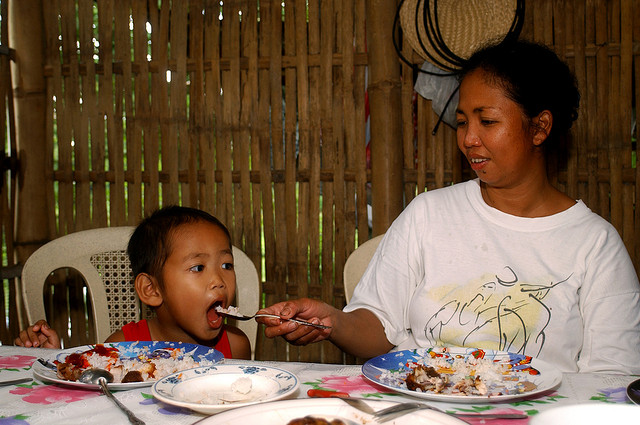
If you learned that a $1 investment in your child’s nutritional intake during infancy would ultimately net an $18 return, would you make the investment? Yes, if you had the means, it’s likely you would. It’s a win-win: healthier child, healthier bank account. A recent IFPRI study, “The Economic Rationale for Investing in Stunting Reduction,” […]
-
IFPRI Insights Magazine
The latest issue of IFPRI Insights sheds light on how IFPRI researchers are tackling the big questions related to food policy, from farm to table to the global marketplace. Composed of articles, interviews, and infographics, the November 2013 issue touches on nutrition, migration, US farm policy, economic data, water policy, and weather insurance, among other things. According […]
-
The Good, the Bad and the Ugly
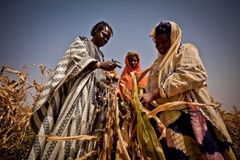
The following is an excerpt of a story originally published on the CGIAR Research Program on Climate Change, Agriculture and Food Security (CCAFS) website. The good and the bad will not balance each other out. We need to prepare for the ugly. It’s not often you hear the words good and climate change in one […]
-
In the Market for Better Health
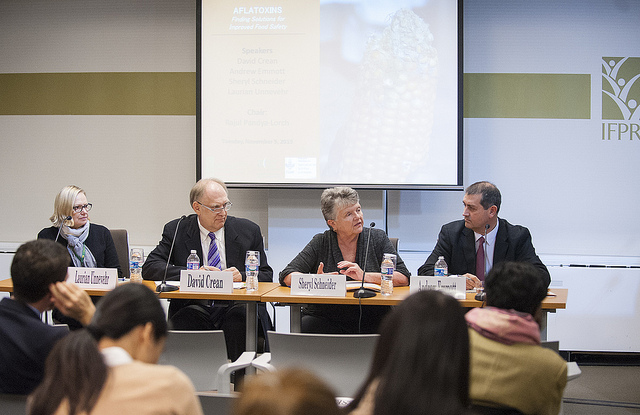
Properly functioning markets play a key role in improving the economic well-being of poor populations. But a recent IFPRI event highlighted how markets can do even more, reaching beyond economics to have an important impact on health outcomes. On November 5, IFPRI’s 2020 Vision Initiative and the CGIAR Research Program on Agriculture for Nutrition and […]
-
What is the Potential Impact from Climate Change for Africa’s Farmers?
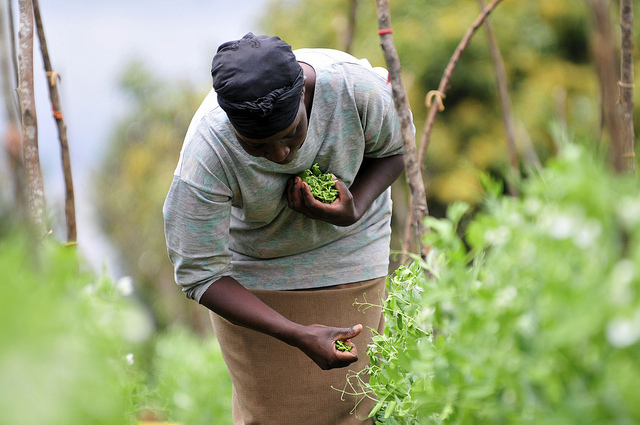
Originally published on the CCAFS website.
-

2013 Global Hunger Index – Country Case Study: Haiti
May 06, 2026
Although undernourishment in Haiti is still high, it has fallen by almost one-third since 1990. Haiti’s 2013 GHI score of 23.3 was more than one-quarter lower than its 1990 score, yet it is still considered “alarming.” More than 44 percent of Haiti’s population is undernourished and more than half of the households live on less than […]
-

Cash, Food or Vouchers
IFPRI and others have extensively evaluated social safety net programs in developing countries that provide recipients with cash, food, or vouchers, but there have been almost no evaluations of how those transfers stack up when compared against each other. A new study by IFPRI and the UN World Food Programme (WFP) assesses the impact of […]
-
Data is the Real Currency of Science
The following post by Kate Langford is an excerpted version of a story originally published on the World Agroforestry Centre’s News and Events site. In the scientific world where publications are of paramount importance, CGIAR scientists are proposing a shift where data methods and ideas – the real currency of good research and scientific knowledge […]
-
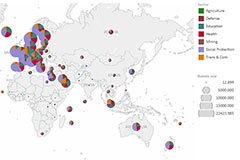
Let’s SPEED Up
Public resources are limited and determining how to best allocate finite funds to achieve the greatest impact on poverty reduction and economic development requires credible public expenditure data. However, due to a lack of systematic collection and tabling as well as an absence of guidelines to link different types of expenditures, this type of data […]
-
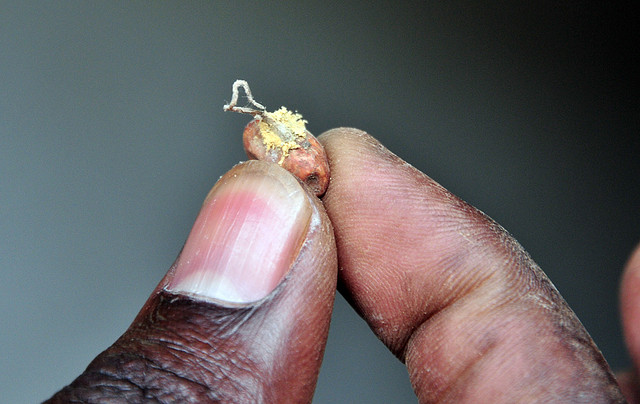
Incentivizing Aflatoxin Control
Aflatoxins, naturally occurring toxins produced by fungi in grains and other crops, may be linked to childhood stunting and can lead to liver cancer and even death with chronic exposure. More than a public health risk, aflatoxins also pose a significant barrier to international trade, harming poor populations’ economic as well as physical wellbeing. As […]