




Search IFPRI web
Filters
Found 7458 Results
-
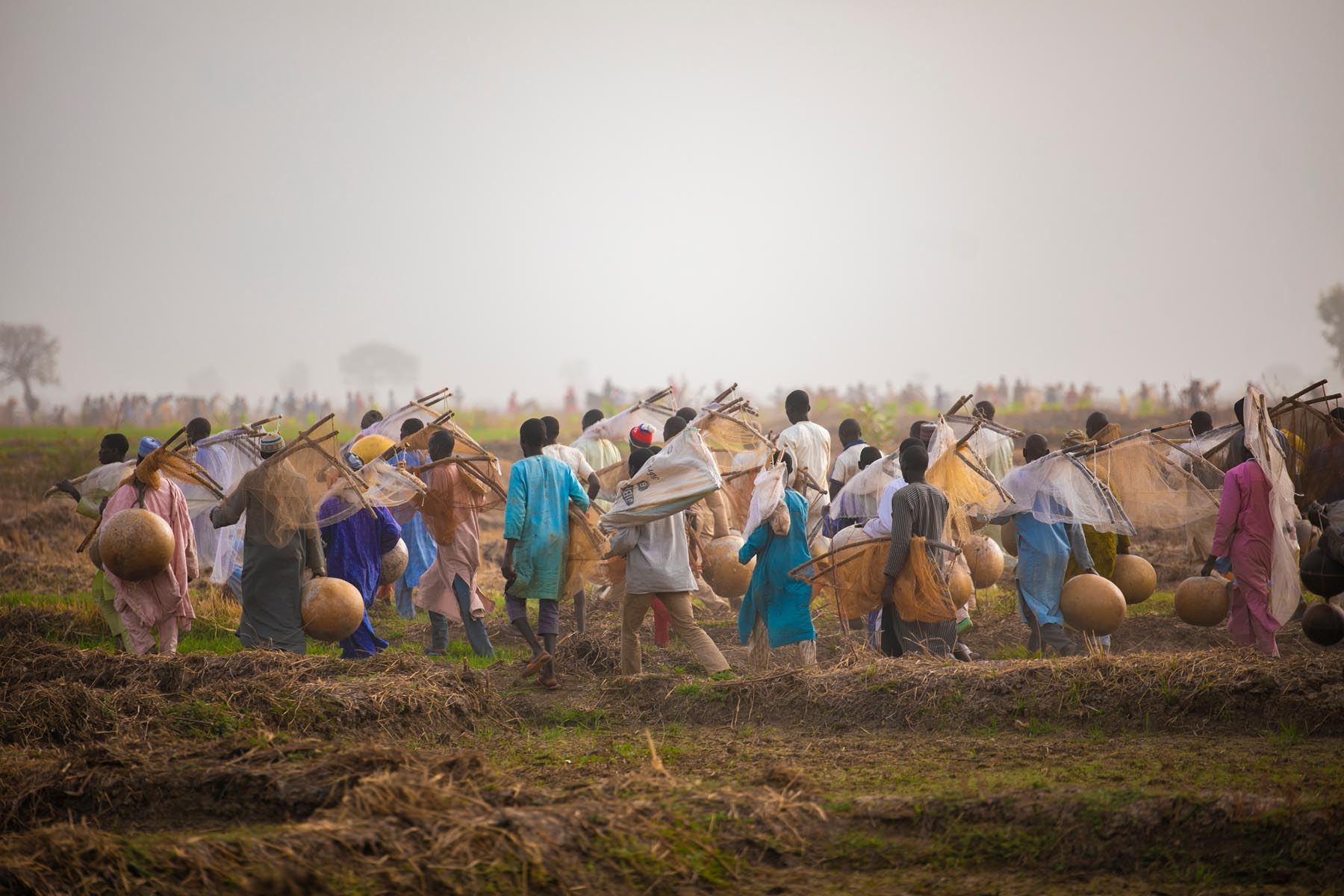
Fertiliser prices set to be 16% higher next year (Ireland Independent)
December 06, 2018
The Ireland Independent published a news article about the increase of fertilizer prices in Ireland due to the fluctuation of global supply and demand. 2016 research from Senior Research Fellows Antoine Bouet and David Laborde was included in the article detailing how EU farmers have been paying excess amounts for fertilizer.
-
Explained: Why number of hungry is rising (The Indian Express)
December 05, 2018
The Indian Express wrote an article about the increase of the world’s undernourished population in recent years. IFPRI researchers Channing Arndt, Derek Headey and Will Martin were quoted in the article discussing their research and econometric tools that have shown how increases in food prices have had contrasting affects among the rural poor.
-
Hotter world threatens the breadbasket of the US (Financial Times)
December 04, 2018
Financial Times published a news article about the continued rise in temperatures and how climate change threatens future crop yields from the Midwestern United States. Senior Research Fellow Keith Wiebe was included in the article explaining model projections that show how crop yields would be different if climate change was not an environmental threat.
-

Why Nigeria urgently needs to grow non-oil exports
Continued low oil prices are putting unsustainable stresses on Nigeria's economy. Time to diversify.
-

International Symposium on Understanding the Double Burden of Malnutrition for Effective Interventions
IFPRI is participating in the International Symposium on Understanding the Double Burden of Malnutrition for Effective Interventions. The double burden of malnutrition (DBM) affects at least a quarter of all countries worldwide, with low and middle income countries bearing the greatest burden due to lack of capacity to tackle the problem. DBM connotes a complex situation where […]
-
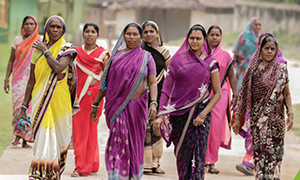
What Lies Beneath: Women’s and Girls’ Wellbeing as a Critical Underpinning of India’s Nutritional Challenge
In collaboration with BMGF, EPoD India at IFMR, Naandi Foundation and UNICEF, POSHAN (Partnerships and Opportunities to Strengthen and Harmonize Actions for Nutrition in India) will deliberate on the aspects of women’s and girls’ wellbeing that are critical for India’s nutritional challenge and look at the status of their wellbeing, globally and specifically in India. Click […]
-
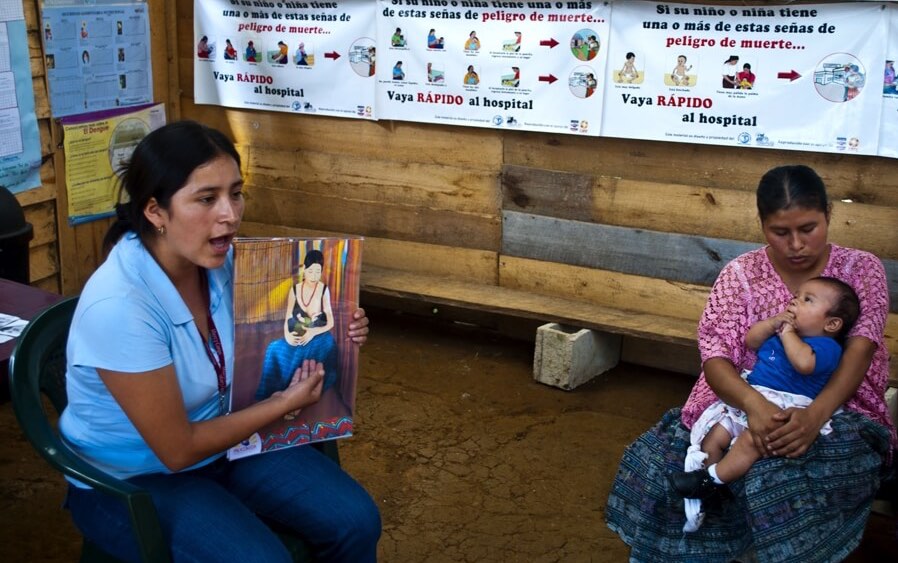
Optimizing food assistance programs: Multisectoral approach improves child growth in Guatemala
Combining food rations, behavior change communication, and better access to public health services improves infant nutrition and reduces stunting, an IFPRI study shows.
-
The Micronutrient Forum and IFPRI Announce New Hosting Partnership
December 05, 2018
Washington D.C., December 3, 2018 – The Micronutrient Forum (the Forum) and the International Food Policy Research Institute (IFPRI) are pleased to announce today that IFPRI has been selected to serve as the Forum Secretariat’s host for the next three years. The Forum selected IFPRI after a public call for applicants and a rigorous review […]
-
How is Senegal Winning the Battle Against Malnutrition? Discussion of Lessons from Policy and Program Interventions
Malabo Montpellier Webinar Series
Between 2000 and 2016, Senegal made remarkable progress in reducing undernutrition. The prevalence of stunting decreased from 30 to 19 percent. During this seminar/ webinar Mr. Abdoulaye Ka, Head of Senegal’s nutrition coordination unit, Cellule de Lutte Contre la Malnutrition (CLM) will discuss concrete practical steps that Senegal has taken to put into action a set […]
-
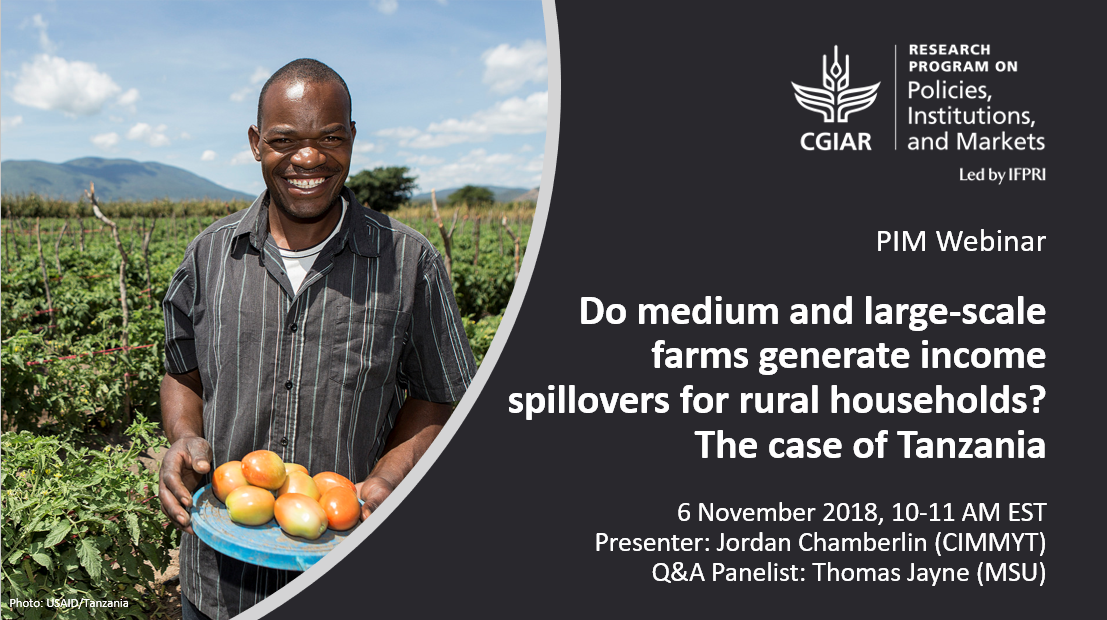
Do Medium and Large-Scale Farms Generate Income Spillovers for Rural Households? The Case of Tanzania
Organized by CGIAR Research Program on Policies, Institutions, and Markets (PIM)
Land acquisitions by foreign and local investor farmers has generated much speculation about the impacts on smallholder households and rural communities. The study that will be presented in this webinar addresses these issues by exploiting inter-district variation in farmland distribution patterns in Tanzania to determine the impact of localized farm structure on rural household incomes […]
-
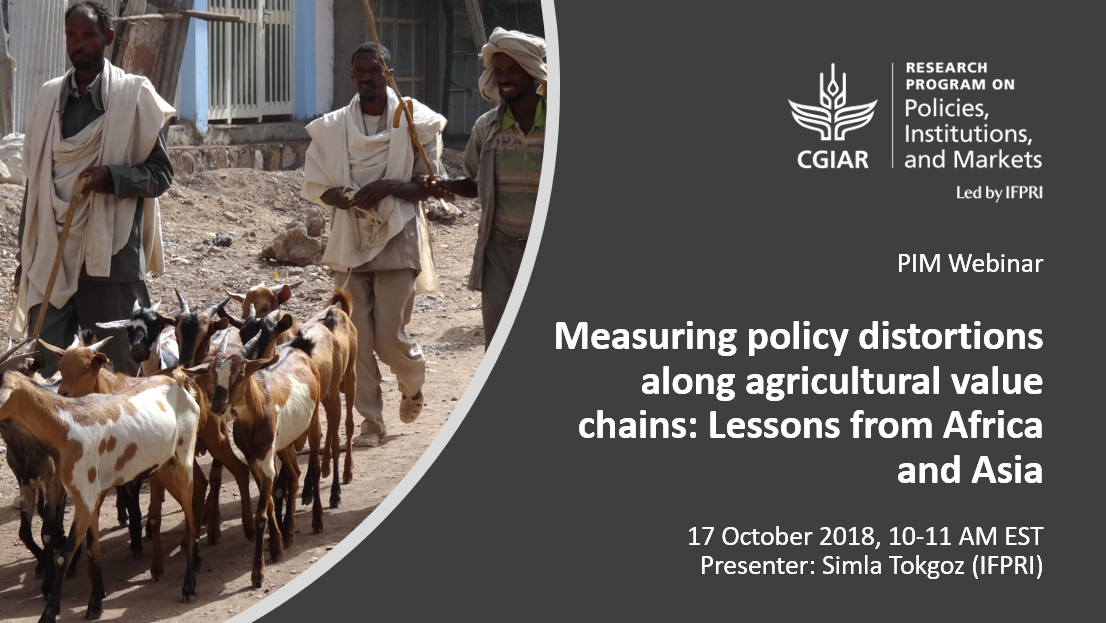
Measuring Policy Distortions Along Agricultural Value Chains: Lessons from Africa and Asia
Organized by CGIAR Research Program on Policies, Institutions, and Markets (PIM)
The global agricultural sector is undergoing a transformation, with a rapid expansion of trade in processed agricultural commodities. With this transformation comes expanded interest in how agricultural value chains can aid rural development. This requires a better understanding of how policies affect price transmission and incentives for producers and consumers along the value chain of […]
-
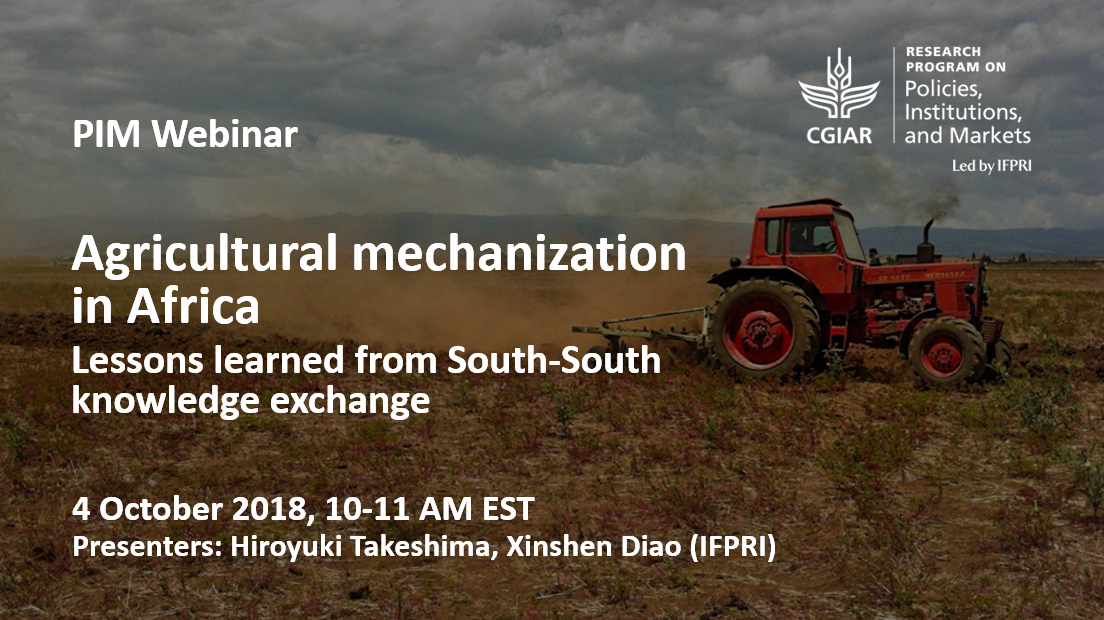
Agricultural Mechanization in Africa: Lessons Learned from South-South Knowledge Exchange
Organized by CGIAR Research Program on Policies, Institutions, and Markets (PIM)
Increased use of mechanical power for farming operations has been one of the key aspects of the agricultural and rural transformation and will remain so under the efforts toward achieving the SDGs. Agricultural mechanization in Africa gained significant attention during the 1980s, but many interventions failed due to insufficient demand at the farm level. Since […]
-
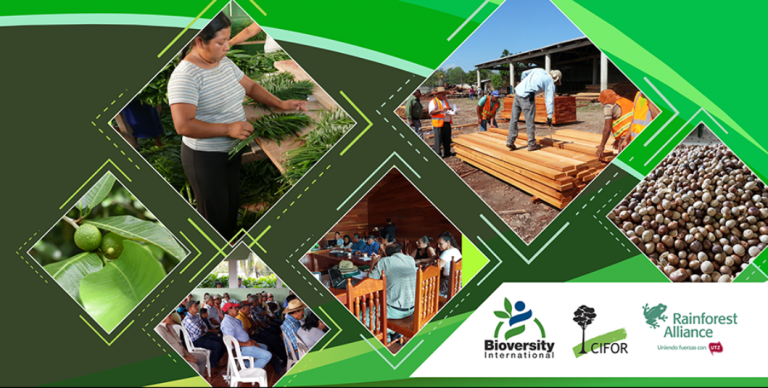
Community Forest Concessions in Petén, Guatemala: Effective Governance for Tropical Forest Conservation and Socio-Economic Development
Organized by CGIAR Research Program on Policies, Institutions, and Markets (PIM)
The devolution* of forest rights to local communities is seen as a critical element of strategies aimed at conserving tropical forests and strengthening livelihoods based on them. In the Maya Biosphere Reserve (MBR) in Petén, Guatemala, forest concessions have been granted to local communities in the Multiple Use Zone (MUZ) on close to 400,000 ha. […]
-
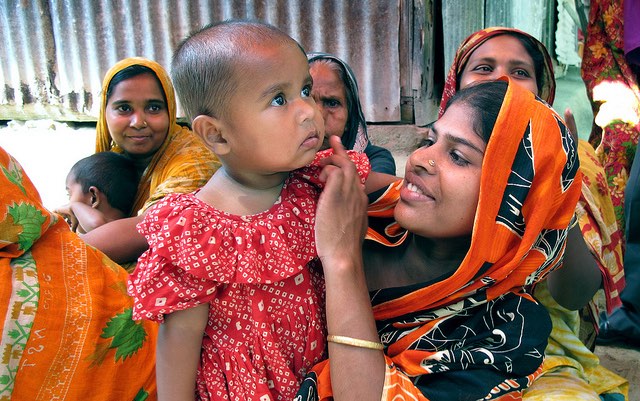
Ending hunger by 2030 is possible, if we can accelerate progress
It’s time to invest in accelerators—policies, interventions, and innovations that can overcome barriers and speed progress toward ending hunger and malnutrition.
-
IFPRI Insights: IFPRI-FAO Conference Special Edition from Bangkok
Highlights from Accelerating the End of Hunger & Malnutrition: speakers; acceleration fair; sharing knowledge, approaches, and innovations; video winners; and More
-
Emerging Food System in South Asia: Policy Challenges and Opportunities
Co-Organized by NITI Aayog and IFPRI
Session 1: Inaugural Session and presentations on opportunities to make food systems more nutritious and healthy Welcome Remarks Remarks Women’s Empowerment and Nutrition: Lessons from Bangladesh Using Data and Empirical Evidence to Improve India’s Nutritional Programs Connections and Disconnections between Agriculture, Nutrition and Health in India Evidence on Strategies to Stabilize Pulse Production and Consumption and […]
-
Report: S-E Asia grappling with stunted kids, anaemia (The Strait Times)
December 01, 2018
The Straits Times wrote a piece about the 2018 Global Nutrition Report, in which it detailed the changes in childhood stunting and anemia in Cambodia, Indonesia, Vietnam, India, and other developing countries in South Asia. Director General Shenggen Fan was quoted in the article highlighting the nuances of nutrition that people must continue to understand.
-
Nienke Beintema: Importance of Viable Global Research Systems (FAO YouTube)
November 23, 2018
The Food and Agriculture Organization interviewed Nienke Beintema, Program Head of IFPRI’s Agricultural Science and Technology Indicators initiative on YouTube during their International Symposium on Agricultural Innovation. Beintema argued that increasing food demands can be supplied with viable research systems adapting technologies that are developed by international research centers to fight soil degradation and climate change.
-
Proposed need for additional tax for meat to prevent cancer (Tribun News)
November 24, 2018
Tribun News published a news piece about governments’ ideas of taxing red meat in response to findings that show it is carcinogenic. Research from IFPRI researchers Keith Wiebe and Sherman Robinson was included in the article, estimating the meat tax in around 150 countries.
