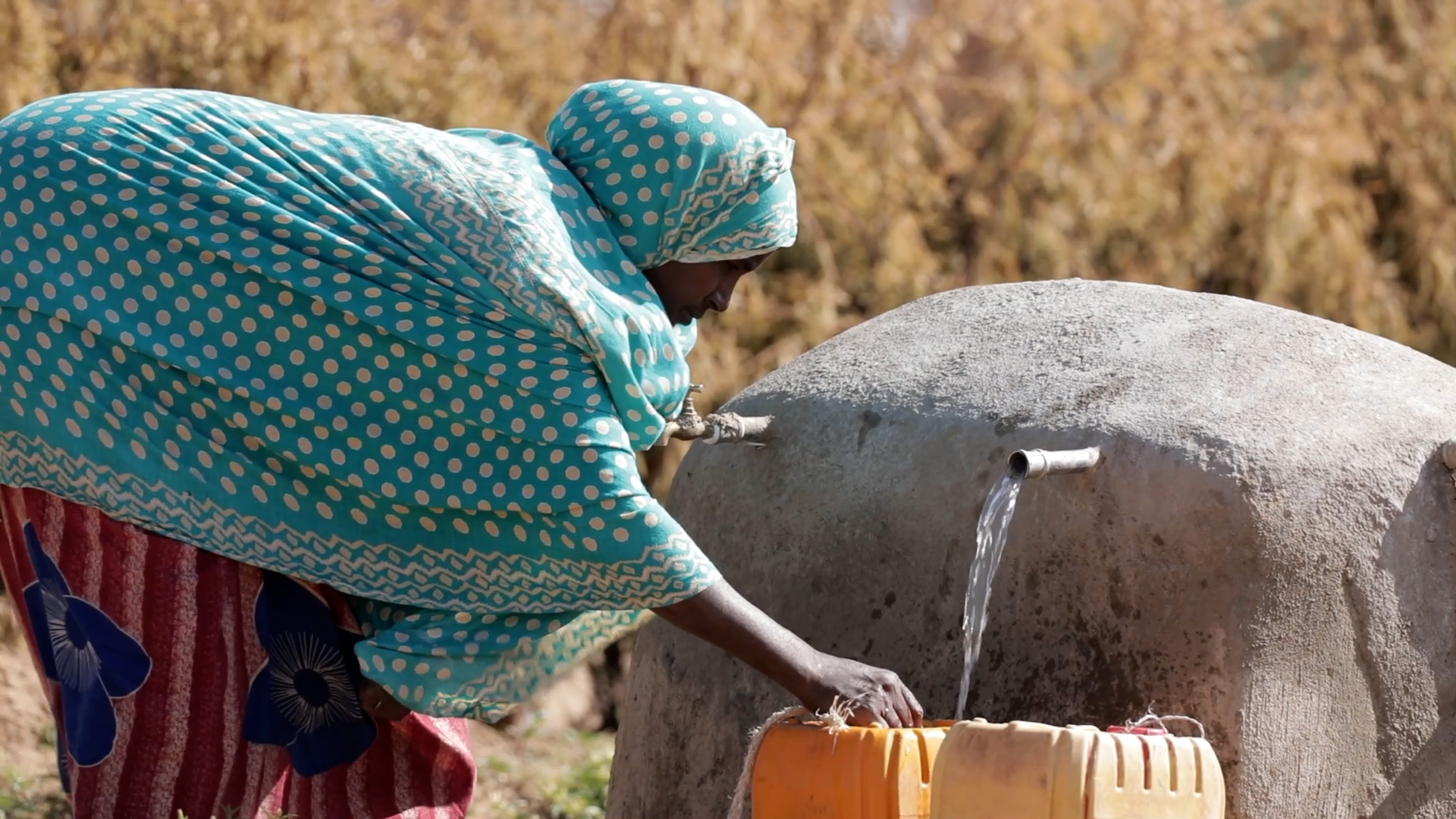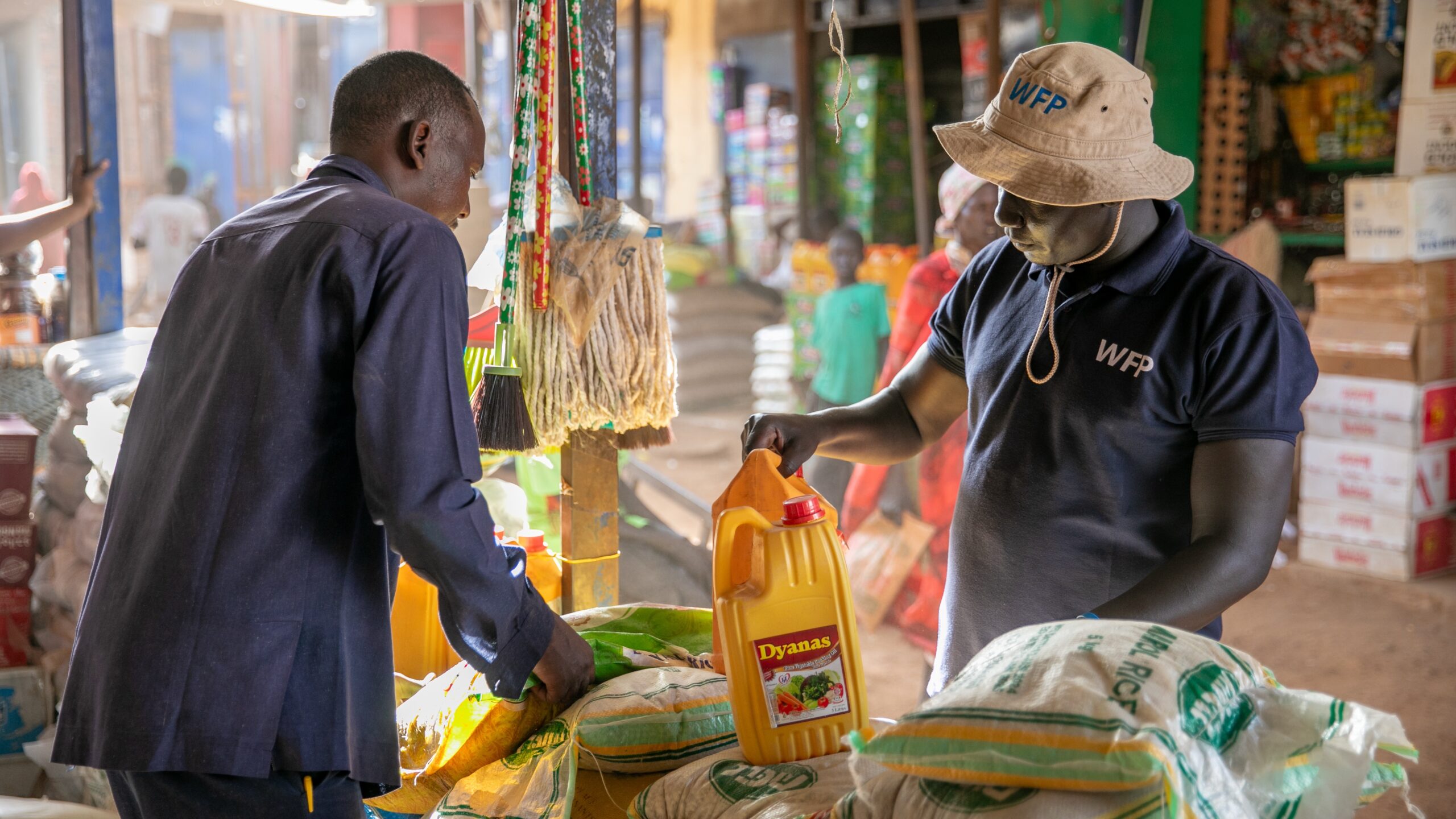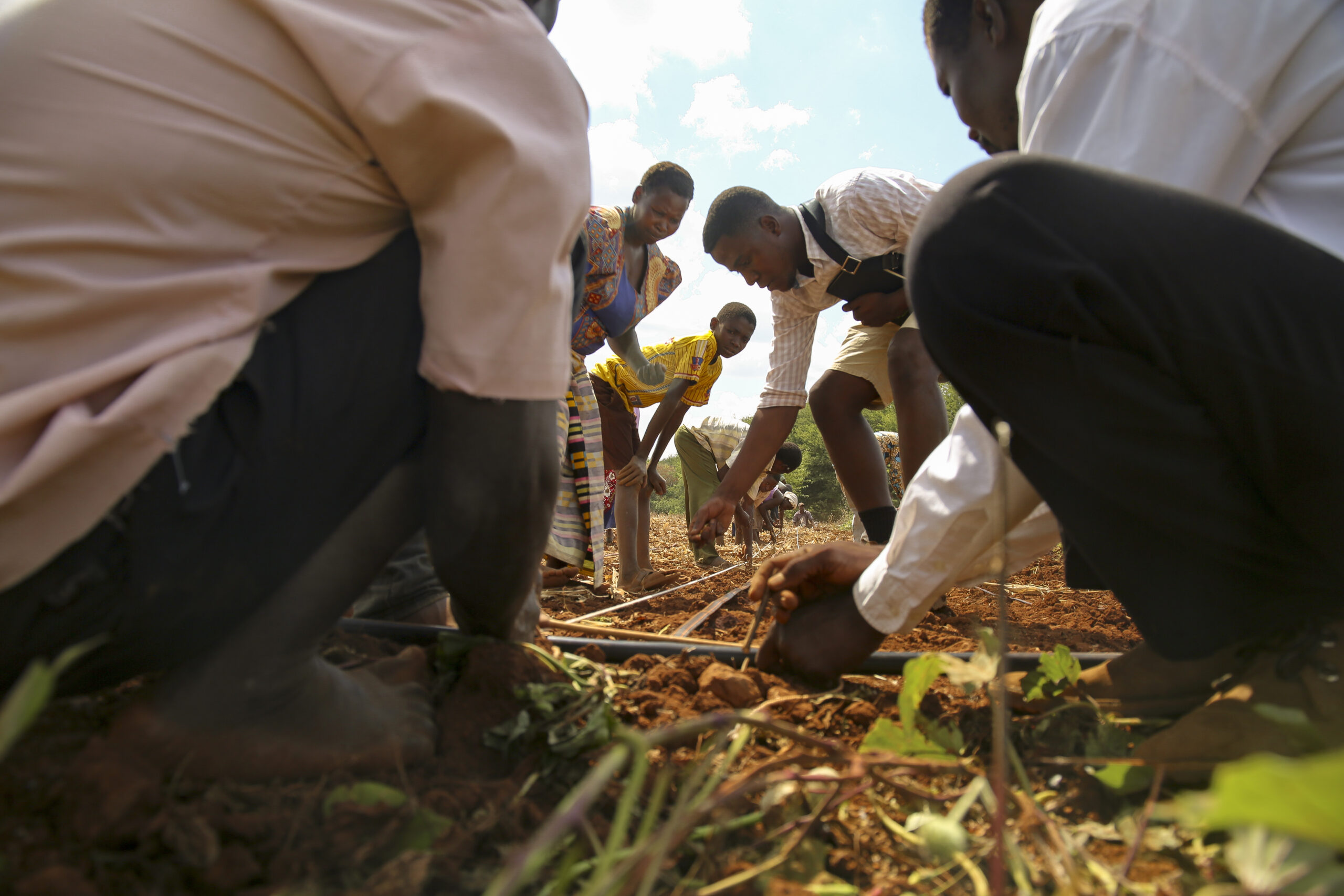
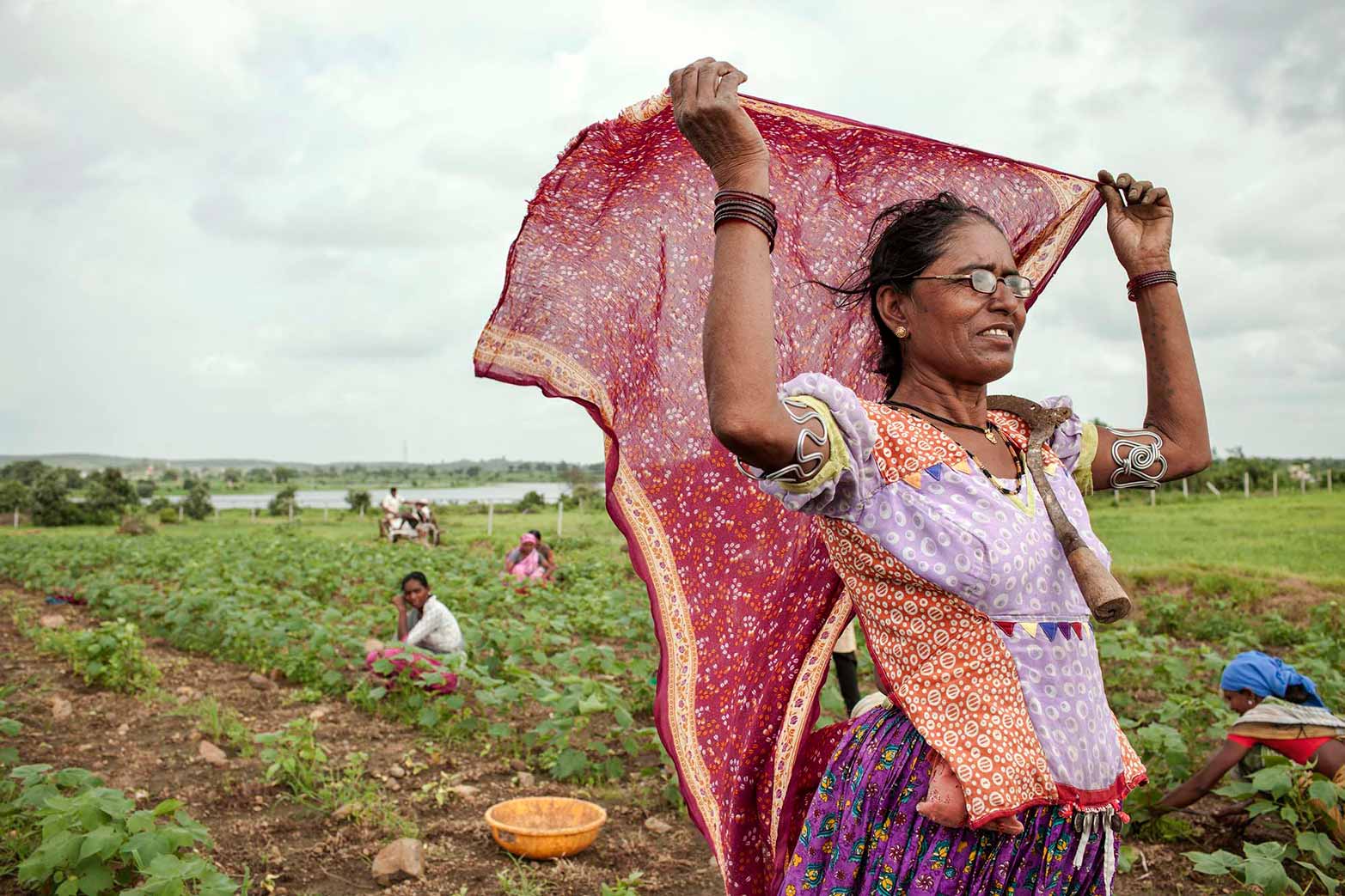

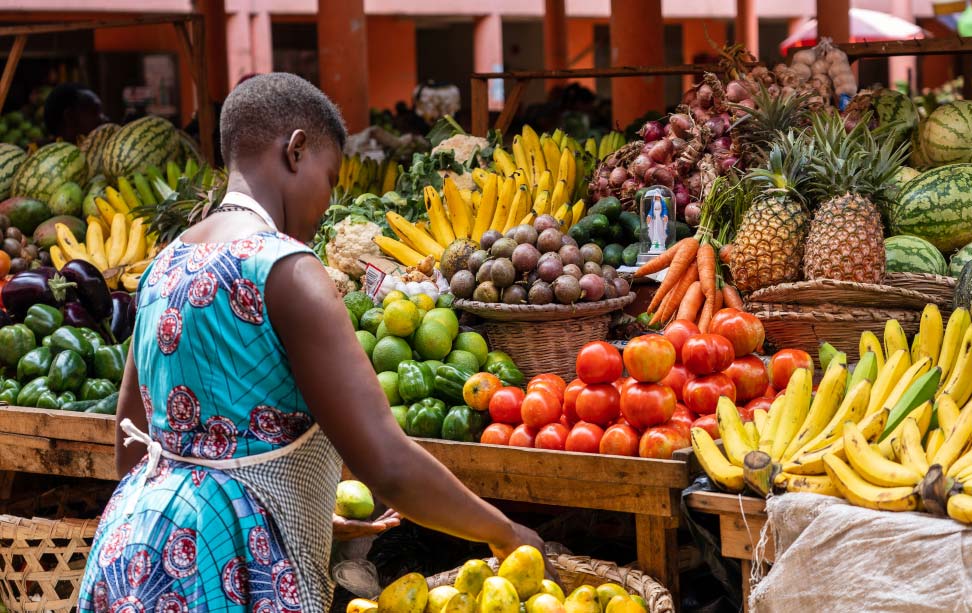
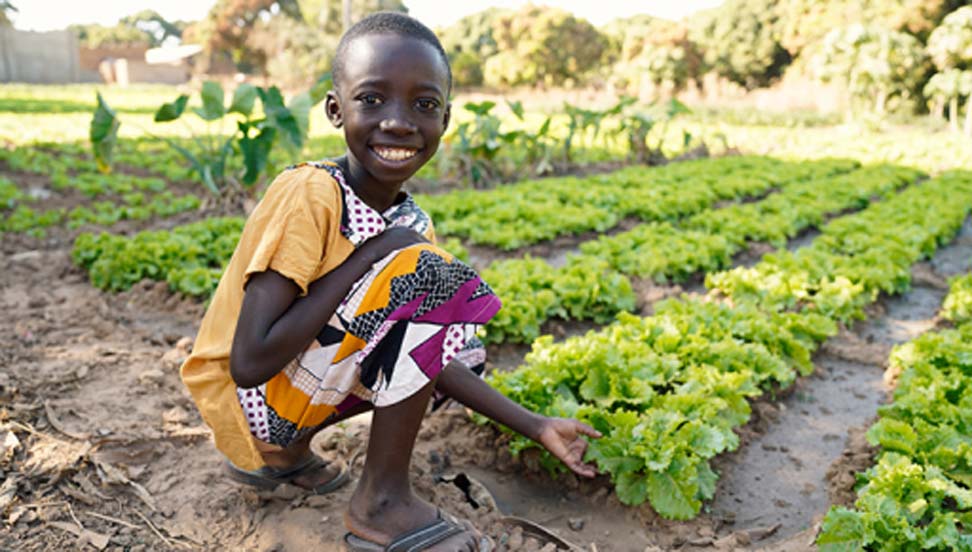


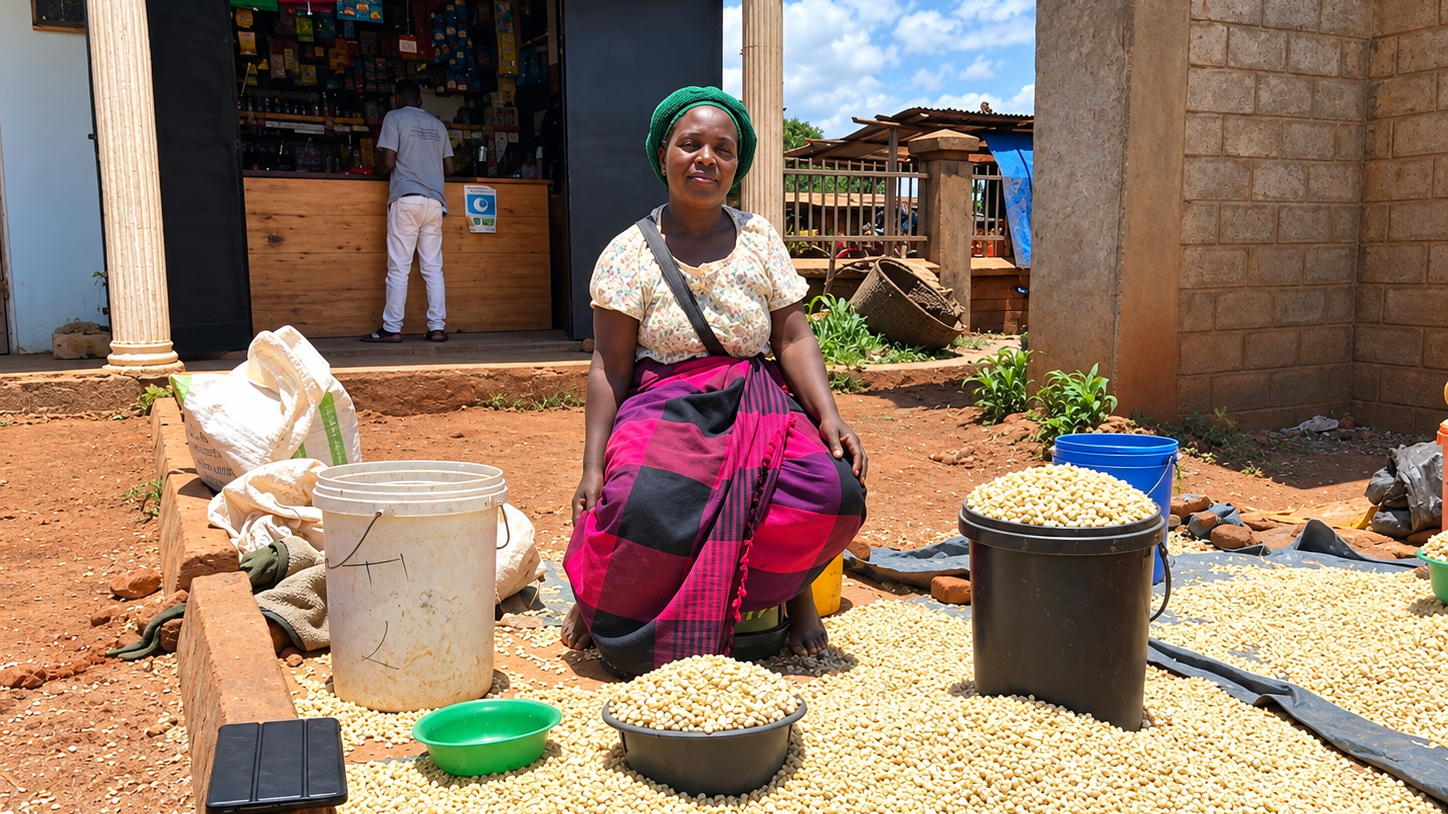
Accurate data on food consumption and production starts not with computers or statistical models, but in the markets, village paths, and kitchens where Malawians buy, sell, and prepare food. Maize is sold by the bucket, beans by the cup, rice by the plate, and groundnuts by the tin. These familiar containers are the language of everyday market exchange and determine how quantities and prices are reported in surveys—and hence the basis of our understanding of production and trade volumes, food prices, and diets.
Diverging from the laboratory-like precision of kilogram scales, these informal units reflect the practical, trusted ways in which food is bought and sold. For researchers, however, they also present a challenge: containers with the same name often vary in size across districts, markets, or even vendors. A “5‑liter bucket” may hold considerably more or less than its label suggests, and the contents of a “cup” of beans can differ depending on its shape and how tightly it is filled.
To be analyzed, the quantities expressed in such units must be converted into standardized measures such as kilograms. IFPRI’s fieldwork is generating an updated and transparent collection of commodity-specific measurements that anyone working with data on food consumption and production can use to turn everyday quantities into reliable statistics.
This photo essay follows that journey: one bucket, one cup, and one careful measurement at a time.
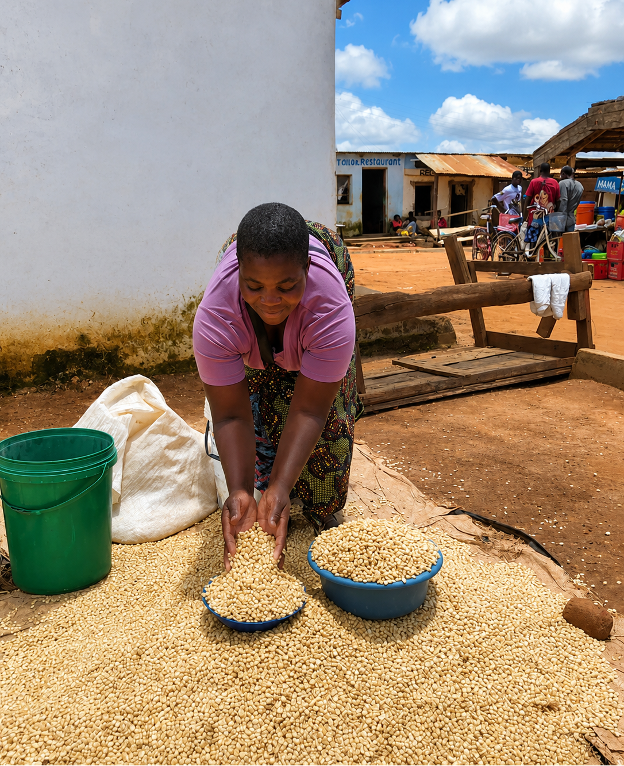
In markets across Malawi, vendors rely on the tools they have at hand: a plastic bucket, a plate, or a cup inherited from a relative. These familiar containers provide a practical and widely understood way of measuring and selling food, and for many small traders they are far more convenient than weighing scales.
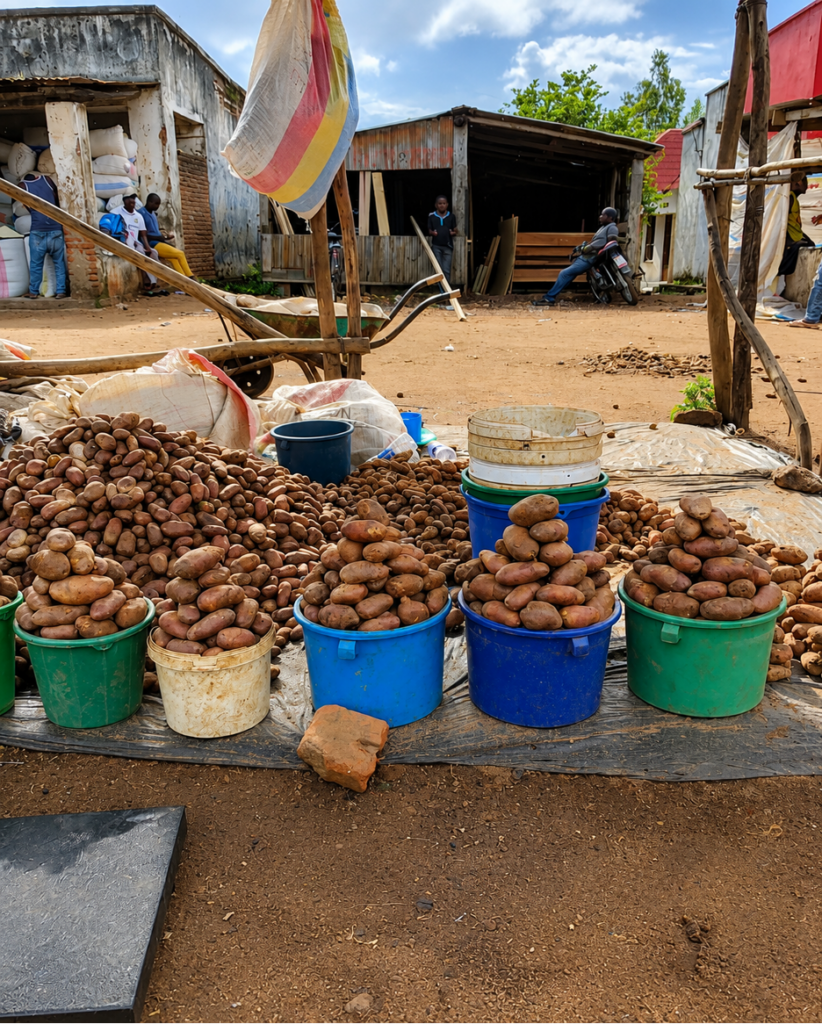
the same name. These differences can affect consumption and price statistics.
Photo credit: Anderson Benson/IFPRI
Two containers may share the same name but differ substantially in size. A “bucket of potatoes” in one market might weigh far more or far less than a bucket used elsewhere. For data built on such measurements, these variations matter.
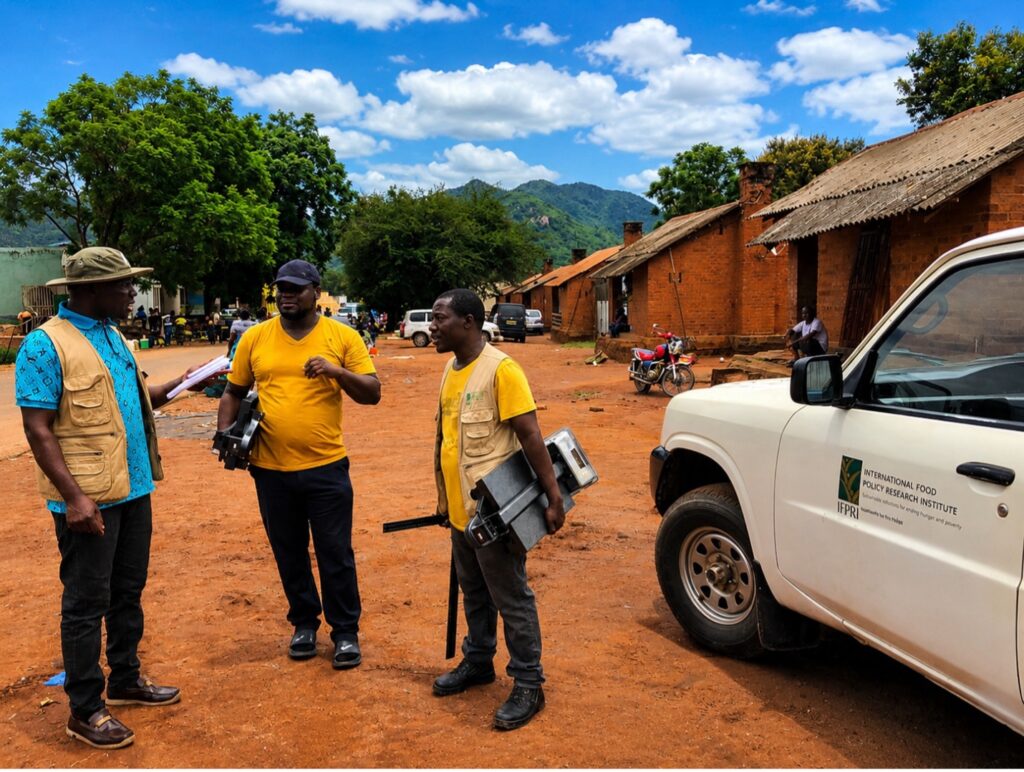
At various points in 2026, the IFPRI field team visited markets across the country to observe, measure, and record the units used in everyday trade. This work captured the realities of local markets and the ways food is bought and sold.
For a wide range of commodities, the team measured multiple container types and sizes commonly used in local markets. Each container was filled as vendors naturally would, weighed on calibrated scales, and recorded carefully. Repeating this process across commodities, markets, and container types and sizes produced a transparent collection of measurements that captures the variation in everyday market practices and can be used to develop robust conversion factors.
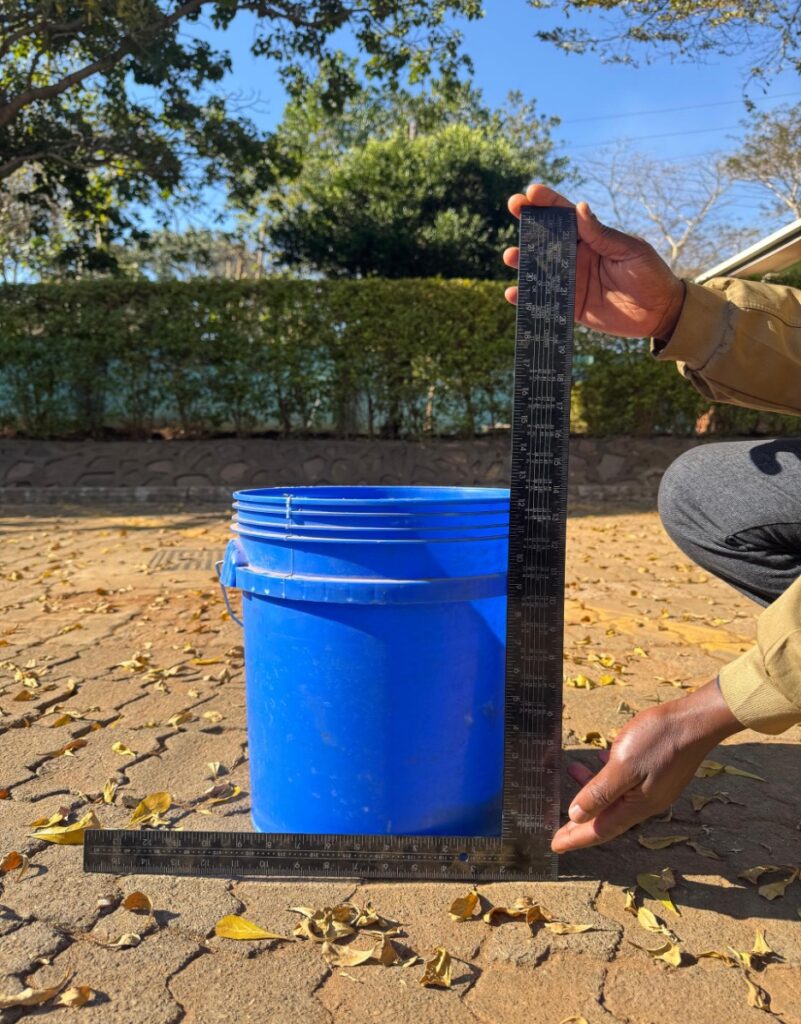
Each container was documented carefully by recording its dimensions, type, weight, and local name. By measuring the different versions of the seemingly identical units used by different vendors, the team captured the real variation on the ground.
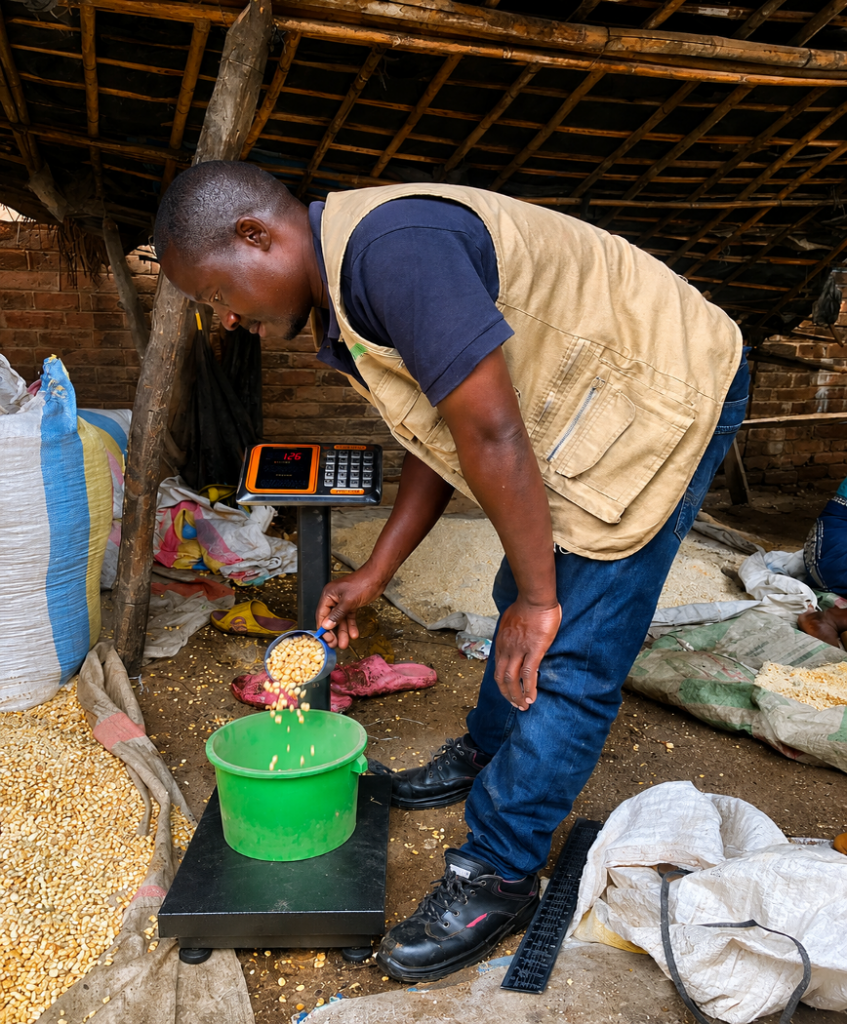
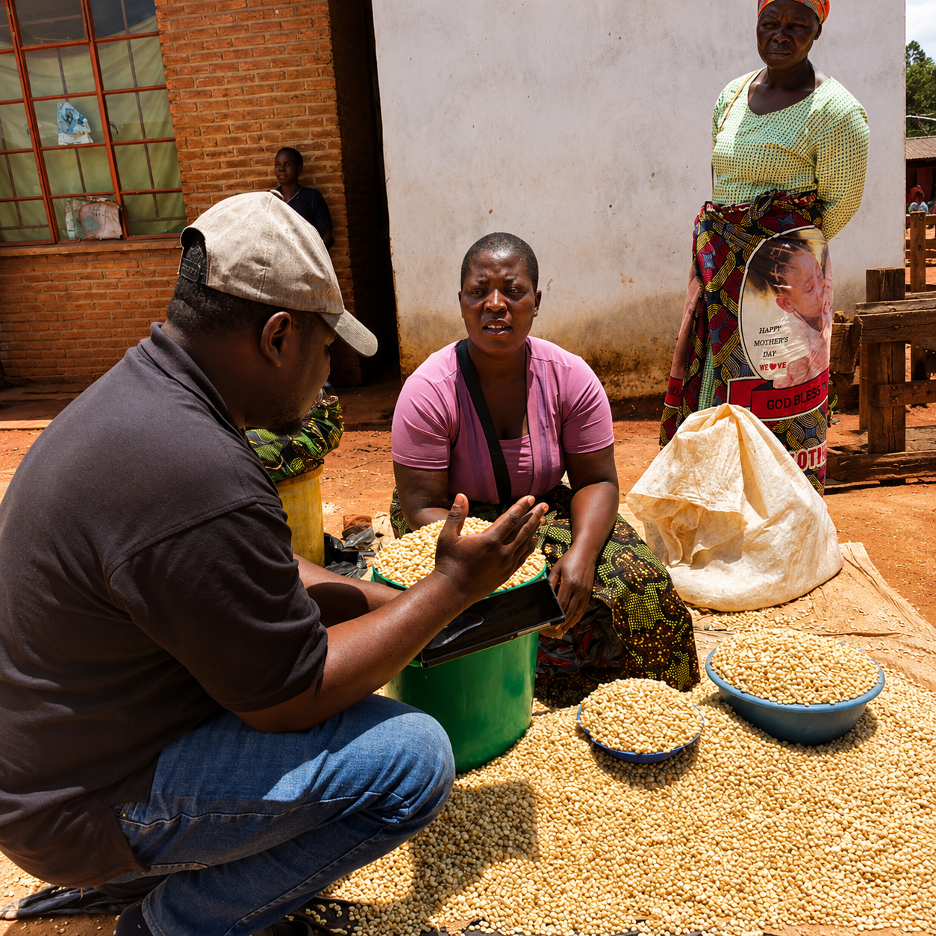
This work was possible because vendors shared how they use their tools and why these units matter. Their knowledge helps anchor national data in everyday experience.
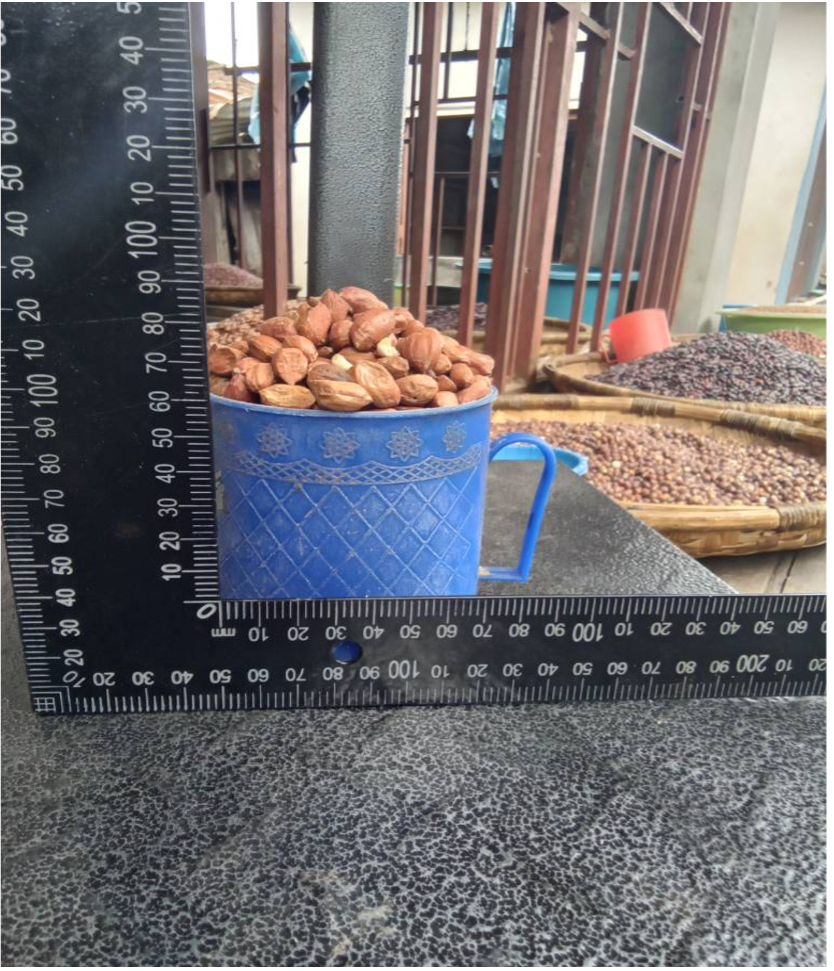
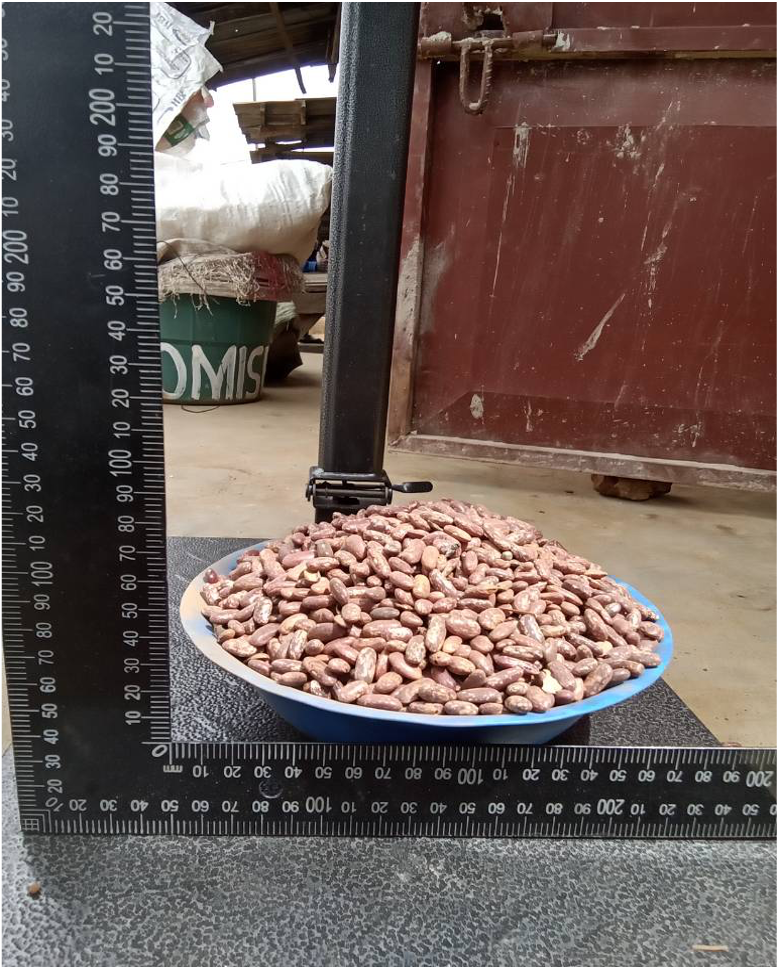
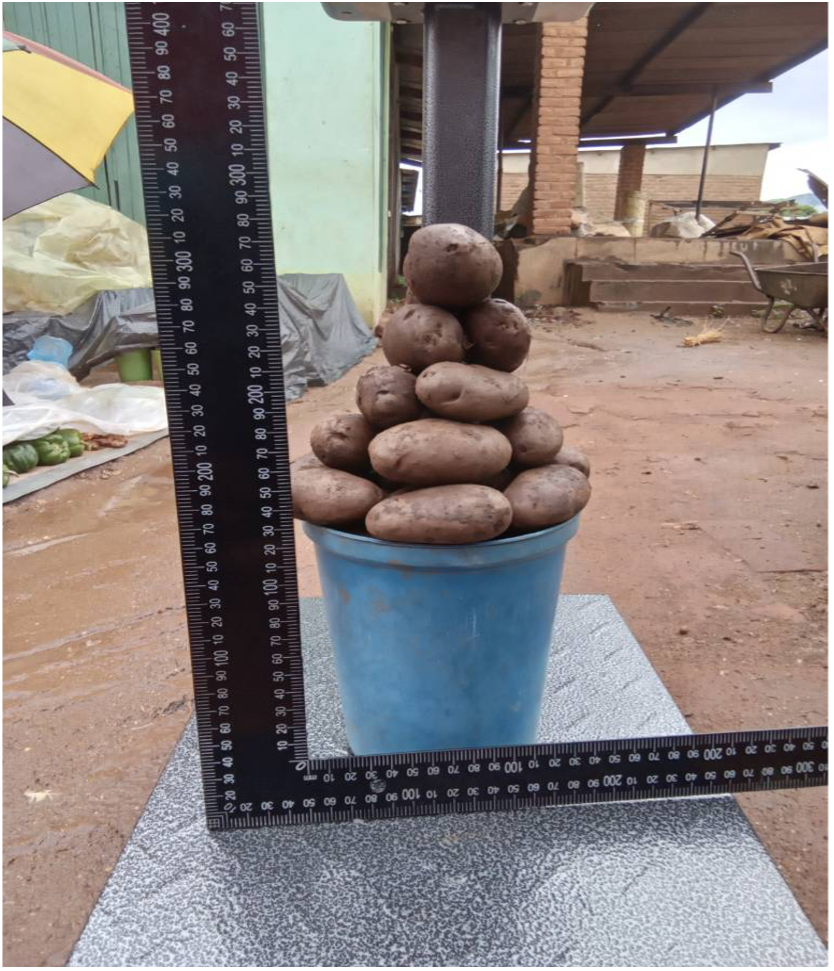
Standardized photographs taken alongside an L-shaped builder’s ruler created a permanent record of every weighed container. This allows for the measurements to be verified long after the fieldwork is completed.
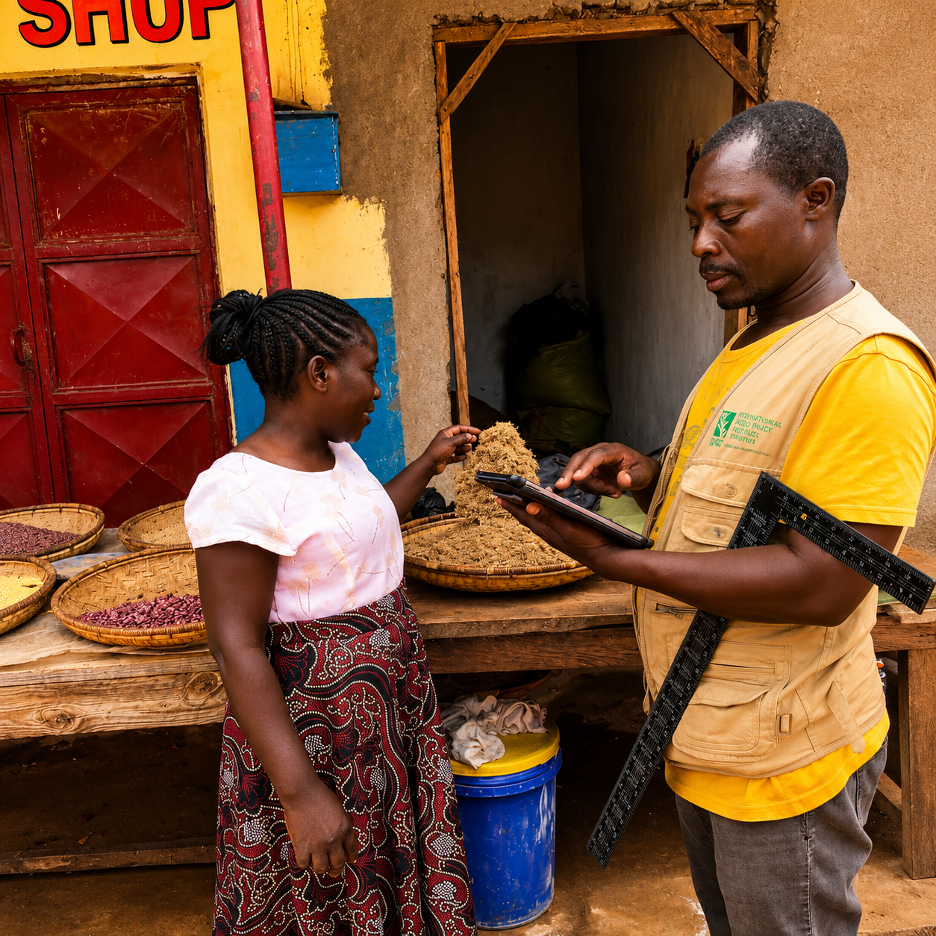
Once collected, the photographs and measurement data were reviewed using a standardized framework, including AI-assisted verification, to confirm container dimensions, validate recorded classifications, and identify inconsistencies. The resulting collection of measurements can be used to derive conversion factors for the non-standard units reported in household and market surveys, improving the accuracy of analyses of food prices, agricultural production, food consumption and diets, and poverty.
The complete dataset, along with the questionnaires used for data collection, is publicly available for download. As additional fieldwork is undertaken, new measurements will be added to expand the range of commodities, markets, and regions covered, ensuring that the dataset continues to grow over time.
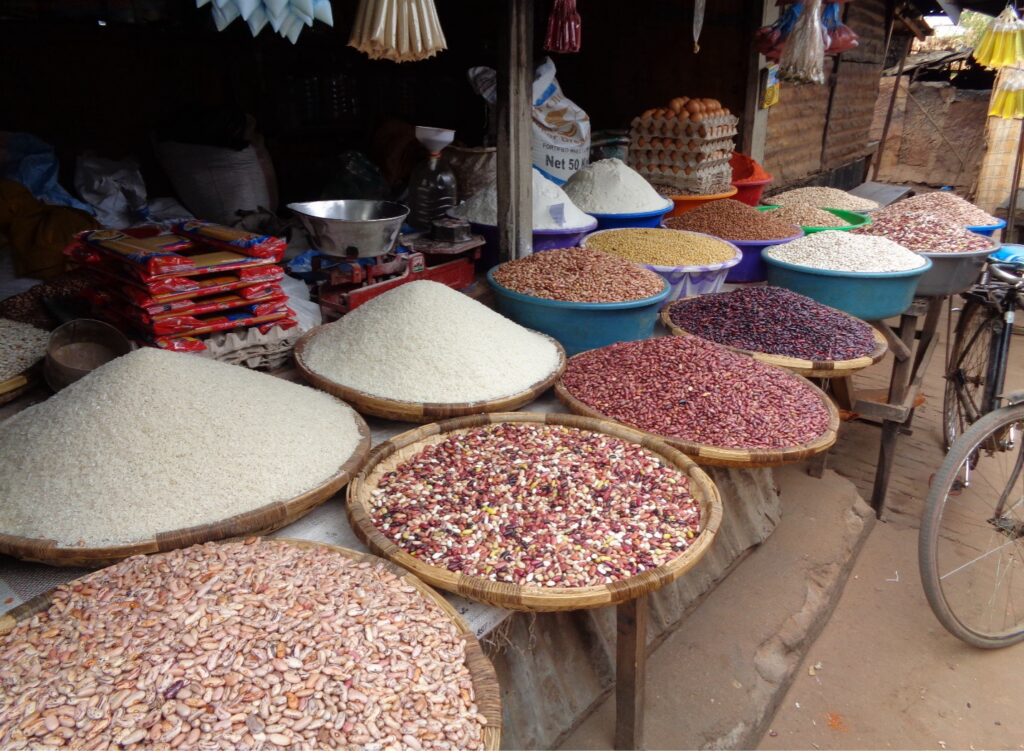
Better conversion factors strengthen the reliability of surveys, monitoring systems, and policy decisions. By grounding statistics in carefully documented field measurements of the buckets, cups, plates, and tins used by Malawians every day to quantify maize, beans, rice, groundnuts, and many other commodities, this work helps improve the quality of data that policymakers rely on.
Cynthia Kazembe is a Communications Manager with IFPRI’s Development Strategies and Governance (DSG) Unit; Lara Cockx is a DSG Research Fellow. They are based in Lilongwe, Malawi. Opinions are the authors’.
This work was supported by the CGIAR Science Program on Policy Innovations, the UK Foreign, Commonwealth & Development Office, and Irish Aid.
ChatGPT was used to adjust lighting and resolution in images.
Reference:
International Food Policy Research Institute (IFPRI), 2026, “IFPRI Malawi Market Survey: Weight Measurements for Non-Standard Units”, https://doi.org/10.7910/DVN/DIOPHY, Harvard Dataverse, V1,