





How can agriculture innovate to meet the needs of a rapidly expanding global population, projected to reach 9 billion by 2050? In December 2012, Oxfam sought to answer that question by inviting 23 experts from 16 countries to participate in the Future of Agriculture global online policy discussion forum, presenting diverse view points and inspired ideas via a range of online essays. Oxfam has now brought together these essays in a single report, The Future of Agriculture: Synthesis of an online debate.
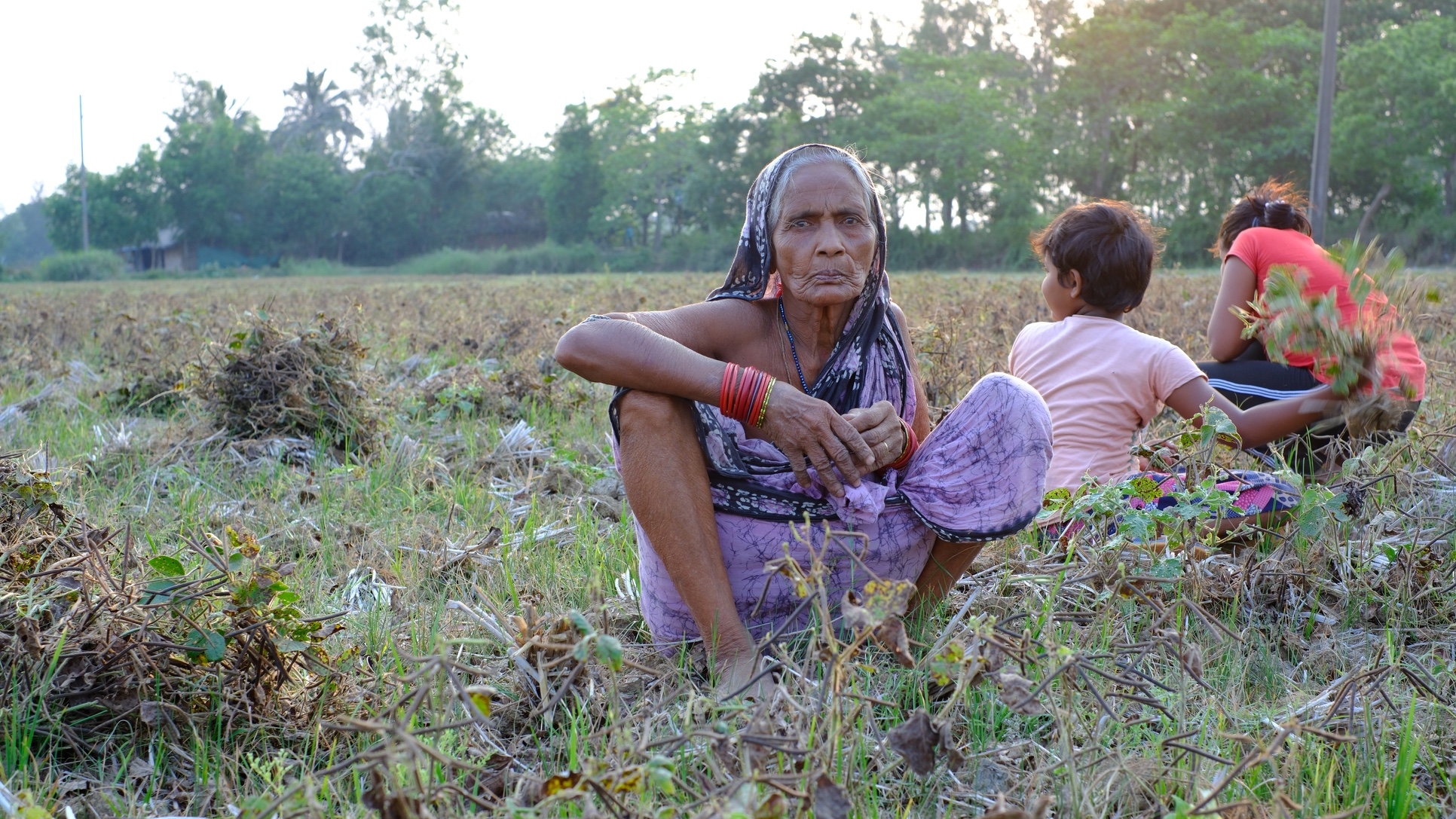
IFPRI Director General Shenggen Fan contributed an essay on the two greatest risks smallholders face: weather-related risk from climate change and market-related risk from globalization. He called for investments in reducing those risks, suggesting that “hope lies in stress-tolerant crops and innovative insurance plans, as well as social safety nets and other public welfare programs.”
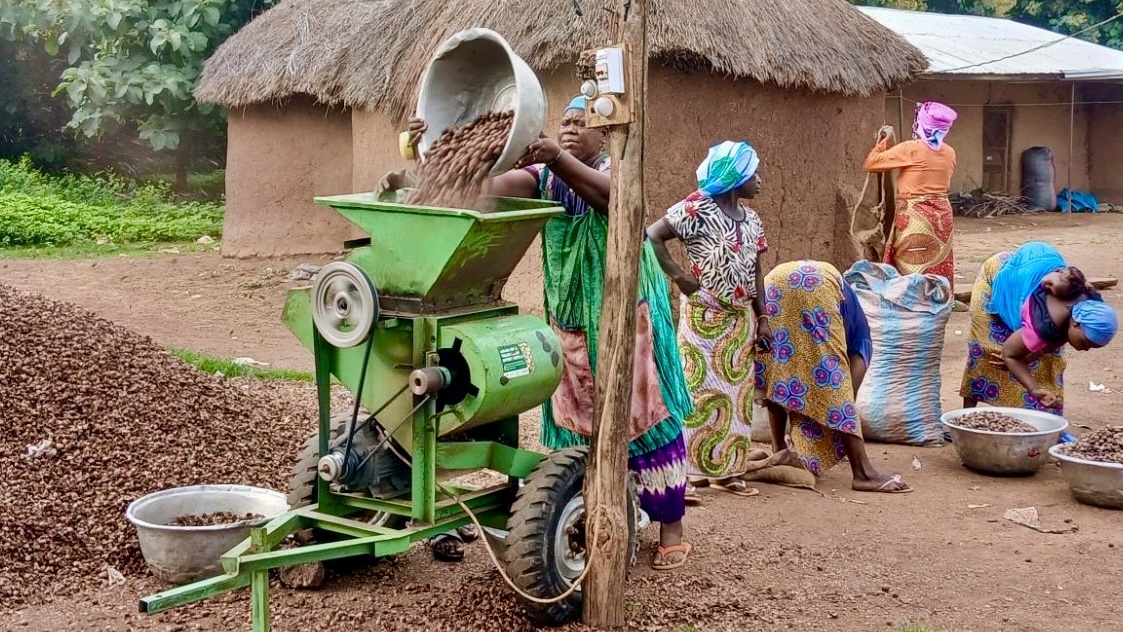
A recent IFPRI food policy report, From Subsistence to Profit: Transforming Smallholder Farms, further hones in on these topics, laying out strategies for smallholders to move from poverty to profit, as well as illuminating a pathway to nonfarm employment for farmers who lack profit-earning potential.