Maria Teresa stands with her children at the doorway of her two-room house in Los Baños, the Philippines. At first glance, all of her children look healthy, but according to a visiting nutrition counselor, they are all malnourished. The youngest, Joyme, a severely undernourished two-year-old girl, weighs just 16 pounds (7.3 kg).
They are entirely dependent the earnings of Maria’s husband, a day laborer. He takes home about $10 per week, when he gets work.
Maria tells the counselor that she prepares fish and instant noodles with egg for her family. Later, she reluctantly admits that they eat only rice.
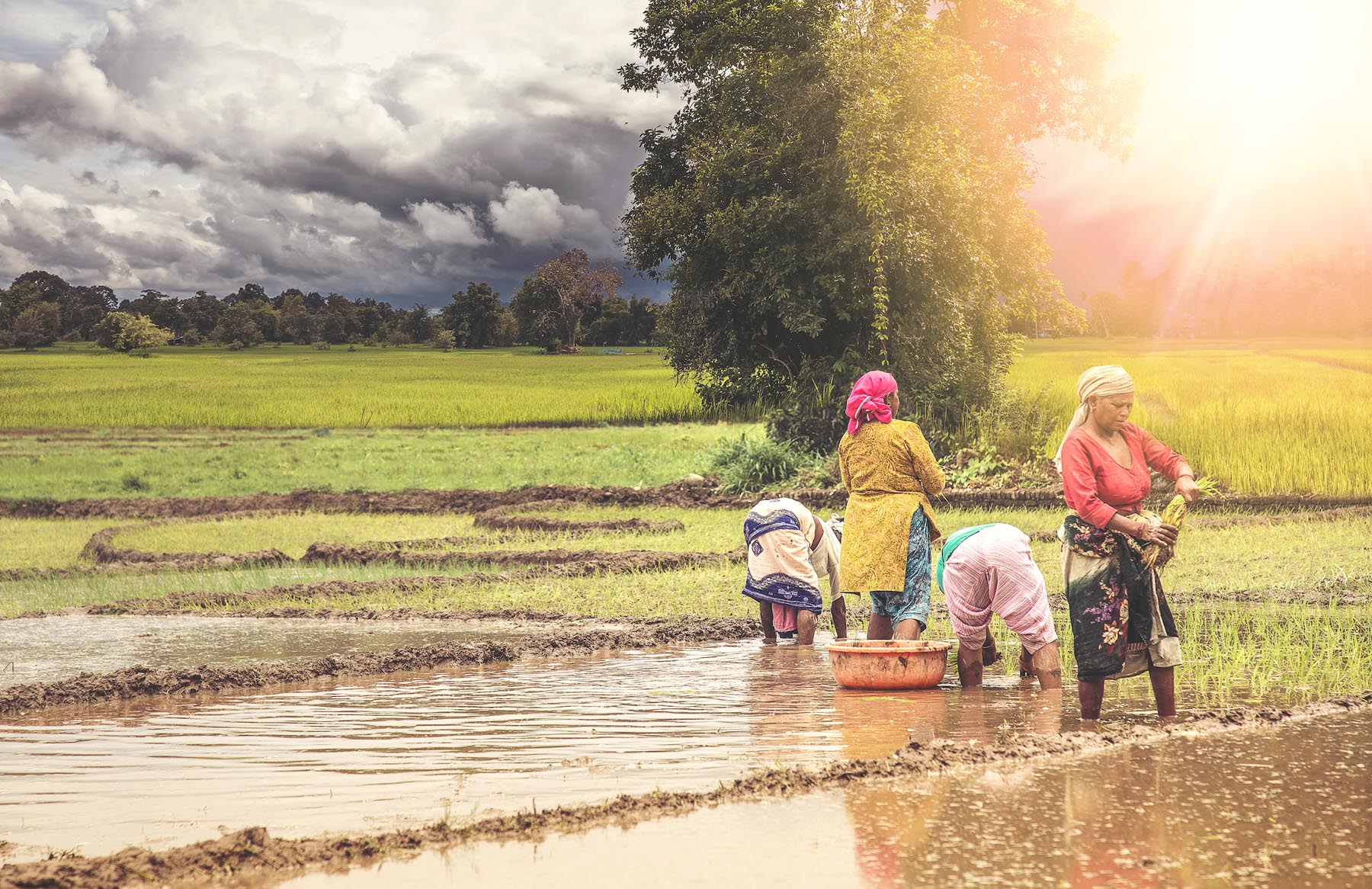
Globally, the price of rice has tripled since January 2007. While food price inflation affects all consumers, it hits the very poor hardest of all. For millions of poor Filipino families, buying rice at a market has become prohibitively expensive. Their main option now is to wait in long lines for government-subsidized rice and hope that the supply remains secure.
For information on rising food prices and IFPRI’s recommendations please visitwww.ifpri.org/themes/foodprices/foodprices.asp
Maria Teresa stands with her children at the doorway of her two-room house in Los Baños, the Philippines. At first glance, all of her children look healthy, but according to a visiting nutrition counselor, they are all malnourished. The youngest, Joyme, a severely undernourished two-year-old girl, weighs just 16 pounds (7.3 kg).
They are entirely dependent the earnings of Maria’s husband, a day laborer. He takes home about $10 per week, when he gets work.
Maria tells the counselor that she prepares fish and instant noodles with egg for her family. Later, she reluctantly admits that they eat only rice.
Globally, the price of rice has tripled since January 2007. While food price inflation affects all consumers, it hits the very poor hardest of all. For millions of poor Filipino families, buying rice at a market has become prohibitively expensive. Their main option now is to wait in long lines for government-subsidized rice and hope that the supply remains secure.
For information on rising food prices and IFPRI’s recommendations please visitwww.ifpri.org/themes/foodprices/foodprices.asp