




Search our blogs
Filters
Found 1330 Results
-
Why we need a holistic approach to improve our complex food system
To fix the problems of the global food system, think about how complex systems really work.
-

Improving the resilience of the poor in Ethiopia through community-based health insurance
Research shows that two of Ethiopia's social protection programs could work more effectively together.
-
Strengthen markets to aid India’s farmers
The Indian government's ambitious effort to boost farmer incomes has not gone as planned so far.
-
How trade wars threaten food security
Confrontations like the current standoff between the U.S. and China undermine the broad benefits of open trade and globalization, while doing nothing address the problems.
-

From ‘Look East’ and ‘Act East,’ India must ‘Think Big’ and ‘Act Big’
India has thus far failed to realize the full potential of trade integration with Southeast Asia. How to jump-start that process.
-
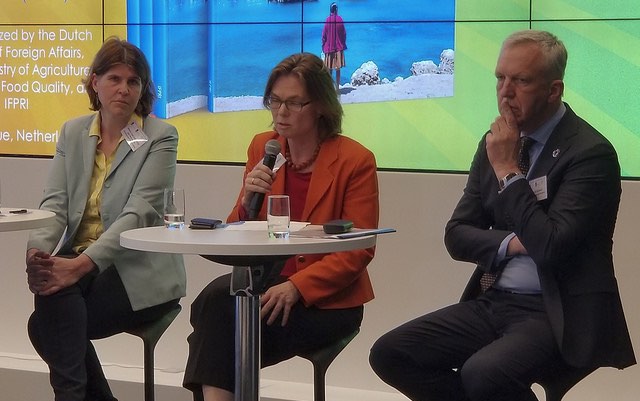
2018 GFPR The Hague launch: Putting together policy building blocks for global food security
Making food systems function more equitably for consumers, farmers, workers, migrants, and women – a discussion.
-
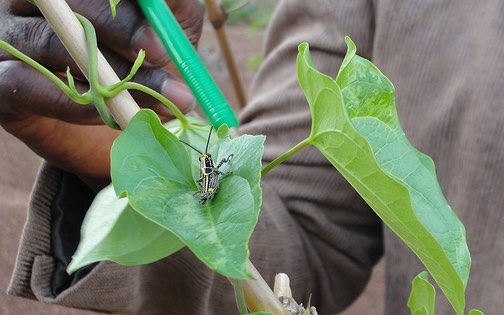
International Biodiversity Day: Diversifying agroecosystems to suppress crop pests
A new study suggests the potential for ecosystem-based pest management in Nigeria.
-

2018 GFPR Rome launch: How open trade impacts global nutrition
“The current food system was not built to promote healthy food” – FAO Director General José Graziano da Silva.
-

Canadian perspectives on the 2018 GFPR: Building women’s empowerment and food security
Efforts by Canada and others to promote gender equality in food systems—a discussion.
-

IFAD conference: Can development really succeed if rural inequalities are rising?
What can development organizations do to counter the impacts of rising global economic inequality on the rural poor?