




Search our blogs
Filters
Found 1312 Results
-
2015 World Soil Day: Celebrating an underappreciated resource
Think dirt doesn’t matter? Think again. All life on this planet depends on soil to survive. This is just one of many facts Shahidur Rashid, a senior research fellow at the International Food Policy Institute, shared in a video to celebrate World Soil Day. “If you think love is unconditional giving, soil has been doing […]
-
New study links poverty to heightened levels of aflatoxin exposure
Many of the foods people depend on most for their sustenance can carry a silent killer: aflatoxins. These naturally occurring fungal toxins contaminate food crops, such as maize, groundnuts, tree nuts, and a range of other produce.
-
Do economic predictions of damage from climate change cause policymakers to focus on the wrong thing?
Do economic predictions of damage from climate change cause policymakers to focus on the wrong thing?
-
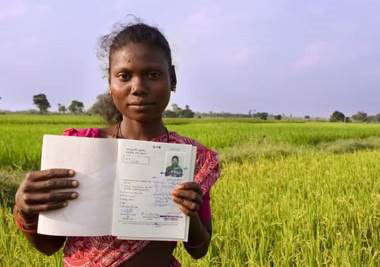
The four things you need to know about women’s land rights
At USAID, we know that addressing gender issues is essential in our work to end extreme poverty and create resilient, democratic societies. Period. Women are key drivers of economic growth and must gain access to and control of capital, land, markets, education and leadership opportunities in order to build vibrant economies and respond to a […]
-
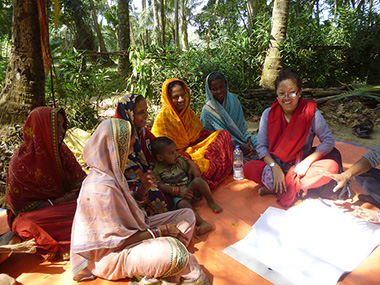
Reflections on policy impact and capacity strengthening in IFPRI’s country programs
Reflections on IFPRI’s country programs
Post by Paul Dorosh, Director of the Development Strategy and Governance Division.
-
Nutritious food for a billion people
One in three people in the world is malnourished. Deficiencies in vitamins and minerals such as vitamin A, iron, and zinc can cause blindness, reduced IQ, vulnerability to disease, and even death. Biofortification—breeding new, more nutritious varieties of staple food crops to increase their micronutrient content—is one promising approach for combatting micronutrient malnutrition among vulnerable […]
-

Worst famines vanish, but blocked humanitarian aid still a problem
Countries that have significantly lowered their hunger levels tend to have one thing in common. “When you look at results over time since 2000, it’s clear that the countries that have really made inclusive economic growth a priority have made substantially more progress than the countries that have not,” said Summer Allen, research coordinator in […]
-
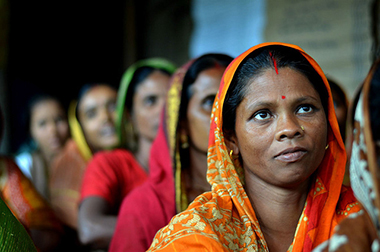
Takeaways from twenty years of gender and rural development research at IFPRI: The elements of resilience
This blog post, part three in a four-part series on IFPRI gender research in the past 20 years, shares key takeaways from research on themes of: groups and social capital; sustainability;
-

In memory of former IFPRI Director Raisuddin Ahmed
Dr. Raisuddin Ahmed served at IFPRI for 25 years and was the Director of the Markets and Structural Studies division of the Institute before becoming an Emeritus Research Fellow in 2001. He conducted research on agricultural production, trade, marketing and pricing policies in Asia and Africa and studied the effects of infrastructure and technological policies […]
-
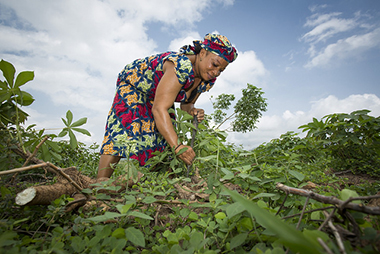
Takeaways from twenty years of gender and rural development research at IFPRI: Closing gender gaps in agriculture through property rights and governance
This blog post, part two in a four-part series on IFPRI gender research in the past 20 years, shares key takeaways from research on themes of: closing gender gaps in agricultural productivity