



Search our blogs
Filters
Found 1329 Results
-
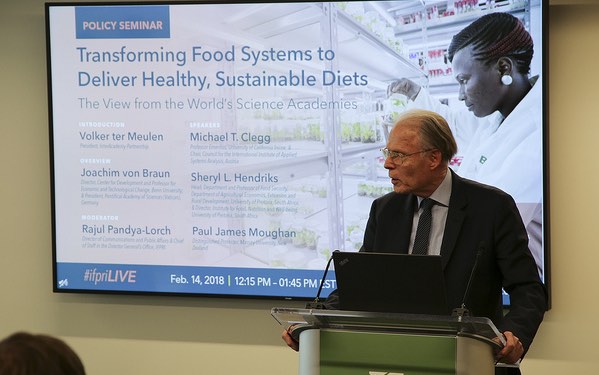
Policy seminar: The role of science, technology, and innovation in transforming food systems
A new report from the InterAcademy Partnership explores how the sciences can be better applied to achieve regional and global food security.
-
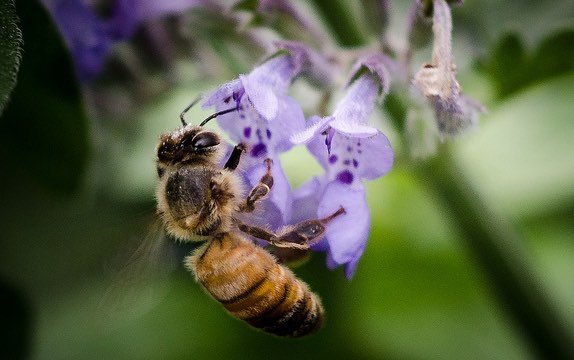
The threat declining insect populations pose to agriculture and development, and what we can do about it
The implications of a new paper showing insects are disappearing at a rapid clip globally.
-
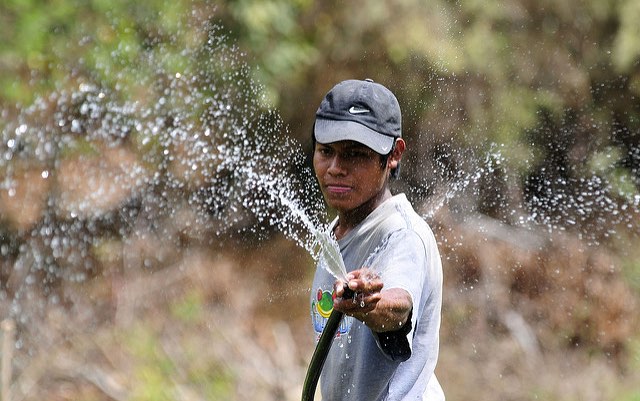
New diet, new destiny? Saving the planet takes more than changing what we eat
We must better understand the links between water, agriculture, sustainability, and food security.
-
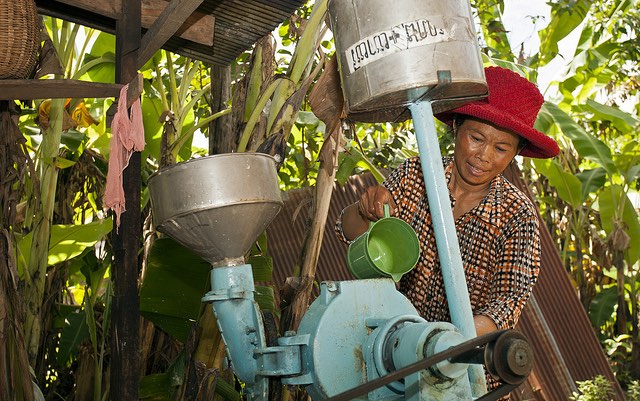
A decade ago, women’s empowerment in agriculture wasn’t even on the agenda
IFPRI programs help to spur the rapid shift toward integrating a gender focus into development projects.
-
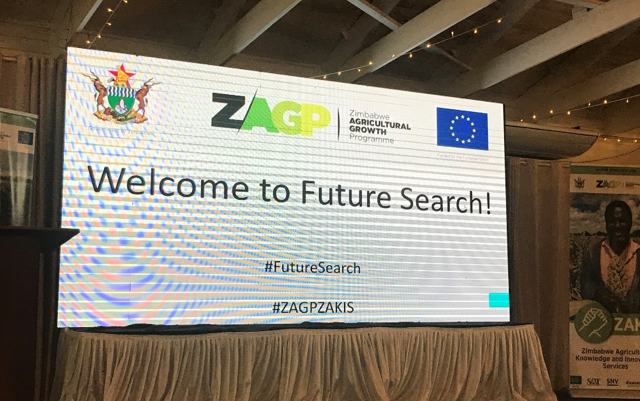
Charting the future of agriculture in Zimbabwe using a ‘Future Search’ event
An innovative exercise helps stakeholders break out of set ways of thinking.
-
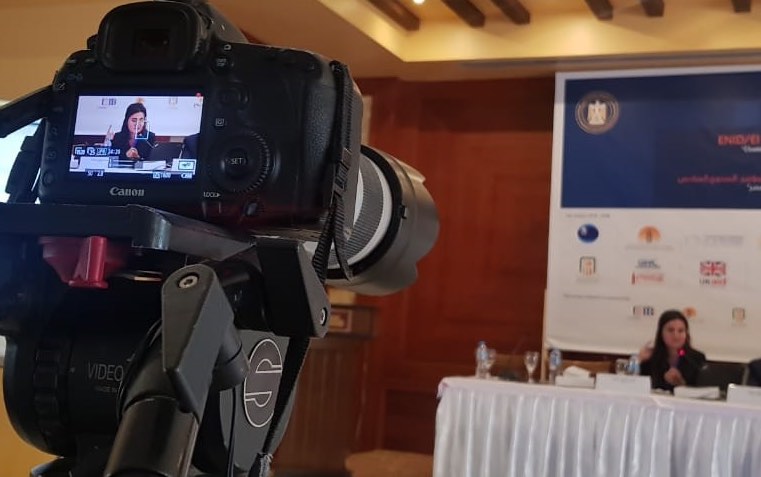
Egypt conference: Opportunities and challenges of cluster-based development
IFPRI researchers on what the evidence shows about sparking local economic development in China and Egypt.
-
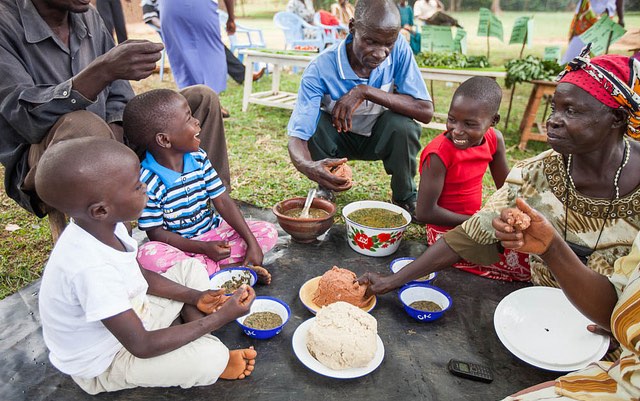
Growing agriculture-nutrition community points the way to achieving SDG2 by 2030
To end hunger and malnutrition in just over a decade, a new book says, focus on the key role of agriculture.
-
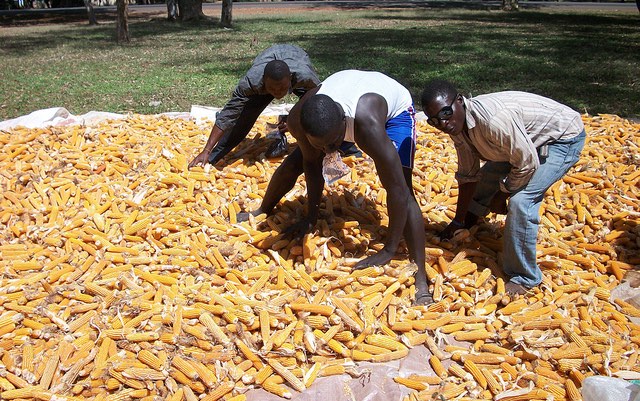
Does aflatoxin stunt child growth? Evidence from the first randomized trial
Examining one possible impact of a common health hazard on young children.
-
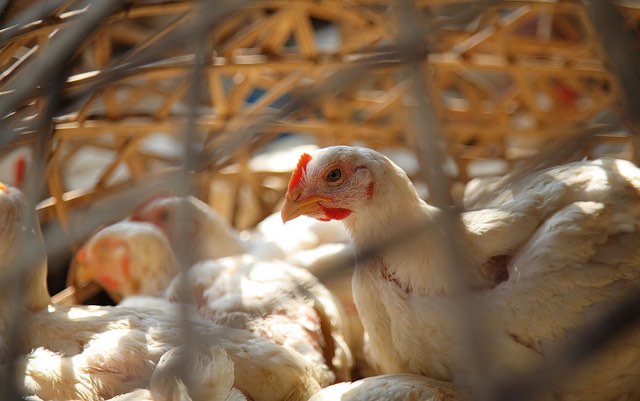
New research partnership to tackle the global problem of antimicrobial resistance
Overuse of antibiotics is creating a looming public health crisis that will hit the developing world hard.
-
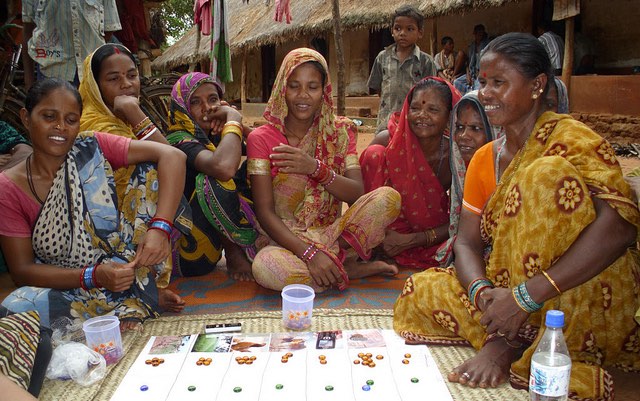
Data can be sexist. Here’s how IFPRI is fixing that problem.
The Women in Agriculture Empowerment Index (WEAI) and Gender, Agriculture, and Assets Project, Phase 2 (GAAP2) generate new insights into women's roles.