



Mindblown: a blog about philosophy.
-
Genetic resources and seed systems policy
-
National Agriculture Investment Plan (NAIP)
-
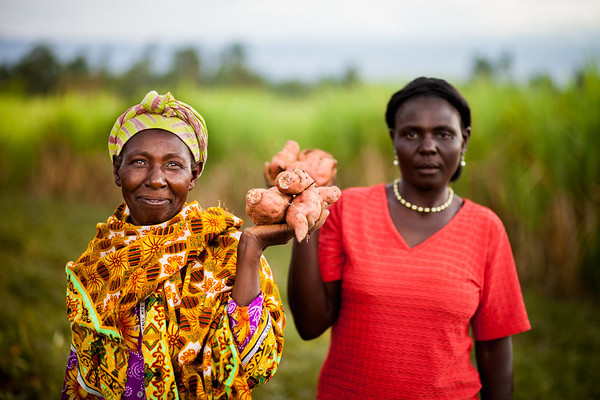
Program of Accompanying Research for Agricultural Innovation (PARI)
PARI brings together partners from Africa, India and Germany to contribute to sustainable agricultural growth and food and nutrition security in Africa and India as part of the One World – No Hunger initiative.
-
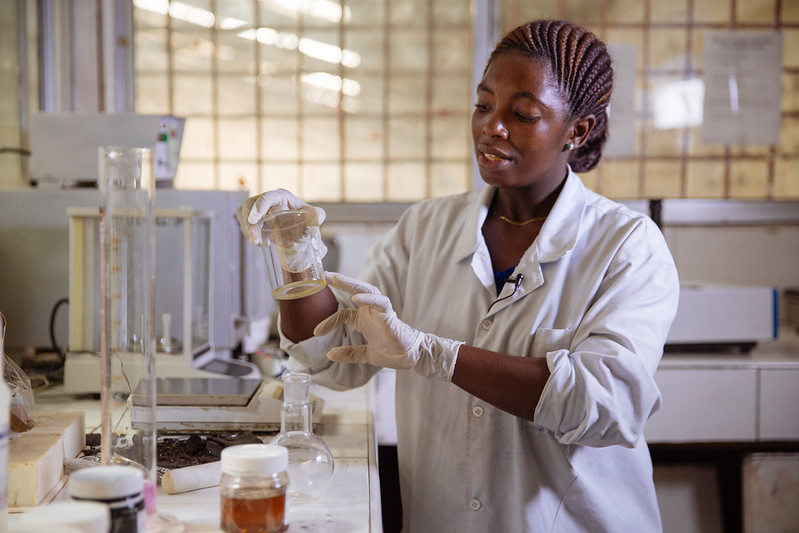
Agricultural Science and Technology Indicators (ASTI)
Sound policies require access to up-to-date and reliable S&T investment data providedby ASTI.Visit ASTI Website
-
Integrated Food Policy and Research Program (IFPRP)
The Integrated Food Policy and Research Program combines policy research with capacity strengthening to tackle all four aspects of food security – availability, access, utilization, and stability – in a holistic and sustainable approach
-
Spatial Data and Analytics (SDA)
Research focuses on the new opportunities arising from recent developments in big data, remote sensing, artificial intelligence to support enhanced monitoring, measurement and management of farming systems for more sustainable food production.
-
Statistics on Public Expenditures for Economic Development
-
Knowledge Lab on Climate-Resilient Food Systems
This program will identify and deploy innovative approaches to achieving resilient food systems in a context of climate change.
-
Food Industries for People and Planet (FIPP)
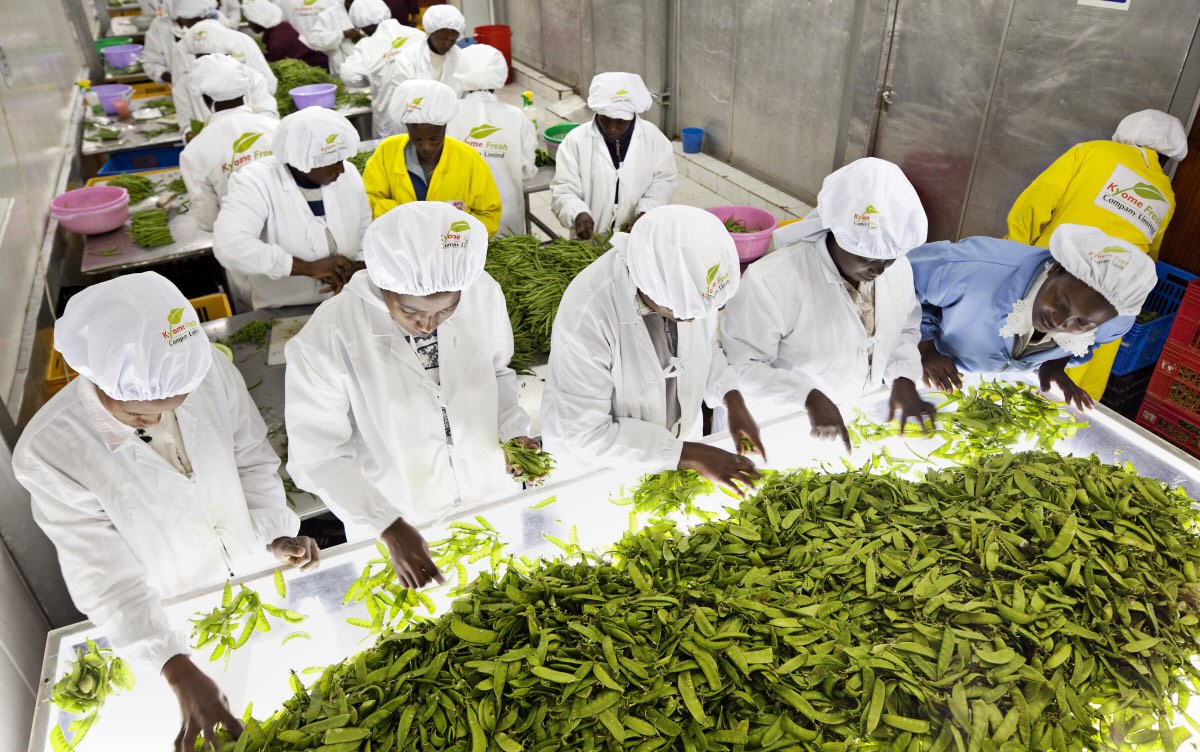
FIPP expands traditional ways of thinking about the global food system and provides evidence-based policy assessments aimed at making agri-food industries and food systems more inclusive, efficient, and conducive.
-
Urban Food Systems for Better Diets, Nutrition, and Health
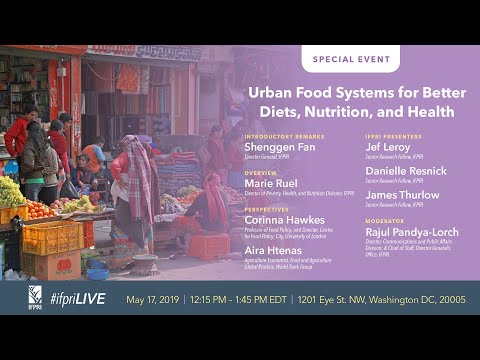
This program aims to guide policymakers and other key actors in designing and implementing effective food system policies to support healthier diets and optimal nutrition and health for the urban poor.
-
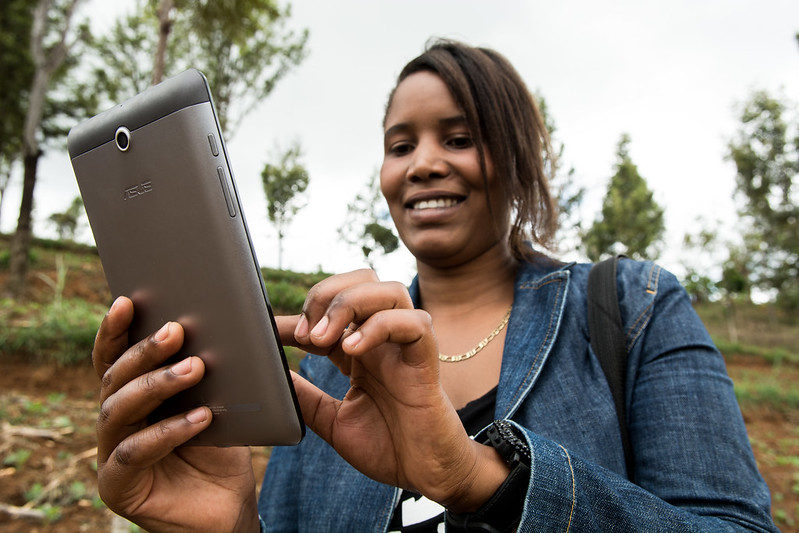
CGIAR Platform For Big Data In Agriculture
Using big data approaches to solve agricultural development problems faster, better and at a greater scale than before.
-
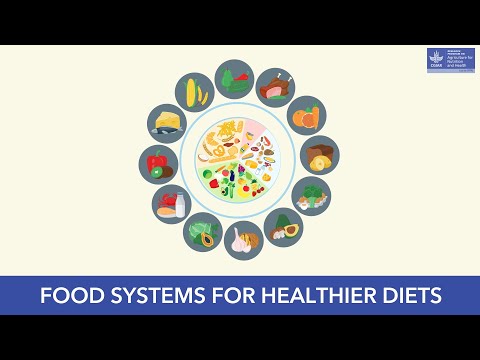
Food Systems for Healthier Diets
-
Land Resource Management for Poverty Reduction
Land-based resources generate most of the income and subsistence goods for the poor in developing countries.
-
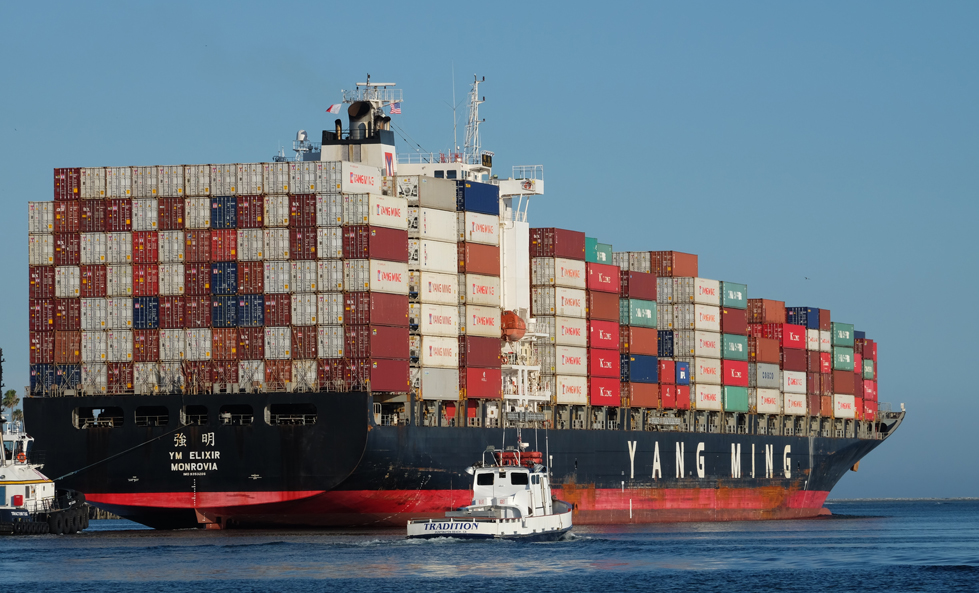
Trade Tensions
-
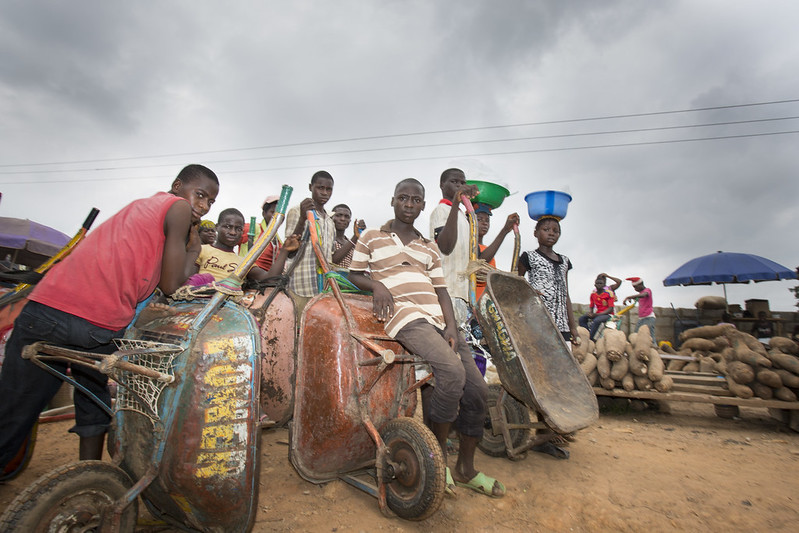
Measuring cross border trade in Africa
-
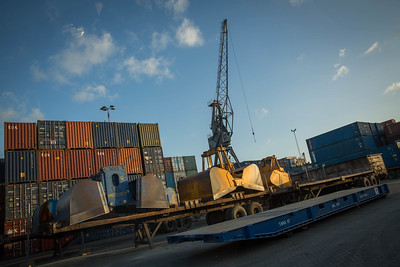
Africa Regional Integration and the AfCFTA
-
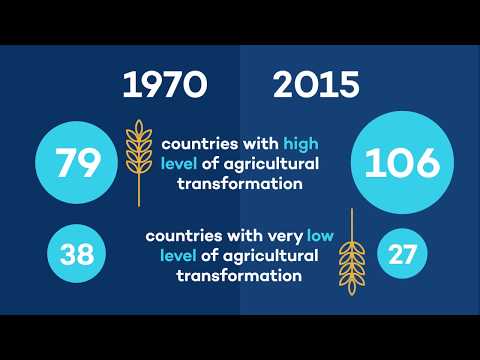
Agricultural Transformation and Policy: What are the policy priorities?
-
Ceres2030: Sustainable Solutions to End Hunger
The Ceres2020 partnership works to provide the donor community with a menu of agricultural and food policy options for directing their investments, backed by the best available evidence and economic models
-
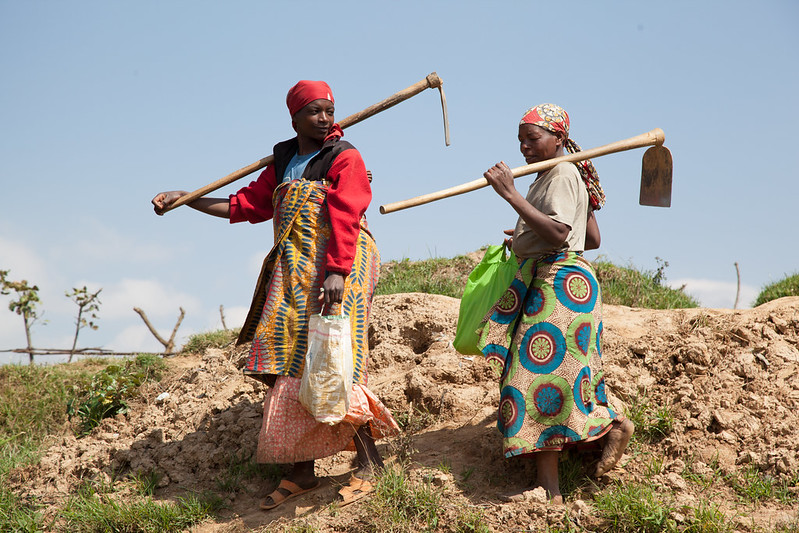
Voice for Change Partnership (V4CP)
The Voice for Change Partnership (V4CP) programme is a collaboration between the Dutch government, SNV, and IFPRI to empower civil society organisations.
-
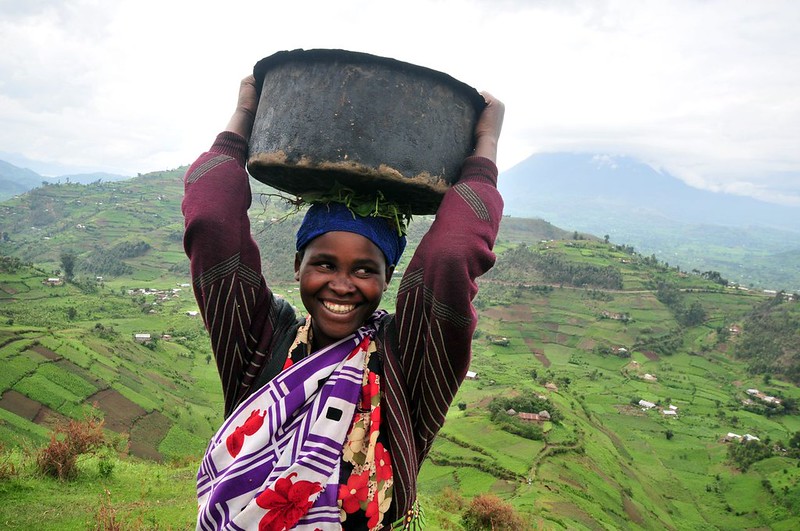
Reaching Smallholder Women with Information Services and Resilience Strategies to Respond to Climate Change
-
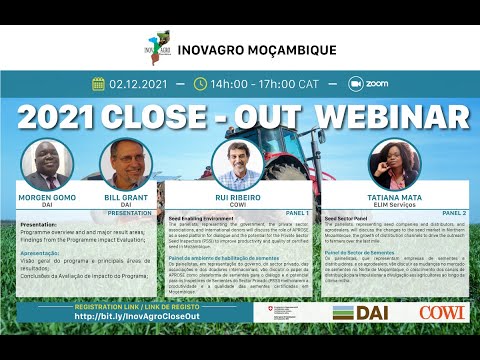
Impact Evaluation of the InovAgro Market Systems Development Project
InovAgro provides recommendations to MSD practitioners and SDC of how to improve and strengthen the monitoring and evaluation system of future MSD projects, and influence the design of future agricultural policies in Mozambique.
-
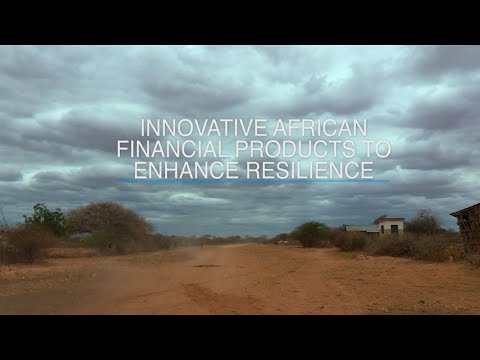
Satellite Technologies, Innovative and Smart Financing for Food Security (SATISFy)
RCC is a linked or bundled financial product that incorporates insurance protection, providing a risk-efficient balance between business and financial risks. When triggered, the insurance offsets payments due to the lender.
-

Cash Transfer and Intimate Partner Violence Research Collaborative
Advancing the research agenda linking cash transfers and IPV, in order to effectively leverage cash programming for IPV prevention among poor and vulnerable women in low- and middle-income settings.
-
Ghana Tilapia Seed Project (TiSeed)

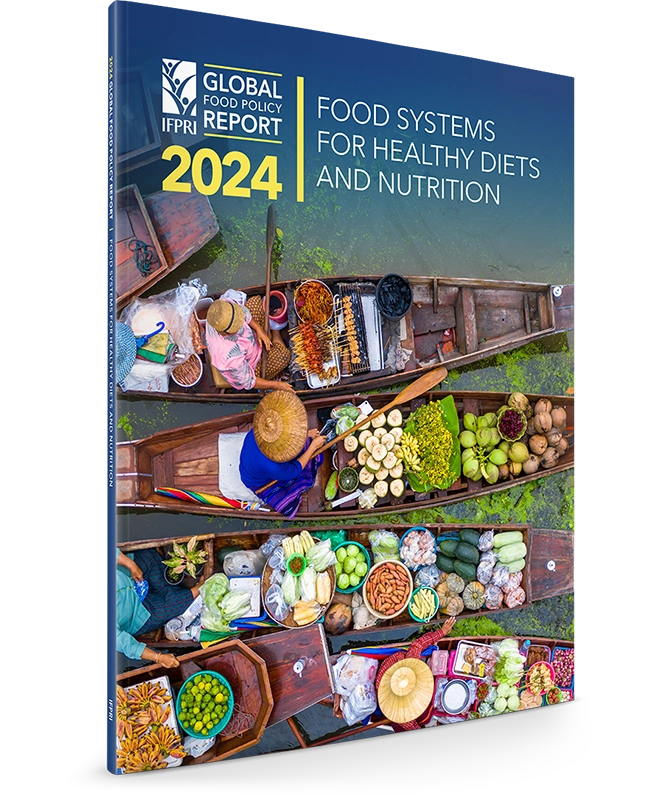
The 2024 Global Food Policy Report
This decade has been marked by multiple, often overlapping, crises. The COVID-19 pandemic, natural disasters, and the ongoing war in Ukraine have all threatened the fabric of our global food systems. But opportunities can be found amid crises, and the world’s food systems have demonstrated surprising resilience. With new evidence on what works, now is the time to rethink how we address food crises. Better prediction, preparation, and resilience building can make future crises less common and less devastating, and improved responses can contribute to greater food security, better nutrition, and sustainable livelihoods.