



Mindblown: a blog about philosophy.
-
Pluralistic Extension System in Malawi
-
Developing local extension capacity (DLEC)
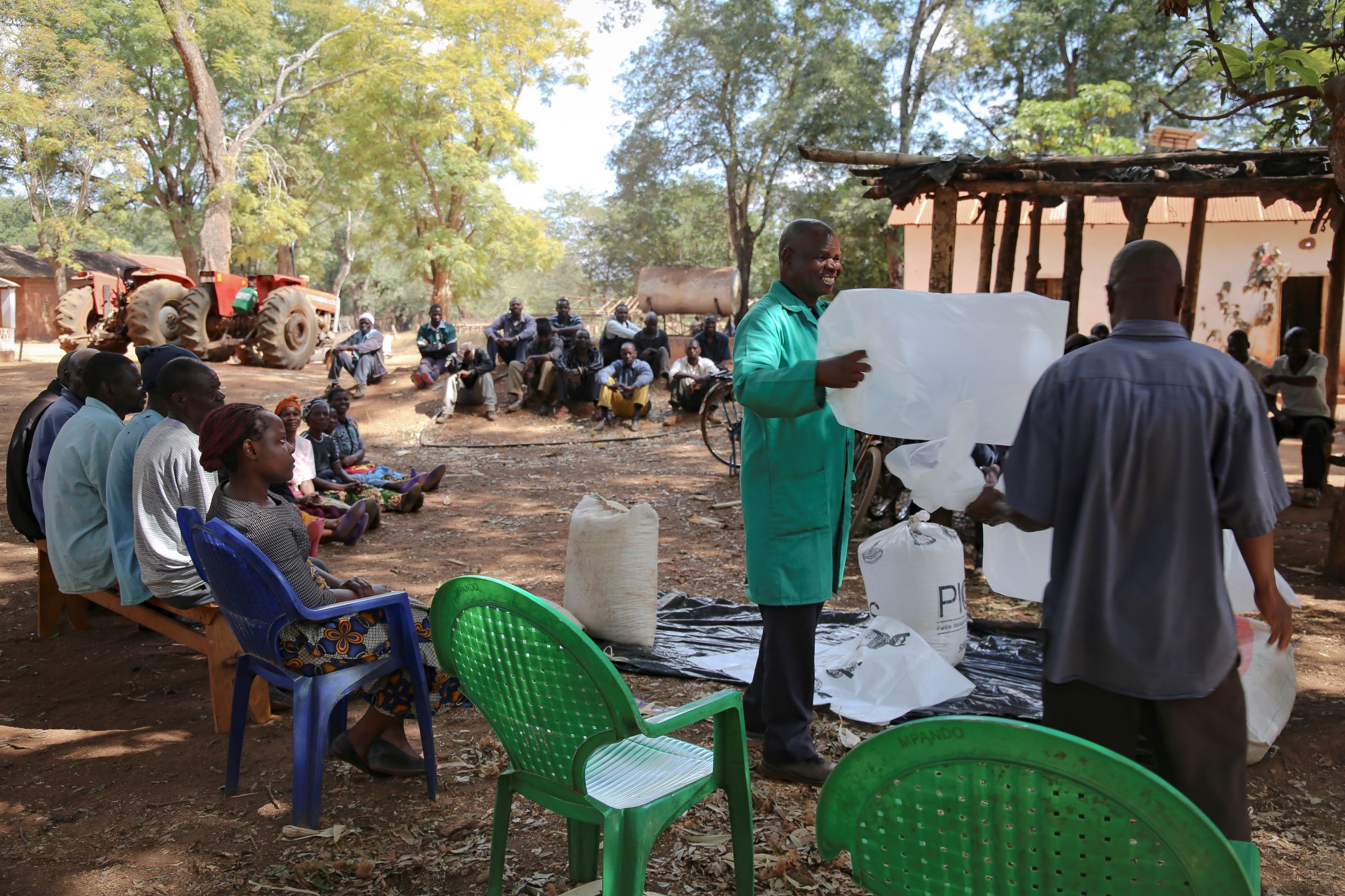
Improving agricultural extension and advisory services through action, evidence and advocacy.
-

Value Chains Knowledge Portal
-
Addressing the impacts of climate change in the Philippine agriculture sector
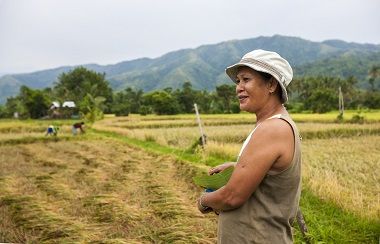
Aimed to establish a decision-support mechanism on agricultural, climate change and food security policies, that uses newly generated data, modelling output and innovative scenario assessment.
-
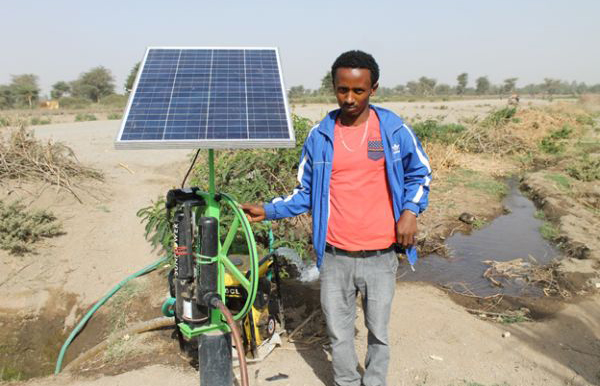
Ethiopian Energy Development Strategy
Provides evidence-based policy recommendations for optimal use of the country’s energy resources to improve electricity access, promote energy security and mitigate greenhouse gas emissions to contribute to mitigating climate change.
-
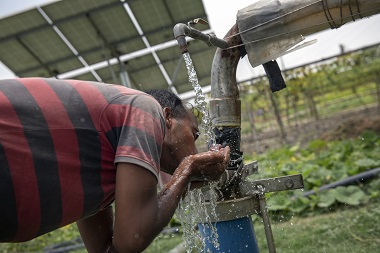
Mapping Solar Irrigation Potential
-
Picture-Based Crop Insurance (PBI)
How we work This video illustrates our approach in practice through the Picture-Based Insurance project Knowledge Outputs
-
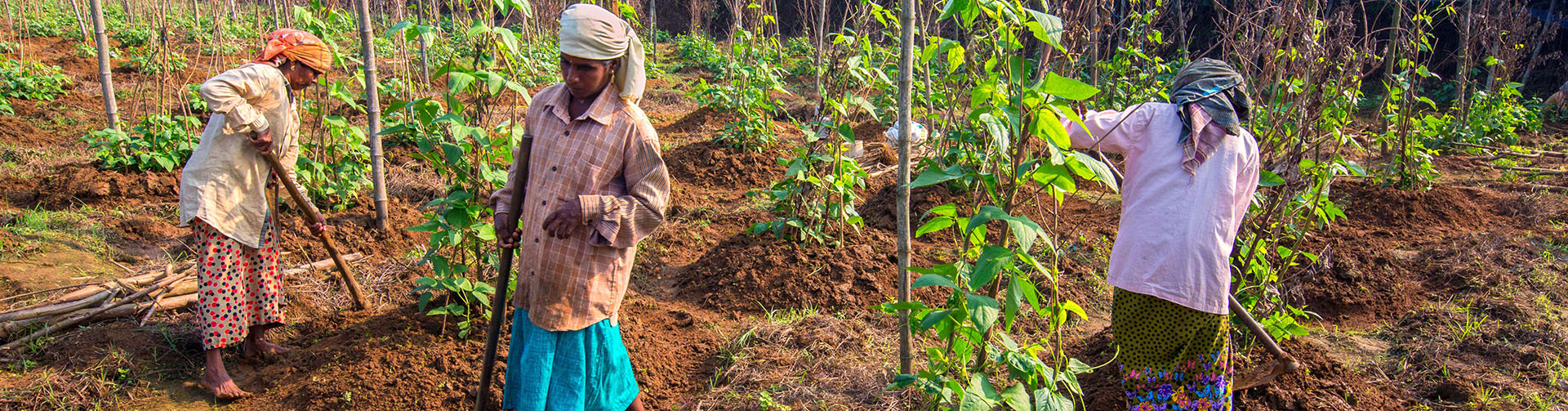
GCAN: Gender, Climate Change And Nutrition Integration Initiative
Gender-Responsive and Climate-Resilient Agriculture for Nutrition
-

Foresight Modeling with IFPRI’s IMPACT Model
International Model for Policy Analysis of Agricultural Commodities and Trade (IMPACT) is a network of linked economic, water, and crop models.
-
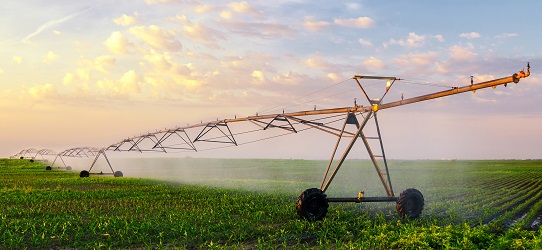
Assessment of the role of irrigation for climate change adaptation in Africa
-
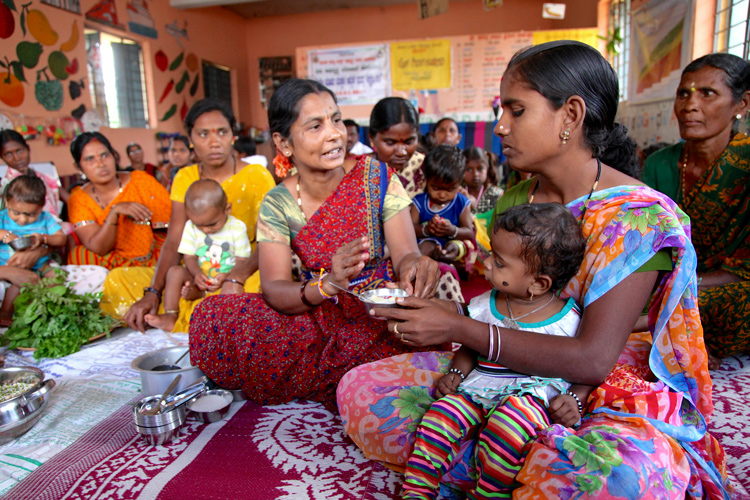
Women Improving Nutrition through Group-based Strategies (WINGS)
-
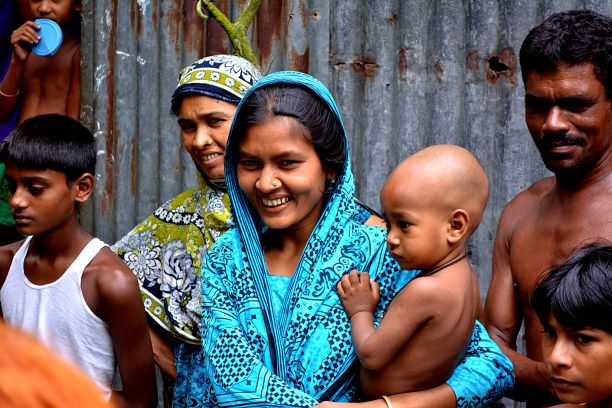
Targeting and Realigning Agriculture for Improved Nutrition (TRAIN)
-
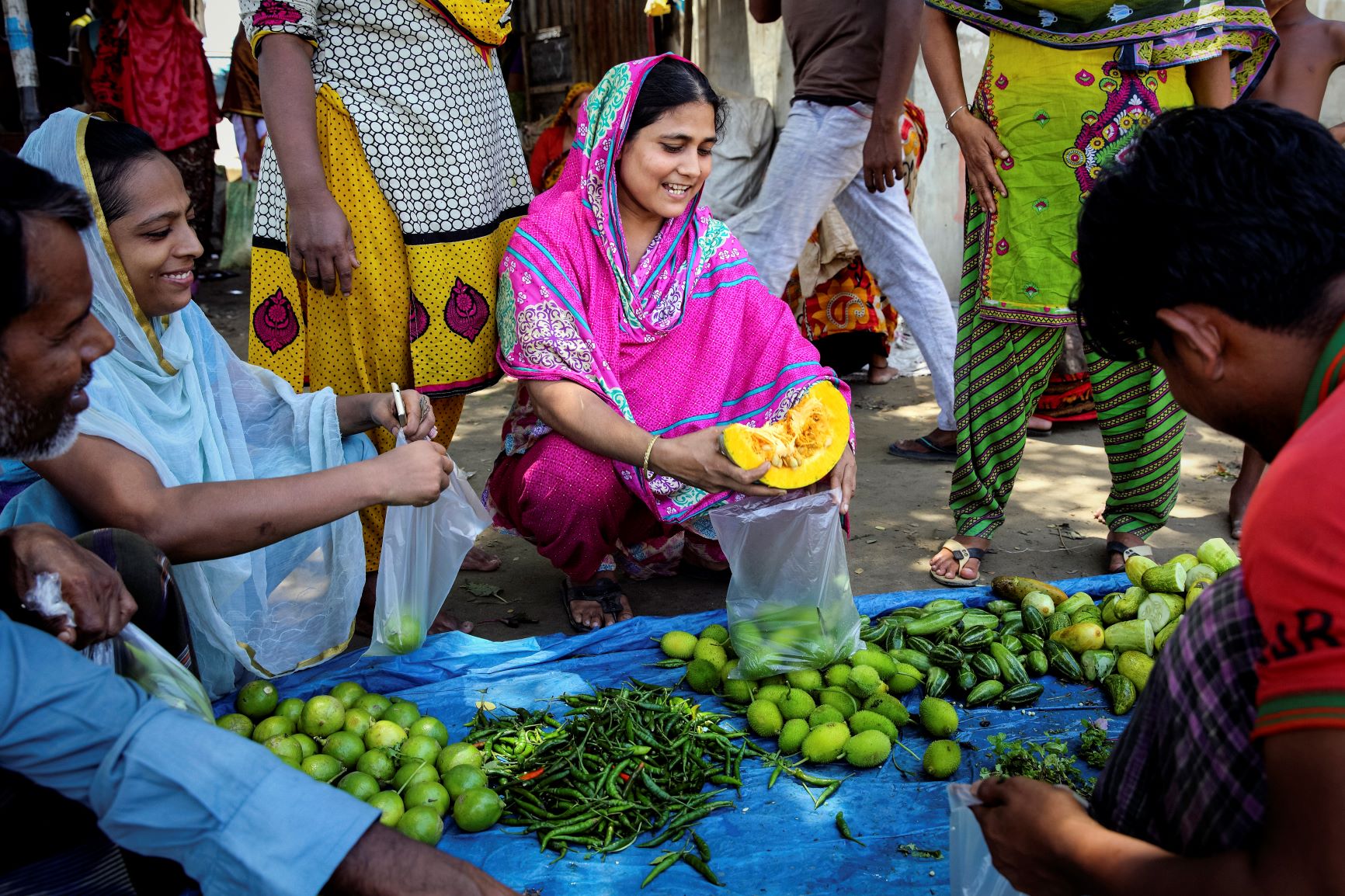
Agriculture, Nutrition, and Gender Linkages (ANGeL)
The Agriculture, Nutrition, and Gender Linkages (ANGeL) project aims to identify actions and investments in agriculture that can leverage agricultural development for improved nutrition, and make recommendations to further women’s empowerment
-
Advancing Research on Nutrition and Agriculture (ARENA)
ARENA studies the linkages between animal source foods and stunting, on measuring and improving the affordability of healthy foods and healthy diets, on farming systems and nutrition, and the impacts of structural transformation on nutrition
-
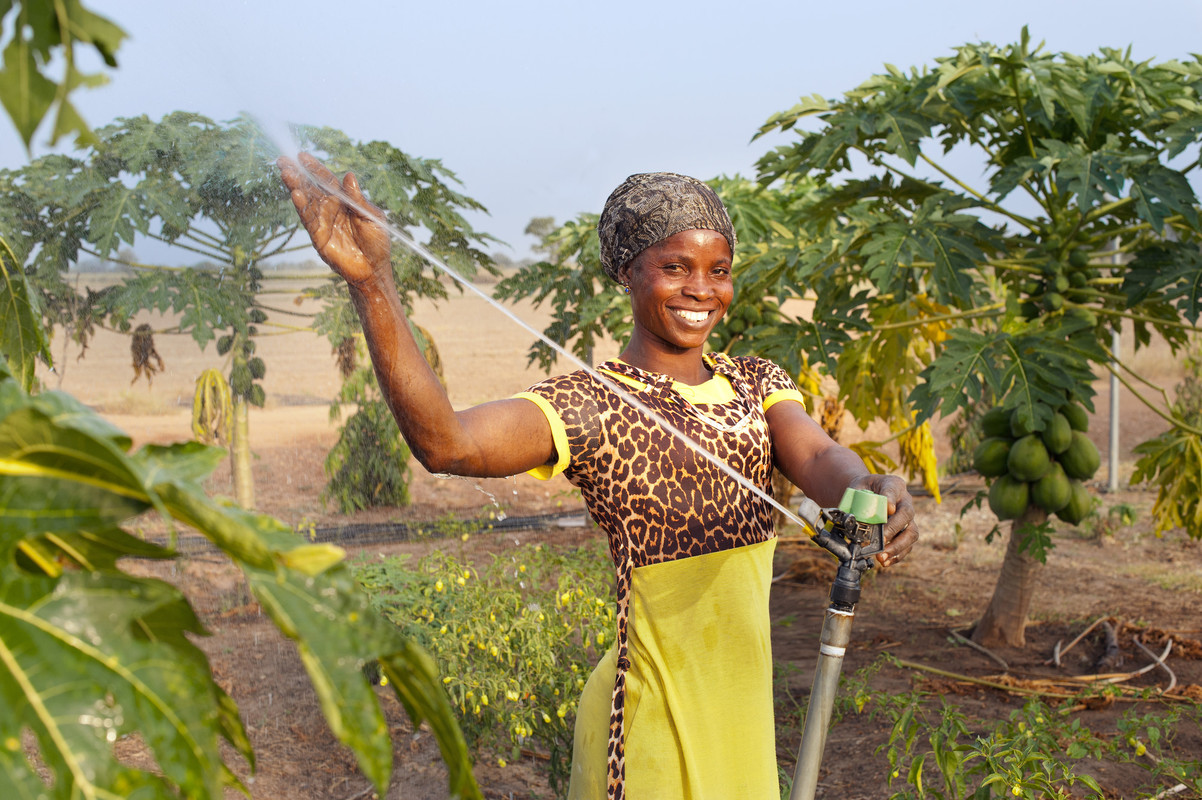
Impact of Irrigation on Agricultural Productivity, Nutrition, Health and Women’s Empowerment in Ghana
The benefits of irrigation go beyond impacts on yields, with large potential benefits for nutrition security, health, and women’s empowerment.
-
The Water Energy Food Nexus
Global, basin and local case studies of resource use efficiency under growing natural resource scarcity
-
Feed the Future Innovation Lab for Small-Scale Irrigation (ILSSI)
-

Scaling-Up Climate Smart Agriculture through Policies and Institutions: Linking It with National Agenda of Food Security (CCAFS)
-
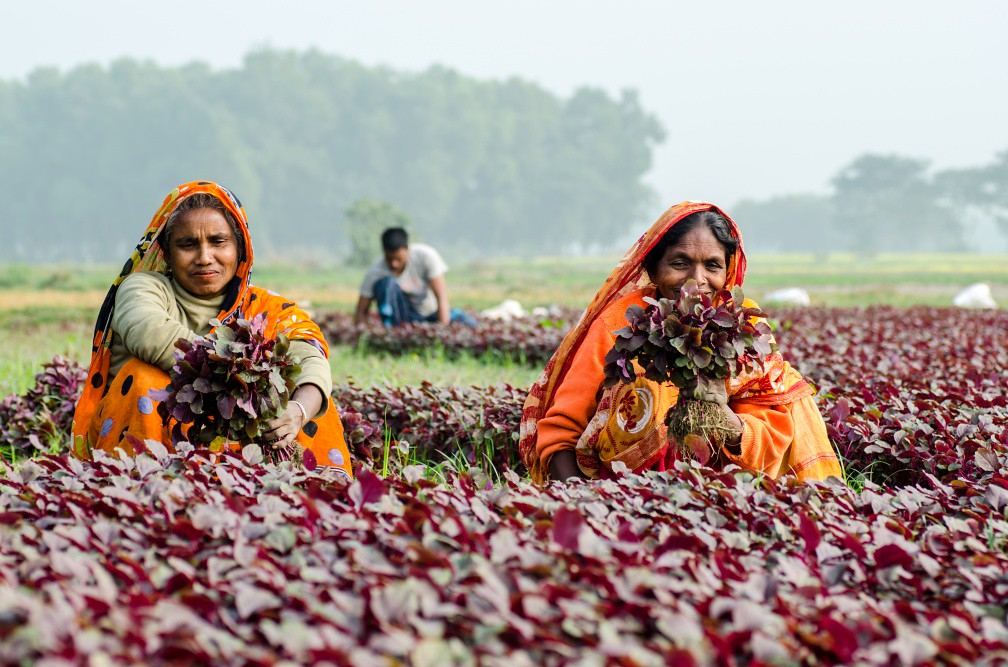
Women’s Empowerment in Agriculture Index (WEAI)
Released in 2012, the Women’s Empowerment in Agriculture Index (WEAI) is an innovative tool that measures women’s empowerment in agriculture. Visit WEAI website.
-
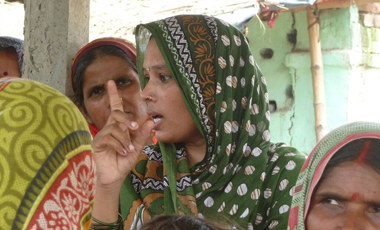
Gender, Agriculture, and Assets Project (GAAP)
-
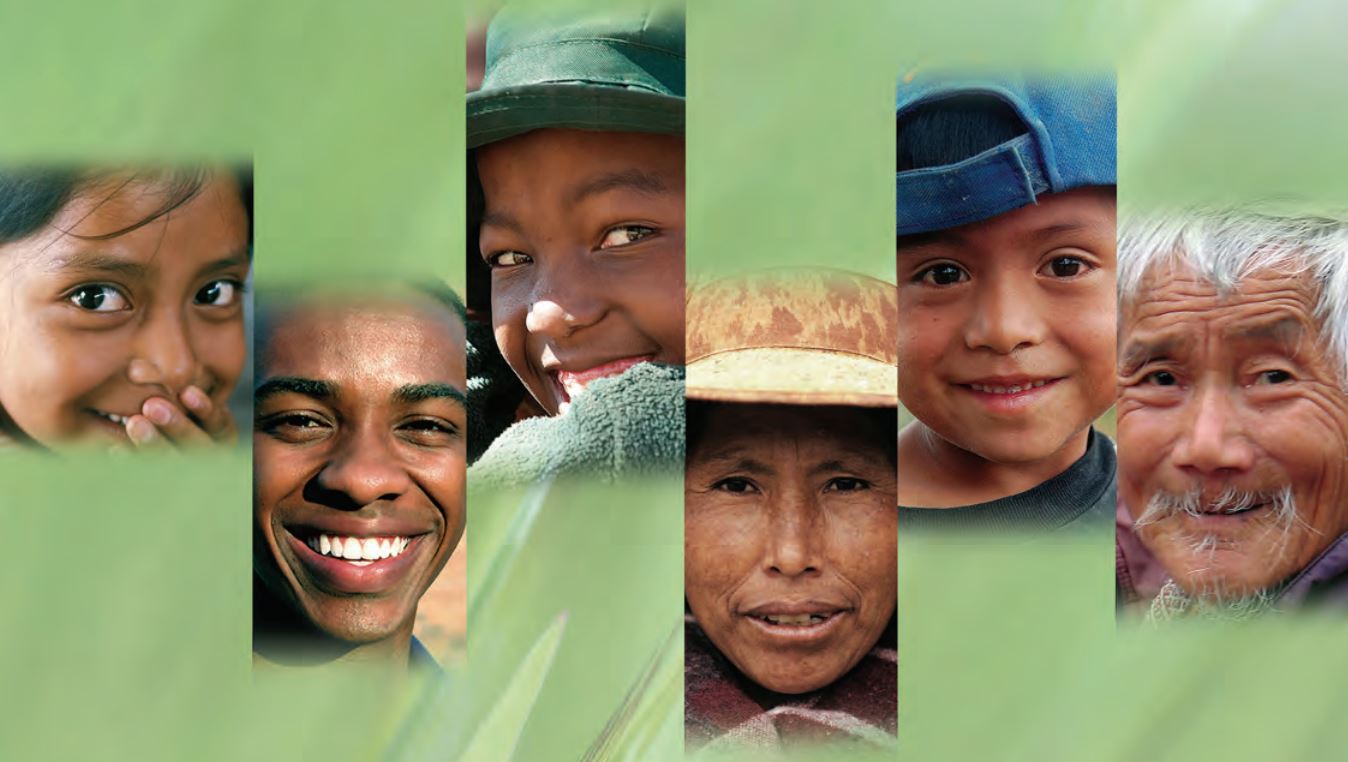
Millions Fed
Learning from successes in agricultural development is now more urgent than ever.
-
Water quality for agriculture and economic growth
Research Questions: What are the key water quality stressors in developing countries and which countries rank worst and best in terms of domestic, industrial and agricultural water pollution? Which investments can best address adverse water quality outcomes?
-
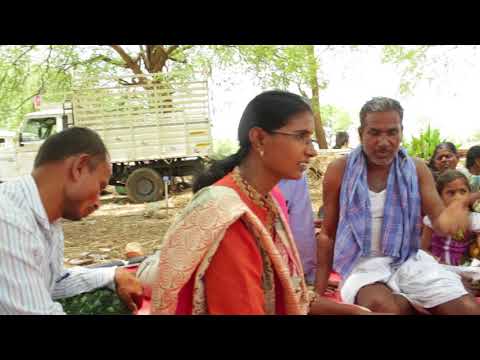
Experimental games for strengthening collective action
-
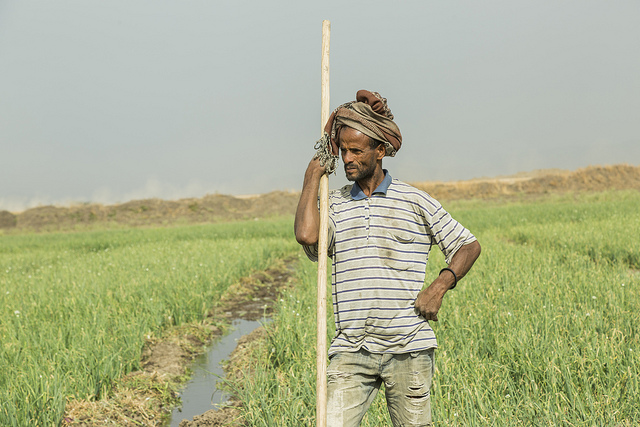
Energy use in agriculture
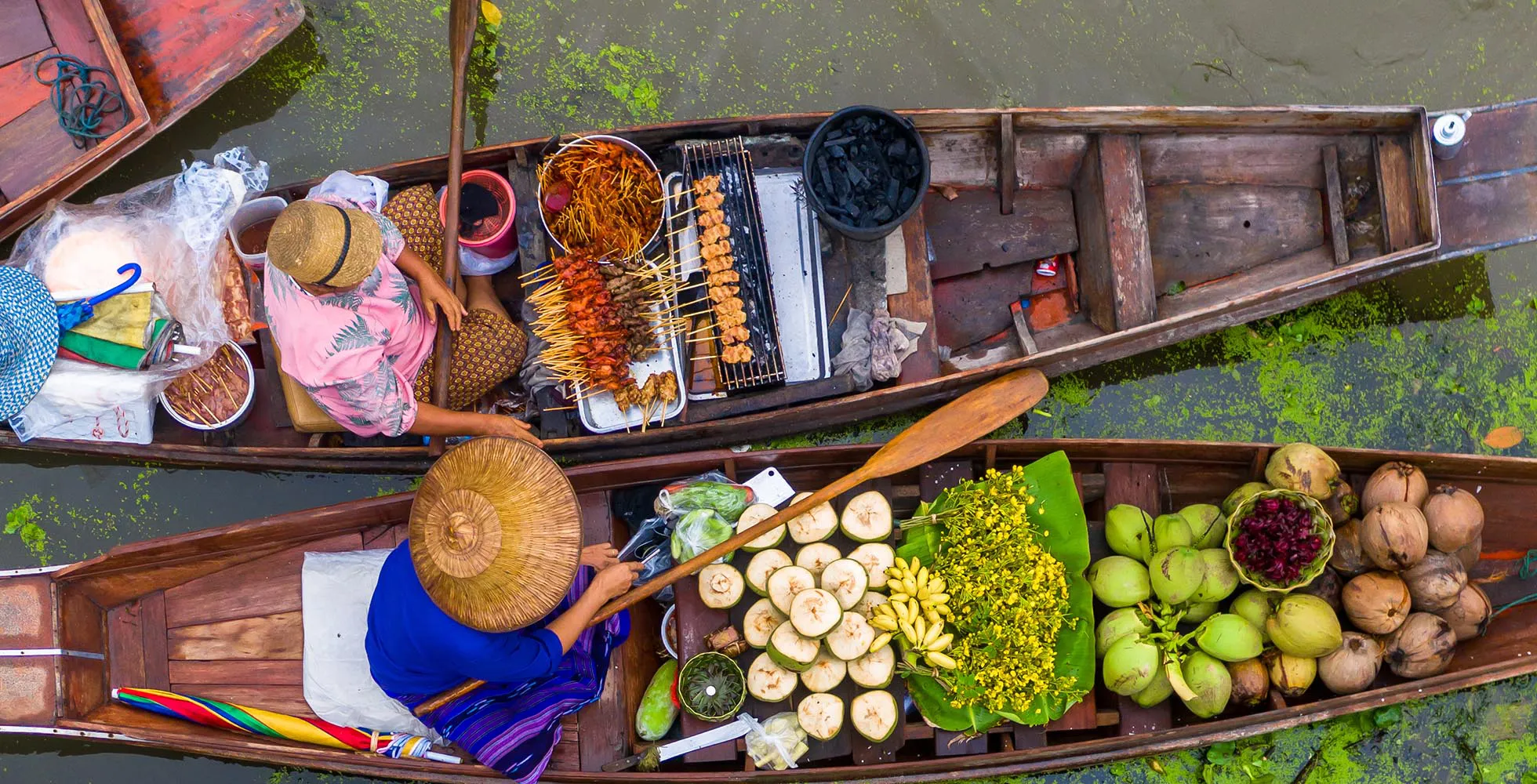
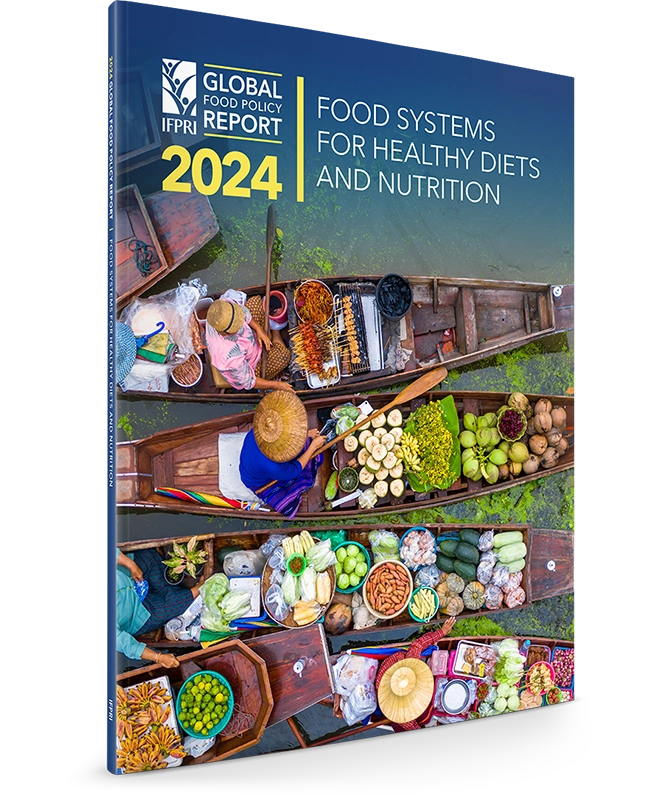
The 2024 Global Food Policy Report
This decade has been marked by multiple, often overlapping, crises. The COVID-19 pandemic, natural disasters, and the ongoing war in Ukraine have all threatened the fabric of our global food systems. But opportunities can be found amid crises, and the world’s food systems have demonstrated surprising resilience. With new evidence on what works, now is the time to rethink how we address food crises. Better prediction, preparation, and resilience building can make future crises less common and less devastating, and improved responses can contribute to greater food security, better nutrition, and sustainable livelihoods.