





IFPRI Projects
For additional resources, refer to the quick links provided below.
Quick Links:
Filters
Found 134 Results
-

Program of Accompanying Research for Agricultural Innovation (PARI)
PARI brings together partners from Africa, India and Germany to contribute to sustainable agricultural growth and food and nutrition security in Africa and India as part of the One World – No Hunger initiative.
-

Reaching Smallholder Women with Information Services and Resilience Strategies to Respond to Climate Change
Climate change is already affecting the livelihoods of small farmers around the globe, particularly in marginal environments where farmers lack resources to address the climate challenges they face. Climate-smart agriculture (CSA) is a set of guiding principles to identify technologies, practices, tools and policies to sustainably increase agricultural productivity and […]
-

Regional Trade and Agricultural Transformation in the Bay of Bengal Countries
The partnership between IFPRI and BIMSTEC will focus on regional trade, poverty and food security, and climate change
-

RIAPA Data and Modeling System
Overview The Rural Investment and Policy Analysis (RIAPA) data and modeling system is IFPRI’s primary tool for forward-looking, economywide country-level analysis, serving as a simulation laboratory for experimenting with policies, investments, or economic shocks. Figure 1 is a representation of the structure of the RIAPA system. At its core is […]
-

RIAPA.AI
RIAPA.AI bridges the gap between complex economic simulation and accessible policy analysis. By pairing a general-purpose LLM interface with a rigorous CGE mathematical engine, the platform enables policymakers to specify scenarios, run economic models, and generate consistent analytical reports in minutes. The AI acts strictly as an interface and analyst […]
-
Risk Contingent Credit for Resilience
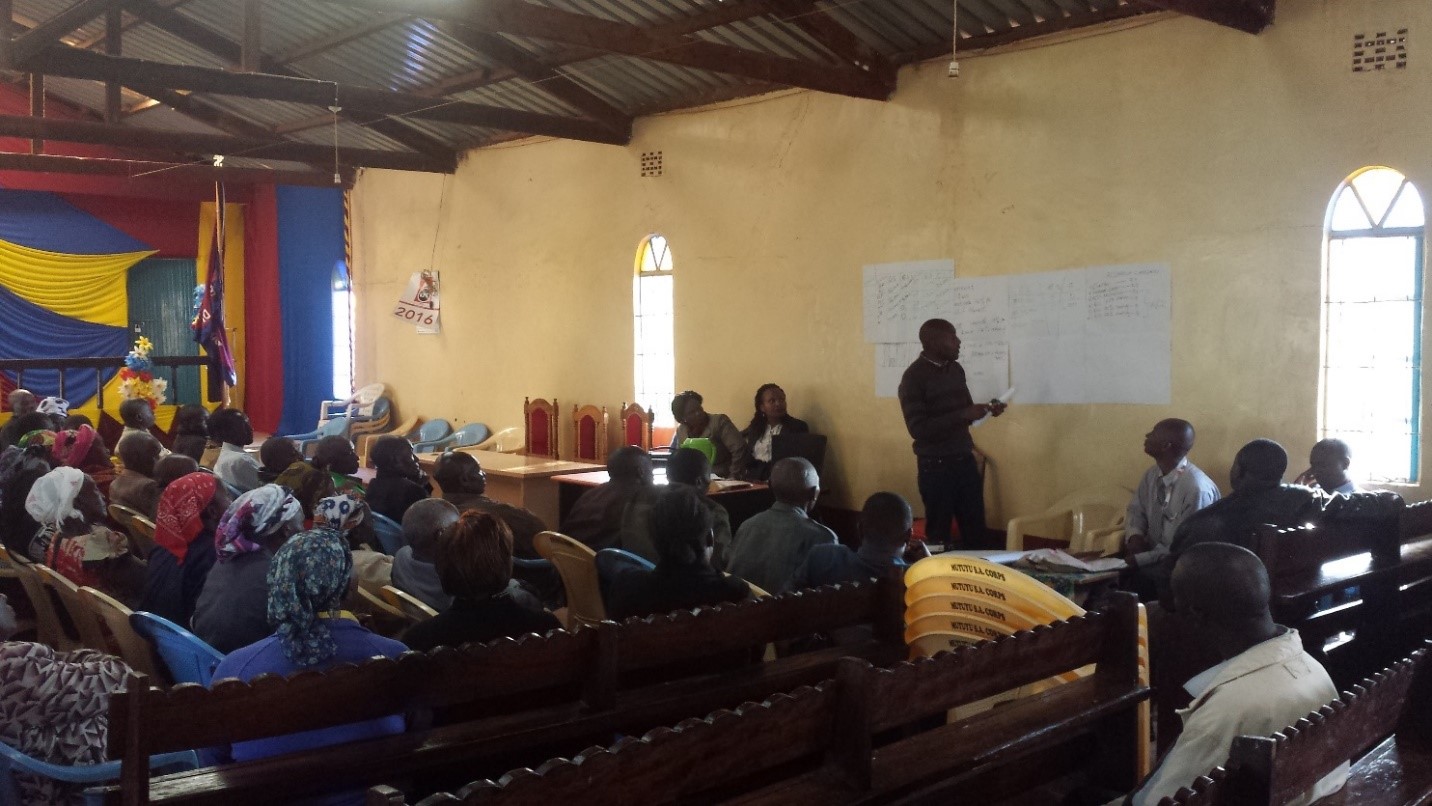
Piloting a market-based, innovative, risk management solution in the form of Risk-Contingent Credit (RCC), a linked financial product that embeds insurance protection which, when triggered, offsets loan payments due to the lender.
-
Satellite Technologies, Innovative and Smart Financing for Food Security (SATISFy)
RCC is a linked or bundled financial product that incorporates insurance protection, providing a risk-efficient balance between business and financial risks. When triggered, the insurance offsets payments due to the lender.
-
Scaling up experiential learning tools for sustainable water governance in India
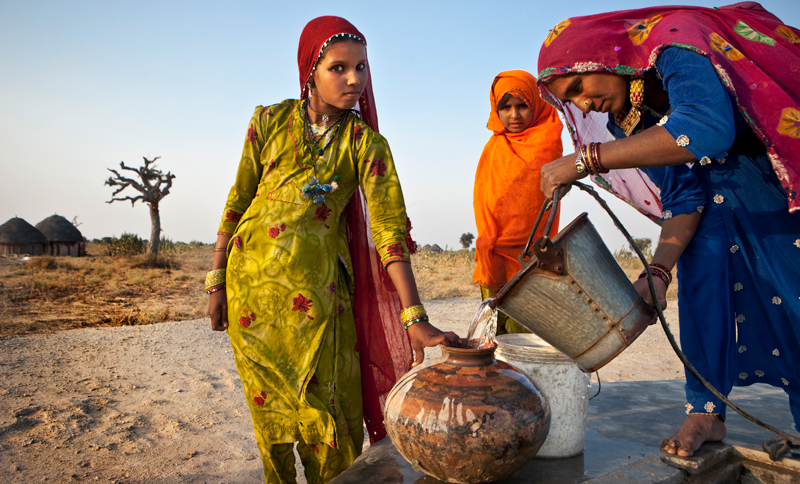
Enhance sustainable water management at scale in six Indian states to manage water more sustainably.
-

Scaling-Up Climate Smart Agriculture through Policies and Institutions: Linking It with National Agenda of Food Security (CCAFS)
Over the years there has been a significant impact of climate change in South Asia region. South Asia Association for Regional Cooperation (SAARC) Agricultural Vision 2020 indicate that climate change will be a threat to food security. Similarly, national governments have developed their own sets of policies and measures to […]
-
School Meals and School-based Actions for People and the Planet
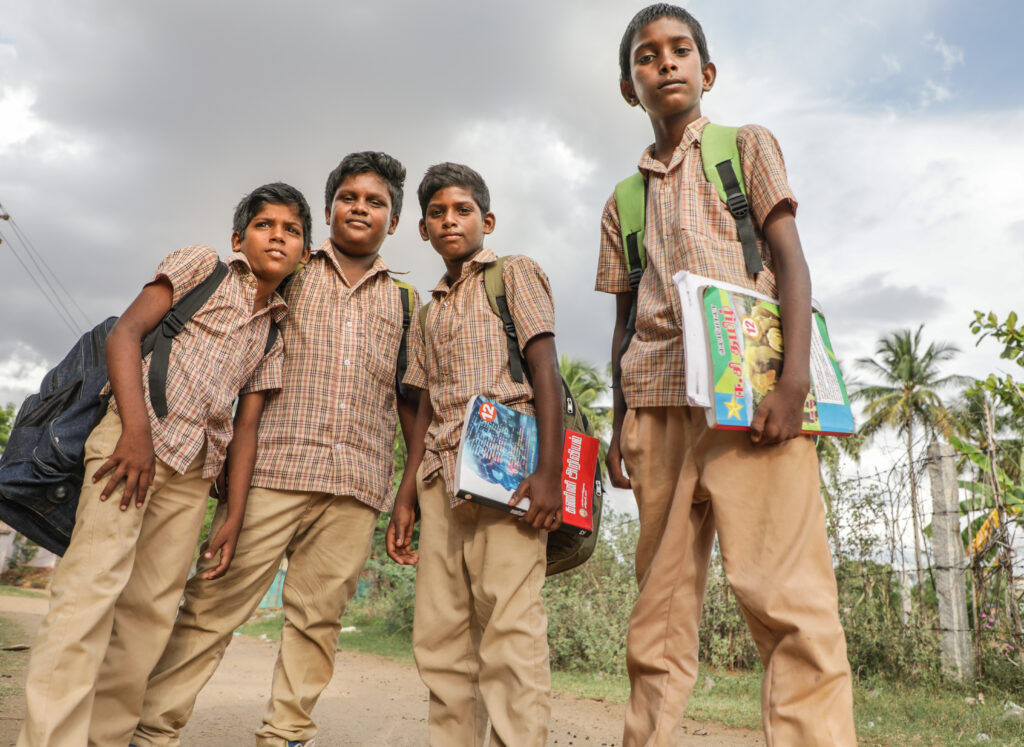
School meals are among the world’s most widely implemented social programs, reaching more than 400 million children globally each year. Beyond their proven benefits for learning and nutrition, school meal programs can be powerful entry points for multisectoral action, including strengthening local food systems, creating jobs, promoting gender equality, and […]