
IFPRI Projects
For additional resources, refer to the quick links provided below.
Quick Links:
Filters
Found 134 Results
-
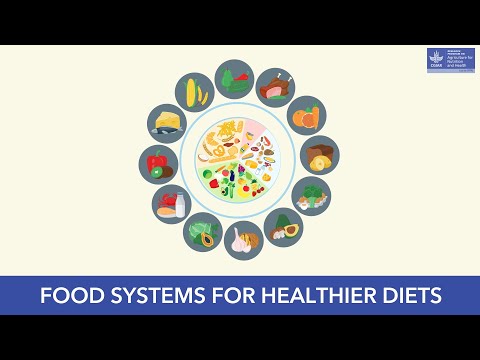
Food Systems for Healthier Diets
CGIAR Research Program on Agriculture for Nutrition and Health‘s (A4NH) flagship program focuses on food systems through the agri-food value chains impact pathway and the associated policy enabling required to accelerate food system innovation, scaling, and anchoring. A food system is the full set of processes, activities, infrastructure, and environment […]
-

Foresight Modeling with IFPRI’s IMPACT Model
International Model for Policy Analysis of Agricultural Commodities and Trade (IMPACT) is a network of linked economic, water, and crop models.
-
GCAN: Gender, Climate Change And Nutrition Integration Initiative
Gender-Responsive and Climate-Resilient Agriculture for Nutrition
-
Gender-Responsive Policies for Inclusive Agri-Food Systems in Africa
Boys, girls, men, and women have various roles in global socioeconomic development. However, the norms, behaviors and responsibilities associated with being a boy, girl, man, or woman, as well as their relationships with others, are often used in discriminatory ways that lead to gender gaps in economic opportunity, education, health, […]
-
Gender-Sensitive Risks and Options Assessment for Decision Making (ROAD) to Support Work in Freedom Phase 2 (WiF-2)
Study understands how the FCDO supported ILO led program Work in Freedom Phase 2 (WiF-2) has contributed to reducing forced labor and trafficking.
-
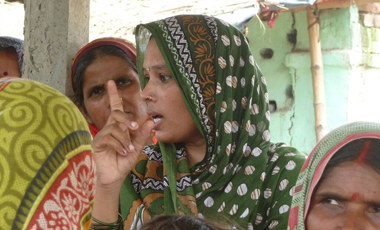
Gender, Agriculture, and Assets Project (GAAP)
Evaluating the Impacts of Agricultural Development Programming on Gender Inequalities, Asset Disparities, and Rural Livelihoods The project looks at a variety of agricultural development projects to what is the impact of these projects on men’s and women’s assets with assets defined quite broadly (for example, livestock, genetic resources, equipment, access […]
-

Generative AI for Agriculture (GAIA) – Phase I & II
Traditional agricultural advisory services face significant limitations in reaching smallholder farmers with timely, accurate information. Advancements in Large Language Models (LLMs) show potential for empowering agricultural extension systems, yet their direct application may pose risks due to lack of context-specific information. As farmers require informed decision-making support on diverse issues […]
-
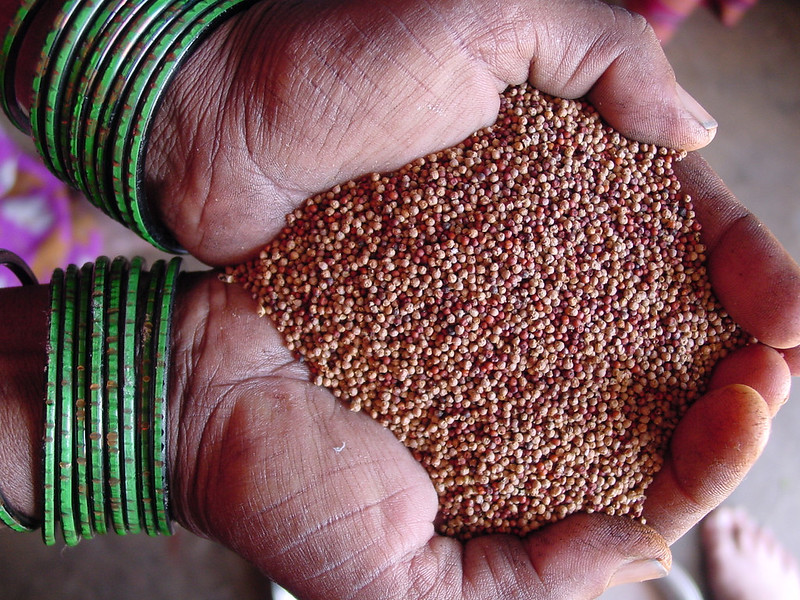
Genetic resources and seed systems policy
Fundamental changes are occurring today in the way farmers, plant breeders, molecular biologists, and genebank managers use genetic resources. IFPRI’s research on genetic resource and seed system policies focuses on understanding these changes and on developing policies to promote sustainable management of agricultural biodiversity by enhancing poor farmers’ access to […]
-
Ghana Tilapia Seed Project (TiSeed)
The 3-year program titled “Accelerating aquaculture development in Ghana through sustainable Nile Tilapia seed production and dissemination,” (TiSeed in short) was launched on February 2019 to address issues in the tilapia seed and extension system to improve productivity and profitability of tilapia cage and pond farming in Ghana, with particular […]
-
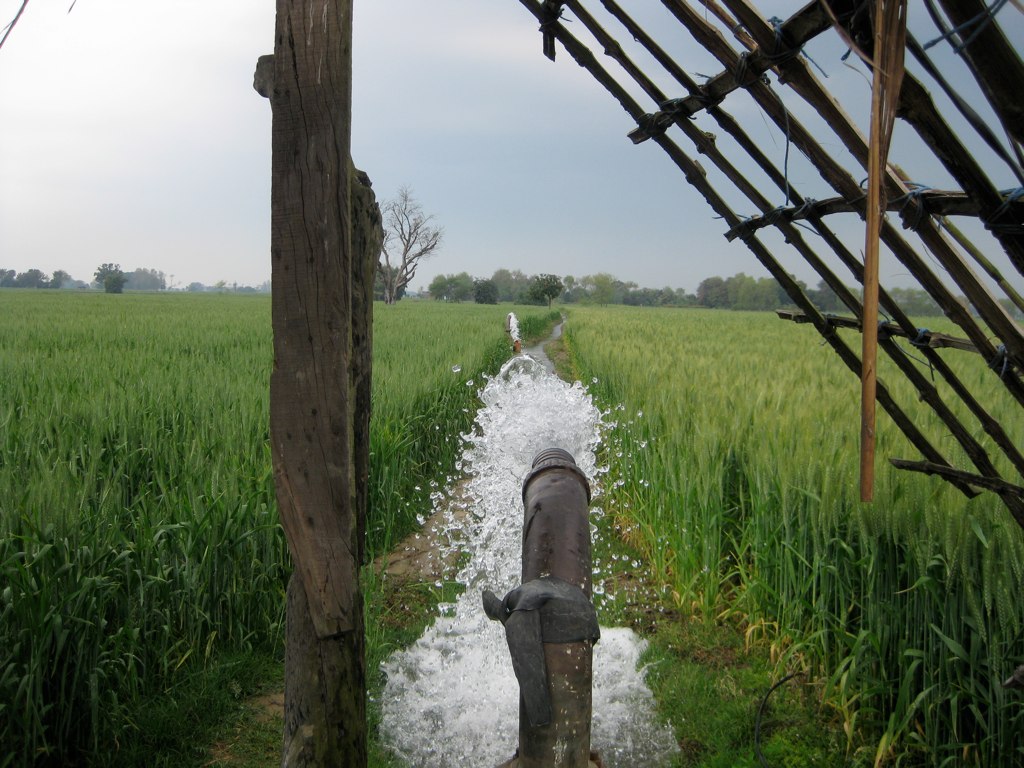
Groundwater governance: Managing the world’s most precious natural resource
IFPRI’s research on natural resource governance addresses questions on how natural resources can best be managed, sustained, and restored, while improving livelihoods of the millions who depend on these resources. As a common pool resource with high subtractability and low excludability, water is easily depleted if no effective coordination exists […]