




Search IFPRI web
Filters
Found 7462 Results
-
Gender equality
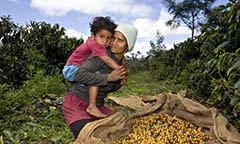
This blog story by IFPRI senior researcher Lawrence Haddad was originally posted on The Guardian’s Global Development Professionals Network. We have long known that empowered women are more able to take decisions that benefit them and their children. More empowered people have the control to make decisions about their own freedom of movement and how to allocate resources, as well as […]
-
A road trip without a map
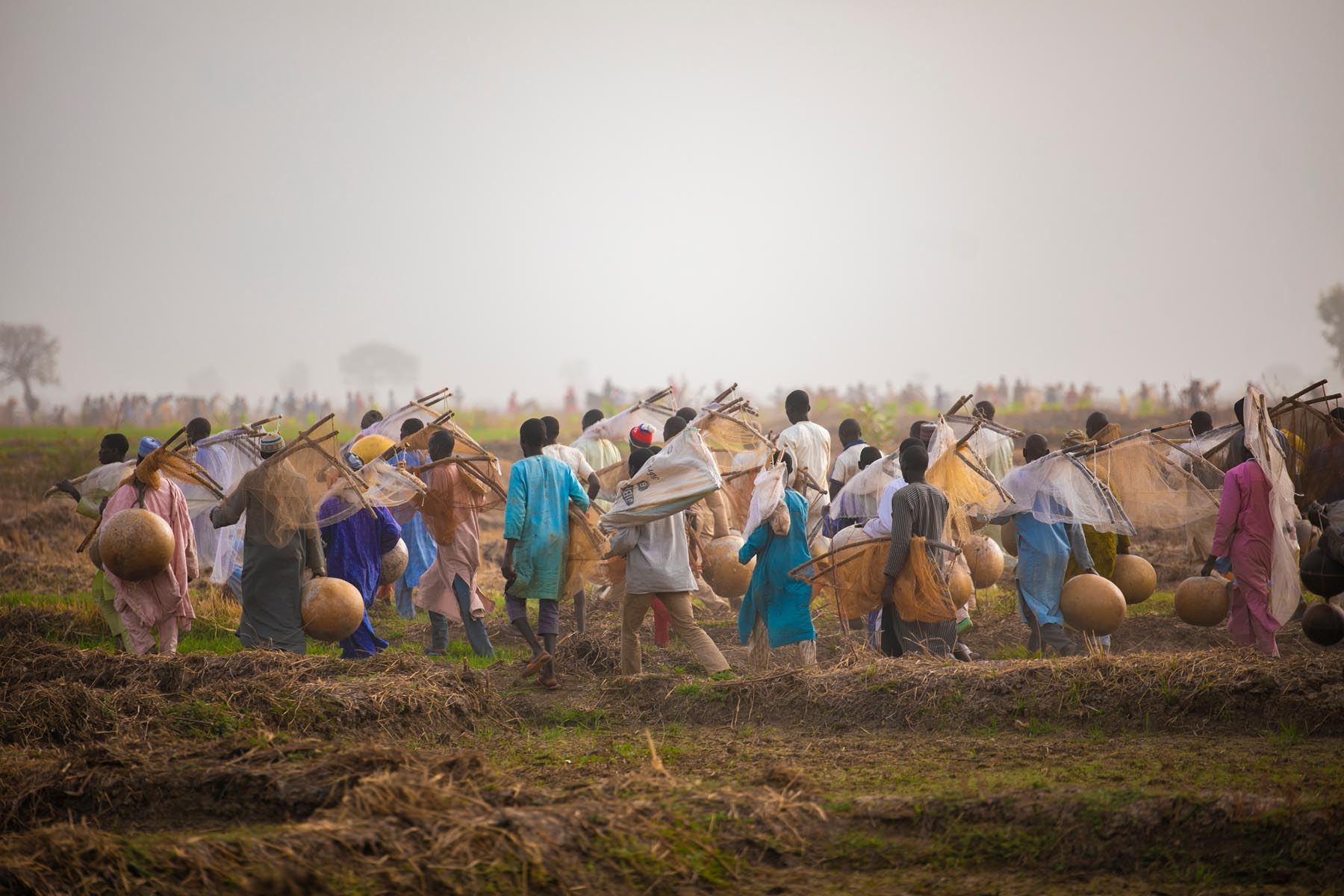
The following story, by IFPRI Research Fellow Timothy Thomas, was originally published by the Huffington Post. Before the age of the GPS, people relied on paper roadmaps when journeying to places they had never been before. It wasn’t always easy to find an accurate map, and not everyone was gifted at map readings, so trips often had many wrong […]
-

Resilience now
In less than two weeks, heads of state from around the world will gather in New York for the UN Climate Change Summit. As a mounting body of evidence—including clear examples from Bangladesh and Fiji—makes clear, climate change is putting global food security at risk. How can these leaders make real progress in helping build a […]
-
Ghana’s groundnuts
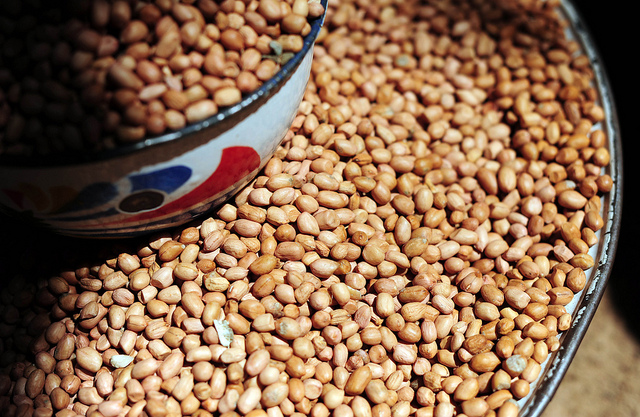
Fungus-contaminated maize and groundnuts have been identified as the culprit for more than 40 percent of the disease burden in developing countries. Serious health concerns such as hepatitis and liver cancer have been linked to chronic exposure to aflatoxins, which are carcinogens produced by the fungus Aspergillus flavus. Beyond the associated health risks, the contaminated […]
-
Producing more with less?
Africa south of the Sahara is the only region in the world where rural populations are expected to continue to grow rapidly, with an estimated 48 percent increase in rural population density in the next 35 years. At the same time, smallholder farm sizes are shrinking and rural incomes are declining, posing significant development challenges […]
-

August 2014 Insights Magazine
This edition of Insights, IFPRI’s print and online magazine, is available. The August 2014 issue—coming in the midst of the UN’s International Year of Family Farming—looks at the challenging future of family and smallholder farming in developing countries. Other IFPRI research highlighted in the issue includes an analysis of the economic impacts of fertilizer subsidies and new studies on the “double […]
-
Moving into poverty?
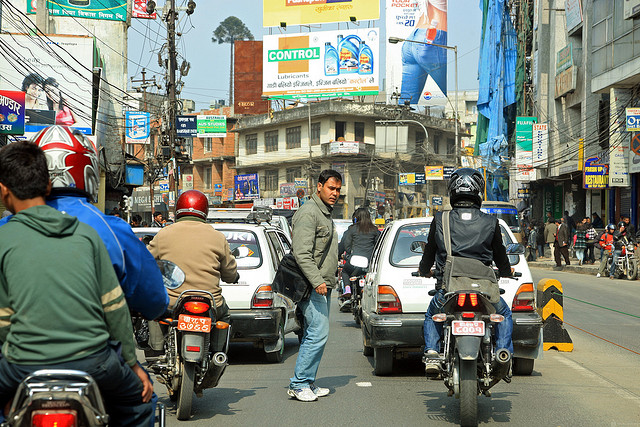
As the impacts of climate change, environmental degradation, and conflict continue to grow and intensify, so too will migration. However, what impact this increasing scale of migration has on the workforce in host communities is largely unknown. In their discussion paper, Environmental Migration and Labor Markets in Nepal, IFPRI researcher Valerie Mueller, former IFPRI researcher Jean-François Maystadt, and Ashwini Sebastian of […]
-
Good economics and the right thing to do: how to eliminate hunger and malnutrition
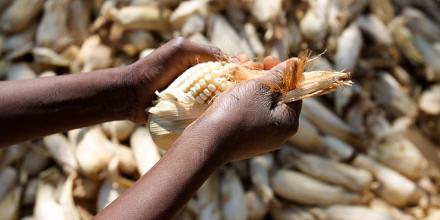
The following story, by IFPRI Director General Shenggen Fan, was originally published on the Development Policy Centre’s blog. The piece is based on Shenggen’s keynote address at the Crawford Fund’s Annual Parliamentary Conference on Ethics, Efficiency and Food Security. Hunger and malnutrition are big global challenges that confront humanity. Nearly 850 million people across the globe are hungry. […]
-
Climate-smart agriculture: scientists show agricultural progress in responding to climate change
The following story was originally published on the BioMed Central blog. The piece highlights research findings from a recent Open Access article that was coauthored by IFPRI senior research fellow Siwa Msangi. Climate change is already putting food security at risk. Rising temperatures and extreme events, such as sudden droughts and floods, mean that it will be even harder to […]
-
New online resource highlights tools for value chain analysis
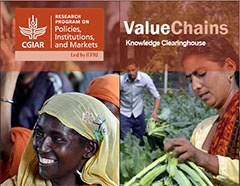
Ensuring that small-scale farmers and producers enjoy a bigger piece of the financial pie is the aim of a new web resource on agricultural development. The Value Chains Knowledge Clearinghouse, led by the CGIAR Research Program on Policies, Institutions, and Markets, is based on the concept of Value Chains Development (VCD). The approach seeks to build new […]
-
Mapping crops to improve food security
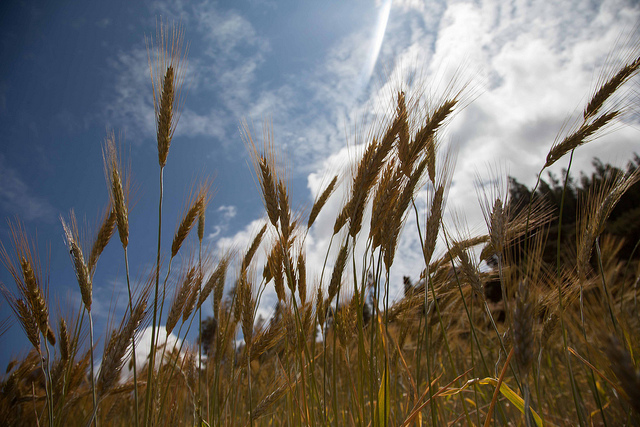
The following article was jointly written byIFPRI researchers Weston Anderson and Liangzhi You from the Environmental and Production Technologies Division (EPTD) and Evgeniya Anisimova, communications specialist for the CGIAR Research Program on Policies, Institutions, and Markets (PIM). It originally appeared on PIM’s blog. In the era of big data, unmanned drones, and satellite remote sensing, our knowledge of crop growing locations remains surprisingly limited. We have even […]
-
Dollars and sense
At the L’Aquila G-8 summit in 2009, governments and organizations committed more than $20 billion to agriculture and rural development as a means of promoting food and nutrition security. Within the overarching frameworks of the L’Aquila Food Security Initiative (AFSI), the Paris Declaration on Aid Effectiveness, and the Accra Agenda for Action, Ghana also committed to […]
-
Leaving their mark on agricultural economics
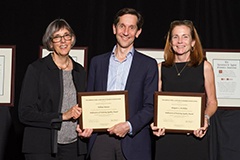
Why are most of the world’s poorest people located in tropical countries? When historical climate data became widely available in the late 1990s, IFPRI senior research fellow Margaret McMillan and coauthor William Masters of Tufts University were among the first to use it for the study of economic development. Their groundbreaking article, published in theJournal of Economic Growth (2001), recently won the 2014 […]
-
Mysterious success
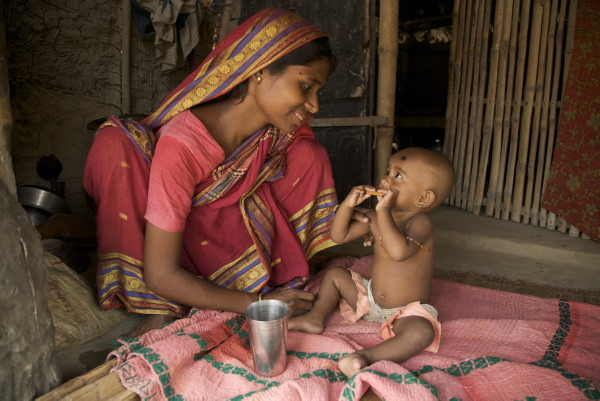
As a country’s income level rises, undernutrition rates are expected to fall. However, for years, the mystery of South Asia’s rising income levels existing concurrently with stubbornly high levels of child undernutrition has stumped researchers. Varying theories have flagged lack of proper sanitation, genetics, poor diets and food systems, and ineffective nutrition programming as culprits […]
-
The case for improving global nutrition
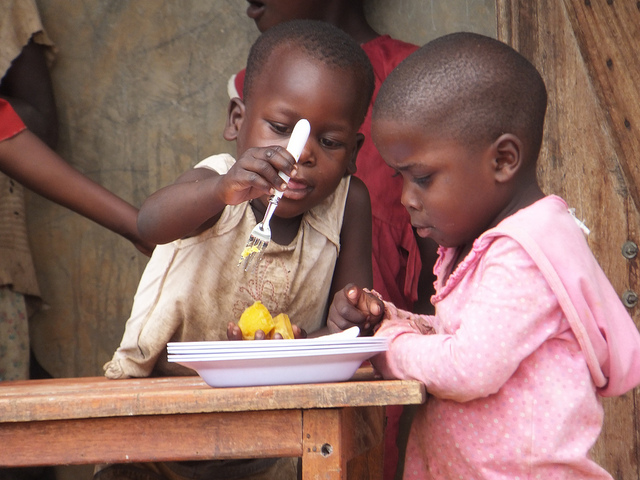
The following story includes excerpts from two recent pieces drafted by IFPRI researchers as part of the Feeding Development campaign hosted by Devex. Why nutrition-smart agriculture mattersBy Howarth Bouis, Director of HarvestPlus The focus of agricultural policy should be to increase productivity, provide employment and reduce poverty. How often have you read or heard statements like this? I am an economist, and […]
-
Bridging the divide between women and men farmers in Ethiopia
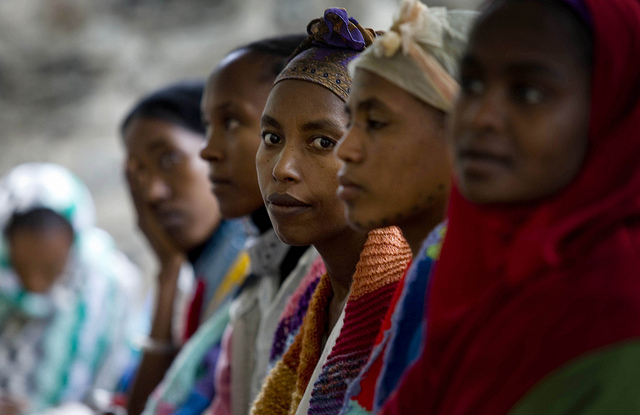
The following article was jointly written by Sarah McMullan from IFPRI’s Markets, Trade, and Institutions Division and Caitlin Kieran from the CGIAR Research Program on Policies, Institutions, and Markets. Women make up about half of the labor force in Ethiopia. While their contributions are plentiful, women and girls face discrimination when accessing —and making decisions regarding— education, agricultural information and inputs, land, and other assets […]
-
Global Trade Analysis Project (GTAP) Conference focuses on growth, trade in Africa
The following is a slightly modified version of a story that was originally published on IFPRI’s Food Security Portal. The last ten years have witnessed incredible economic and agricultural growth in Africa. Between 2000 and 2010, the continent was home to six of the ten fastest-growing economies in the world. However, can this growth continue in a sustainable, […]
-
What do toilets have to do with nutrition? More than you might think
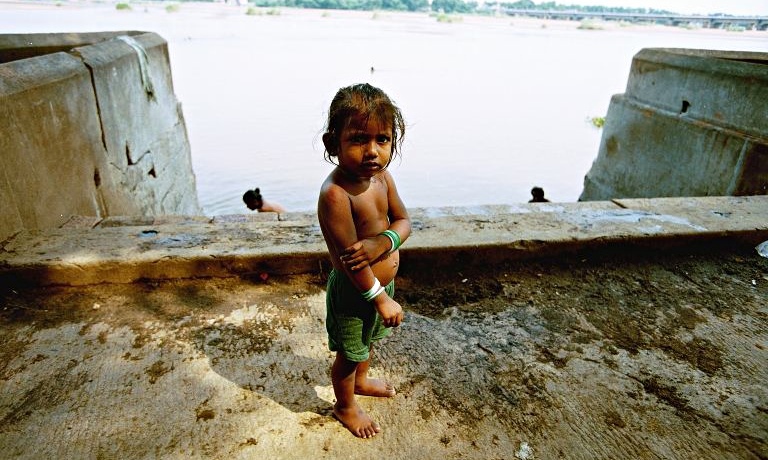
This blog story by IFPRI senior researcher Lawrence Haddad was originally posted on The Guardian’s Global Development Professionals Network. Approximately 160 million children under the age of 5 are stunted. This means they are failing to grow well and lack of height can be a marker of a whole range of developmental setbacks including cognitive impairment. The 2013 Lancet series on maternal […]
-

Micronutrients and improving nutrition through food systems
In a recent interview with the Global Donor Platform for Rural Development, IFPRI’s Marie Ruel offers highlights from her presentation at last month’s Micronutrient Forum Global Conference in Addis, Ethiopia and speaks candidly with interviewer Pascal Corbé about the current state of research and knowledge around food-based approaches to improving nutrition in the developing world. The first step any country […]
-
Australia: Championing food policy research
With support from Australia, IFPRI conducts innovative research in areas such as agricultural markets, climate change, and tools and scenarios to improve food security. Agriculture and rural development play a critical role in alleviating poverty and undernutrition. The Australian Department of Foreign Affairs and Trade (DFAT) has focused its efforts on three pillars of food security: improving […]