




Search IFPRI web
Filters
Found 7457 Results
-

Who benefited from the Congo’s peace dividend?
New research suggests the Democratic Republic of the Congo missed an important opportunity to combat its devastating poverty.
-
Cash Transfer and Intimate Partner Violence Research Collaborative
Advancing the research agenda linking cash transfers and IPV, in order to effectively leverage cash programming for IPV prevention among poor and vulnerable women in low- and middle-income settings.
-
The research-practitioner divide: Why we are still optimistic
The Developing Local Extension Capacity (DLEC) program and its annual Global Community of Practice gathering show the promise of combining research with on-the-ground applications.
-

Transforming Africa’s Agriculture Value Chains Through Mechanization
An agricultural mechanization agenda should harness the opportunities for mechanization at each stage of the agriculture value chain. Successful mechanization along the value chain will have to be a priority in future development and growth agendas for African smallholder agriculture and will require not only new technologies but also organizational innovations, such as reliable services […]
-
Inclusive Transformation of Rural Ethiopia: Patterns and Options
Co-Organized by IFPRI, Compact 2025, Policy Studies Institute (PSI), and United Nations Development Programme (UNDP)
Rural people around the world continue to struggle with food insecurity, persistent poverty and inequality, and environmental degradation. The 2019 Global Food Policy Report – that will be presented at this event – highlights the urgency of rural revitalization to address the crisis in rural areas. Policies, institutions, and investments that take advantage of new […]
-
Urban Food Systems for Better Diets, Nutrition, and Health
The explosive growth of cities all over the world has led to major shifts in diets, with serious consequences for the health and nutrition of the urban poor, especially in rapidly urbanizing low- and middle-income countries in Africa and Asia. To reverse this trend, we must take into account the realities of urban life […]
-
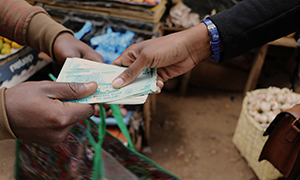
Building Resilience through Financial Inclusion: A Review of Existing Evidence and Knowledge Gaps
Co-Organized by IFPRI and Innovations for Poverty Action (IPA)
In low-income countries, disasters induced by climate change are giving rise to new risks, shocks, and stresses among already vulnerable households. Well-designed financial products and services could play a role in increasing low-income families’ resilience by helping them prepare for the uncertain: financial inclusion can facilitate efforts to reduce risks, increase investments, and bounce back […]
-
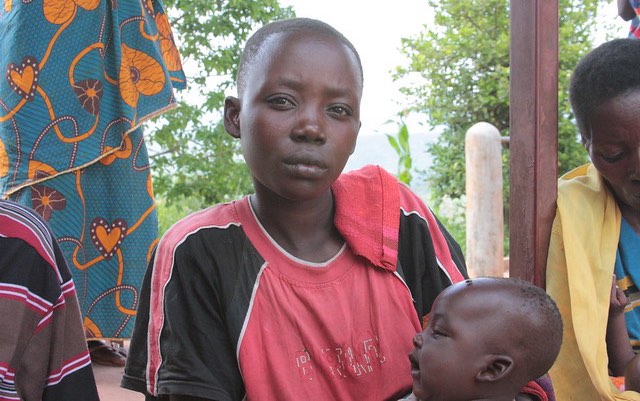
Are we reducing hunger in the world?
The authors of Chapter 3 of IFPRI's 2019 Global Food Policy Report on the urgent need for better data on poverty, hunger, and malnutrition.
-
Boosting Growth to End Hunger by 2025 in Africa: The Role of Social Protection
Africa has the world’s largest proportion of poor and hungry people, but the lowest rate of coverage by social protection programs. Demand for social protection is growing in Africa, reflecting faster economic growth, rapid urbanization, and more open and pluralistic societies. In the 2014 Malabo Declaration, African leaders called for integrating social protection with measures […]
-
Policies / Guidelines
Biotech and Biosafety Policy Guiding Principles for Policy Research and Policy Advice Information Products Open Access (IPOA) Policy Intellectual Property Policy Principles, Policies and Procedures for the Protection of Human Research Subjects Principles of engagement with private sector organizations Research Data Management and Open Access (RDMOA) Policy
-
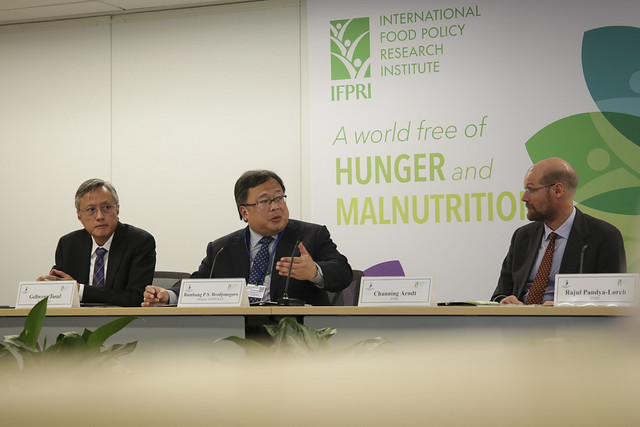
IFPRI Signs MoU with Indonesia’s Ministry of Planning
April 12, 2019
April 12, 2019, Washington, D.C. – The International Food Policy Research Institute (IFPRI) and the Ministry of National Development Planning/National Development Planning Agency (BAPPENAS) of Indonesia today affirmed their commitment to eliminating hunger in Indonesia in signing a Memorandum of Understanding (MoU) on cooperation toward that goal. The MoU establishes a framework of collaboration on […]
-
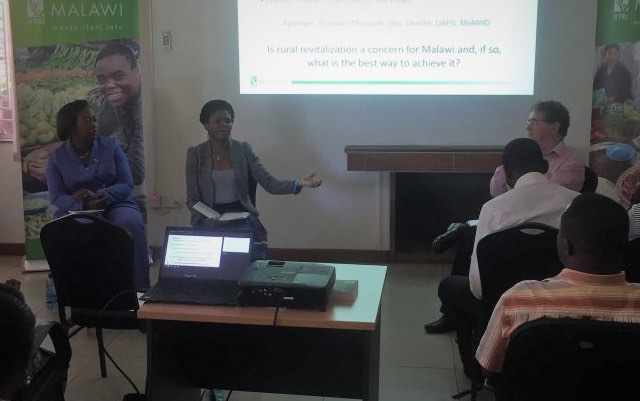
2019 Global Food Policy Report Malawi launch: Reforming agriculture for rural revitalization
With high rates of poverty and malnutrition, Malawi's rural areas require a comprehensive development effort. The GFPR offers some potential strategies.
-
2019 Global Food Policy Report – Cairo, Egypt
Rural people around the world continue to struggle with food insecurity, persistent poverty and inequality, and environmental degradation. IFPRI’s 2019 Global Food Policy Report highlights the urgency of rural revitalization to address the crisis in rural areas. This eighth annual report also provides perspective on the major food policy issues, developments, and decisions of 2018 […]
-
2019 Global Food Policy Report – Dhaka, Bangladesh
Rural people around the world continue to struggle with food insecurity, persistent poverty and inequality, and environmental degradation. IFPRI’s 2019 Global Food Policy Report highlights the urgency of rural revitalization to address the crisis in rural areas. This eighth annual report also provides perspective on the major food policy issues, developments, and decisions of 2018 […]
-
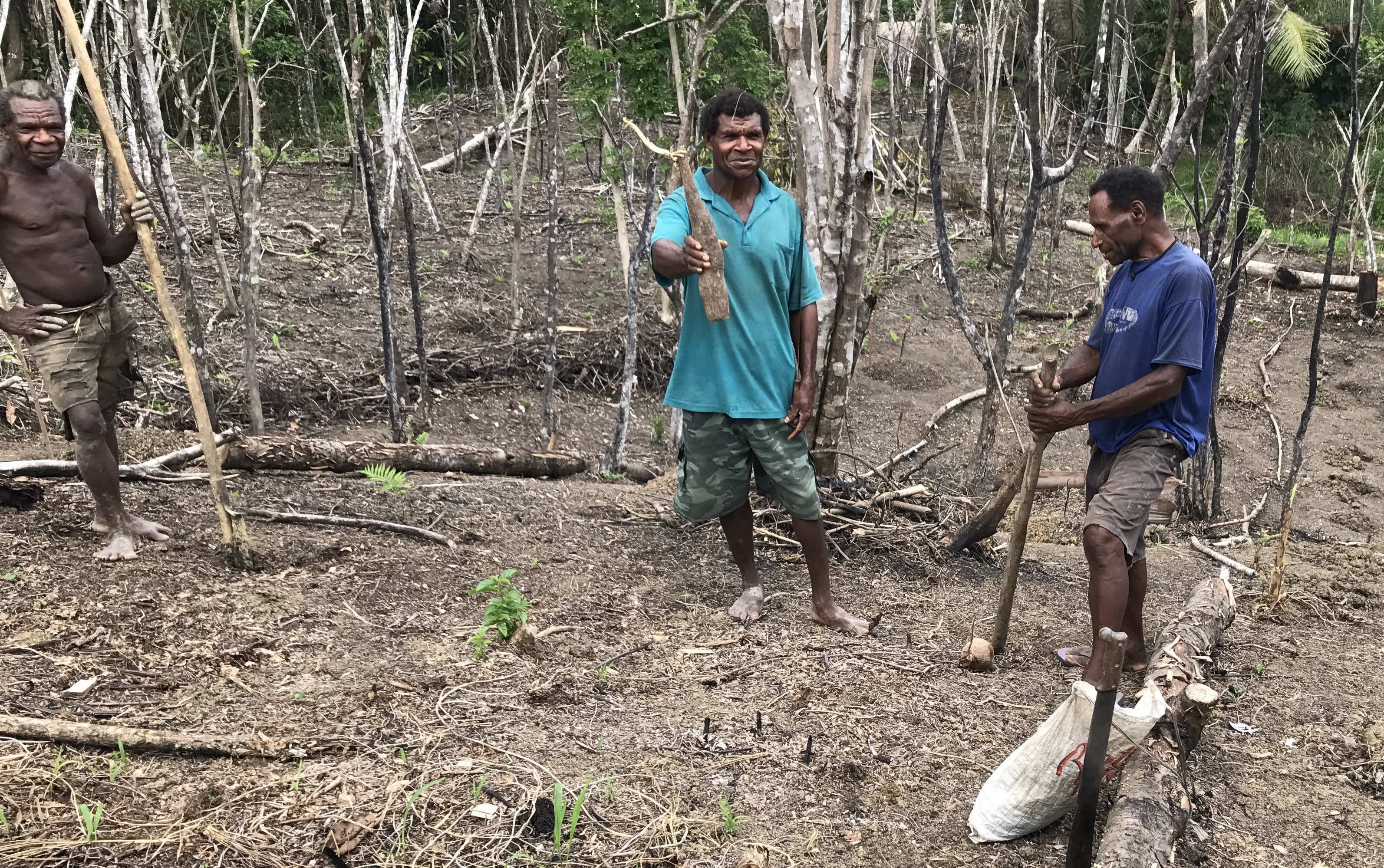
New data offers insights into rural poverty and undernutrition in Papua New Guinea
A lack of data has hampered PNG's efforts rein in hunger and malnutrition.
-

Policy seminar: Who will feed India?
Agricultural reforms will be necessary to satisfy the appetite of India's growing, urbanizing population.
-

Reducing intimate partner violence through cash transfers: The next research frontier
Evidence shows cash transfers help to reduce intimate partner violence. A recent UN Women forum explored what comes next—including how to scale up existing programs.
-
Lessons from IFPRI Country Programs on Informing Policy Decisions and Strengthening Capacity
Co-Organized by IFPRI and the CGIAR Research Program on Policies, Institutions, and Markets (PIM)
IFPRI and the CGIAR Research Program on Policies, Institutions, and Markets (PIM) recently completed a joint stock taking study of IFPRI’s experience with country programs and its more general policy of outposting research staff to developing countries. Several reports have been produced as part of the study and placed on the IFPRI website along with […]