




Search IFPRI web
Filters
Found 7460 Results
-
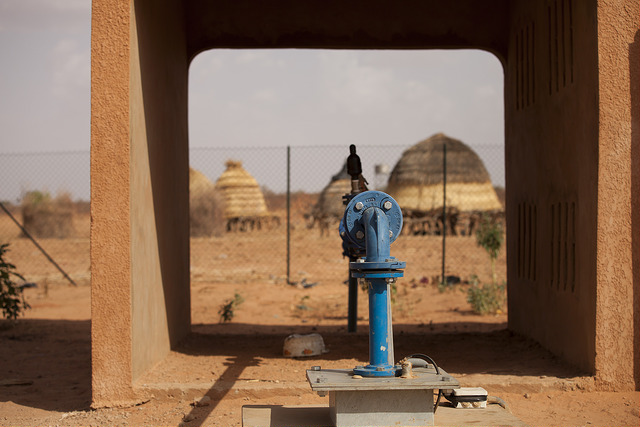
It’s hard to manage something you cannot see – can we feed billions from the ground up?
A look at the growing tensions between groundwater depletion, agricultural development, and food security.
-
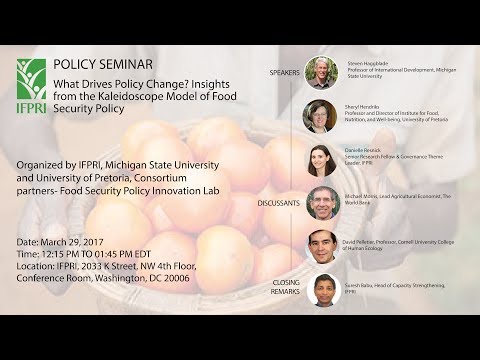
What Drives Policy Change? Insights from the Kaleidoscope Model of Food Security Policy
Organized by IFPRI, Michigan State University and University of Pretoria, Consortium partners- Food Security Policy Innovation Lab
Speakers: Discussants: Closing Remarks: What explains the persistence of socially suboptimal policies over long periods of time? What factors and forces provoke episodes of reform that punctuate long periods of policy inertia? Given the growing need to achieve policy impact with scarce resources, these key questions increasingly preoccupy the international donor and research communities. This […]
-

Launch of IFPRI’s Bangladesh Integrated Food Policy Research Program (BIFPRP) Dhaka office
On February 27, the IFPRI-Bangladesh community celebrated the opening of IFPRI’s Bangladesh Integrated Food Policy Research Program (BIFPRP) Dhaka office. During the opening ceremony, various leading IFPRI researchers in the country shared remarks commemorating the occasion. Dr. Akhter Ahmed, IFPRI Representative in Bangladesh, stated, “IFPRI has been working in Bangladesh for over 30 years. With the […]
-

IFPRI’s work with the Bill & Melinda Gates Foundation
Together, IFPRI and the Gates Foundation have leveraged nutritional research to improve public health around the world.
-

Geneva Launch of 2017 Global Food Policy Report
Chair: Speakers: The world is rapidly urbanizing. How does this affect hunger and malnutrition? IFPRI’s 2017 Global Food Policy Report takes an in-depth look at the challenges and opportunities of urbanization for food security and nutrition. Critical questions addressed in this Report include: Join us to discuss major food policy issues and developments. *Lunch is provided
-
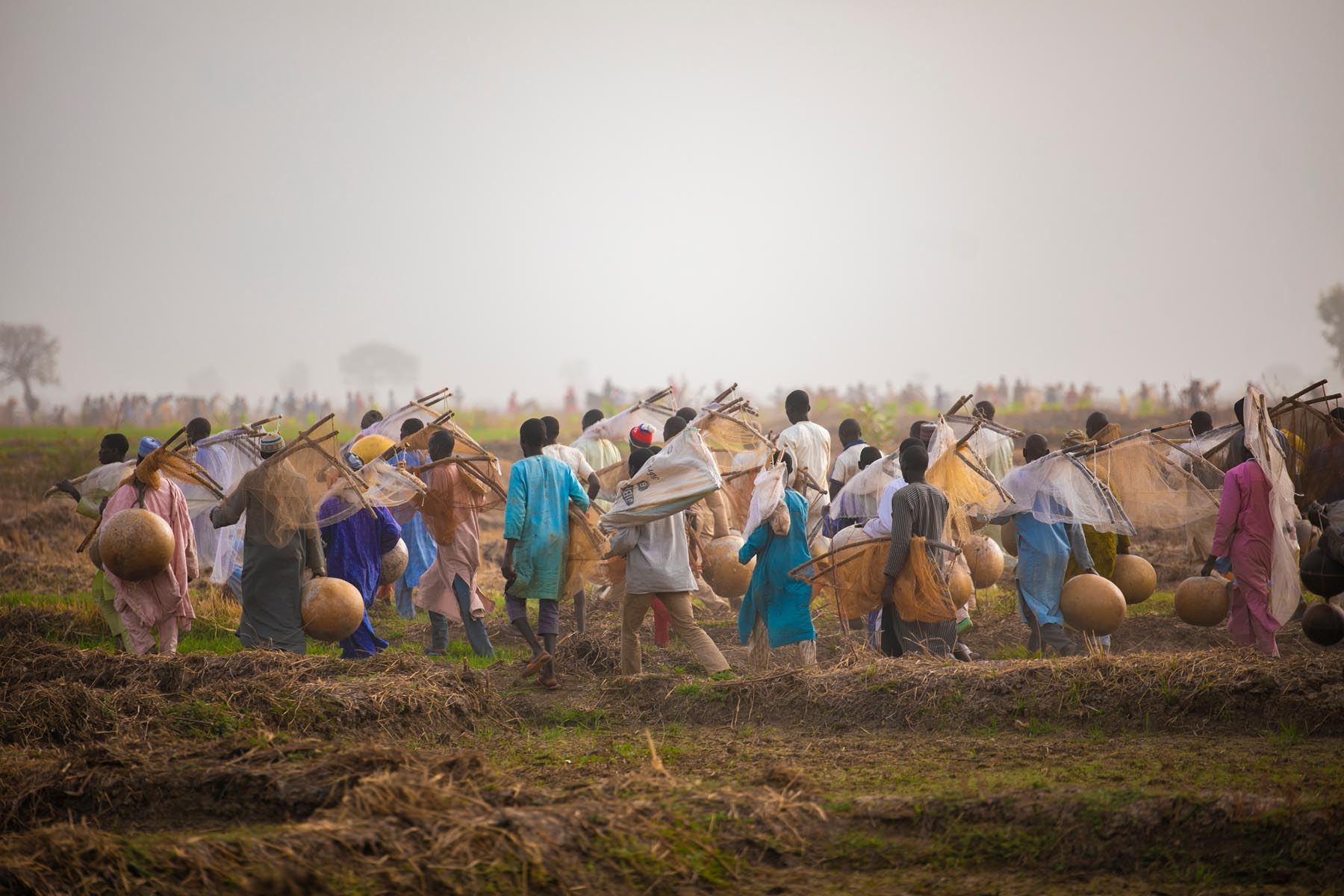
Mercosur countries look to combat protectionism in agricultural trade (Devex)
March 02, 2017
Argentina, Brazil, Paraguay, and Uruguay are growing food exporters that have an important role to play in global food security, says a Devex report on a recent IFPRI seminar. The seminar featured experts from IFPRI, the Brazilian Confederation of Agriculture and Livestock, Institute for International Agricultural Negotiations, and others, who cautioned against the negative impacts […]
-
Nigeria Needs Federal-State Synergy to Tackle Food Security (Naij.com)
February 22, 2017
Overlapping responsibilities between Nigeria’s federal and state government levels has led to poor coordination in public spending, according to a report of a lecture by IFPRI Senior Research Fellow Tewodaj Mogues. She acknowledged current efforts to strengthen inter-governmental coordination in agricultural spending, but emphasized that obstacles like weakened local legislatures remain.
-
Study Shows Hydropower’s Surprising Downsides
March 01, 2017
A groundbreaking paper based on a collaborative project between IFPRI and University of Illinois at Urbana-Champaign finds hydropower and irrigation often come into direct competition.
-
India’s Food Nightmare (Business Insider)
March 01, 2017
An investigative piece published in India’s Business Insider refers to the Global Hunger Index to demonstrate the country’s poor performance in reducing hunger and malnutrition. The author argues hunger in India “needs crisis management and a long term vision.”
-
Famine in Africa (Voice of America)
March 01, 2017
With the UN declaring some three million people in East Africa on the verge of famine, Voice of America’s “Africa 54” spoke with Senior Research Fellow Ephraim Nkonya about how African nations can avoid such acute food crises. Nkonya explains how stable governance, diversifying incomes, and empowering women can help create an environment capable of […]
-
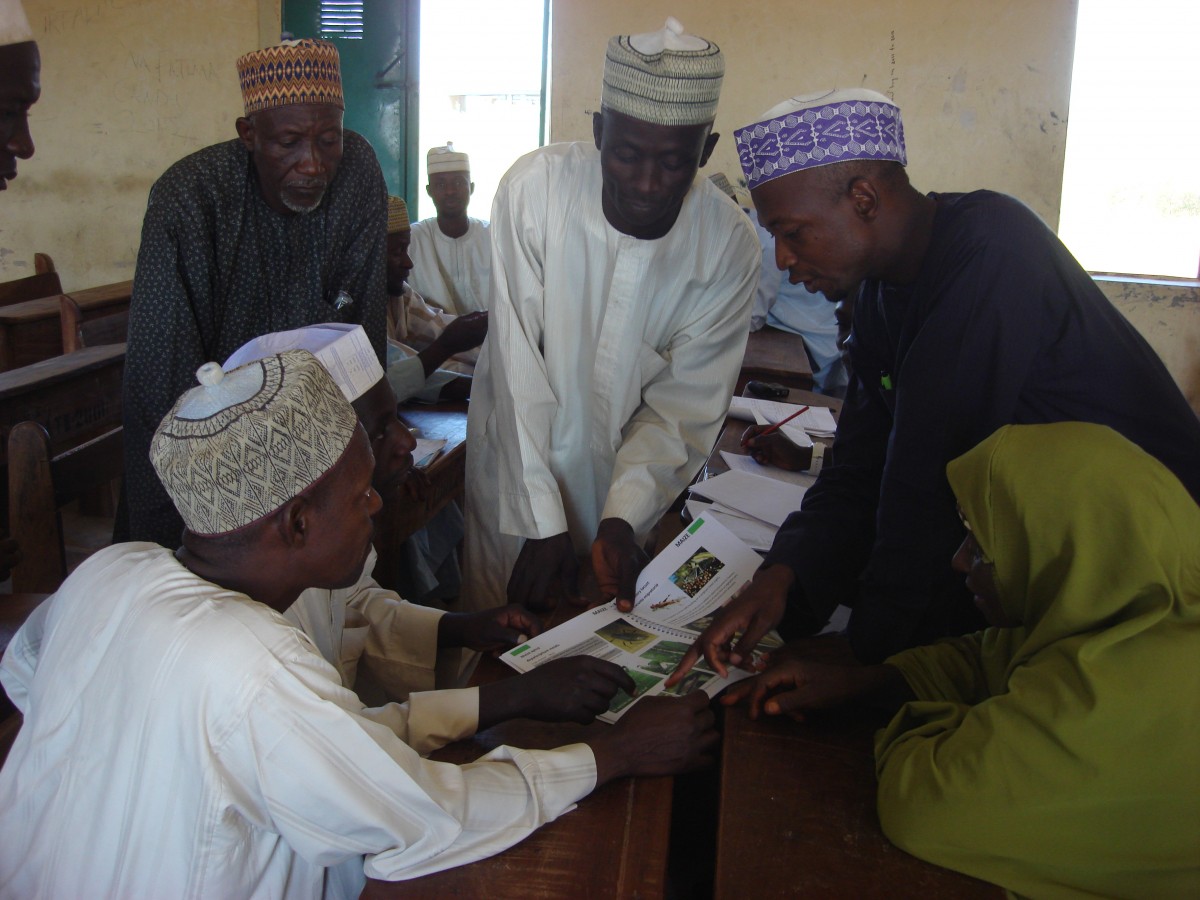
What makes people aware of ecosystem services?
A survey of rural communities in Nigeria shows how agricultural programs can encourage better use of ecosystem services in pest control.
-
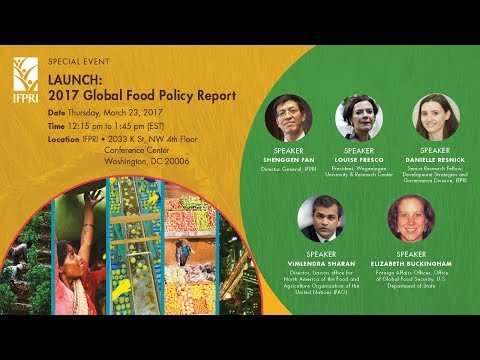
LAUNCH: 2017 Global Food Policy Report
The world is rapidly urbanizing. How does this affect hunger and malnutrition?
-

In Memoriam: Dr. Just Faaland, former IFPRI Director General
A prominent development economist, Dr. Faaland was well known as an architect of Malaysia's New Economic Policy in the 1970s.
-
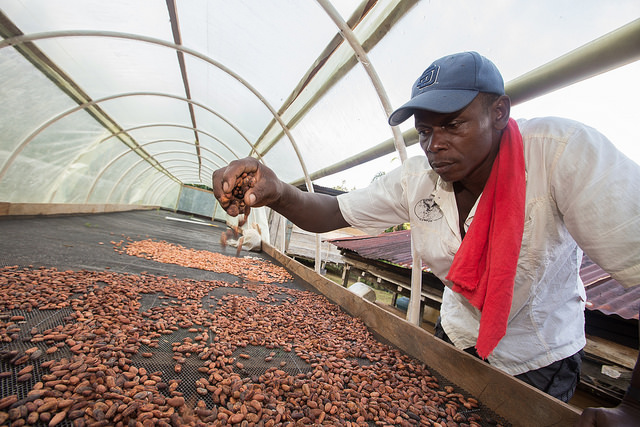
The importance of tracking global food system sustainability
The Food Sustainability Index offers insights that can help countries feed people with a minimal ecological footprint.
-

Feeding the world in 2050
How researchers and policy makers can anticipate the long-term future of food security.
-
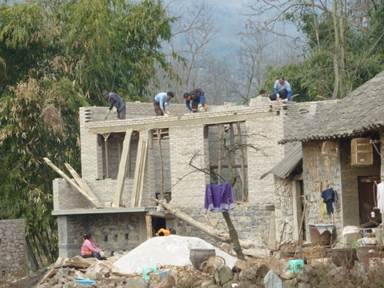
The surprising link between China’s one-child policy and rising house prices
To gain status and advantage in the at-times desperate marriage competition in China, families are pouring money into the housing market, new IFPRI research suggests.
-
Record Wheat, Foodgrain Output Likely in 2016-17 (Business Standard)
February 16, 2017
India is forecasting record wheat production in 2016 and 2017, according to a report in the Business Standard newspaper. IFPRI South Asia Director P.K. Joshi says that the reason for this record production despite demonetization is that 80 per cent of India’s rural economy ran on credit, and that sowing had begun before the controversial […]
-
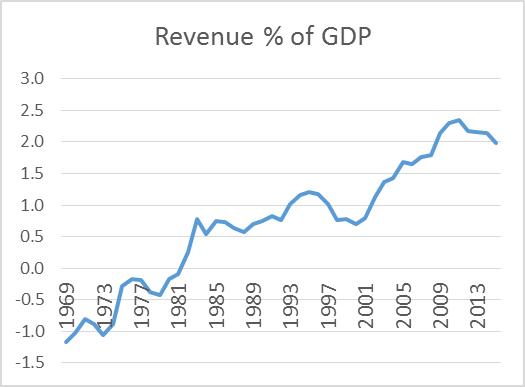
Making America Number 1: The world’s highest taxes on the consumer
An IFPRI analysis finds a corporate tax proposal being debated in Congress would drive up consumer prices and disproportionately impact the poor and the elderly.
-
From Farm to Table – Poor Hygiene in Slaughterhouses in Rural Kenya (All Africa)
February 14, 2017
Poor working conditions and unsafe practices were common at slaughterhouses in Western Kenyan according to new research covered by All Africa. Veterinary Epidemiologist Elizabeth Cook says that these hygiene practices increase the risk of disease transmission from animals to humans. IFPRI supported this research through a grant.
-
For Growth to Continue, China Must Innovate
February 14, 2017
While China’s unprecedented late-20th century growth was fueled by low labor costs and an enormous labor force, that easy growth is ending, argues a new article in the Journal of Economic Perspectives. “From ‘Made in China’ to ‘Innovated in China:’ Necessity, Prospect, and Challenges” makes the case that China’s old business model will no longer […]