




Search IFPRI web
Filters
Found 7462 Results
-
Agricultural Productivity: Good and Bad News
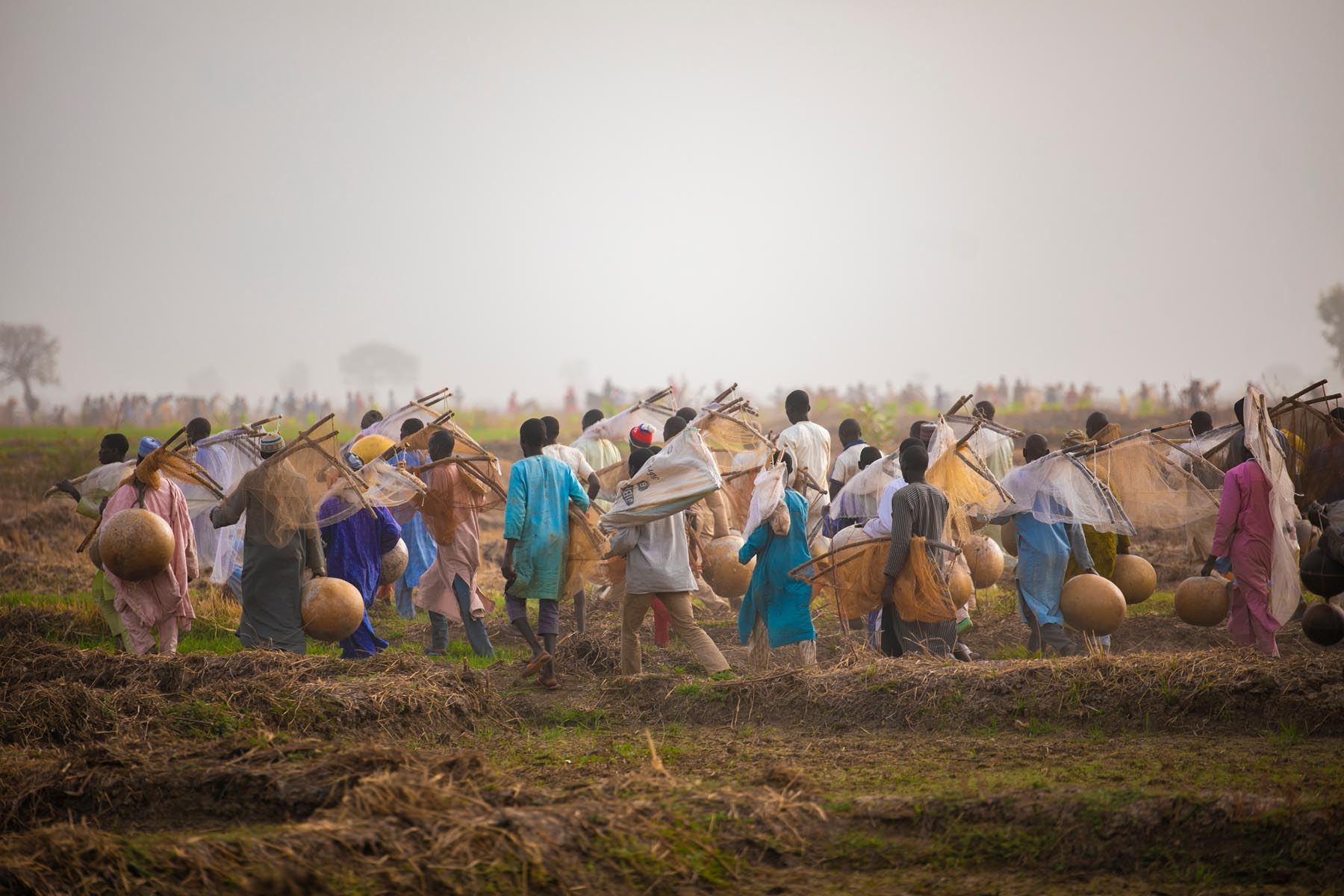
The world’s population is growing, and we only have limited land for farming. Will we run out of food? That question, famously posed by Thomas Malthus in the early 19th century, has been discussed for decades. The short answer is: no, we will not run out of food. Why? Because agriculture is beating the odds. […]
-
Shenggen Fan Interviewed by Global Development Platform on Major Food Policy Developments
A couple of weeks ago, IFPRI’s Director General Shenggen Fan participated in an online video interview with the Global Donor Platform for Rural Development, a network of donors, financing institutions, and development agencies. Referring to IFPRI’s recently launched 2012 Global Food Policy Report, Fan discusses the positive developments in food security in 2012, and which […]
-
Empowering Adolescent Girls through Better Information
The next International Initiative for Impact Evaluation (3ie) and IFPRI Impact Evaluation Seminar will be held on April 11 at 12:30 EST. Markus Goldstein of the World Bank will present on how a two-pronged program providing vocational training and information on health and risky behaviors impacted the health and labor outcomes of adolescent girls in Uganda. Goldstein […]
-
Coping with Climate Change in West Africa
Today, IFPRI launches West African Agriculture and Climate Change, the first of three monographs on climate change and agriculture in West, Central, and Eastern Africa. The monographs result from a research project headed by IFPRI Senior Researcher Gerald Nelson. Below Nelson talks about his research and implications for policymakers. Policy decisions usually get made in […]
-
Empowering Policy through Information
Cross-posted from the Food Security Portal Food for Thought blog Effective policymaking relies on sound knowledge. Knowing what works and what doesn’t, who the target population is and what they need, and what the situation is really like “on the ground” is crucial to ensuring that policies and programs have the desired impacts. But all […]
-
Playing games to save water
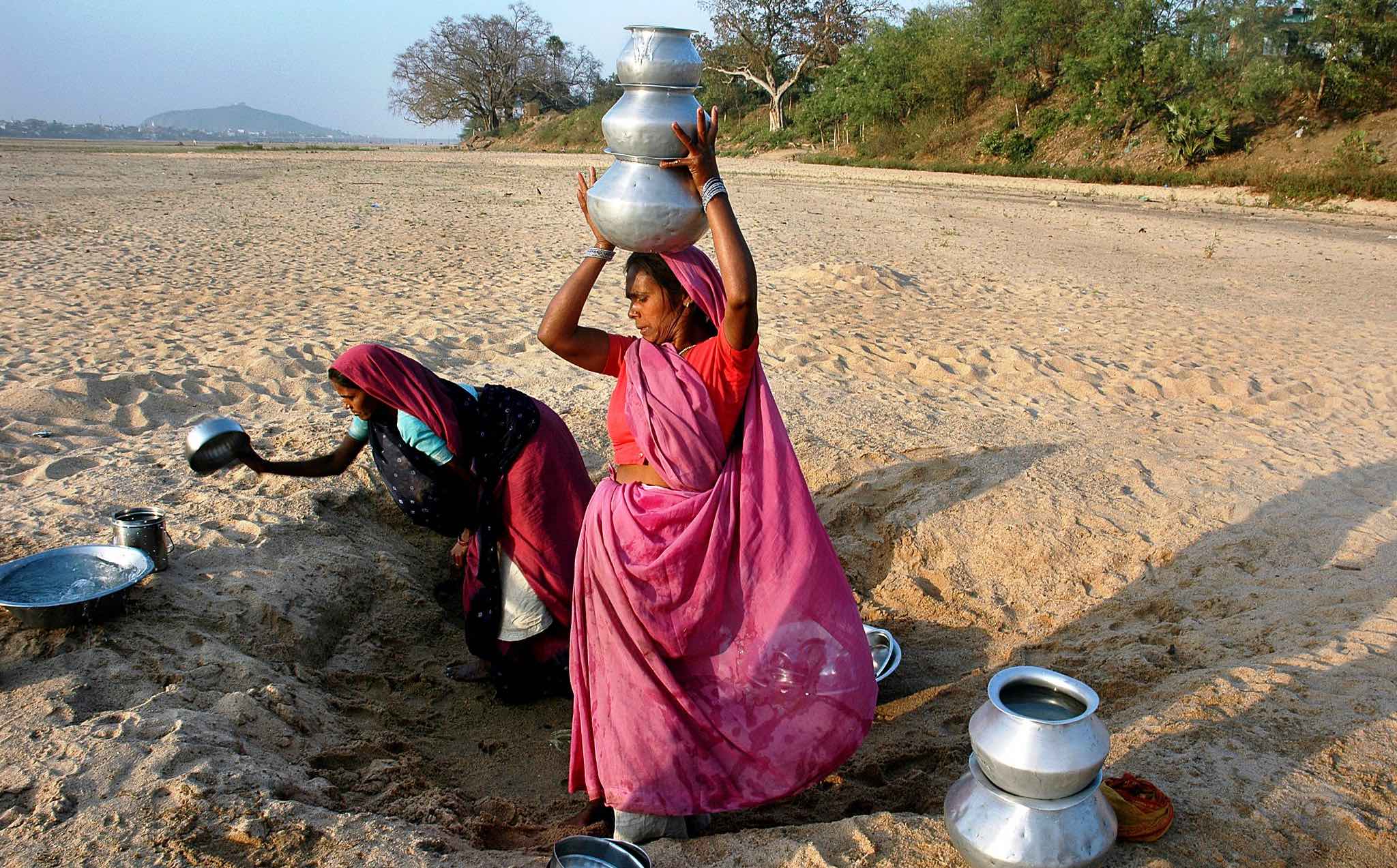
World Water Day 2013 begins the International Year of Water Cooperation. Today, we highlight an innovative research project that helps strengthen cooperation to protect and conserve this precious natural resource. Recently, villagers in India and Colombia have been regularly gathering for a “game night.” But instead of Monopoly or charades, they play a game that simulates […]
-
Geographical information systems – not just a tool for geeks
By CGIAR Consortium. Originally posted in Consortium News South Sudan’s Sudd wetland is a vast area which affects water supply, livelihoods and biodiversity far beyond its borders. Yet until recently, there was scant scientific data on this, one of the largest tropical wetlands in the world. Now, an initiative led by the International Water Management […]
-
Global Food Policy Report Launch inspires new perspectives, fresh ideas, and calls to action
“Don’t just ‘walk the talk’ — run, or even fly, the talk!” IFPRI Director General Shenggen Fan made this call to action at a policy seminar yesterday to mark the release IFPRI’s second annual Global Food Policy Report. The event brought a full house to IFPRI’s DC office to hear perspectives on food policy developments, trends, and […]
-

Walk the Talk: It’s Time for the Global Community to Move from Aspirations to Action to Fight Hunger
May 07, 2026
Press Statementby Shenggen Fan, Director General, International Food Policy Research Institute (IFPRI)March 14, 2013 In 2012, world food security remained vulnerable. Progress in the fight against hunger and malnutrition has been piecemeal, at best, and levels remain unacceptably high, with 870 million people hungry and 2 billion suffering from micronutrient deficiencies. New data from the […]
-
Celebrating the One-Year Anniversary of the Women’s Empowerment in Agriculture Index
By Emily Hogue, Team Leader for Monitoring and Evaluation, Bureau for Food Security, USAID. Originally posted in Feed the Future Blog Last March, Feed the Future launched a tool to measure women’s empowerment in agriculture—the first of its kind. The Women’s Empowerment in Agriculture Index—developed by USAID, the International Food Policy Research Institute (IFPRI), and the […]
-
Double burden: Rural Pakistani women
From former Prime Minister Benazir Bhutto to student activist Malala Yousufzai, Pakistani women from all backgrounds and age groups have been transforming the discourse of gender roles in Pakistani society. And they are making a difference: in the midst of a changing political, social, and economic environment, political victories for women have been few but […]
-
International Women’s Day
At IFPRI, every day is women’s day, as improving women’s lives is one of the most effective ways to reduce hunger. UN Special Rapporteur on the Right to Food Olivier de Schutter recently quoted an IFPRI study in a March 4 New York Times op-ed, The Feminization of Farming: “…as much as 55 percent of the reduction in […]
-
A User’s Experience with Arab Spatial
Shahira Emara, GDNet Knowledge Services Manager in the Global Development Network’s Cairo office, shared her thoughts on the new Arab Spatial tool. How is Arab Spatial beneficial for the Middle East and North Africa region? It’s one platform that brings many sorts of data together in one place and presents it visually. I live in Egypt, […]
-
Promoting Democracy in Fragile States
The seventh International Initiative for Impact Evaluation (3ie) and IFPRI Impact Evaluation Seminar will be held on March 8 at 12:30 EST. Cyrus Samii of New York University will present on how two different strategies for promoting free democratic expression impacted the 2011 Liberian general election. Samii will discuss results from the paper Promoting Democracy in Fragile […]
-
Introducing Arab Spatial: An Online, Interactive Atlas of the Arab World
The great hope that rose from the Arab awakening is being continually tested—not only by ongoing political unrest, but also by lesser known forces: volatile food prices and supplies, and grinding poverty. Translating hope to better lives rests on effective policy—and effective policy rests on access to adequate and accurate information, also in scarce supply […]
-
Onions Bring Tears to the Indian Government
As a staple food in India, onions are relied upon by the wealthy, the poor, and everyone in-between. Skyrocketing onion prices mean a drastic cut in the quality of life for some, and hunger for many. In recent months, onion prices in the country have risen dramatically, due to drought and the resulting supply shortages. According […]
-
Aligning Learning Incentives of Students and Teachers
The Applied Microeconomics & Development (AMD) Seminar Series will continue on February 21 at 12pm EST with a presentation by Petra Todd of the University of Pennsylvania. Todd will speak about the impact of three different performance incentives schemes using data from a social experiment conducted in Mexican high schools. The paper, Aligning Learning Incentives of Students and Teachers: Results from a Social […]
-
Man + Government + Machine: A Match Made in Ag Productivity Heaven?
Machines can do wonders for productivity, driving down the cost production and, ultimately, the consumer’s price for a given product. As agriculture in Africa becomes increasingly intensified, the demand for machines (such as tractors and power tillers) by smallholder farmers has similarly surged. In many developing countries, agricultural lands are vast in relation to the limited […]
-
IFPRI’s Mark Rosegrant Remembers Robert E. Evenson, Professor Emeritus of Economics, Yale University
Bob Evenson died on February 2, 2013. Bob was one of three main mentors in my career, and probably the most influential, even though I never took a course from him. Writing a paper with him amounted to a full-scale seminar. I first met Bob in 1976 in Los Banos, Philippines, where he was an […]
-
Reducing Food Price Volatility
While food price volatility has decreased since 2010, price spikes and unpredictable markets remain a significant threat to global food security. The uncertainty that stems from price volatility can cut into farmers’ profits and discourage long-term planning and investment, decreasing agricultural productivity. In turn, smaller harvests and lower food stocks can lead to further price […]