





Agricultural landscapes are evolving rapidly, and embracing complexity in their design is key to tackling global challenges like food security, climate change, and biodiversity loss. With the help of data-driven modeling tools, we can better understand and guide the transformations needed to shape these landscapes for a more resilient and sustainable future.
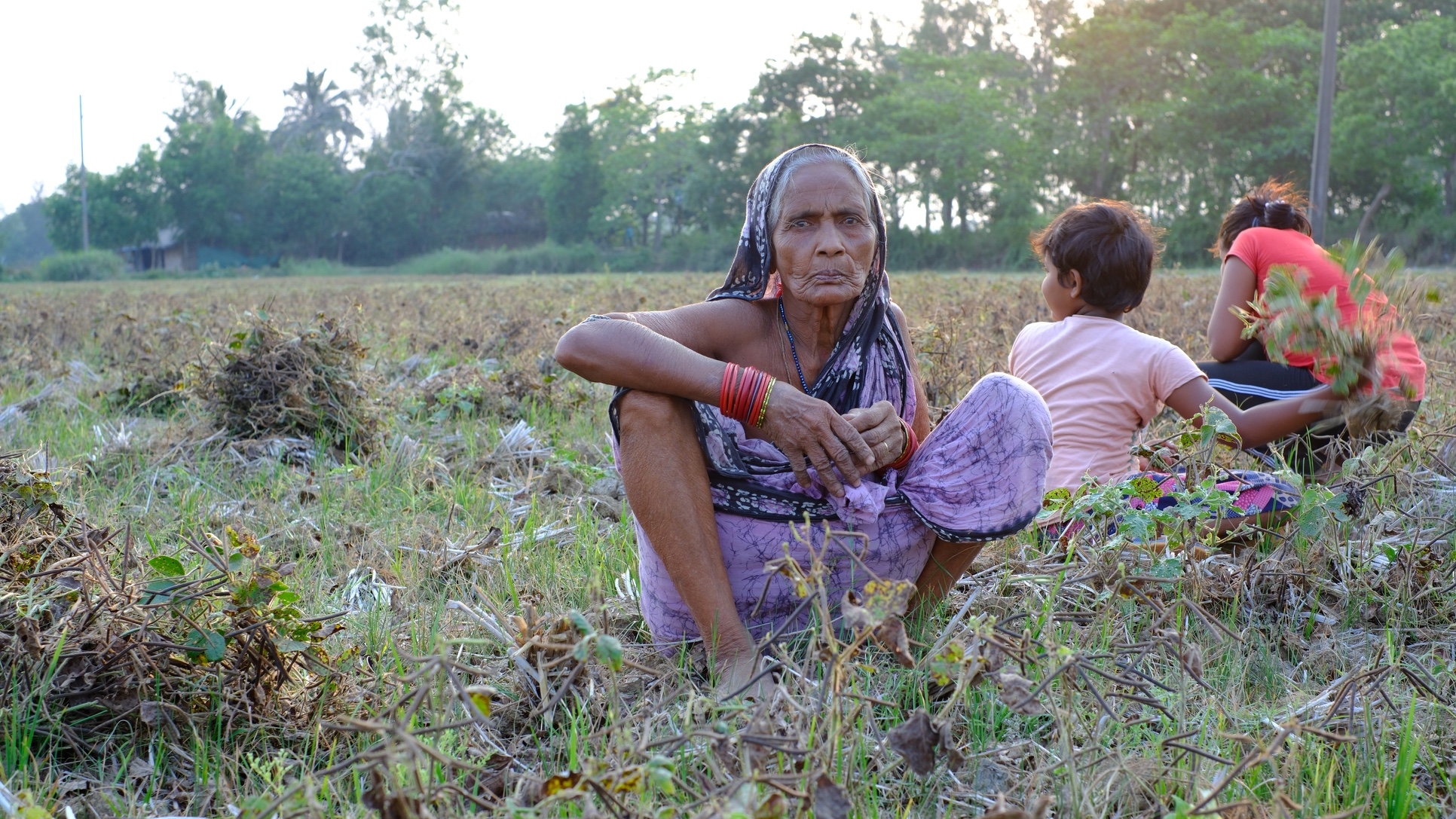
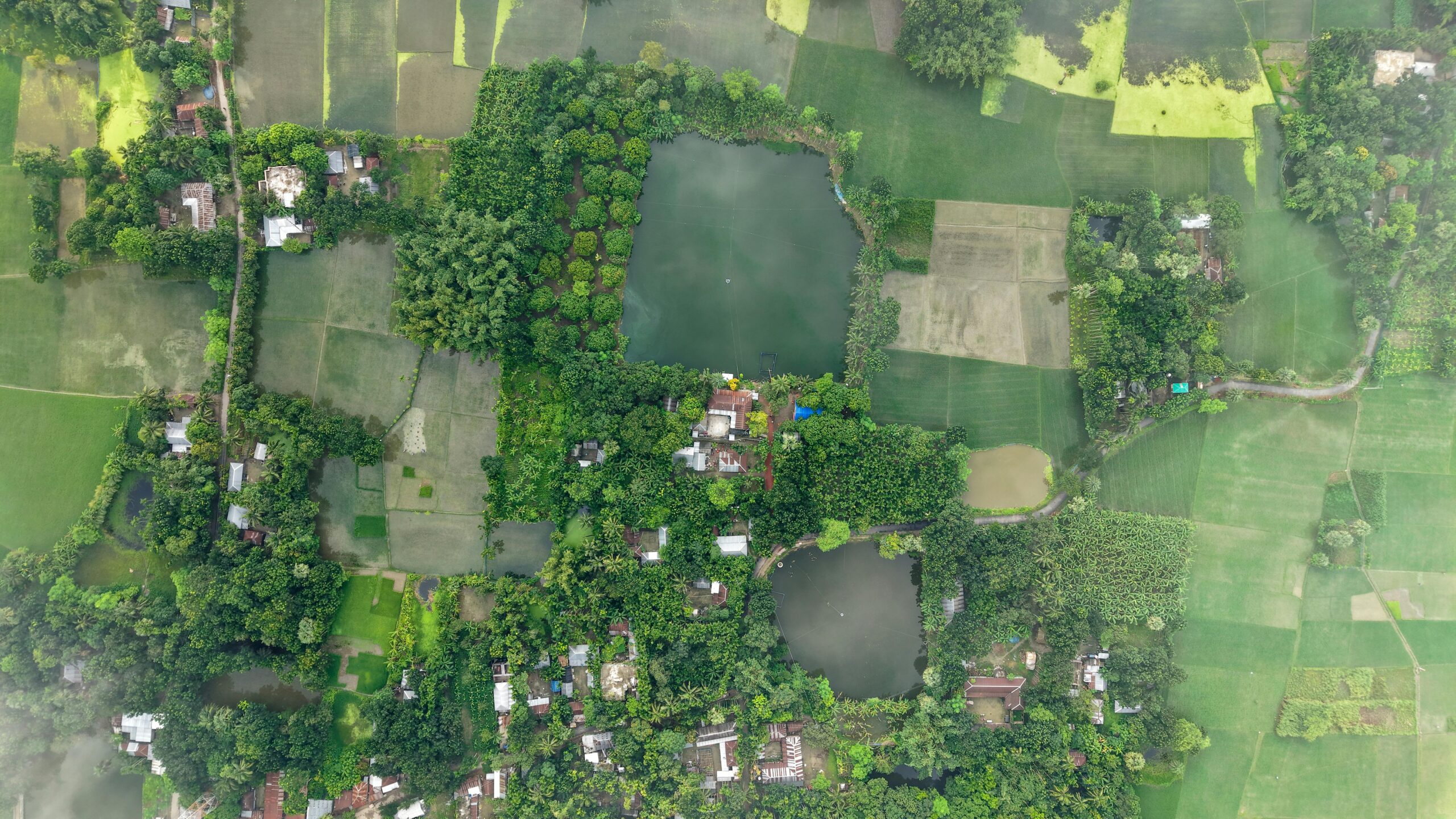
Take a minute to visualize an agrarian landscape. What may come to mind is a patchwork of farms and other human activities and enterprises, interwoven with natural habitats relatively untouched by human influence. Farmland and natural habitats have been trading ground for centuries everywhere, each rising and falling in turn. Black and white photos of my grandmother’s village in early 20th-century Italy show cultivated fields stretching over the hills and up the mountainsides. Not anymore. Thick woodlands of oaks and beech trees took up residence on those same hills as crops and animal husbandry retreated—yet without entirely disappearing. In other regions of the country, the opposite has occurred, as agricultural specialization led to both expansion and homogenization of farming landscapes. Maybe your own memories, or those passed down through your family, carry traces of similar transformations.
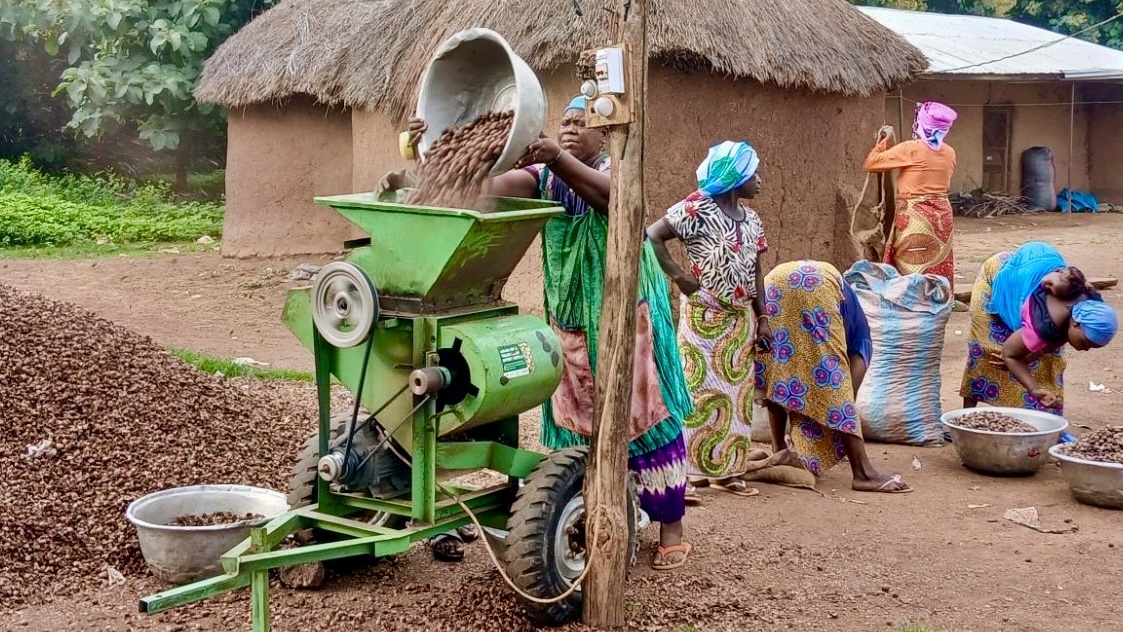
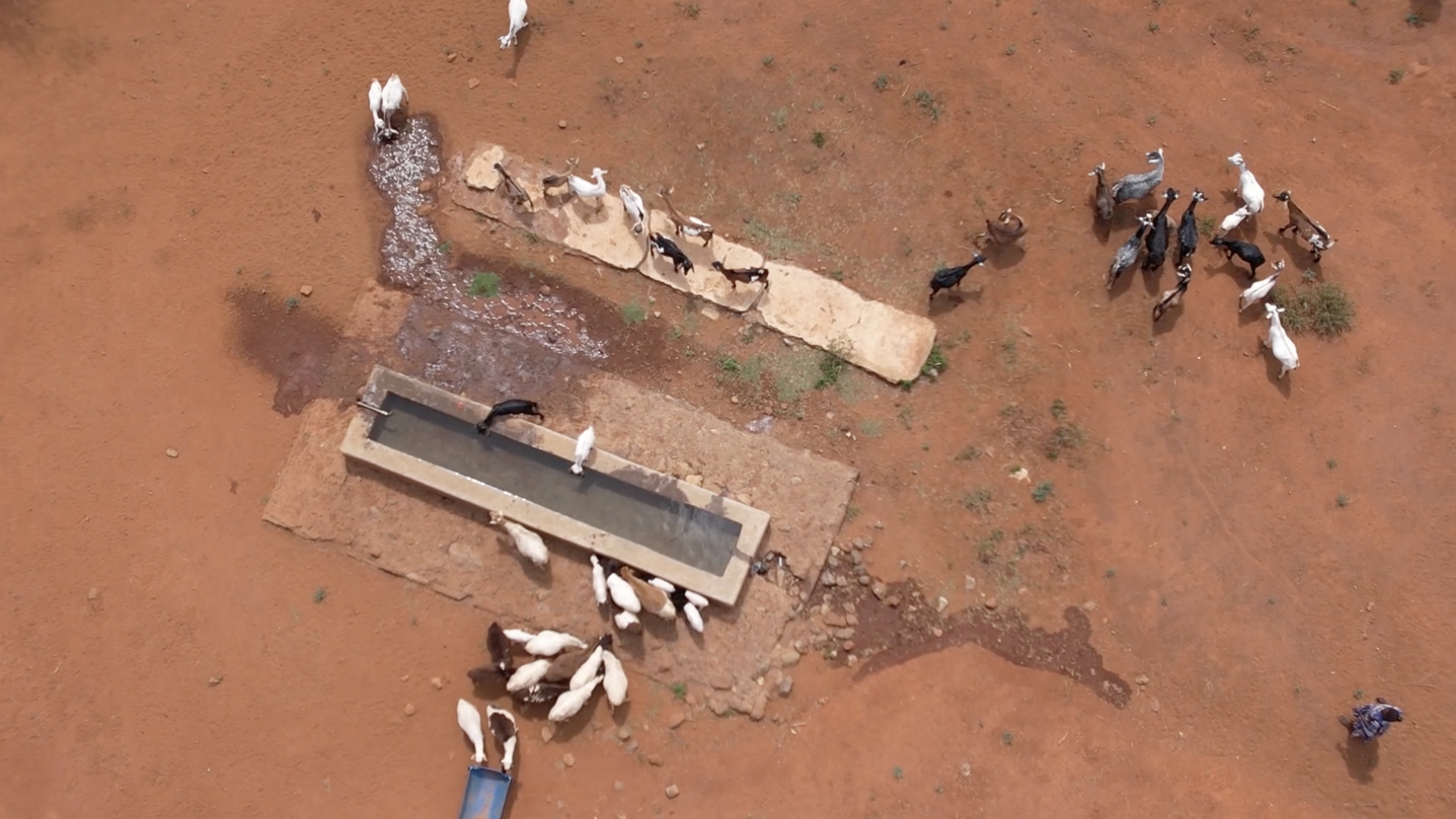
Historically, the character and composition of agrarian landscapes have reflected not only climate and terrain but also societal priorities and values. Landscapes have always been a snapshot of how communities, at different spatial scales, envisioned and pursued human welfare and well-being. Today, agrarian landscapes continue to embody the relationship between people and their environment, but under new and rapidly shifting pressures. As integral components of geographically dispersed food systems, they remain essential to food, employment, nutrition, health, and overall human well-being. Yet they must evolve to meet an unprecedented set of challenges, from undernutrition and food insecurity emergencies to climate change and biodiversity loss.
The importance of landscape complexity
What does a well-managed landscape look like—one that reflects our common understanding of these challenges, and our commitment to face them? An emerging perspective suggests that the design and management of truly multifunctional agricultural landscapes could provide an effective and timely response to these pressing challenges.
Evidence shows that such landscapes can simultaneously deliver on several objectives, from food production to biodiversity conservation, from water quality, flood control and carbon storage, to recreation and preservation of cultural value, and that multifunctionality is often associated with greater agricultural, biological, and landscape complexity.
What do we mean exactly by complex landscapes? Think of “complexity” as resulting both from the number and size of different landcover types (e.g., crops, forests, grasslands, etc.—compositional diversity), and from the spatial arrangement of those land covers across the landscape (configurational diversity). Complex landscapes accommodate multiple habitats, are associated with greater biodiversity richness, and deliver a wider range of ecosystem services valuable to human well-being, including some that can benefit agricultural production (Dainese et al., 2019; Estrada-Carmona et al., 2022; Martin et al., 2019). Complexity is thought to create redundancies in the ecological components of a landscape, for instance, by adding multiple species or elements that can serve similar roles. Like a backup system, such a feature strengthens both the overall functioning of a landscape and its ability to respond to disturbances, thus playing a key role in making it more resilient (Schippers et al., 2015).
Landscapes that cultivate well-being
Designing such complex landscapes requires more than just applying ecological and agronomic principles. It depends on input from many disciplines, the buy-in of various stakeholders, and an appreciation for the needs and priorities of the people who live in these landscapes and serve as their users and stewards.
Such efforts face many obstacles because powerful economic, social, and environmental forces are at work shaping landscapes in ways that are difficult to manage or predict. For example, global trade interconnections mean that policy choices made in Asia or North America can eventually alter the character of landscapes almost anywhere. Layered on top of these pressures, climate change and demographic shifts also affect land cover and land use and may shift the balance of what is possible, making some goals more attainable while pushing others further out of reach.
To navigate these forces and make complex, multifunctional landscapes a reality, policymakers and stakeholders need data that reveal how multiple interacting factors may shape land use worldwide, both now and in the future. In our recent discussion paper, we introduce a suite of foresight modeling tools designed to provide exactly that type of insight. These tools allow us to examine how forces such as climate, demographic, and economic change interact with the global food system, and to project in spatially explicit ways how these interactions may shape the future composition of agricultural landscapes around the world.
Beyond that, these tools help us understand how different land-use policies can influence landscape outcomes once they interact with global food system dynamics and other drivers of change. For instance, our analysis suggests that by 2050, most agricultural landscapes (around 60%) are likely to become more diverse than they are today. Under scenarios that extend historical patterns of agricultural expansion, in most regions this added diversity may come from a greater variety of crops expanding into new areas, often at the expense of natural habitats. But that’s not the only path forward. In a policy scenario where agricultural production is concentrated within a smaller footprint, greater landscape complexity emerges through net gains in natural habitats and a contraction of cropland, offering a different set of options for both people and nature.
Looking forward
Understanding these large-scale dynamics is essential to building partnerships with farmers and other stakeholders and designing targeted interventions that make the development of multifunctional landscapes possible.
The landscape around my grandmother’s village was mainly shaped by economic transformation and migration, as many left the countryside in search of better opportunities in the cities or abroad. As we continue to refine our modeling tools, we aim to help decision-makers better understand where landscapes are most impacted by socioeconomic pressures and/or climate change, and how much each factor matters. By integrating knowledge of global trends, local priorities, and sound science, we have a real opportunity to reshape rural landscapes with renewed purpose, fostering environments that support the well-being of communities and ecosystems alike.
Nicola Cenacchi is a Senior Research Analyst with IFPRI’s Foresight and Policy Modeling Unit. This post references research that is not yet peer-reviewed. Opinions are the author’s.
If you’d like to learn more about IFPRI’s work on modeling tools, visit our resource page.
This work was supported by the CGIAR Research Initiative on Foresight and the CGIAR Science Program on Policy Innovations.
Reference:
Cenacchi, Nicola; Petsakos, Athanasios; Robertson, Richard D.; Song, Chun; and Mishra, Abhijeet. 2025. Landscape complexity as determined by socioeconomic trends, climate change, and broad agricultural policies: A study on multifunctional landscapes. IFPRI Discussion Paper 2343. Washington, DC: International Food Policy Research Institute. https://hdl.handle.net/10568/175363