





Key takeaways
•Participatory rural exercises (PRAs) with 150 women in four Odisha districts reveal local climate impacts including links between forest loss, migration, health, and nutrition that standard data collection methods often miss.
•Rural women in these communities are directly experiencing the effects of climate change as declining rainfall, water scarcity, and extreme weather increase their labor burdens, disrupt livelihoods, and worsen household nutrition.
•The PRAs generated concrete, community-led solutions, with women identifying priorities such as water harvesting, forest restoration, mixed cropping, and better policy coordination grounded in their lived experience.
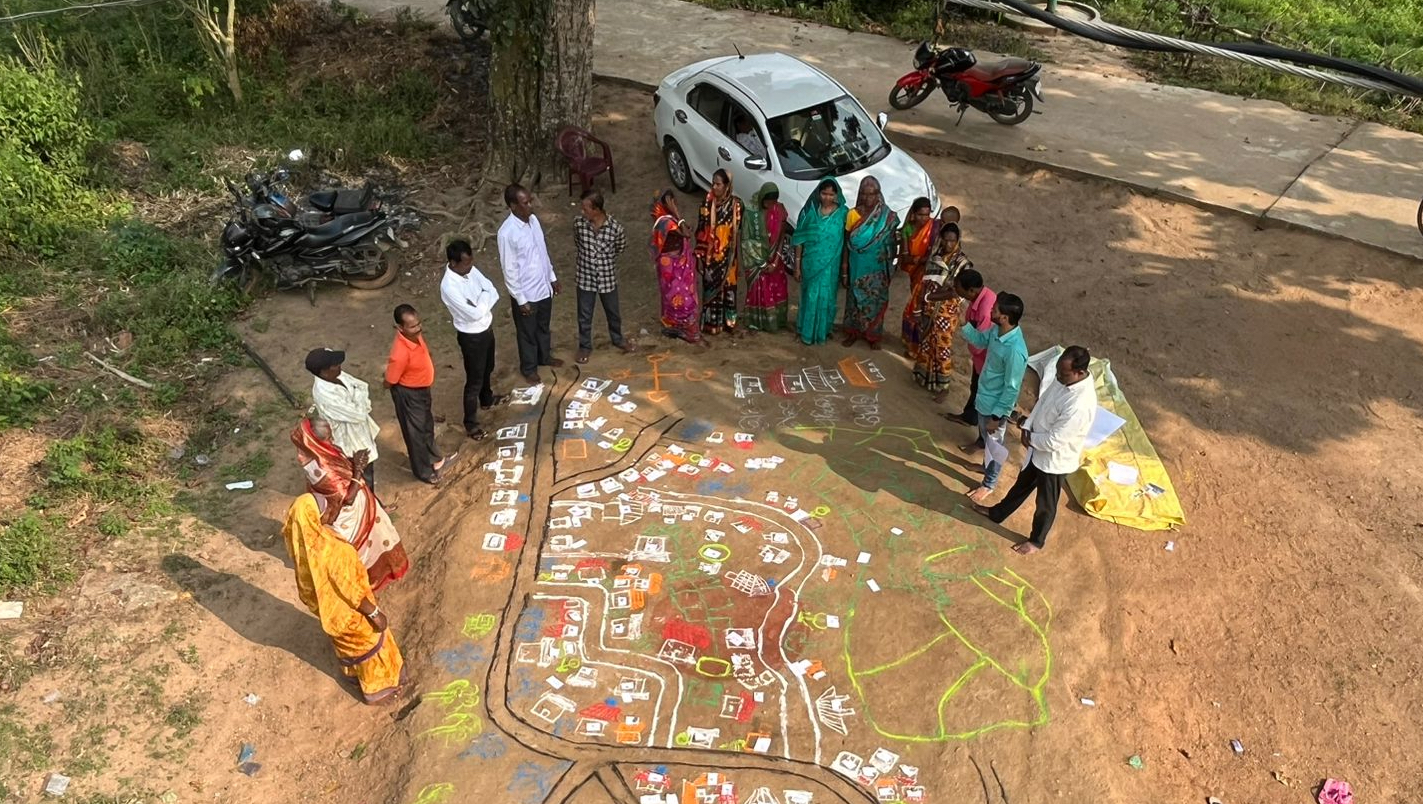
In Goudaguda village in the Koraput district in the Indian state of Odisha, a group of women sit in a circle on the ground, sketching a rough map of their village on the soil with colored chalk and sticks. They mark streams, forest patches, farmland and homes. Soon, another layer appears on the map: places where water sources have dried up, forest patches have thinned, and fields no longer yield what they once did.
These simple sketches are part of a broader attempt to understand how climate change is reshaping everyday life in rural Odisha. In September and October 2025, the Watershed Support Services and Activities Network (WASSAN), an NGO working in India’s rainfed regions, conducted a series of Participatory Rural Appraisals (PRAs) with around 150 women across four districts: Koraput, Kendrapara, Keonjhar, and Bargarh. These represent four distinct physiographic zones of the state: the Southern Ghats, Eastern Coastal Plains, Northern Plateau and Western Drylands.
Through group exercises and discussions, participants explored how climate change and variability areaffecting food security, nutrition, and livelihoods for women and communities.
The initiative is part of the IFPRI-led Gender, Climate Change, and Nutrition Integration Initiative (GCAN), which seeks to integrate gender equality, climate resilience, and nutrition goals into agricultural policies and investments. In Odisha, the PRA process included social and resource mapping, transect walks through fields and forests noting land and water use and environmental conditions, seasonal calendars (lists of activities across agricultural seasons), and focus group discussions.
Government frontline workers such as ASHA (Accredited Social Health Activists with India’s National Rural Health Mission) and Anganwadi (rural mother-child health center) staff, as well as teachers, panchayat (village council) representatives, civil society organizations, and community members also facilitated the exercises.
Climate stress is unevenly distributed across genders
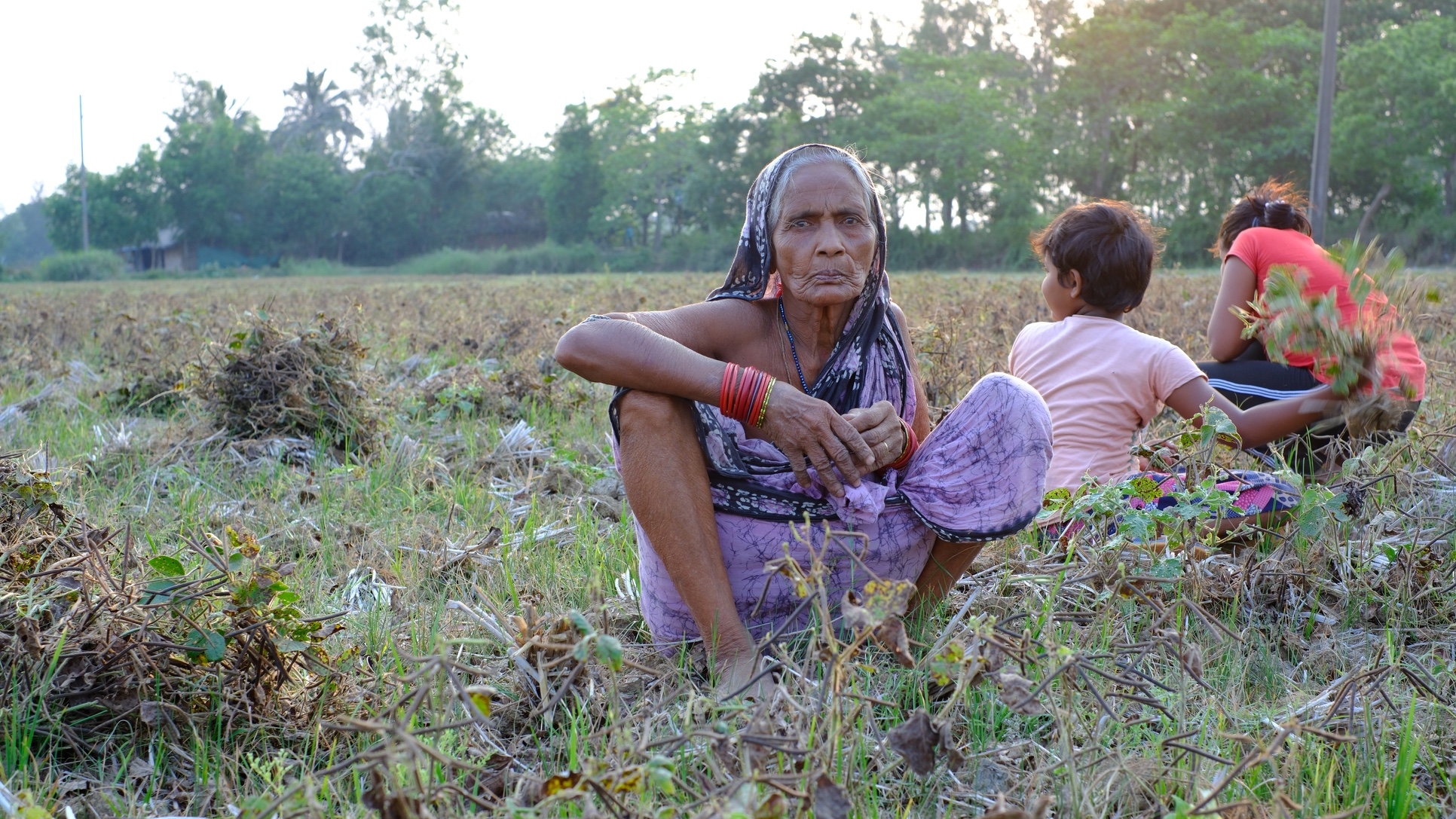
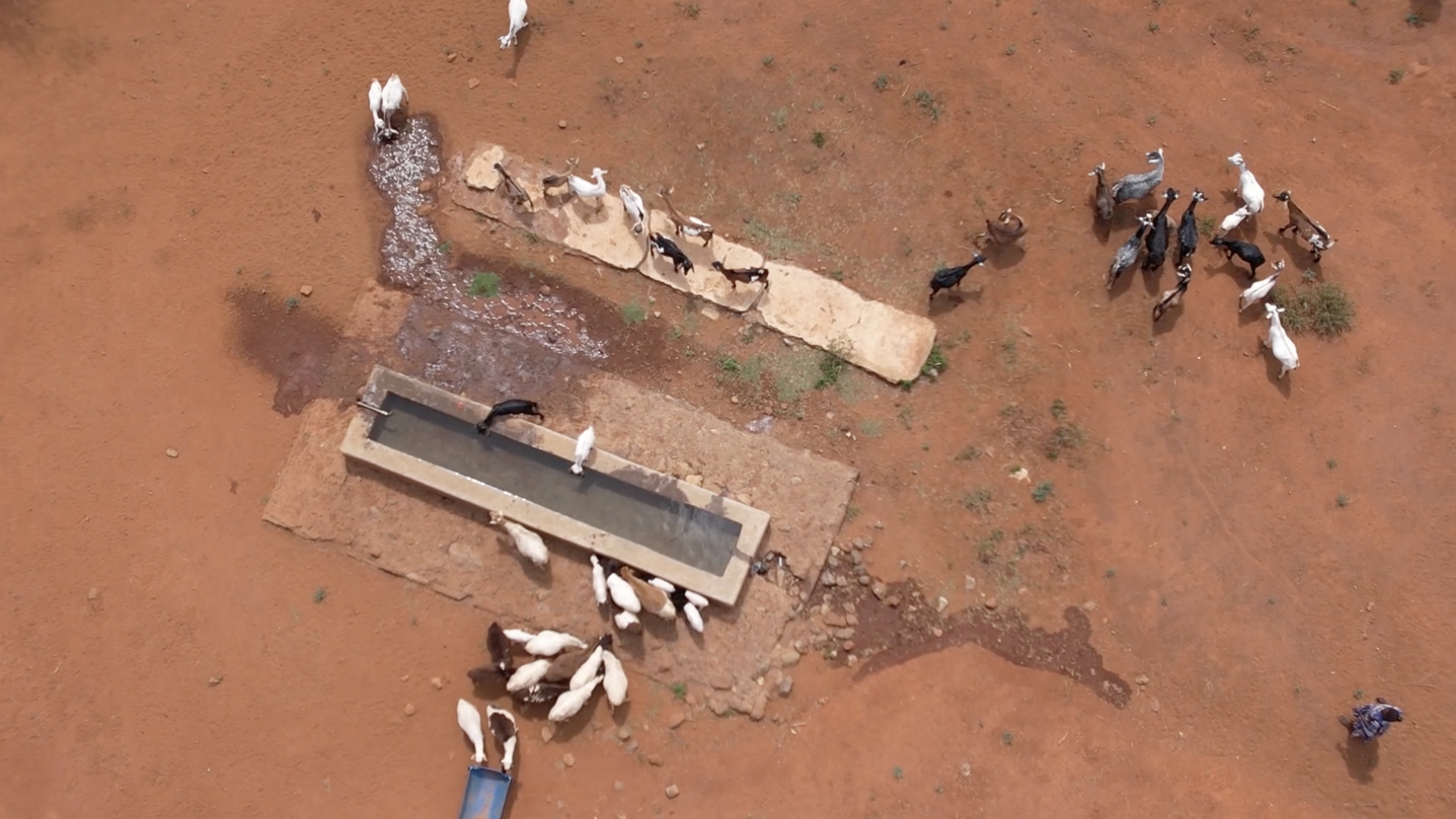
Across all four regions, declining rainfall and shrinking water sources surfaced as a major challenge. In Keonjhar and Bargarh, tribal women spoke about walking longer distances to fetch water for both household use and agriculture.
“When the ponds do not fill, survival becomes challenging,” noted a Gond woman from Kaliabeda village in Keonjhar during a seasonal calendar exercise. Men often migrate in search of work when crops fail, she added, leaving women to manage farming, livestock and household responsibilities.
In coastal Kendrapara, women discussed how recurring cyclones, floods, and saltwater intrusion were affecting farmland and fisheries. Meanwhile, in the hill regions of Koraput and Nuapada, flash floods and drought cycles have become more unpredictable.
The discussions showed that climate shocks such as droughts or extreme weather often push men toward migration while increasing the physical and emotional workload for women on the home front and on family farms. Women reported spending more time securing water, managing livestock feed and ensuring food for the family when harvests decline due to climate shocks. This shift in labor also affects nutrition. With lower yields and reduced income, households rely more heavily on market food (hybrid varieties grown with chemical fertilizers and processed foods) rather than self-grown organic crops.
Vanishing forest
In the forested villages of Koraput and Keonjhar, women reported the slow disappearance of wilderness areas and with them, wild foods. During a transect walk along the edge of a degraded forest patch in Gouadaguda village in Koraput, women pointed to areas where native trees once grew. Today, many of these spaces have been replaced by monoculture plantations or cleared for infrastructure.
Forest foods such as wild fruits, mushrooms, and edible leaves once played a vital role in seasonal diets. Over the years, their decline has quietly eroded dietary diversity in local communities. “Earlier, during the rainy months, the forest provided food like mushrooms, greens, and bamboo shoots,” said a woman from Goudaguda panchayat in Koraput. “But forest food has reduced. Now we have to buy most of our food from the market.”
Participants also raised concerns about the replacement of indigenous crops with hybrid and high-yielding varieties. Despite higher yields, women said these crops require greater investment in seeds and chemical inputs. This reduces the diversity of local foods traditionally grown in mixed farming systems.
Climate hazards impact health and food security
The health impacts of climate change are also becoming more visible. Participants in Kendrapada reported rising cases of waterborne diseases, heat stress, and other climate-related illnesses. Women said they are often the first to deal with these crises, caring for family members while continuing their daily work.
Social norms further complicate the situation. Several groups discussed how gendered food practices, such as women eating last in the household, can deepen nutritional gaps during periods of scarcity.
Community solutions
Women across the four regions proposed a range of practical, locally rooted solutions, with water conservation a recurring priority. In recent years, rainfall has become increasingly erratic, limiting growing seasons and reducing crop yields. They stressed that urgent action is needed to conserve and manage water so that year-round agriculture becomes a feasible option again.
Improved water availability nearby for household and livestock consumption would also reduce the drudgery of women who currently travel long distances to fetch water. Suggested measures included small rainwater harvesting structures, pond restoration, and the creation of irrigation channels from hill streams to sustain crops during dry spells.
Forest restoration was another priority. Communities recommended planting native species and regulating commercial plantations that grow eucalyptus, among other species, which they believe disrupt the local ecological balance. Many groups also encouraged the revival of traditional mixed cropping systems. Decentralized seed banks storing traditional varieties could help farmers preserve crops adapted to local conditions and reduce dependence on external inputs.
Livelihood diversification emerged as another key strategy. Women suggested promoting kitchen gardens, rearing small livestock, fish farming, and processing of forest produce to generate income, especially during lean months when farm work declines. These measures, women said, could also reduce seasonal migration and strengthen household food security.
Bridging the policy gap
While many participants were aware of social protection schemes such as the Public Distribution System, which offers staple foods like rice and wheat and other items like kerosene to low-income participants at subsidized prices, and employment programs, community members said they were unfamiliar with policies and programs specifically addressing climate change. Participants felt that environmental laws, particularly those regulating deforestation and commercial plantations, were either poorly implemented or otherwise difficult for communities to benefit from.
They called for simpler, more transparent schemes that reach women farmers directly and provide clear information on climate adaptation support, and for weather advisories presented in formats that rural communities can easily understand.
Odisha is one of the first states in India to develop a climate strategy —the Odisha State Action Plan on Climate Change (OSAPCC). The findings from this research point to clear ways to integrate women’s empowerment and nutrition goals into this plan going forward.
To advance that goal, WASSAN will draw on PRA findings and other field exercises to package villagers’ experiences, priority actions, and practical barriers into concise policy briefs and implementation recommendations. These will propose concrete steps, such as joint planning protocols between government departments for forestry, agriculture, and women and child welfare, simplified benefit delivery mechanisms for women farmers, and locally-tailored communication channels for weather and climate advisories, that each department can adopt and coordinate on.
WASSAN will also facilitate multi-stakeholder meetings where frontline workers, elected local representatives, and department officials will review PRA evidence together, design convergent workplans, and commit to measurable timelines. By presenting community validated priorities and feasible, cross-sectoral implementation models, WASSAN aims to make climate and environmental policies more accessible, accountable, and responsive to rural women’s needs—so that programs and services ultimately support the locally prioritized solutions emerging from the PRAs.
Women’s knowledge
As the mapping exercise in Koraput concluded, the women stepped back to examine the chalk diagram of their village. What began as a rough map had evolved into a layered portrait of shrinking forests and shifting livelihoods. But it also captured the depth of local knowledge about climate risks and solutions.
That knowledge exposes a key gap in climate adaptation policies: they often overlook the everyday experiences of women managing food, water, and other natural resources at the household level. When given the space to reflect and speak collectively, women offer some of the most grounded insights into how climate change is reshaping rural lives and how communities can respond, one step at a time.
Abhijit Mohanty is a Programme Manager—Knowledge Building for the Watershed Support Services and Activities Network (WASSAN); Somyashree Tripathy is a WASSAN Senior Program Officer. Trinath Taraputia is a WASSAN Associate State Coordinator. They are based in Bhubaneswar, India. This post is based on research that is not yet peer-reviewed. Opinions are the authors’.
This work was carried out by WASSAN, a partner in the Gender, Climate Change, and Nutrition Integration Initiative (GCAN) led by IFPRI, under the CGIAR Climate Action Science Program.