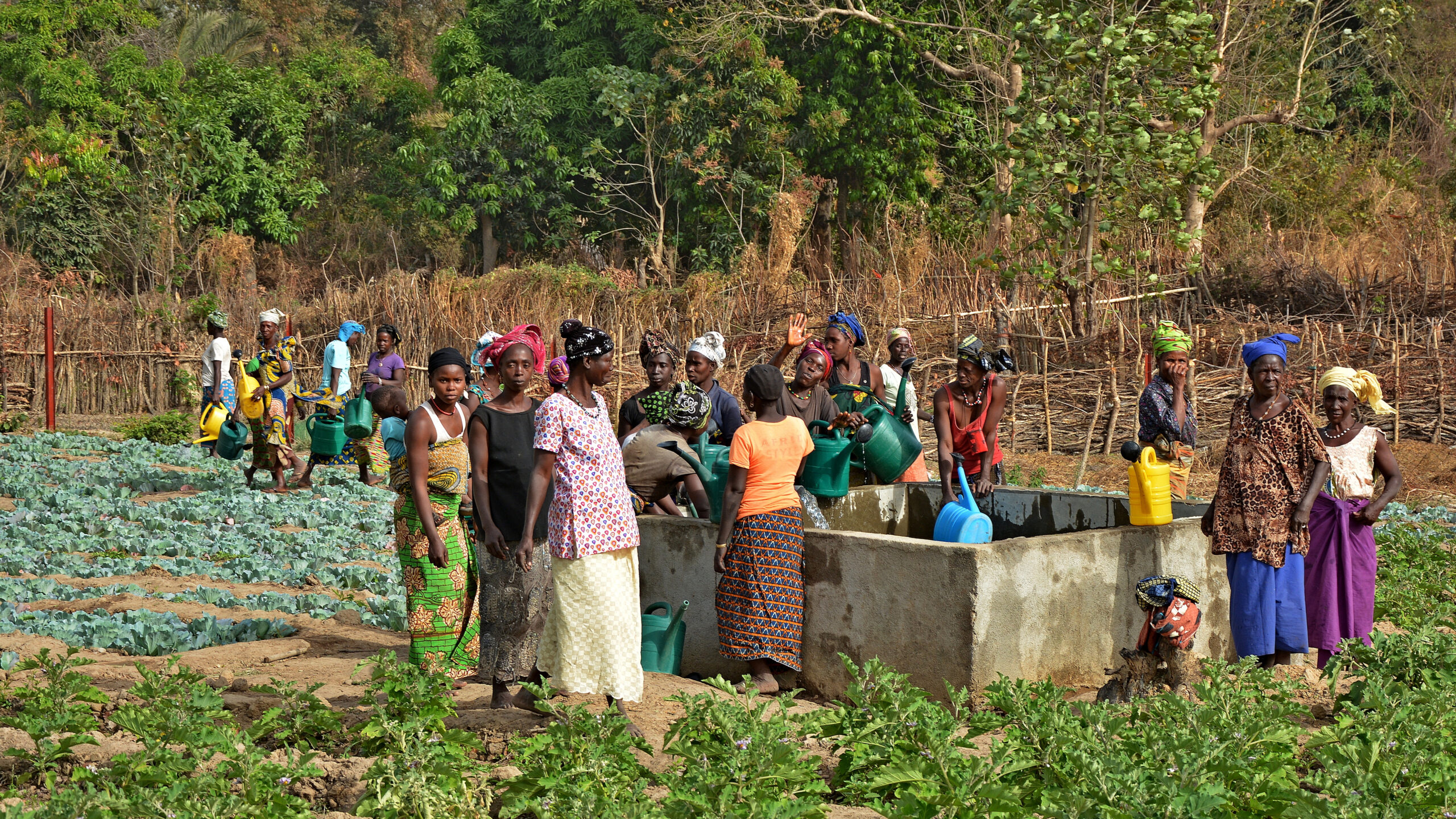

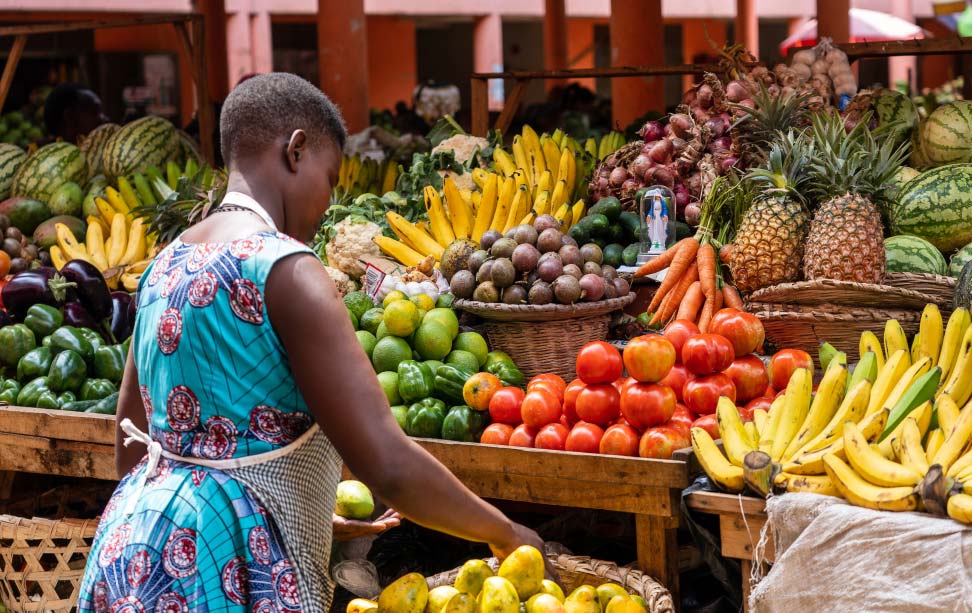


The International Day of Rural Women (October 15) highlights the essential roles that rural women play in sustaining households, managing natural resources, and contributing to rural economies. Yet even as they participate extensively in agriculture and local organizations, women’s ability to influence the policies and institutions that shape their lives often remains limited.
To design more equitable and effective policies, research and practice must take women seriously not only as members of households but also as economic and political actors in public life. Empowerment cannot be understood—or achieved—if we focus on one domain at the expense of the other. What happens inside the home and what happens in communities and local governments are deeply connected. Understanding both—and how they interact—is key to fostering inclusive and resilient development.
Connecting the household and the public sphere
Research on gender and development has shed critical light on household dynamics: Who controls income, decides on expenditures, or eats last. But to inform more effective and inclusive policy, we must also study women’s roles in public life. Women’s ability to participate in and influence decisions in village meetings, producer organizations, natural resource committees, and school boards helps determine which issues are prioritized and which solutions are chosen.
Household and community spheres continually shape one another. Control over income, assets, and time affects women’s willingness and ability to engage publicly. In turn, gaining voice and recognition in local decision-making can shift household bargaining power, mobility, and aspirations. Studying these linkages provides a more complete picture of empowerment—and helps explain why some interventions lead to sustained gains while others do not.
Rethinking women’s influence
Women’s influence in public life extends well beyond formal elections. Women speak in community meetings, organize collectively, serve on local committees, and build coalitions to advocate for services and assets. Yet these non-electoral pathways remain poorly mapped and under-analyzed. This gap is especially important in fragile, conflict-affected, and climate-stressed settings—home to a growing share of the world’s poor—where formal institutions are often weak and informal influence matters most. Understanding when and how women can exercise influence in these contexts is critical to designing policies that truly work for them.
Measuring real empowerment
Counting how many women are present in meetings or listed on committees tells us little about whether they have genuine power to shape outcomes. IFPRI’s Women’s Empowerment in Agrifood Governance Index (WEAGov) addresses this gap, moving beyond headcounts to assess whether women are considered, included, and able to influence agrifood policies and institutions.
Complementary work on collective agency—or women’s “power with”—seeks to measure the capacity of women’s groups to define priorities, take joint action, and sustain engagement over time. Together, these tools shift the focus from participation to accountability: not just whether women are involved, but whether they are truly empowered to shape the rules and outcomes that affect them.
From reaching women to transforming systems
Programs that merely “target” women risk leaving underlying power relations intact—or even provoking backlash. The goal is not only to reach women, but to benefit, empower, and transform. Several ongoing research projects in which I am involved illustrate how this can happen.
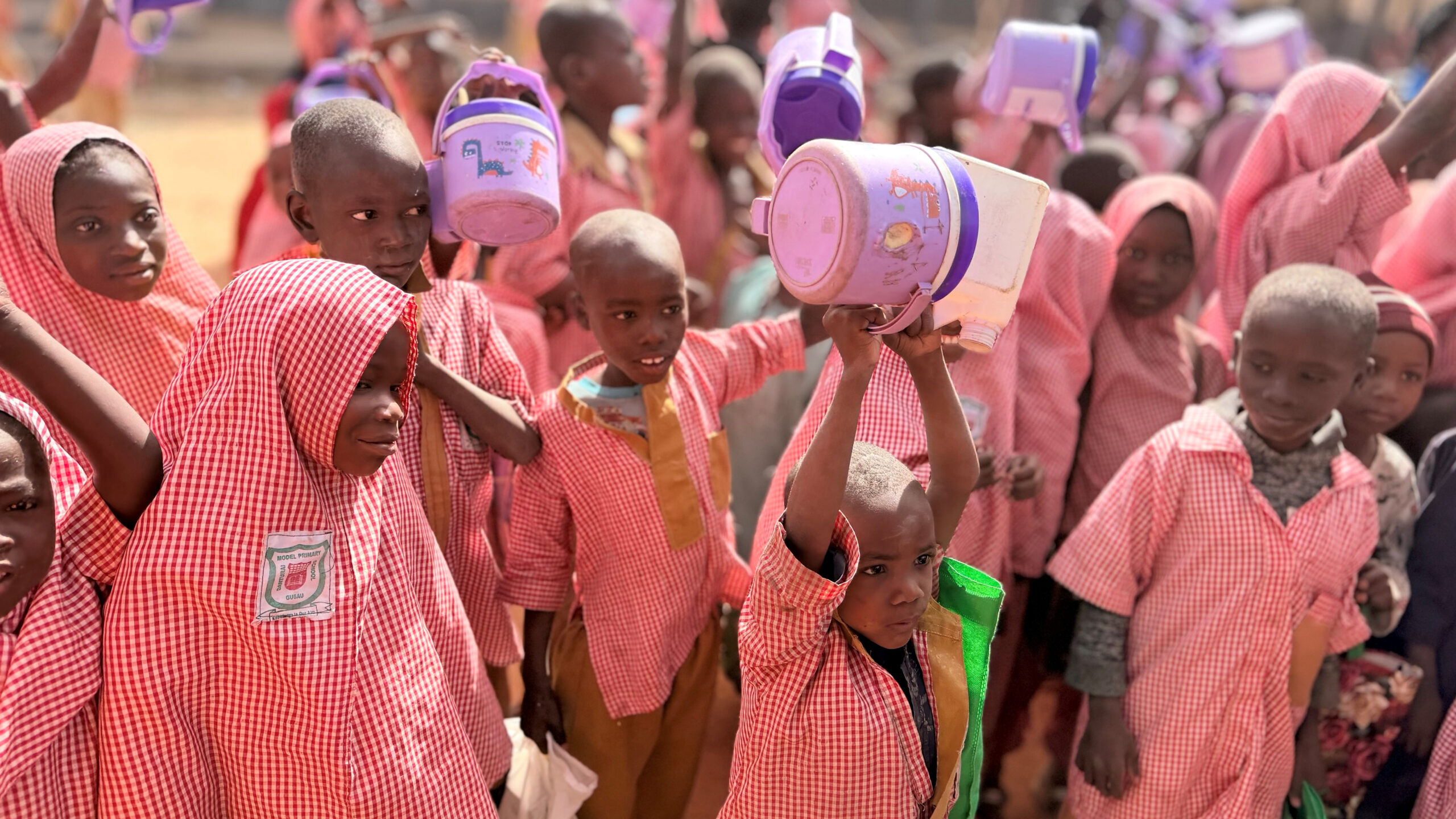
In Nigeria, through a randomized control trial study, we found that women who participated in advocacy training gained greater voice in their communities. They learned how to identify priorities, frame demands, and follow up with leaders. They went on to speak up more in community meetings, contact officials more often, and report greater responsiveness from policymakers. Their economic agency also expanded: They were more likely to save, borrow, and apply for government grants. Interestingly, providing parallel training to husbands did not amplify women’s gains—suggesting that programs should center women’s skills and networks while involving men strategically.
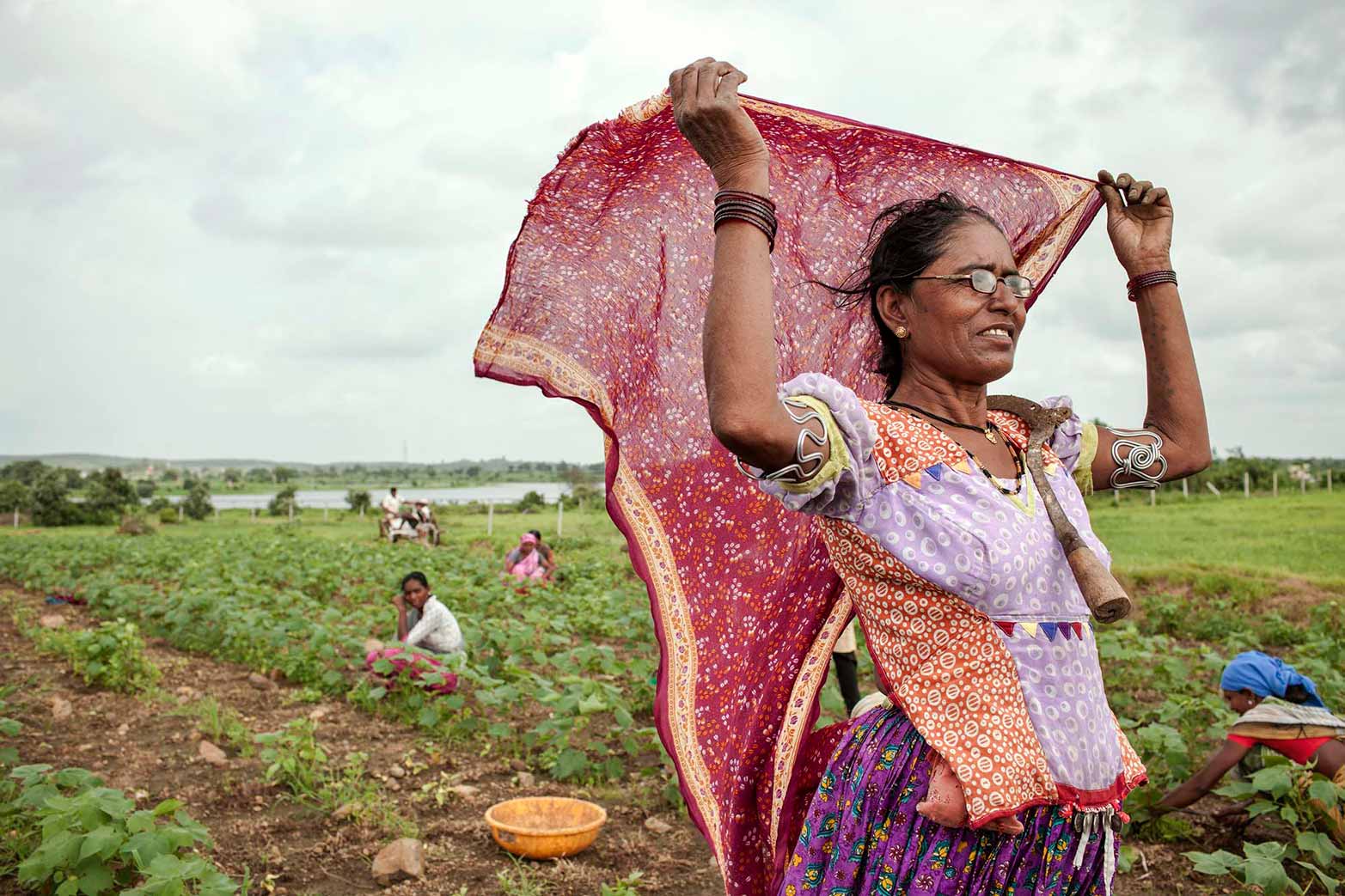
In India, under the MGNREGA public works program, randomized exposure to relatable female role models alone did not significantly change women’s participation in community planning. But when role models were paired with hands-on practice—mapping community needs, rehearsing demands, and role-playing interactions with officials—women began to act on their aspirations, becoming significantly more likely to demand which assets be constructed in their communities. The combination of inspiration and experience proved transformative.
In Malawi, we looked at women’s influence in group deliberating over the best policies to solve deforestation challenges. When women’s share of a deliberation body was increased, the entire content of the conversation shifted. More time was spent on issues where women had recognized expertise—like fuel efficiency or incentives for replanting—and less on topics dominated by men, like community enforcement mechanisms. Even when the final vote didn’t change, the process became more balanced and inclusive, and women were seen as more influential by both men and women.
And finally, in our work on anticipatory action programs in Nepal and Nigeria, we’ve seen that gender responsiveness requires design choices from the very start: making sure early warnings reach women directly, providing aid in forms they can actually use and control, and giving them a seat at the table when programs are being designed. When those elements are missing, women are sometimes not even reached, much less empowered. Negative shocks tend to further exacerbate gender inequalities. But when they’re present, women’s participation improves the whole system’s effectiveness in responding to crises.
Across these settings, representation translated into real influence only when three conditions aligned: women had the skills and confidence to act, institutional structures gave their voices traction, and participation was safe and meaningful. When these elements came together, women reshaped not just conversations, but outcomes.
Building collective voice and leadership
Looking forward, two priorities can help advance women’s leadership and collective action. The first is to invest systematically in women’s collective voice—creating and sustaining platforms where women advocate together, build networks, and hold leaders accountable. Collective organizing allows influence to extend beyond a single project or election cycle and embeds women’s perspectives into ongoing governance processes.
The second is to embed gender responsiveness in climate and crisis programs from the start. Ensuring that early warnings and assistance reach women directly, that support comes in forms they can control, and that they participate in designing interventions strengthens both equity and effectiveness. When women lead in these high-stakes contexts, the results improve for everyone—and social norms evolve in powerful ways.
Empowering rural women is not simply about increasing participation. It is about creating the conditions—skills, structures, and safety—that allow participation to translate into power. On this International Day of Rural Women, that is both the challenge and the opportunity: to build the evidence and policy frameworks that enable women to shape the systems that shape their lives.
Katrina Kosec is a Senior Research Fellow with IFPRI’s Poverty, Gender, and Inclusion (PGI) Unit and Interim Lead of CGIAR’s research on Fragile and Conflict-Affected Food Systems. Opinions are the author’s.
This work is supported by the CGIAR Science Programs on Food Frontiers and Security and Gender Equality and Social Inclusion.