




Making a Difference
-
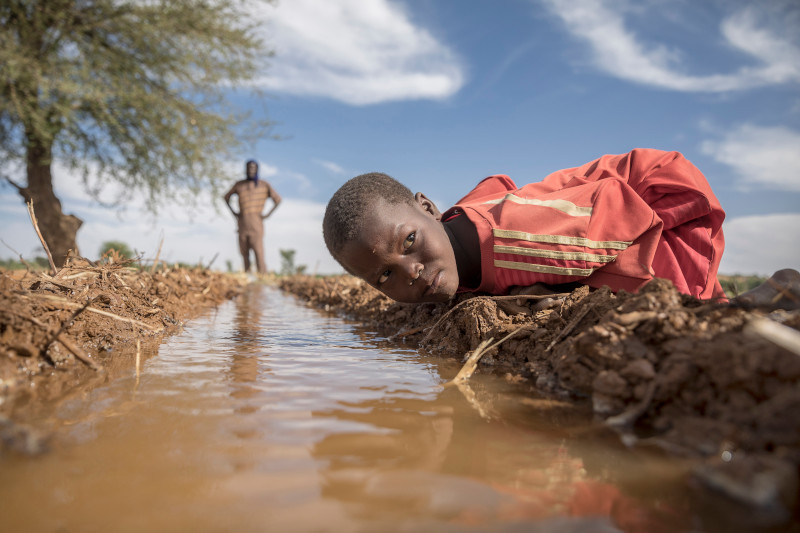
Guiding Niger River Basin investments using a WEFE Nexus approach
IFPRI’s role supporting stewardship for a key resource.
-
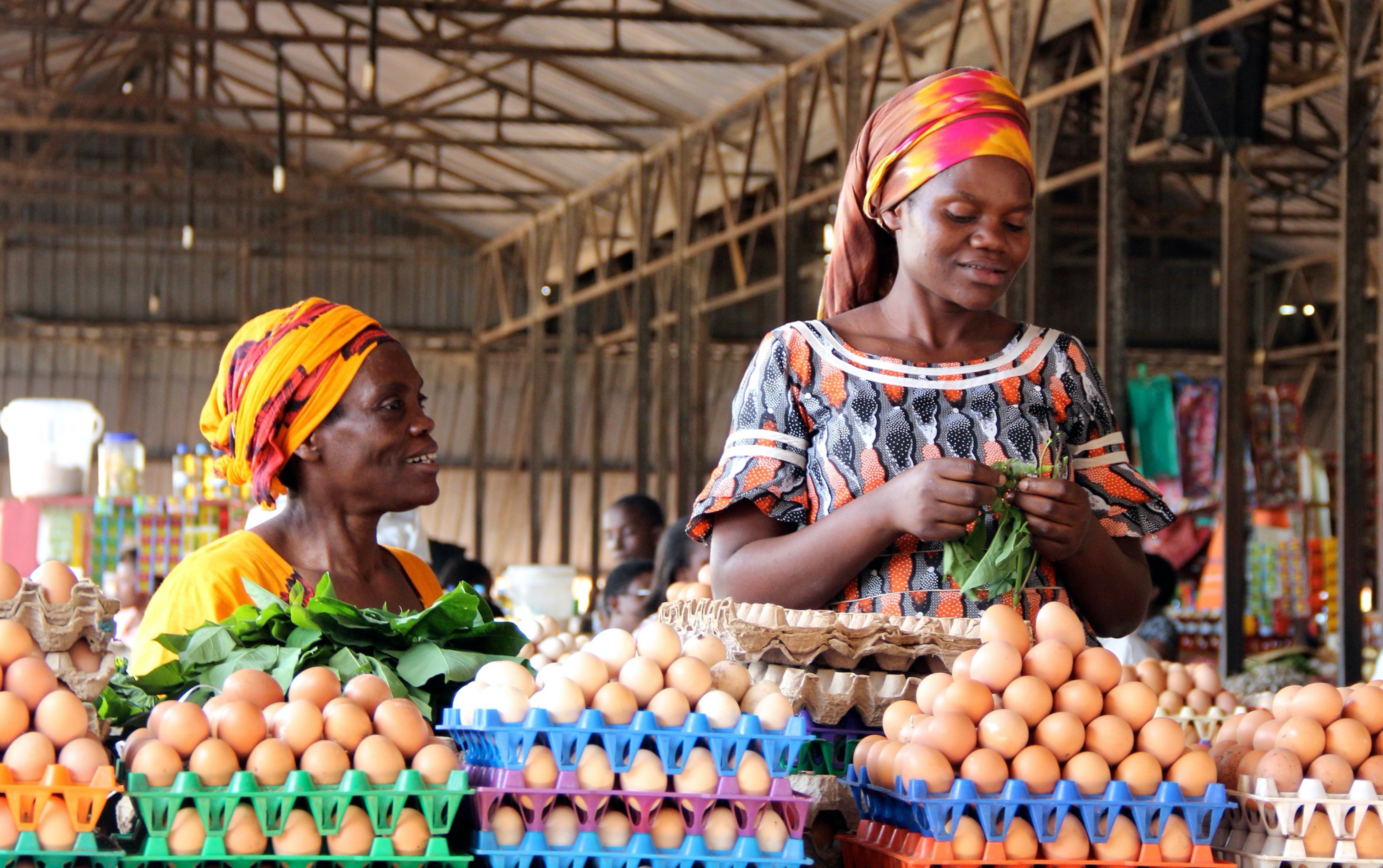
AReNA’s groundbreaking research on links between agriculture, nutrition, and healthy diets
In 2014, IFPRI and the Gates Foundation launched the AReNA project to bridge agriculture and nutrition research, addressing data gaps and advancing understanding of how agriculture can better improve diets and nutrition worldwide.
-
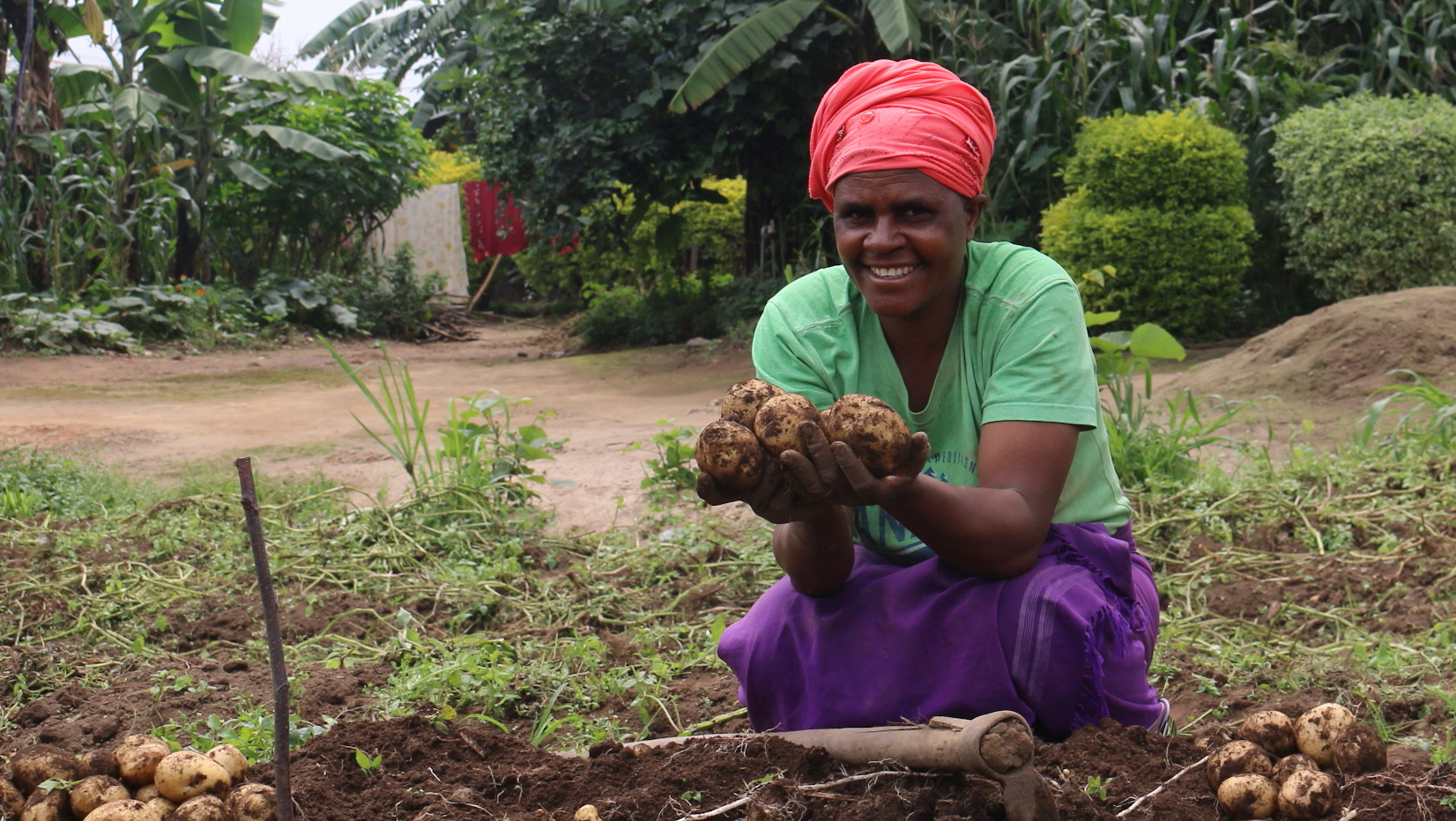
Shaping strategies for Rwanda’s agricultural transformation
Rwanda’s agricultural transformation, guided by its Strategic Plan for Agriculture Transformation (PSTA), showcases how evidence-based strategies—supported by IFPRI—can drive inclusive, sustainable growth by aligning economic, social, and environmental goals through coordinated action and investment.
-

Models as assets for food security: The impacts of IFPRI’s IMPACT, RIAPA, and SPAM models
IFPRI’s modeling tools—IMPACT, RIAPA, and SPAM—provide global, national, and subnational insights to guide food policy decisions. These models have influenced major investments and policies, offering evidence-based projections to enhance food security, nutrition, and resilience in evolving agrifood systems.
-
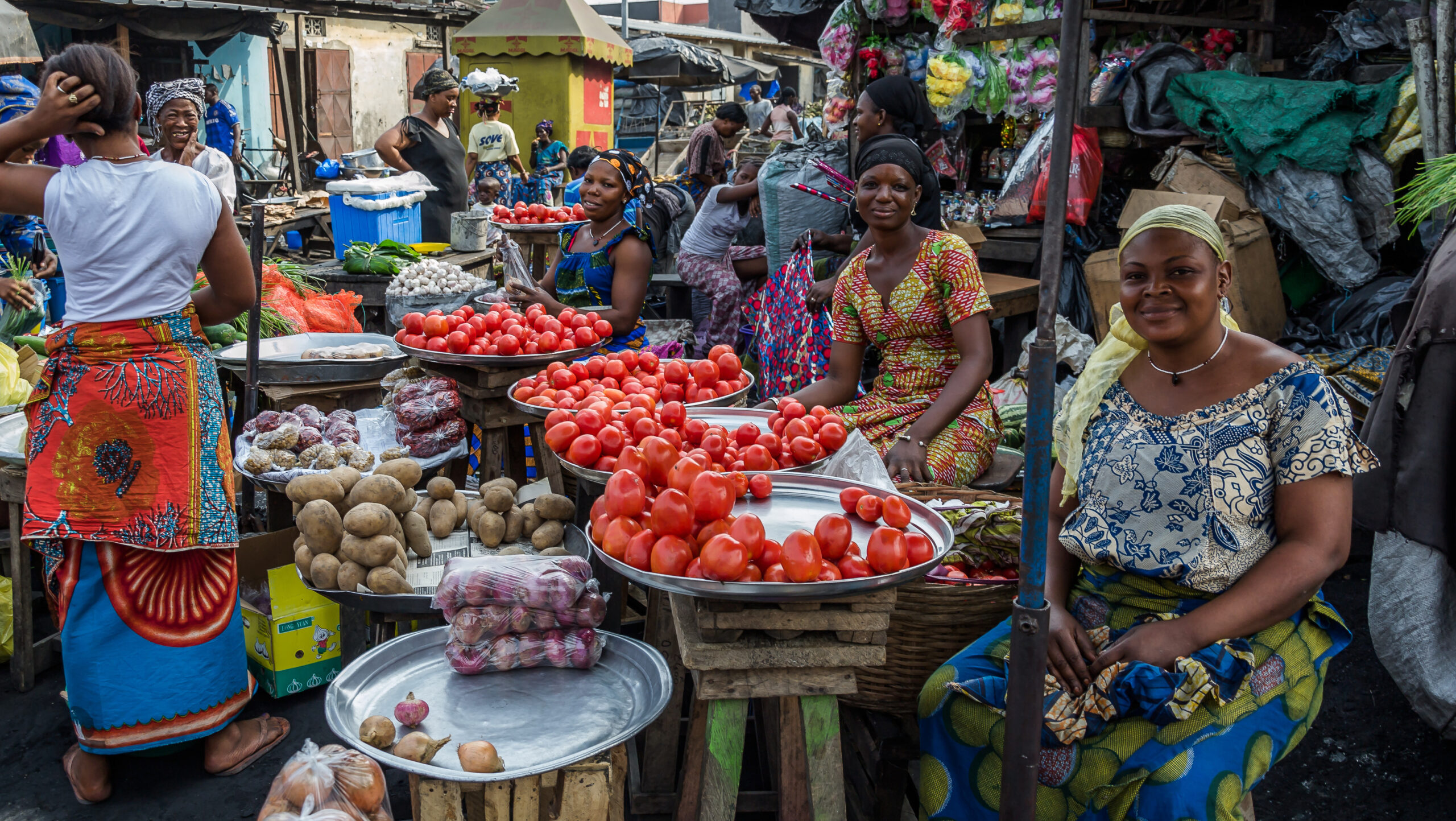
Transform Nutrition West Africa builds knowledge for decision-makers
Transform Nutrition West Africa (TNWA), led by IFPRI and funded by the Gates Foundation (2017–2021), served as a regional platform to support effective policy and programmatic actions to improve maternal and child nutrition in West Africa, focusing on Ghana, Nigeria, Senegal, and Burkina Faso.
-
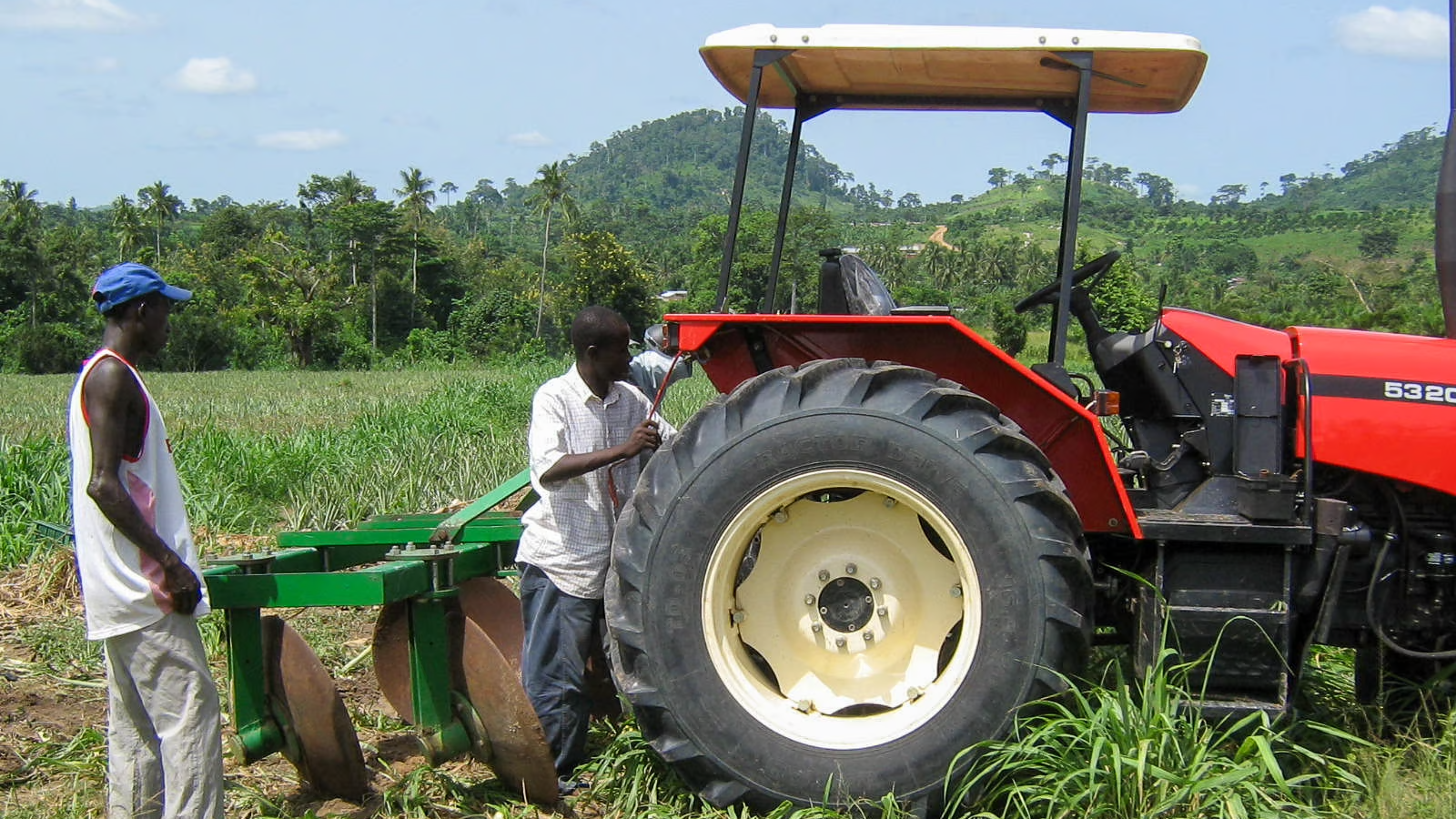
Making a Difference: How farmers in Ghana benefit from the Agricultural Mechanization Services Enterprise Centers Program
In 2011, at the request of the Ghanaian government, IFPRI began work to assess the impacts and progress of mechanization programs in Ghana. This blog outlines how farmers have benefited from Ghana’s Agricultural Mechanization Services Enterprise Centers Program.
-
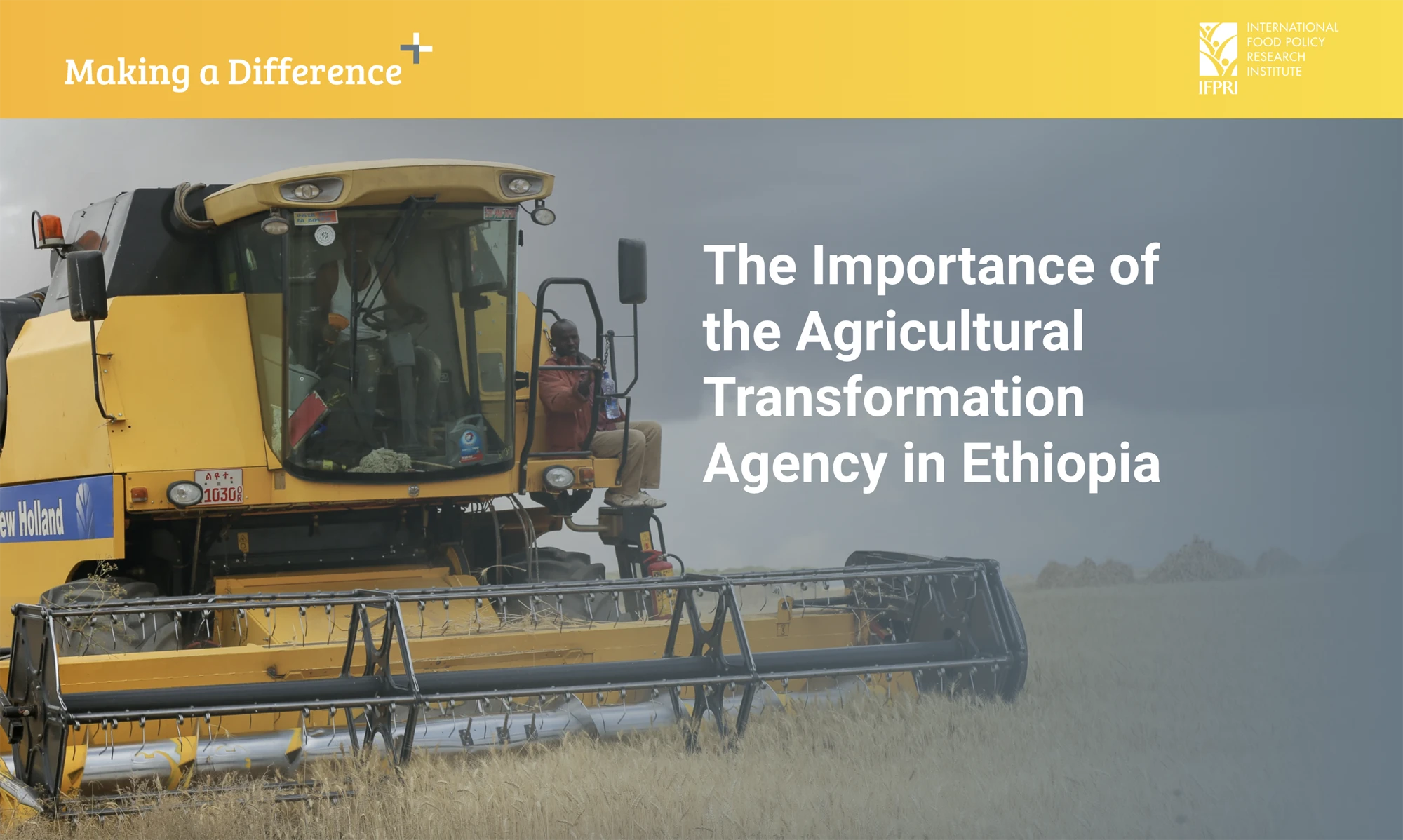
The importance of the agricultural transformation agency in Ethiopia
This blog discusses how IFPRI’s long-term strategic research support to Ethiopia’s Agricultural Transformation Agency (ATA) has led to tangible government policy outcomes. Established in 2010, the ATA plays a critical role in guiding the country’s agricultural development and sustainability.
-
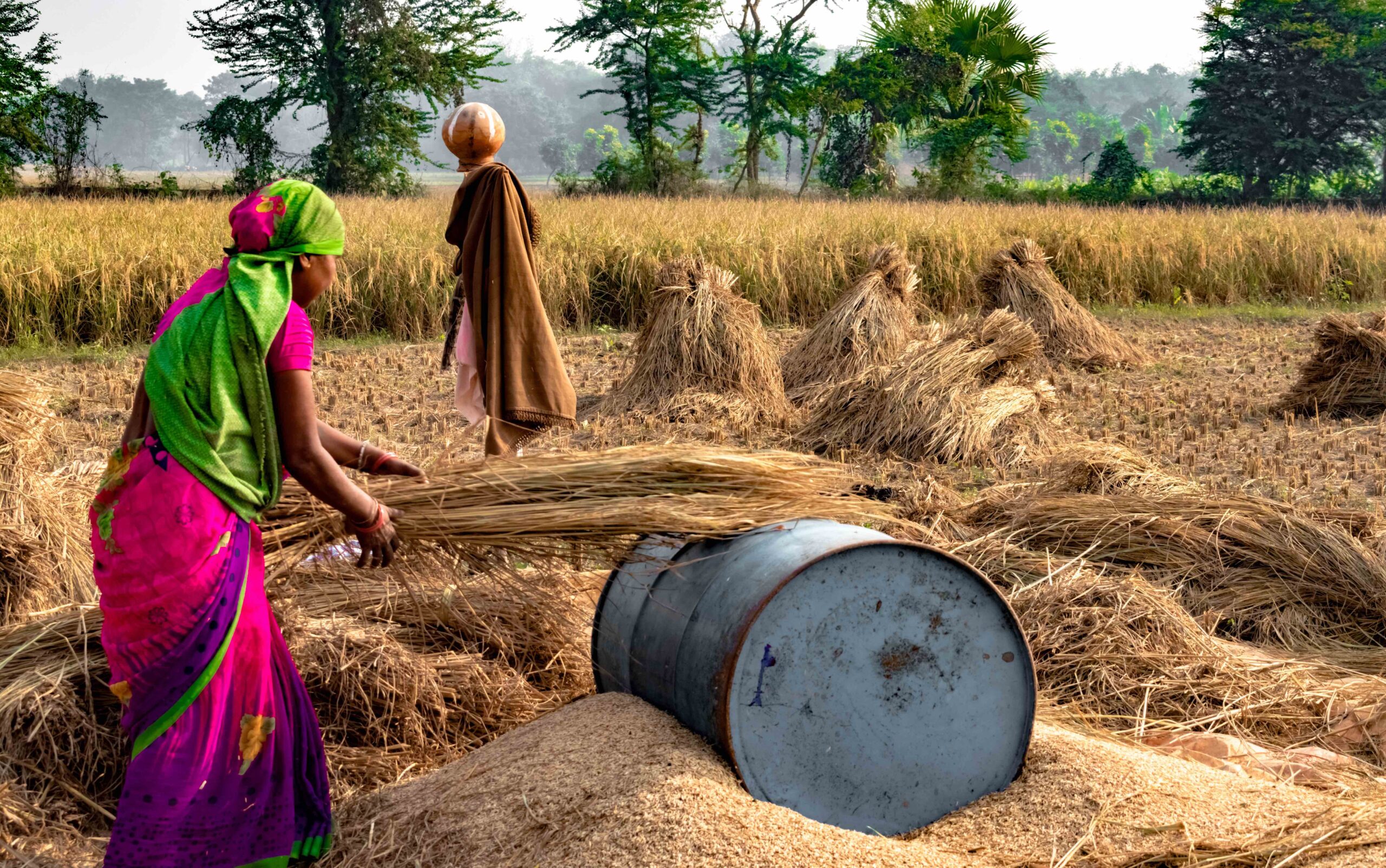
Shaping global agendas: The IFPRI Food Security Portal’s pathways to impact
The IFPRI Food Security Portal has made a significant impact on global food security by providing timely information and analytical tools, notably through the Food and Fertilizer Export Restrictions Tracker, which has influenced global agendas and policy decisions, demonstrating the portal’s value in addressing crises and shaping evidence-based responses.
-

AKADEMIYA2063: A successful case of localization
AKADEMIYA2063, in partnership with IFPRI, has effectively localized and transitioned key programs to African leadership, ensuring continuity, expansion, innovation, and increased funding resources, thereby contributing significantly to Africa’s agricultural policy development and resilience against external challenges.
-
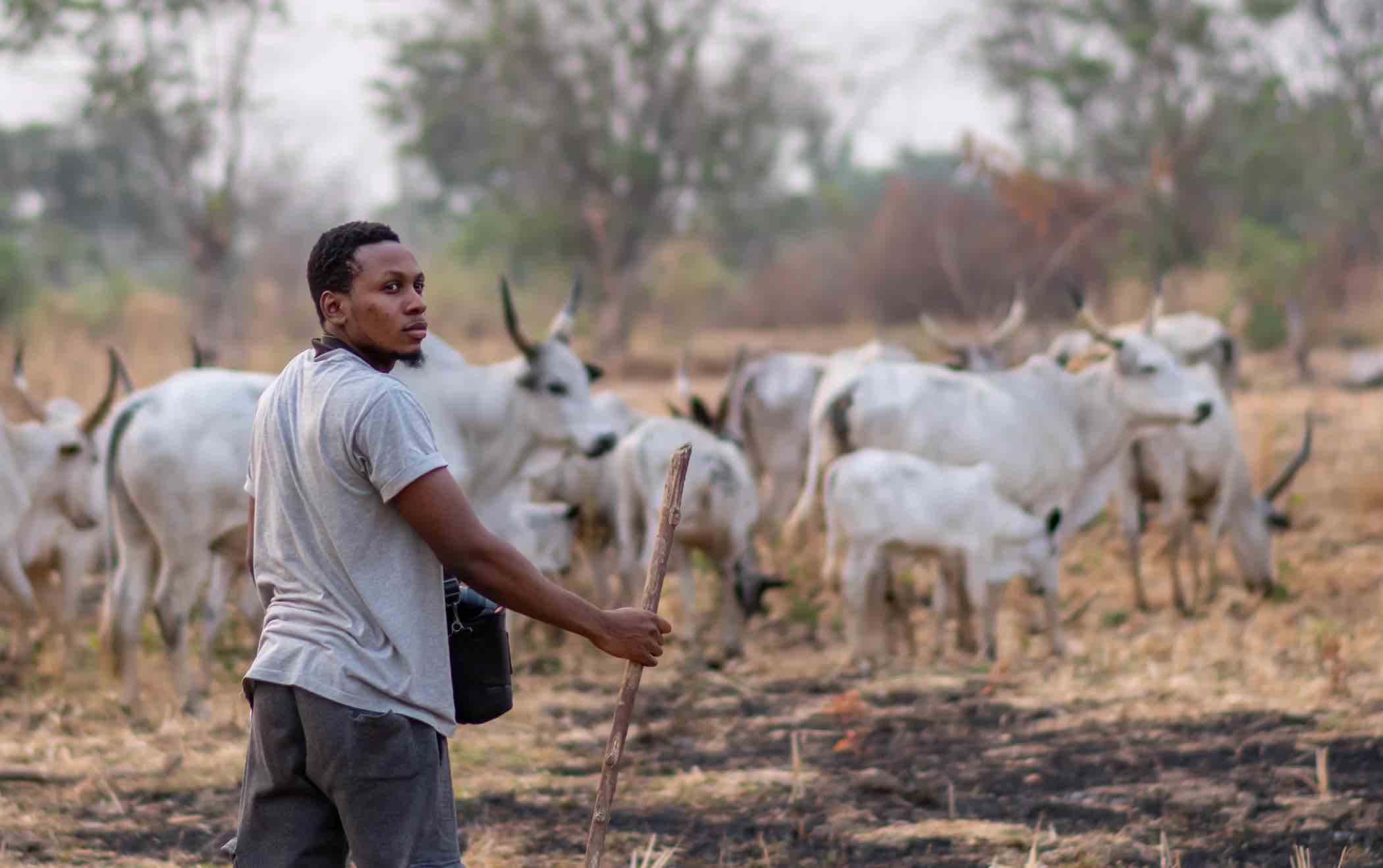
Developing Local Extension Capacity (DLEC) project: Finding more effective ways to deliver vital information and innovation to farmers
This blog discusses the successful impact of the Feed the Future Developing Local Extension Capacity (DLEC) project, which aimed to enhance global agricultural extension and advisory services (EAS). Through diagnostic studies and engagements, DLEC improved practices for 1.3 million farming households, catalyzing over $6 million in funding.
-
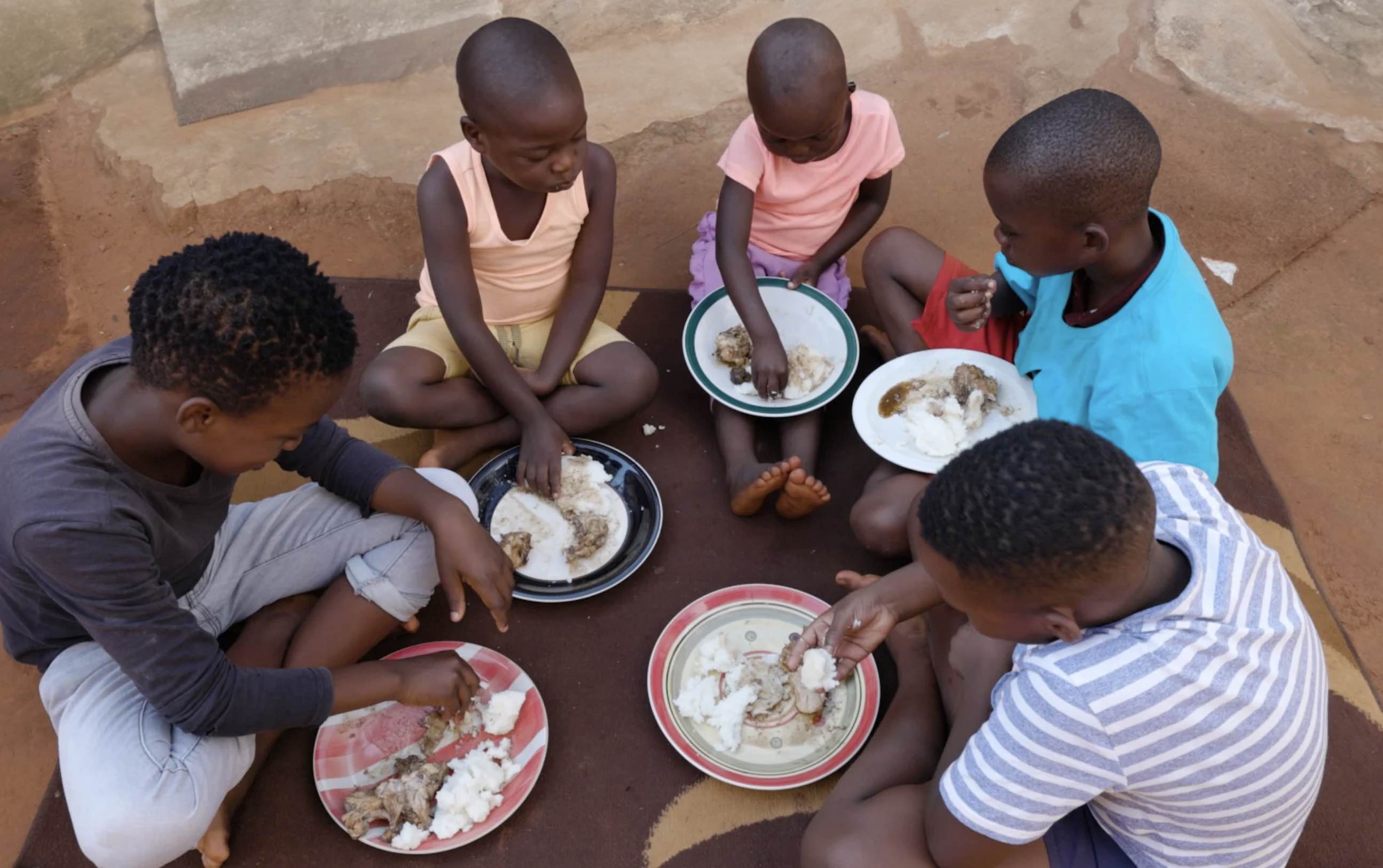
Scaling nutrient-enriched staple crops with the HarvestPlus program: Reaching 100 million people in 20 years
HarvestPlus has been addressing the global issue of hidden hunger by developing and distributing nutrient-enriched staple crops, benefiting millions of vulnerable individuals in over 60 countries. Their innovative approach has not only improved nutrition and health but also demonstrated socioeconomic benefits, contributing to the broader goal of ensuring a food- and nutrition-secure future for all.
-
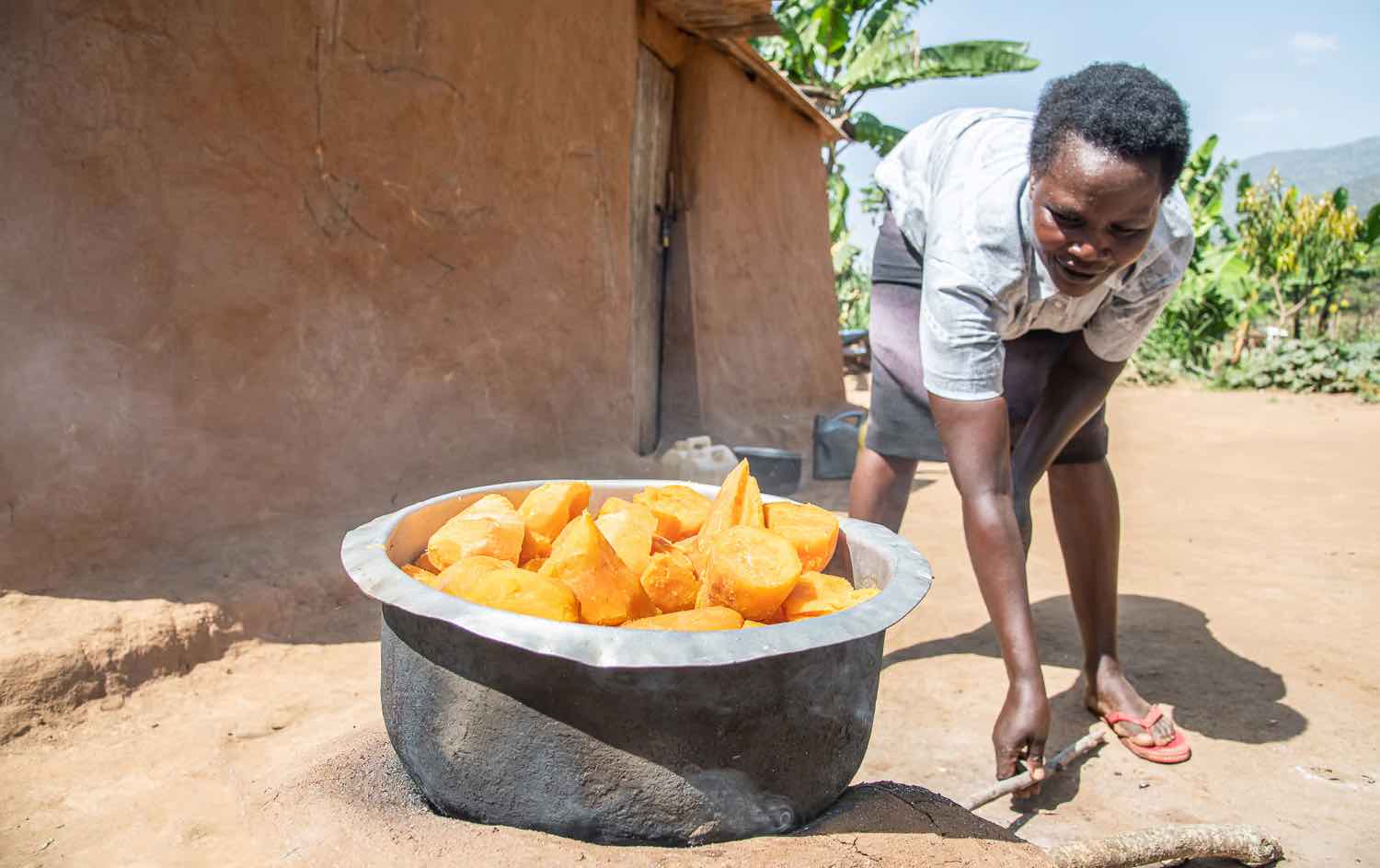
ENRICH project: Educating communities on the benefits of biofortified crops and nutrition-smart agriculture
This blog discusses the ENRICH project, which aimed to enhance maternal and child nutrition through nutrient-enriched crops and nutrition-smart agriculture in rural areas of Kenya, Tanzania, Bangladesh, and Myanmar. It successfully improved diets, raised incomes, and integrated nutrition-smart agriculture into national policies.
-
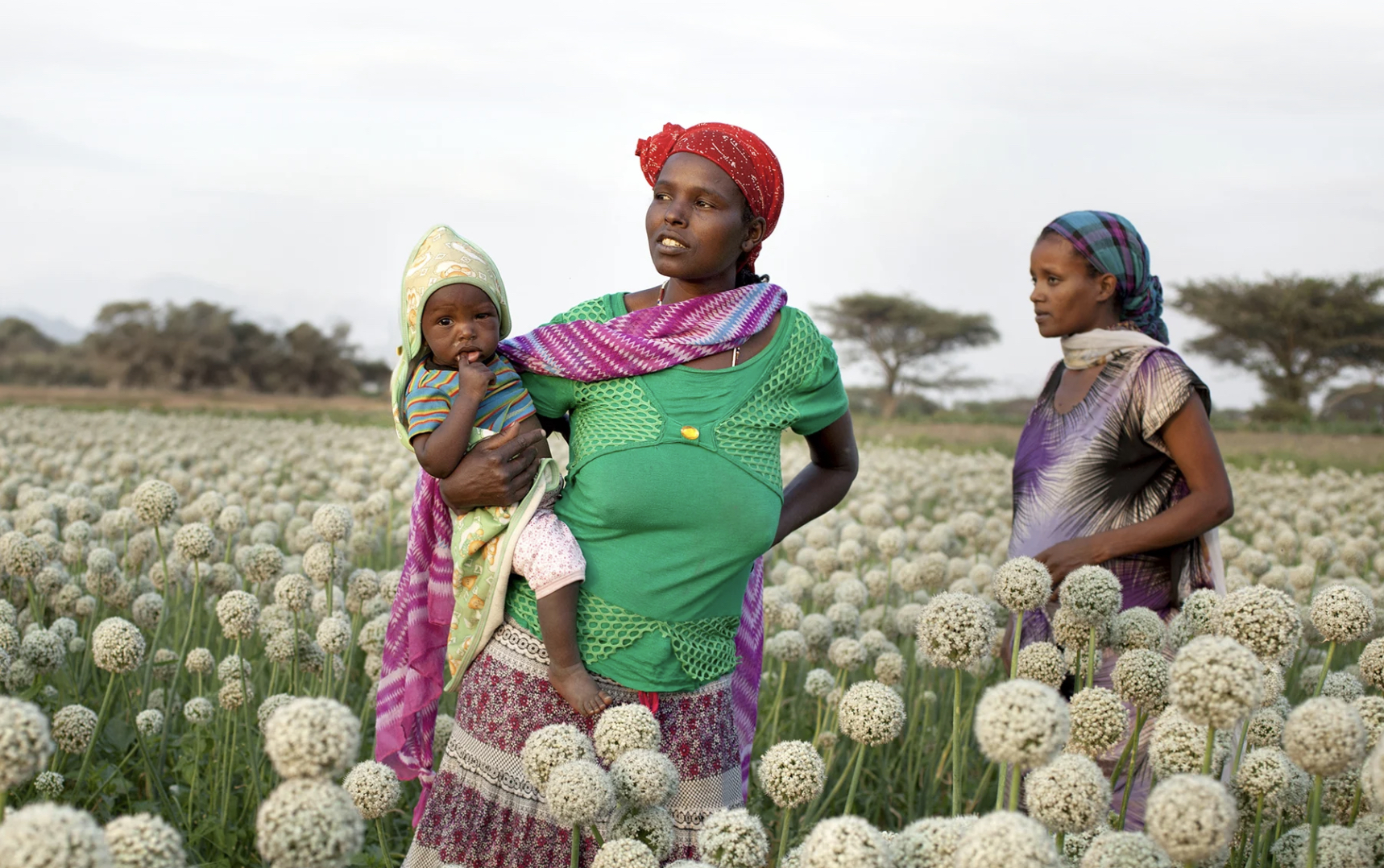
Making a difference: Dumplings and development
This blog discusses the Women’s Empowerment in Agriculture Index (WEAI), a versatile survey tool used in various regions and contexts to measure women’s inclusion in agriculture and its impact on agricultural diversity, nutrition, and poverty. WEAI offers different modules and indicators to suit local needs and enhance women’s empowerment in the agricultural sector.
-
Making a Difference: The Agriculture, Nutrition, and Gender Linkages (ANGeL) Project
This blog describes the success of the Agriculture, Nutrition, and Gender Linkages (ANGeL) Project in Bangladesh, which conducted agricultural production and nutrition trainings for farm households to improve agricultural diversity, family nutrition, and women’s empowerment. With appropriate funding, the program can be scaled up and implemented nationally.
-
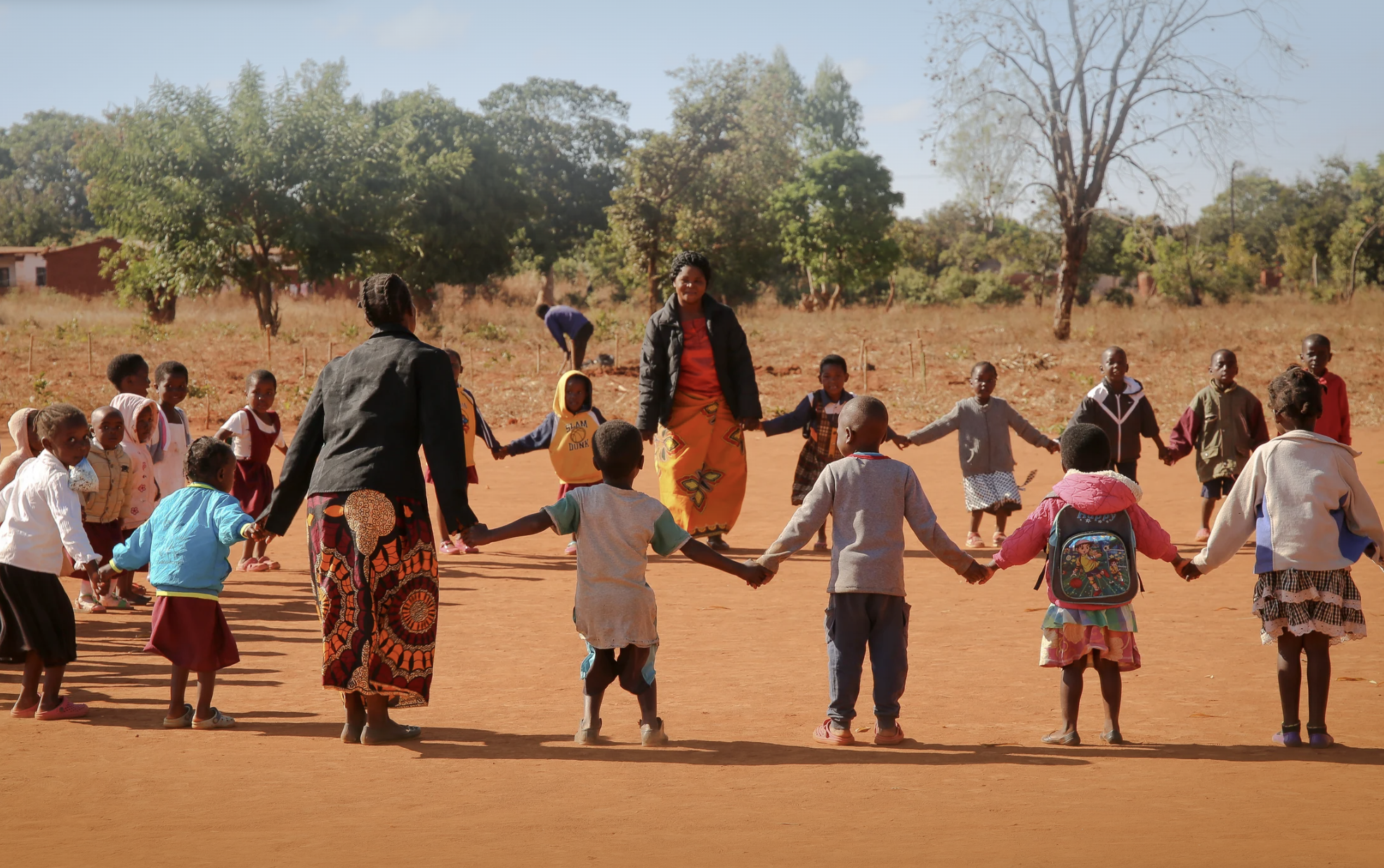
Making a Difference: Childcare centers as a platform for improving child nutrition in Malawi
This blog highlights the success of the Nutrition Embedded Evaluation Programme (NEEP) in Malawi, which utilized community-based childcare centers to improve child nutrition through training and support for parents. Spillover benefits were observed for younger siblings, leading to the program’s scaling up and further exploration of strategies for maternal and child health.