



Back

Who we are

With research staff from more than 70 countries, and offices across the globe, IFPRI provides research-based policy solutions to sustainably reduce poverty and end hunger and malnutrition in developing countries.

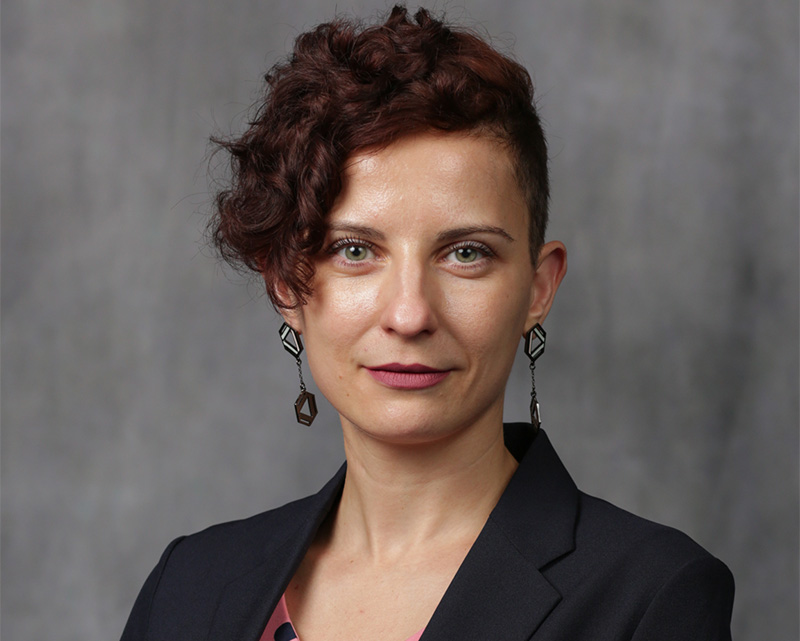
Lilia Bliznashka

Lily Bliznashka is a Research Fellow in the Nutrition, Diets, and Health Unit. Her research focuses on assessing the effectiveness of multi-input nutrition-sensitive and nutrition-specific interventions and the mechanisms through which they work to improve maternal and child health and nutrition globally. She has worked in Burkina Faso, Burundi, Tanzania, and Uganda.

Back

What we do

Since 1975, IFPRI’s research has been informing policies and development programs to improve food security, nutrition, and livelihoods around the world.

Where we work

Back

Where we work

IFPRI currently has more than 480 employees working in over 70 countries with a wide range of local, national, and international partners.

Beyond Gender Myths

DC

International Food Policy Research Institute

2033 K Street, NW, Washington, DC. Fourth Floor Conference Facility

Washington, United States

November 22, 2013

  • 5:15 – 6:45 pm (America/New_York)
  • 11:15 – 12:45 am (Europe/Amsterdam)
  • 3:45 – 5:15 am (Asia/Kolkata)

Closing the Knowledge Gap in Agriculture and Food Security

There is now growing recognition of the importance of attention to gender for agricultural productivity and food security. However, many “gender myths” persist; myths that either underestimate or overstate the importance of women’s roles and resources. In order to close the gender gap in productivity or assets, there is a need to close the knowledge gap. This policy seminar will present evidence gathered for a new volume of studies titled “Gender in Agriculture and Food Security: Closing the Knowledge Gap”.

At this event, Terri Raney will highlight key messages of the State of Food and Agriculture report on gender and agriculture, and how this report has catalyzed new research on gender and agriculture. The gender asset gap and its implications for agricultural and rural development will be presented by Agnes Quisumbing. Ruth Meinzen-Dick will discuss one type of capital—social capital—and how it interacts with gender in agricultural development programs. Lastly, Deborah Rubin will talk about promoting gender-equitable agricultural value chains.