




Search IFPRI web
Filters
Found 7462 Results
-
2020 Vision
IFPRI’s 2020 Vision is a world where every person has access to sufficient food to sustain a healthy and productive life, where malnutrition is absent, and where food originates from efficient, effective, and low-cost food systems that are compatible with sustainable use of natural resources. The 2020 Vision Initiative has two primary objectives: 1. To […]
-
Bangladesh Policy Research and Strategy Support Program
Improving food and nutrition security is of paramount concern to millions in Bangladesh.
-
Ethiopia Strategy Support Program
ESSP is a collaborative program undertaken by IFPRI and the Ethiopian Development Research Institute (EDRI)
-

Ghana Strategy Support Program
Conduct research & advise on policy to support agricultural growth, rural development & economic transformation.
-
Malawi Strategy Support Program
This project facilitates and promotes evidence-based dialogue and decision-making in support of agricultural development, food security, and economic growth in Malawi.
-
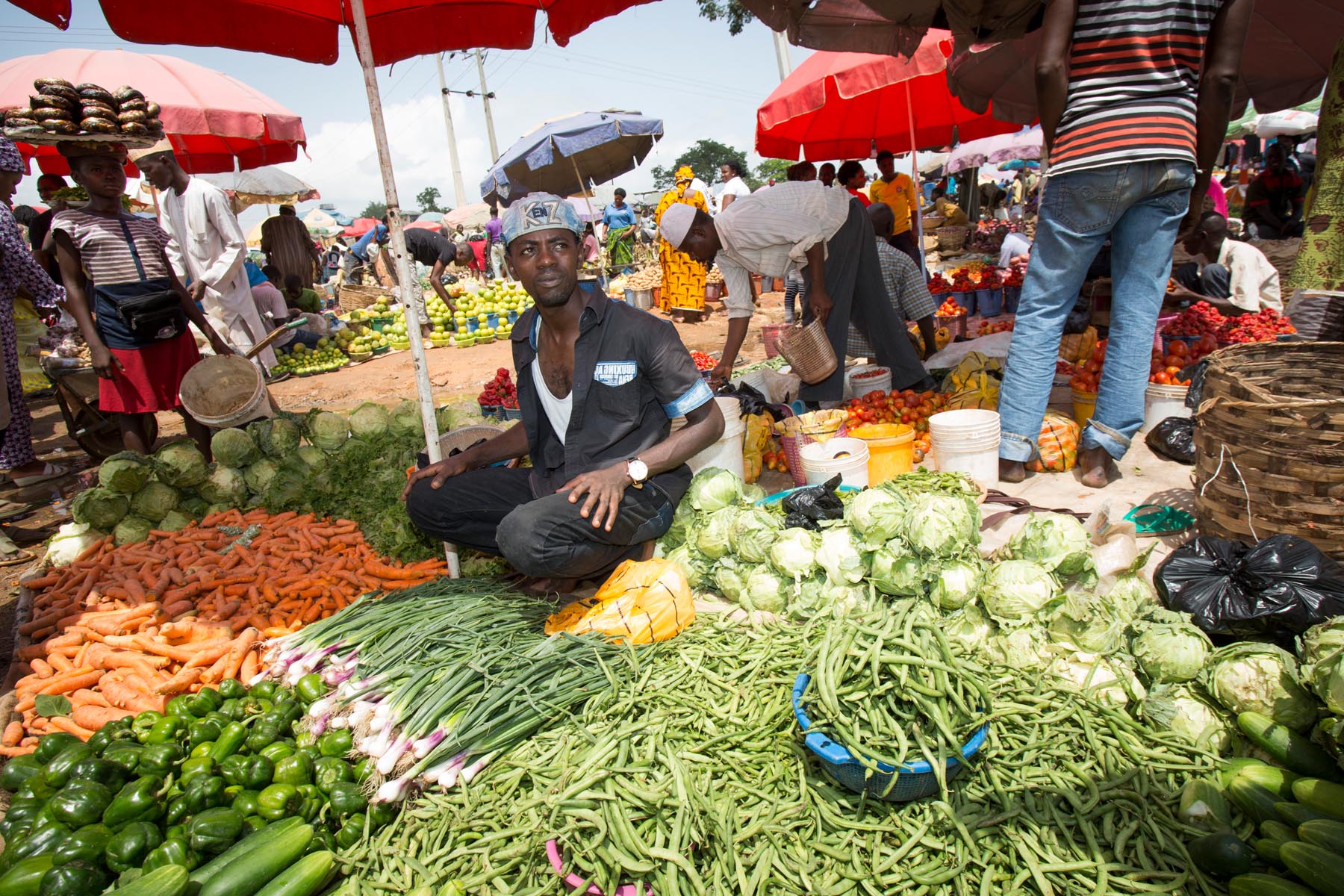
Nigeria Strategy Support Program
NSSP responds to the research, analysis, and capacity needs of stakeholders in the Nigerian agricultural research and policy community.
-
Recipes for success
Many challenges to economic growth—from poor nutrition to low farm yields—require not only tools and interventions, but individual behavior change. Unfortunately, there is often a disconnect between what is needed to change behaviors and where we are investing public resources to address a given problem. By promoting single, simple, doable behaviors, social marketers can help […]
-
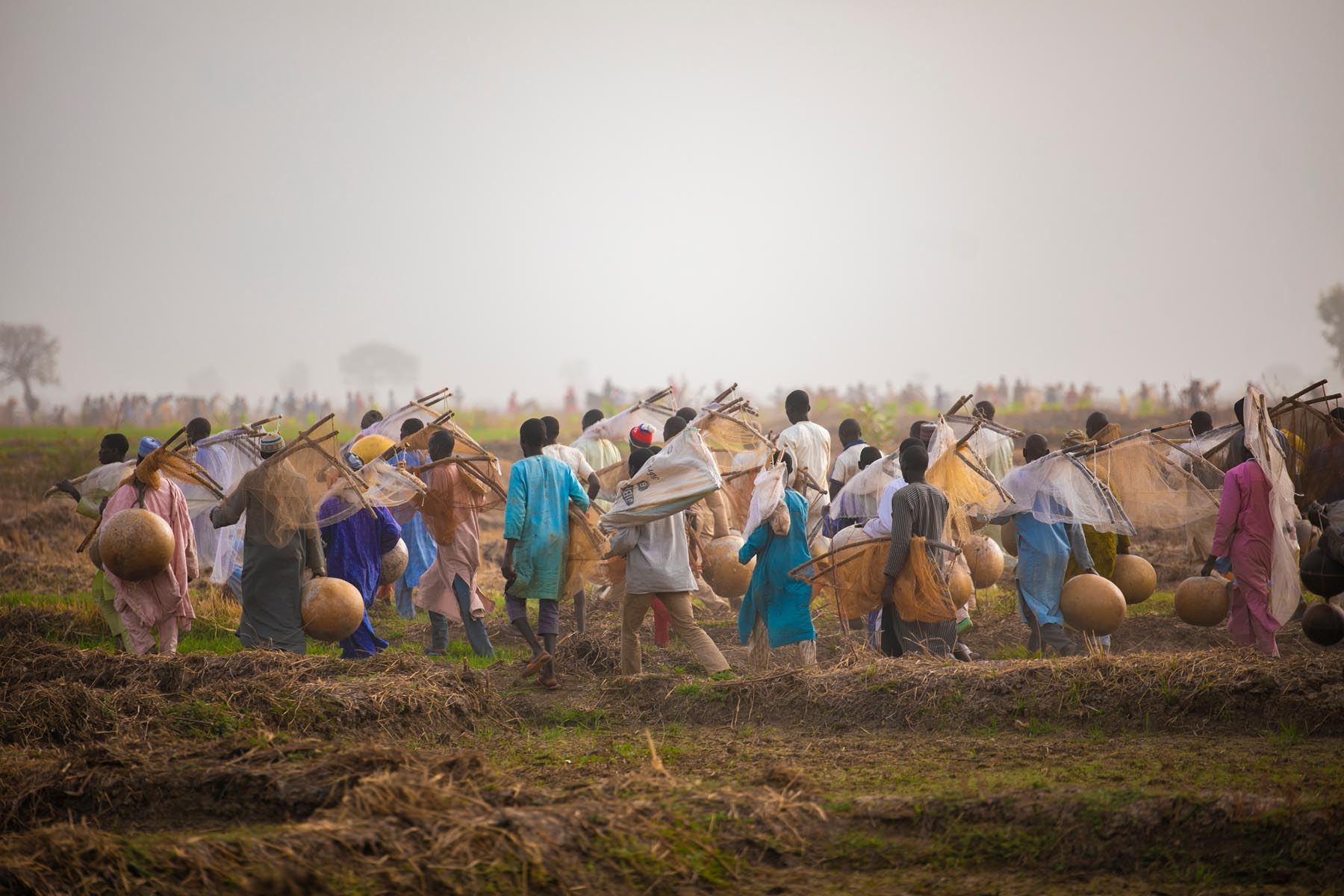
Donor Approaches to Political Economy Analysis
What are the Implications for Food Security Policy and Research?
The international community is increasingly focused on political economy to determine the feasibility of pro-poor policies in developing countries. Consequently, more than a dozen donor agencies have developed political economy analysis tools to identify, for example, institutional bottlenecks and barriers to collective action. However, the impact of these tools in shifting donor priorities or influencing […]
-
Social Marketing to Influence Public Behaviors
What is it? Why is it so hard? What makes it easier?
Social marketing is a proven behavior change discipline that first rose to prominence in the early 1970s. It has had a profound impact on influencing public behaviors that improve public health, prevent injuries, protect the environment, and contribute to communities. In this seminar, Nancy Lee will introduce social marketing, explain how it differs from social […]
-
Developing new strategies for nourishing the world
The following post by IFPRI Director General Shenggen Fan was originally published on the Huffington Post. This year’s World Economic Forum provided an opportunity for leaders from all sectors of global development to look at new tactics in global decision-making. For me and my organization–the International Food Policy Research Institute (IFPRI)–it provided a platform to […]
-
Accelerating Progress to Overcome Malnutrition
Event organized by IFPRI and FAO Malnutrition, in all of its manifestations–undernutrition, micronutrient deficiencies, overnutrition–is placing an intolerable burden on individuals and communities, as well as on the cultural, social, economic, and health fabric of nations. The statistics underscore this burden: 805 million people suffer chronically from hunger and stunting affects 161 million children under […]
-

Developing Evidence for Agricultural and Rural Development Policies and Strategies in Nigeria
Abstract The APSF Stakeholder Workshop convened policymakers, farmer organizations, donors, development partners, and members of the research community to learn about research findings on Nigeria’s agricultural development and to discuss future directions for the program. APSF is funded by the Canadian International Development Agency and implemented by IFPRI’s Nigeria Strategy Support Program (NSSP), and works […]
-
Nanotechnology, Food, Agriculture and Development
Imagine eating foods without absorbing harmful allergens and cholesterol into your body. Imagine farmlands in developing countries with environmental sensors that automatically release pesticides and fertilizers only when absolutely necessary. Imagine going to your nearest market and being able to modify the foods you purchase to suit your nutritional needs and tastes. The first two […]
-
Women in Agriculture in South Asia
IFPRI/Aga Khan Foundation Workshop Throughout the South Asian region, women account for about 39 percent of the agricultural workforce, working as managers of land to agricultural laborers. The well-recognized low status of women in South Asia also has implications for women’s involvement in agriculture and the returns to women of their inputs into agriculture. Experience and […]
-
School Feeding Programs: Evidence and Policy Lessons
School feeding programs have recently received renewed attention as a policy instrument for achieving the Millennium Development Goals of universal primary education and hunger reduction in developing countries. However, there is still debate among governments and donors about the impact of school feeding programs and whether they are cost-effective. New evidence from studies conducted by […]
-
Agricultural Adaptation to Climate Change in the Developing World: What will it Cost?
Abstract Agriculture’s vulnerability to climate change will put millions of people in developing countries at greater risk of poverty, hunger, and malnutrition. A new report from the International Food Policy Research Institute, Climate change: Impact on agriculture and costs of adaptation, provides projections for decreased crop yields, higher food prices, and increased child malnutrition by […]
-

Controversial Issues on the Role of Conditional Cash Transfer Programs to Improve Nutrition
19th Annual Martin J. Forman Memorial Lecture
19th Annual Martin J. Forman Memorial Lecture and Luncheon Conditional cash transfer (CCT) programs are becoming increasingly popular throughout the developing world. They have been shown to be an effective poverty-alleviation strategy in many countries, and a mechanism to enhance investments in human capital among poor households. Their contribution to the fight against childhood undernutrition, […]
-
Is It Inevitable That Foreign Aid Can No Longer Reduce Overall Poverty Levels?
Commentary from 55 Years of Experience In most Asian countries, the proportion of the population in poverty has declined dramatically. Poverty reduction was most rapid in the 1970s and 1980s during the Green Revolution, and was greatly assisted by foreign aid. Sub-Saharan Africa also experienced a decade of declining poverty levels – primarily in the 1960s. […]