




Over the past four decades, Agnes Quisumbing‘s work has focused on issues that are deeply human—power dynamics and opportunities within households, women’s empowerment, poverty and economic mobility.
After more than 30 years at IFPRI, Agnes is retiring this month (she will continue as a Research Fellow Emerita). In this interview, we sat down with her to talk about her remarkable journey and plans for the future.
We recorded this conversation just a day before the policy seminar Inequality within and outside the household: Reflections from Agnes Quisumbing’s career. If you missed the event, watch the recording via the link to hear from Agnes and from many colleagues and partners who joined in person and online to reflect on the field to which she contributed so profoundly and to share fond memories of working with her.
EA: Agnes, let’s begin at the beginning. Who or what inspired you to become a researcher?
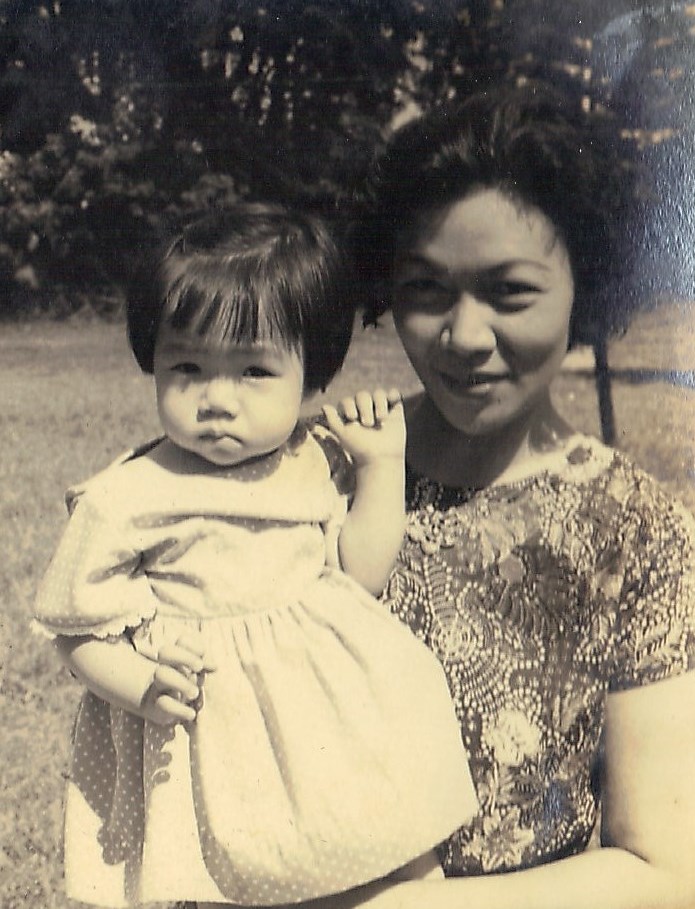
AQ: I grew up in a family with very academic pursuits. My mother was an anthropologist and educator, and I was actually her “dissertation baby.” When I was very young and she was doing fieldwork in the little villages in the mountains behind our house, the whole family would go with her. So, from a very young age, I got used to accompanying my mother on interviews, and it just felt very natural to me.
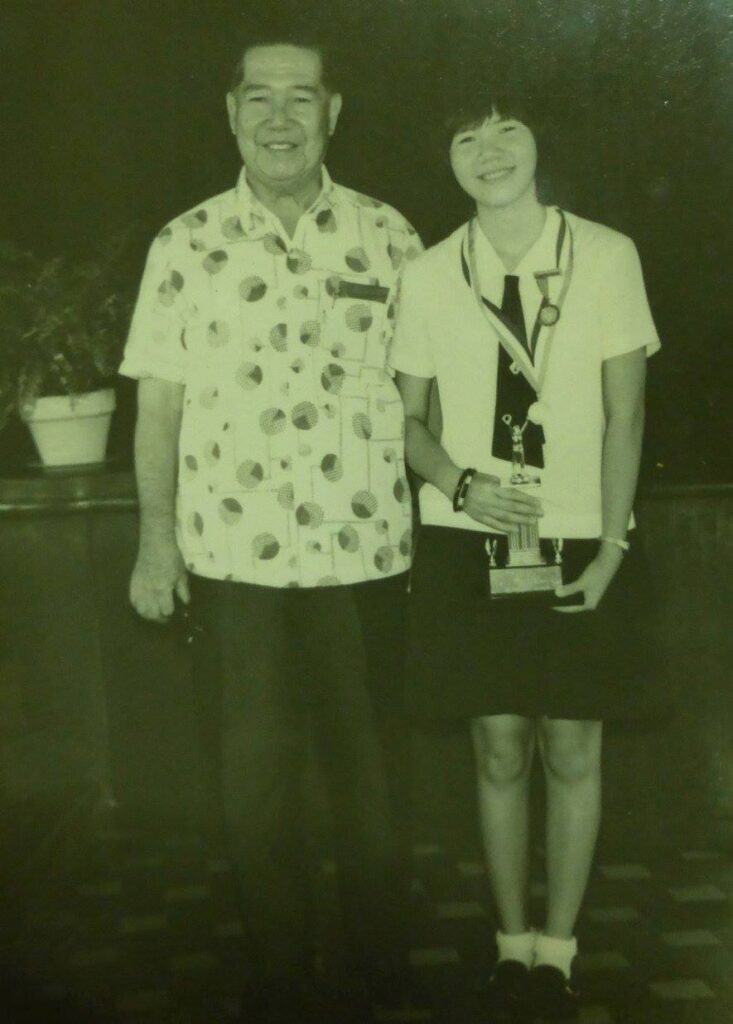
My father, on the other hand, was an engineer, and he really encouraged my interest in science. He would point out the constellations during long walks at night, and he brought me science books every time he traveled. Quite famously, he also helped me set up my first experimental plot to test whether harvesting sweet potato leaves decreased sweet potato yields. It turned out they did not. Now I know it was a very small sample, so you can’t really draw conclusions from it—but as a child, it was fascinating to do that experiment.
So, yes, an interest in science was always encouraged in my household. My sister was a biology teacher, and my other sisters were social scientists. I guess that’s just how we grew up.
When you look back to the start of your career, did you imagine that questions about gender, household decision-making, and women’s empowerment would become such a central part of your life’s work?
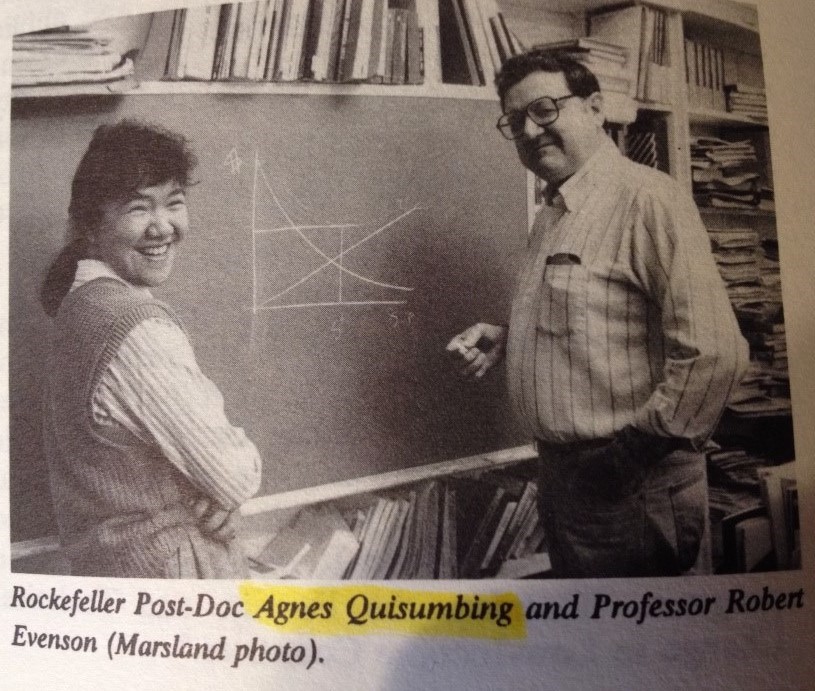
I actually did not. I started my career thinking about food policy, but more in the area of land tenure and land reform, because those were the issues that were very prominent in the Philippines when I finished my PhD. I joined farmers’ protests and was very active in the land reform movement. So, I was really looking at inequality outside the household.
I often attended seminars given by visiting professors when I was teaching at the [University of the Philippines] School of Economics, and that’s where I met Bob Evenson from Yale [Ed.: Read more about Robert Evenson in this article]. He said, “You know, there’s a fellowship program at Yale on gender dynamics in low-income countries. Why don’t you apply?” So, I did, and that’s really where I got trained to look at gender and intrahousehold issues.
It was a time when these models of intrahousehold allocation were just being developed, and it was exciting to be there at the very beginning. That experience really shaped the direction of my work.
This just proves that careers, including research careers, are often shaped by unexpected turns. A chance conversation or encounter may change your plans or the way you think about things.
Indeed. Another interesting turning point in my early career came from my involvement in the land reform movement. A colleague and I wrote an op-ed in a Philippine newspaper about land reform, and Yujiro Hayami, who was visiting IRRI at the time, read it and said, “I want to work with them”—meaning both of us.
That led to a book that we wrote together. At the time, I was traveling across the Philippines studying land reform issues, and that experience really laid the foundation for my fieldwork. Because Keijiro Otsuka had been a student of Hayami’s, I was introduced to Kei, and we eventually ended up working together when he was at IFPRI. Looking back, all of these connections are really quite amazing.
Was there a particular study, field visit, conversation, or moment early in your career that fundamentally changed how you thought about inequality?
Inequality outside the household really hits you in the face if you’re in the Philippines. The differences between rich and poor are so stark that you have to be either callous or blind not to see them.
But the idea that gender norms and inequality within the household can differ across cultures was probably the most important insight I gained. Most of my early fieldwork had been in the Philippines, but I had also been to Pakistan when I was at the World Bank. Then, one of my World Bank missions brought me to Malawi, where the farming systems were so different and women did much more of the agricultural work.
That experience really made me think: wait, gender norms really are quite different across cultures.
So, when Lawrence Haddad [then the newly appointed director of the Food Consumption and Nutrition Division] asked me to come to IFPRI to lead the Gender and Intrahousehold Research Program, I was very excited because it gave me the opportunity to examine how intrahousehold allocation and gender differences manifest themselves across different countries.
Much of your work has focused on understanding what happens within households—a place that is often invisible to policymakers. Why is it so important to look beyond the household as a single unit and understand the experiences of individual family members?
Policymakers often think, “Let’s leave it to the household to make allocations among its members optimally.” But when we have intrahousehold data—when we have data on individuals—we do find some really extreme inequalities in the way resources, particularly food, are allocated.
The work that Howarth Bouis and others did in both the Philippines and Bangladesh showed that intrahousehold allocation of food was relatively equal in the Philippines, but much less so in Bangladesh at that time, where there was a strong bias in favor of men.1 It has become more equal over time, but back then the bias in intrahousehold allocation was really quite striking.
I found this very surprising, coming from a relatively egalitarian culture like the Philippines. I remember having a discussion with a Bangladeshi researcher, and we were talking about feeding order. He said, “Of course, in our household, the men eat first and the women eat last.” I asked, “What do you mean, ‘of course’?”
That’s when I started thinking about these practices as gender norms. But because gender is socially determined, it can also be changed. That’s why I came to believe it is so important to understand how people make these decisions and how they can be influenced in ways that improve welfare.
When you started your career, many of the questions you explored were not yet part of mainstream development research. How has the field changed since then?
Oh my gosh, it’s hard to describe just how much it has changed. Then, the unitary model—where one assumes that the household behaved “as one”—was the prevailing view. Now, collective household models are what are taught in the top schools. There are also many randomized controlled trials that examine whether impacts differ by gender.
I think there has been a tremendous expansion in our understanding of both the complexities of intrahousehold allocation and the measurement of women’s empowerment. Before, concepts such as gender norms and women’s empowerment were mostly studied qualitatively—and they were studied very well. But policymakers are often influenced by hard numbers, and without those numbers it was difficult to convince people.
So, I think the development of better measurement tools, along with more systematic examination of these issues across a wide range of countries, has really helped move the field forward.
What has mentoring younger researchers meant to you, and what qualities do you hope they carry forward into the next generation of development research? And before you answer, who were your own mentors, and how did they influence you?
Most of my mentors were men because there were very few women economists when I started my degree. Many of them were outside my own institution—my advisors at Yale, for example.
Although I must say that IFPRI Directors General such as Per Pinstrup-Andersen and Joachim von Braun were very important mentors. Joachim, in particular, had done a great deal of intrahousehold research through his work on agricultural commercialization and nutrition studies.
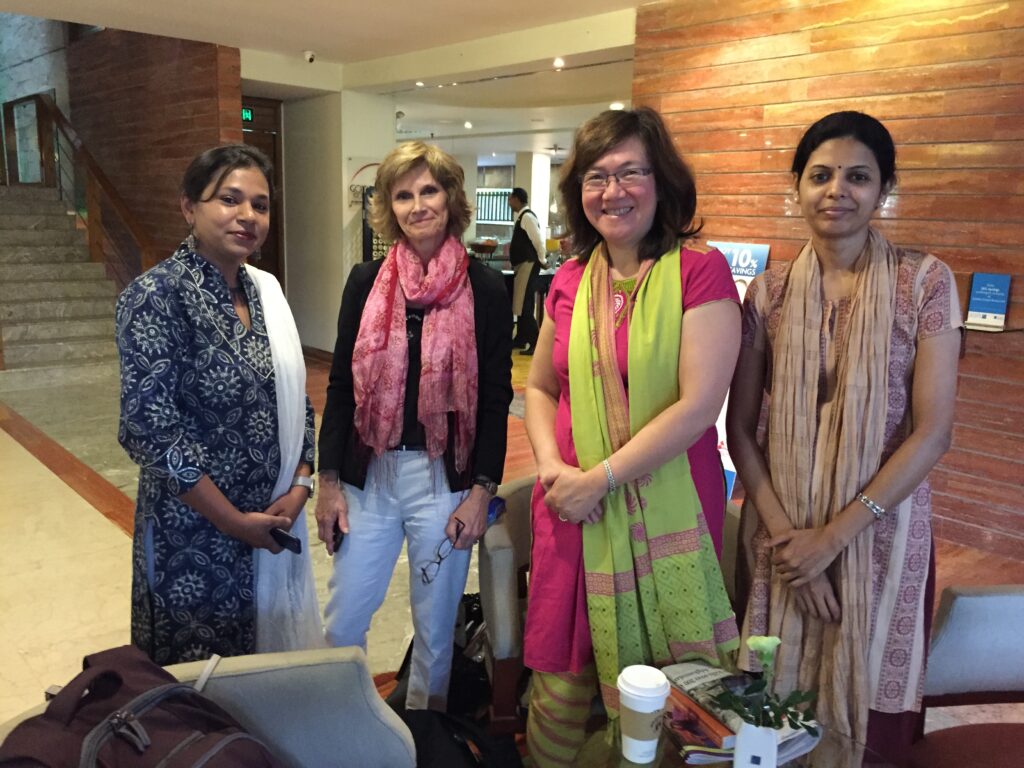
I also learned the importance of building a community of support. People like Ruth Meinzen-Dick, Marie Ruel, and others who are now senior women researchers at IFPRI supported one another as we built our careers at the Institute. In some sense, we also tried to shape the Institute to make it more welcoming for women. Marie, in particular, was a very supportive boss when I was juggling child-rearing and work.
In terms of mentoring, I get a lot of joy from watching younger researchers grow and thrive in their profession. Sometimes that has meant being almost like a big mama or a big auntie—encouraging them to overcome aspects of their own cultural programming, to be more assertive, to speak up for themselves, and not to put up with things they feel are unjust.
As an Asian woman and as a Filipina, I was brought up to always seek harmonious interpersonal relationships. But after a while, you realize that you have to speak up for yourself; otherwise, you won’t survive. Nobody else is going to do it for you.
Looking across your body of work, what achievement gives you the greatest sense of satisfaction? Not necessarily the most cited paper, but the contribution that feels most meaningful to you?
This is hard, but if I had to choose a favorite project, it would be the Gender, Agriculture, and Assets Project, Phase 2 (GAAP2). In that project, we worked with a portfolio of 13 agricultural development projects to develop a measure of women’s empowerment that could be used at the project level and incorporated into impact evaluations.
I found that work especially meaningful because it gave me the opportunity to work closely with practitioners and understand what empowerment meant to them in the context of their projects. It was a large, very diverse, and geographically dispersed group, so it was not an easy project. But we built something together, and I found that both intellectually challenging and emotionally fulfilling. It was wonderful.
What is your favorite memory about IFPRI—not necessarily research-related?
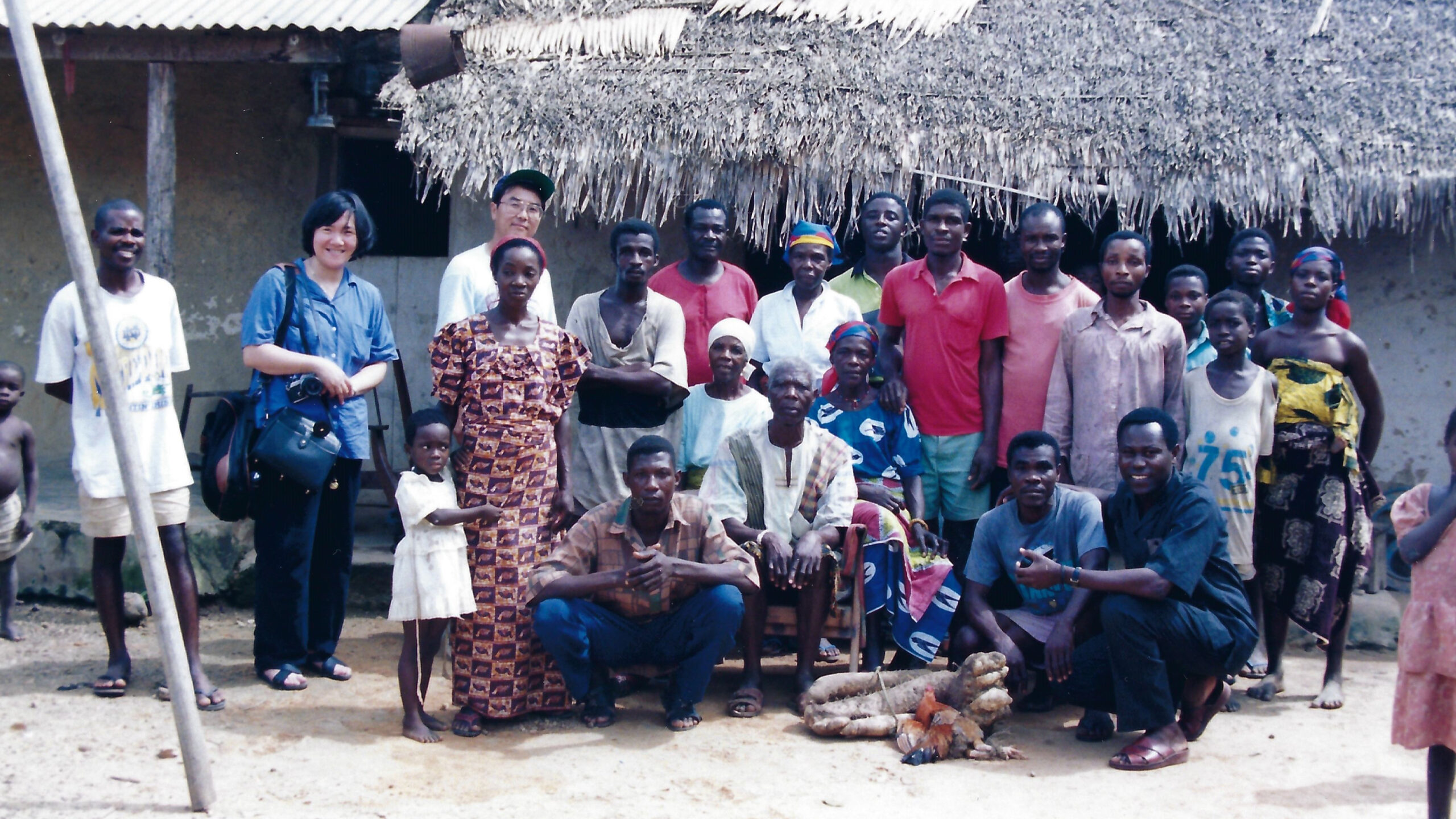
I have always loved doing fieldwork and talking—usually through an interpreter—with people about their hopes and dreams.
One memory that really stands out comes from Bangladesh, the first country where I conducted fieldwork after joining IFPRI. This would have been around 1996 or 1997. We were working in rural areas, in some very poor settings. At that time, little children would gather around us, and we would give them candy. They would be so happy to receive it.
Then, about ten years later, we returned to conduct another survey. There were no children asking for candy. I remember wondering, “Where are all the kids?” Then we saw them walking home from school carrying their books.
I thought it was just wonderful to see that. These children, who had previously been sitting around with little to do, were now in school, carrying their schoolbooks. I remember thinking: this is what our work should be contributing to.
Anything else you’d like to add that I haven’t asked?
These are really hard times to be in development research. There are funding cuts, and we are often disappointed by news from different directions. But in some ways, this is also the best time to be a development researcher, because the problems have not yet been solved.
Now for the fun part. Retirement often creates space for new pursuits. What are you most looking forward to in this next chapter?
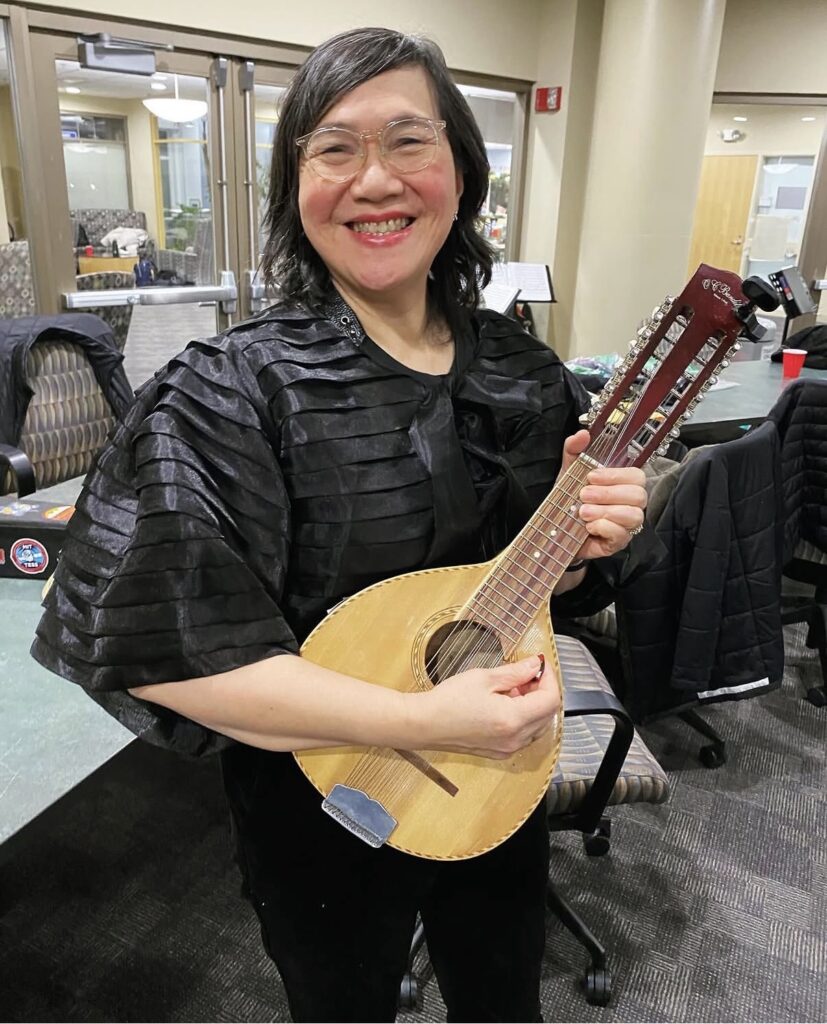
Traveling with my husband, who is on his way to retirement.
In fact, the very first thing I’m doing after I retire is heading straight from the airport to a dress rehearsal for the Filipino School of Boston Rondalla tour. I perform in a string ensemble that plays traditional Filipino instruments, and we’ll be performing on the West Coast, including Seattle and the Bay Area.
My husband and I are also planning to spend more time in the Philippines so that we can give back to our country. We’ll probably divide our time between the Philippines and the United States. I’ll probably be doing more research—I’m hoping to collaborate more with institutions in the Philippines.
Evgeniya Anismova is a Media & Digital Engagement Manager with IFPRI’s Communications and Public Affairs (CPA) Unit.
All photos courtesy Agnes Quisumbing.
1. Howdy Bouis conducted one of the studies in the agricultural commercialization project in Bukidnon, Philippines, and later led the study examining the micronutrient impacts of agricultural technologies in Bangladesh. Agnes’s first survey in Bangladesh was conducted in collaboration with Howdy’s project.