





Key takeaways
- Low rainfall hurts young girls’ nutrition. A study in PNG found that below-average rainfall in a child’s first year of life reduced height-for-age and weight-for-age scores for girls under 5, while boys showed no comparable effects.
- Even routine rainfall shortfalls matter. The analysis focused on normal year-to-year rainfall variation, not major disasters, yet still found measurable impacts on child nutrition in rural PNG.
- Drought responses should consider gender. As PNG prepares for a potential El Niño-driven drought, policymakers may need targeted measures to protect girls and address unequal household burdens during food shortages.
Papua New Guinea is once again bracing for El Niño. In June 2026, the government announced that the country should begin preparing for a potentially extraordinary and prolonged dry season. The risk is real: the U.S. Climate Prediction Center estimates a more than 80% probability of a very strong El Niño event (the warm phase of an atmospheric phenomenon driven by fluctuating Pacific sea-surface temperatures) in the final quarter of 2026. This could be among the largest recorded in the last 75 years.
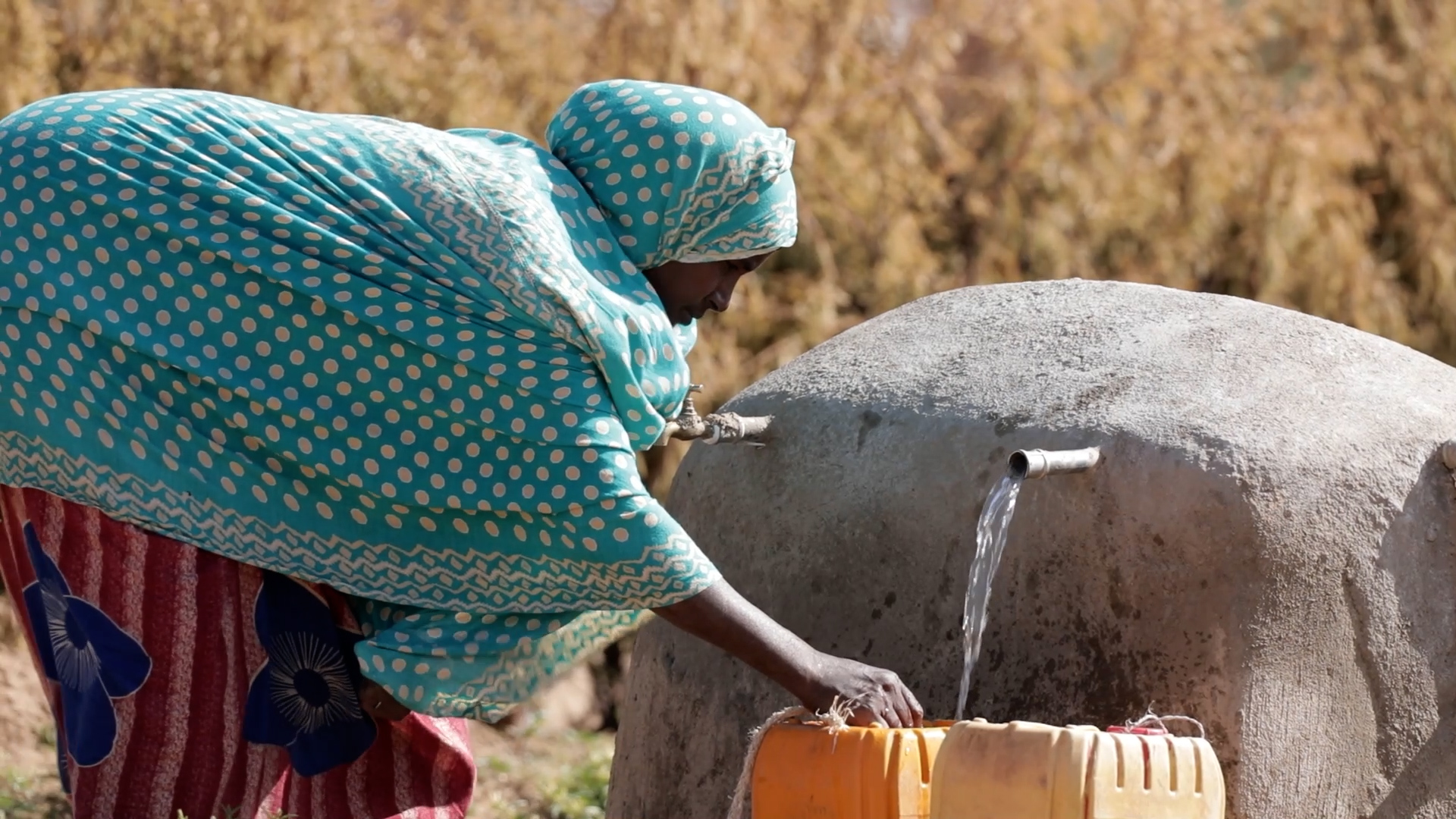
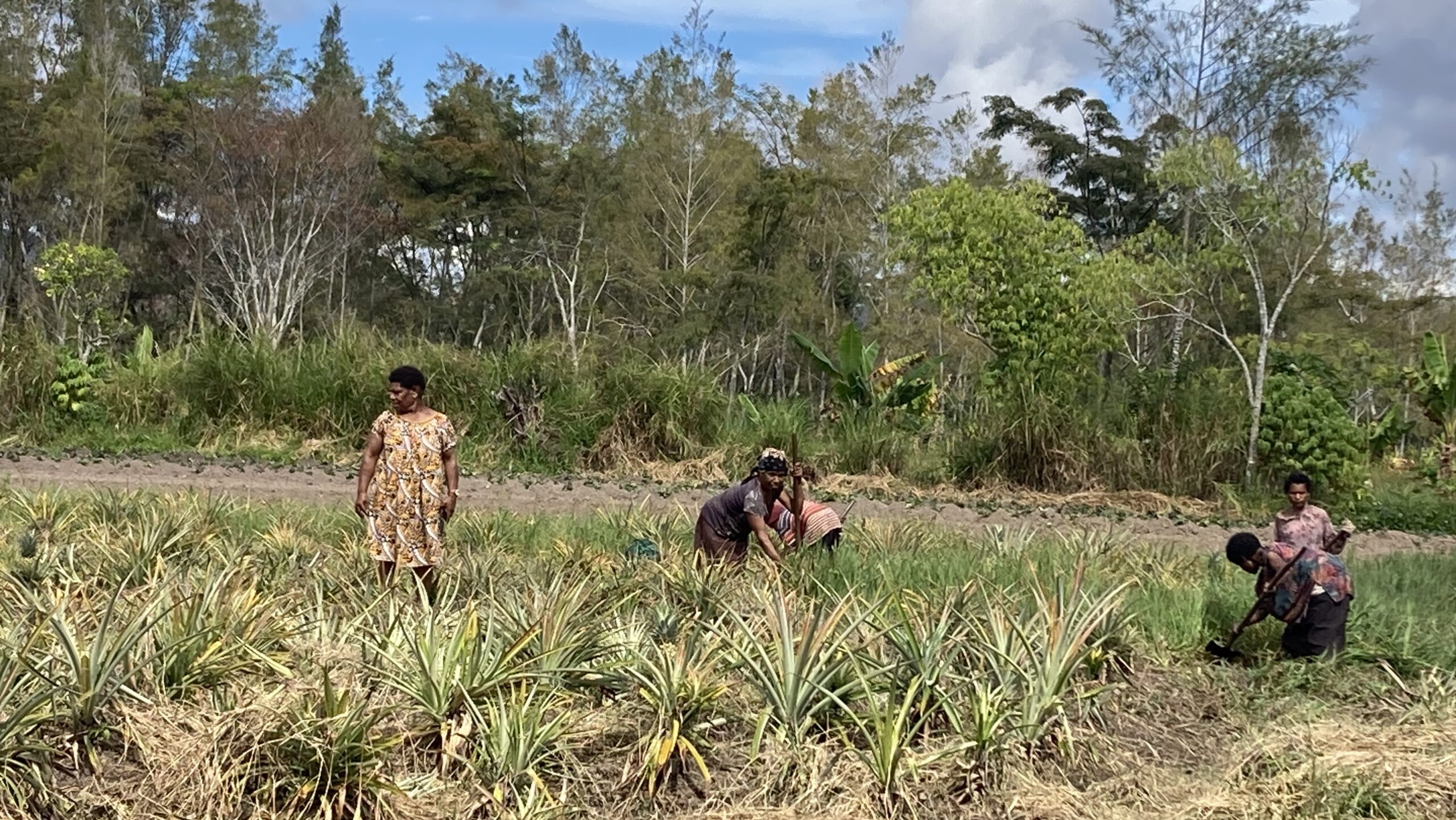
For PNG, El Niño brings two linked hazards: drought in much of the country and frost in the highlands that destroys sweet potato, the dominant food staple. The last major event, in 2015–2016, had a range of adverse consequences: Oxfam estimated that roughly three million people were affected, some 1.9 million of them in the highlands. Shortages of food were widespread in rural communities, and in some drought-affected areas, women had to walk several hours to reach water.
Evidence indicates the health and nutrition effects of a strong El Niño are likely to fall disproportionately on rural children in PNG, presenting a looming set of challenges for communities and government agencies seeking to blunt such impacts. Our recent study, published in Economics Letters, suggests a particular risk for girls, linking reduced rainfall with reduced height-for-age (stunting) and weight-for-age (wasting) scores in girls under the age of 5.
Rural households and impacts of shifting weather patterns
A large body of evidence in the economics literature suggests that weather fluctuations like those induced by El Niño can be very harmful for poor rural households that depend on rainfed agriculture. The costs of these shocks are often borne disproportionately by the most vulnerable household members, particularly children. Infants and young children born and raised during periods of drought or other adverse weather fluctuations can pay a lasting price in terms of adverse health consequences and reduced earnings over time (Currie and Almond 2011; Victora et al. 2008).
Moreover, in many settings, though not all, girls are more vulnerable than boys: early-life rainfall shocks in Indonesia have long-term effects primarily for women (Maccini and Yang 2009), and two separate studies in Rwanda found that the effects of weather shocks on child height are larger for girls (Farris et al. 2021; Akresh, Verwimp, and Bundervoet 2011). Yet the evidence is genuinely mixed across countries and within regions. Moreover, PNG has one of the highest child stunting rates in the world, yet there has been very little research conducted around the relationship between weather shocks and stunting in PNG to date.
Assessing impacts of rainfall fluctuations on children
Our study draws on the 2023 Papua New Guinea Rural Household Survey—covering 2,699 households in 270 communities across 14 provinces—to examine how early-life rainfall shapes the nutritional status of 1,334 children under the age of 5.
We measured rainfall in these areas using Multi-Source Weather (MSWX), a bias-corrected global gridded dataset tracking weather conditions. Employing a 10-kilometer resolution, we calculated the local deviation of monthly rainfall from each community’s 30-year trend (1993–2023) and then computed, for each child, the average deviation observed during the first year of life. This was then analyzed jointly with the survey data on nutritional status.
Consistent with broader evidence from PNG, the data suggests a high prevalence rate (36%) of stunting among children. Importantly, the weather variation we studied is generally mild: we deliberately analyzed ordinary, sub-extreme fluctuations in rainfall, as distinct from acute events such as a severe El Niño. This design isolates the routine year-to-year variability that rural households in PNG navigate even in a normal decade.
Effects fall on girls, not boys
Our findings suggest that low rainfall in the first year of life does lead to a measurable deterioration in child nutrition—but only for girls. For girls, a one standard deviation decline in the average rainfall reduces both height-for-age and weight-for-age by roughly 0.15 standard deviations, though there is no shift in the probability of stunting or wasting. In other words, low rainfall does reduce height-for-age, but does not generally shift girls across the defined threshold for stunting. For boys, by contrast, these effects are null, implying that they are effectively buffered from the nutritional consequences of a poor rainfall year.
To contextualize the magnitude, we note the average child in this sample sits about 1.5 standard deviations below the international reference median for height-for-age. Accordingly, a one standard deviation rainfall shortfall accounts for 10% of that gap for girls.
Implications
While these findings cannot be used to predict the effects of a severe, sustained event such as the forecast El Niño, they highlight the importance of protecting particularly vulnerable household members. If the nutrition and health effects of even routine rainfall shortfalls are borne disproportionately by girls, a much larger shock could measurably widen these gaps.
Policymakers designing PNG’s preparedness and response measures in advance of El Niño may benefit from also considering gender inequities in the potential effects of drought and addressing intrahousehold dynamics that lead girls and women to bear the burden of food scarcities. As PNG prepares for the coming severe dry season, our findings suggest that the question is not only how much food is lost, but who within the household ends up going without.
Jessica Leight is a Senior Research Fellow with IFPRI’s Poverty, Gender, and Inclusion Unit; Emily Schmidt is a Senior Research Fellow with IFPRI’s Development Strategies and Governance (DSG) Unit; Rishabh Mukerjee is a former DSG Research Analyst. Opinions are the authors’.
Funding for this work was provided by the Australia Department of Foreign Affairs and Trade (DFAT) through the Australia High Commission (AHC) in Port Moresby and the Australian Center for International Agricultural Research (ACIAR).
Reference:
Leight, Jessica; Mukerjee, Rishabh; and Schmidt, Emily. 2026. The gendered effects of rainfall shocks on stunting: Evidence from Papua New Guinea. Economics Letters 268(September 2026): 113123. https://doi.org/10.1016/j.econlet.2026.113123