



Key takeaways
- Farmer-herder conflict in Nigeria and across the Sahel reshapes livelihoods by changing how households work, invest, farm, and plan for the future.
- Adaptation does not always build resilience, as coping strategies can reduce productivity and trap families in long-term vulnerability.
- Women experience conflict in different ways, and effective policies must account for how exposure to violence shapes opportunities, decisions, and aspirations.
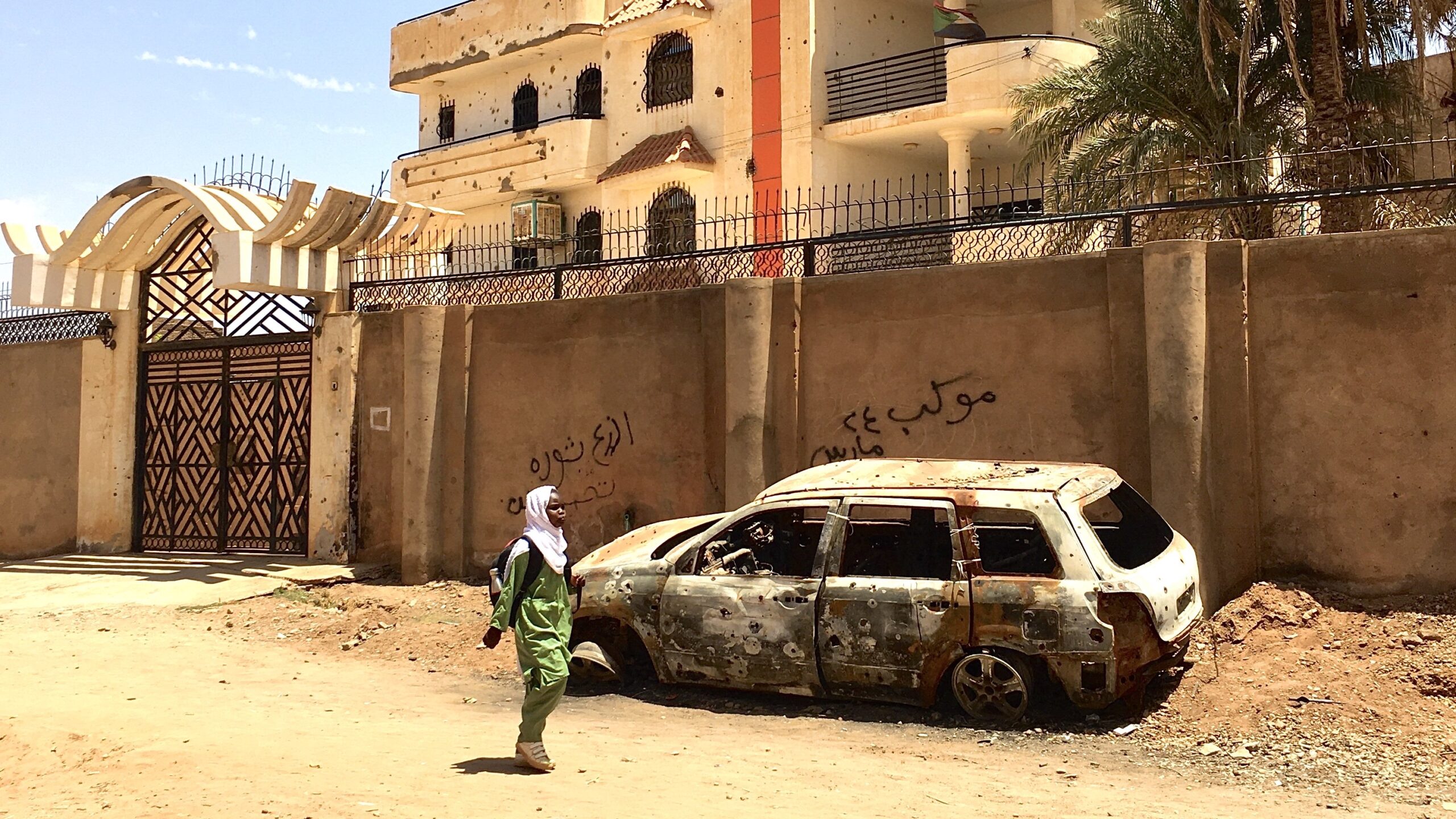
Rural southwestern Nigeria is not typically considered a conflict hotspot, yet violence there has been on the rise. In 2023-24, there was a 40% chance that a woman farmer in the area lived in a household that suffered crop damage from farmer-herder violence, roughly a one-in-three chance that assets or irrigation equipment were stolen or destroyed, and a one-in-eight chance that someone in her household was physically assaulted. These statistics from our recent study point to how rapidly and broadly such quotidian forms of violence are reshaping rural life in Nigeria and elsewhere in the Sahel region.
Synthesizing evidence from recent CGIAR studies examining how conflict affects farming households across the Sahel region, with the bulk of the evidence focused on Nigeria, the study reveals a striking pattern: farmer-herder conflict is not simply destroying lives but also transforming livelihoods.
When farmer–herder conflict makes headlines, the focus is understandably on lives lost, communities displaced, and villages destroyed. But recurring, more low-level forms of violence also have major impacts. On top of their immediate harms, they change economic behavior and attitudes, specifically how rural households make a living—what they plant, where they work, how they invest, what they aspire to achieve, and how they prepare for the future. Those changes often persist long after individual attacks have ended, quietly reshaping agricultural systems and rural economies.
With 2026 designated by the United Nations as the International Year of Rangelands and Pastoralists, these challenges are even more urgent. The IYRP’s focus on the importance of healthy rangelands and sustainable pastoralism for food security, biodiversity, and rural livelihoods is a reminder that farmer-herder conflict cannot be understood or resolved by looking only at one side.
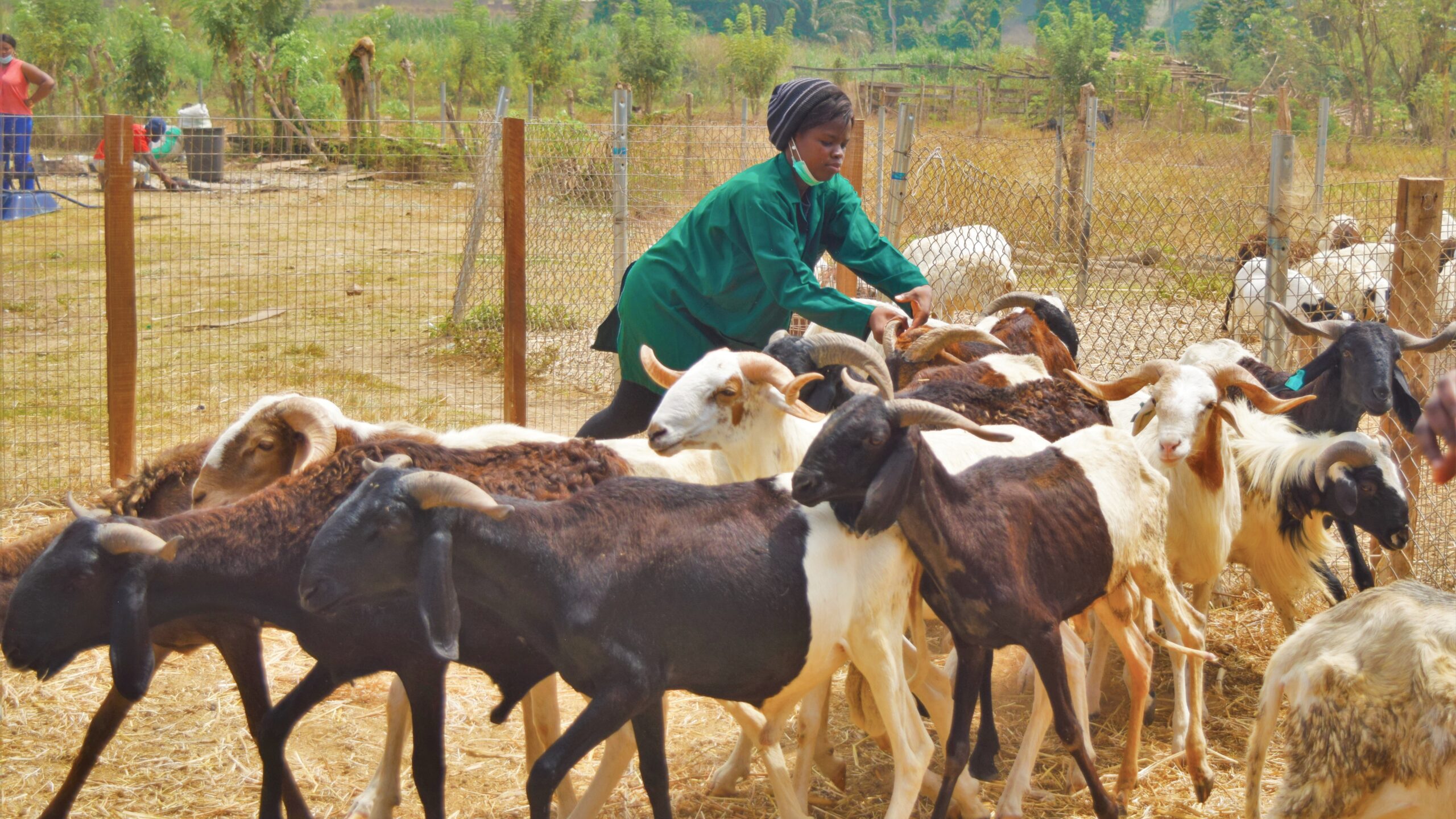
Just as farmers face many impacts from conflict, pastoral communities are enduring their own serious and under-documented losses, including displacement from traditional migration corridors, livestock theft, and erosion of legal grazing rights. The evidence base on how conflict affects herding households remains thin compared to that on farming, and expanding it is essential.
Growing conflict
Conflict in the Sahel region is growing due to a number of interlinked causes. Competition over land and water is intensifying as populations grow, agricultural land expands, grazing routes contract, and climate variability increases. While farmer–herder relations have historically been cooperative, with mutually beneficial exchange common across many communities, longstanding institutions for managing disputes are increasingly under strain.
Figure 1
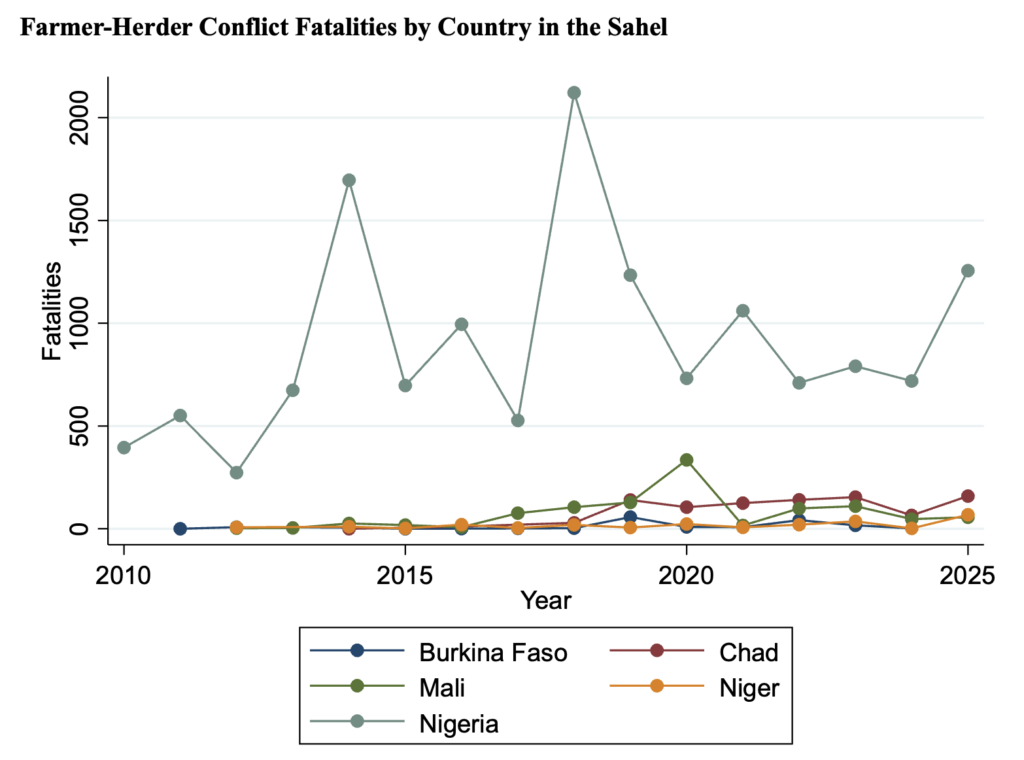
Nigeria helps illustrate the scale of the challenge of addressing this issue. Among countries in the Sahel, Nigeria stands out for its consistently higher fatalities from farmer-herder conflict (Figure 1). Roughly 70% of Nigerians depend on agriculture for their livelihoods, yet farmer-herder conflict has become one of the country’s most persistent forms of rural violence, disrupting not only individual households’ production but also labor markets, food systems, and agricultural input markets.
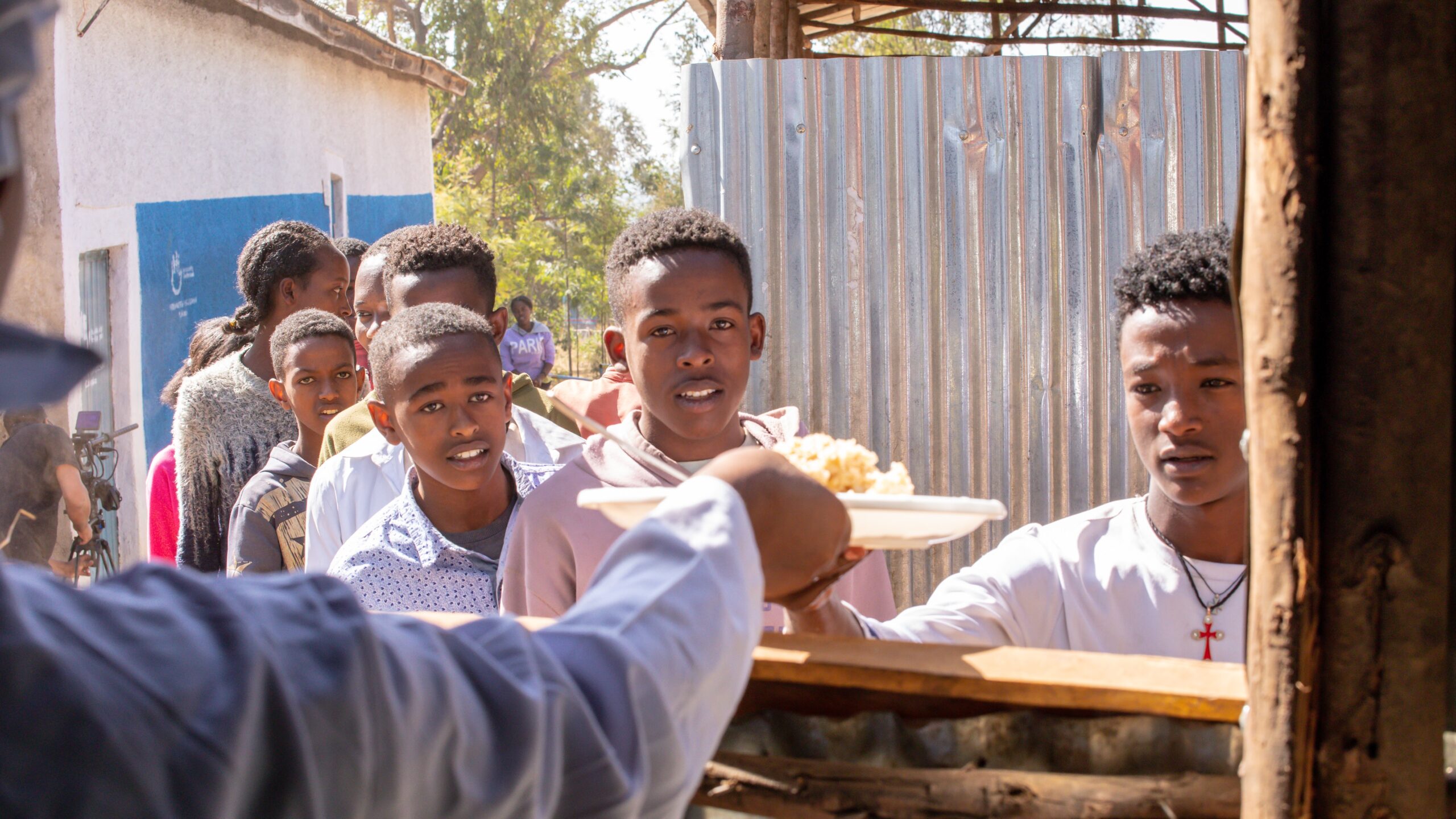
These livelihood disruptions are unfolding against a troubling national backdrop. FAO data suggest that the share of Nigeria’s population experiencing severe food insecurity has risen sharply over the past decade, from around 11% in 2014-16 to more than 26% in 202325. Conflict is not the only force behind this deterioration, but persistent insecurity in agricultural areas is one important part of the picture. Understanding how violence changes farmers’ decisions can therefore help explain why the consequences of conflict extend well beyond the households directly attacked.
Conflict changes incentives—not just outcomes
Conflict exposes households in the region to greater risks from a multitude of negative shocks: physical assault, forced displacement, theft, crop destruction, and damage to irrigation infrastructure. Families often respond by investing scarce resources in defensive measures, such as building enclosures around farms or working with local security groups for protection.
But conflict does more than destroy assets. It fundamentally changes the incentives that govern rural livelihoods. When violence makes farming riskier, households begin making different economic decisions. Agriculture becomes less predictable, transportation more dangerous, markets more uncertain, and investments harder to justify. Rather than maximizing productivity, families increasingly prioritize reducing risk. These adaptive responses are rational but carry hidden long-term costs—leading to one of the most important lessons of recent research: adaptation to conflict should not automatically be equated with resilience.
When adaptation weakens resilience
Households exposed to repeated violence adjust how they allocate labor, shifting away from agriculture toward activities perceived as safer, even when those alternatives generate lower returns. Given the risks of broad market participation, they increasingly retreat to markets nearby. Agricultural input use declines, reducing both productivity and future earning potential. Conflict also increases food insecurity and cuts expenditures on non-food items, potentially delaying investments that support future livelihoods and human capital.
Recent studies from Nigeria make these patterns concrete. Analyzing a nationally representative panel alongside armed-conflict data, one study finds that rising Fulani militia violence in Nigeria reduces agricultural output, the output of specific staple crops, and the area harvested. Farmers also change what they grow and how much they invest: drawing on geocoded, longitudinal household data, another study finds that violent conflict reduces both the share of land cultivated and the share allocated to long-term crops such as perennials, trees, roots, and tubers—a retreat from investments that only pay off over time. Other work shows that households perceiving greater farmer-herder conflict risk also use less fertilizer and invest less per hectare of cropland.
Figure 2 illustrates this dynamic. Adjustments to conflict help households survive periods of insecurity. But this approach can also lock them into less productive economic strategies, making recovery increasingly difficult.
Adaptation and resilience are not the same thing, and policy responses that support only the former risk leaving households permanently worse off.
Figure 2
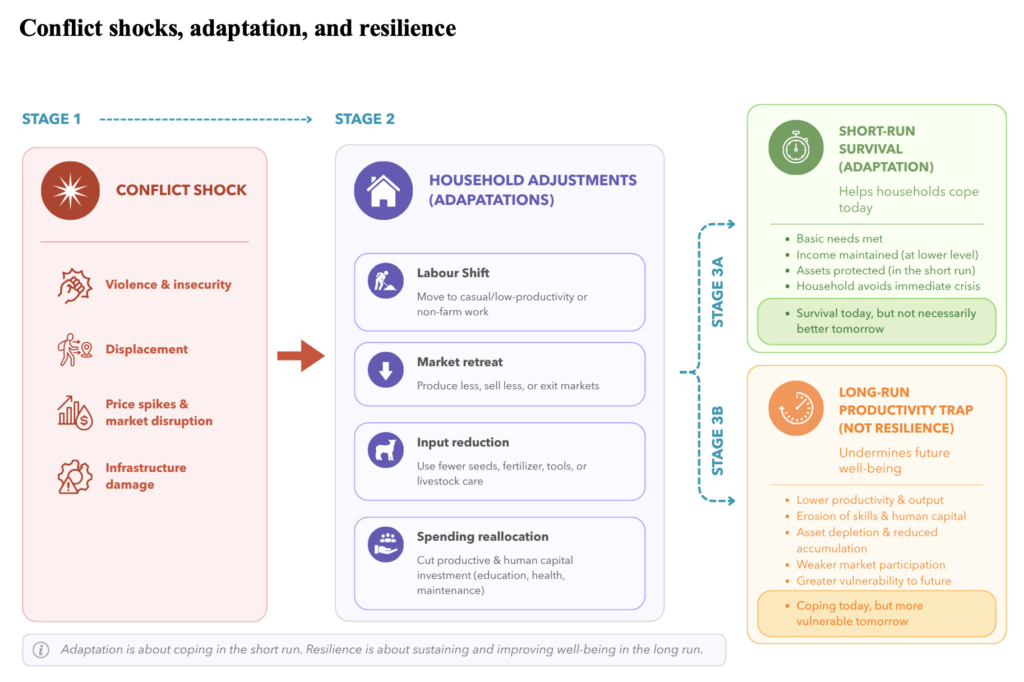
How the ‘shadow of violence’ affects behavior far beyond specific attacks
The effects of conflict extend well beyond places experiencing active violence, and repeated exposure matters. Households living in this “shadow of violence” adjust their behavior even after attacks have subsided. Markets remain disrupted, labor shortages persist, agricultural investment falls, and confidence in future production weakens. For example, existing work from rural Nigeria finds that even households neither directly involved in nor exposed to farmer-herder conflict in their community may change their production decisions in response to it.
These consequences also spread geographically: when conflict disrupts transportation networks, labor markets, and input supply chains, farmers located outside immediate conflict zones can still face higher production costs and reduced market opportunities. At a national scale, existing research shows how far the disruption reaches; Fulani militia violence lowers not only crop output and area harvested but also farmers’ cattle holdings, as theft and losses rise and new purchases fall.
This dynamic has important policy implications. The conventional approach to conflicts—supporting only communities that experienced direct attacks—risks overlooking broader regional disruptions. Agricultural recovery efforts should have broad reach beyond conflict hotspots, rebuilding functioning markets, restoring supply chains, and strengthening livelihoods across entire production systems. Focusing on how the economic effects of violence ripple outward can help policymakers better support rural households throughout conflict-affected regions.
Women’s responses to conflict are more complex than we often assume
Conflict also reshapes gender dynamics in ways that challenge conventional assumptions. Women in the Sahel and elsewhere frequently bear disproportionate economic losses during conflict through reduced access to land, labor, and productive resources. At the same time, the evidence shows that conflict changes women’s economic and political roles in surprisingly varied ways.
The adaptation strategies women pursue depend on their proximity to violence. Those living closest to conflict may suffer substantial losses yet expand economic activities or engage more actively in local decision-making in response. At intermediate distances, women are more likely to withdraw from economic and civic engagement. Those farther away often redirect their activities toward safer, more local opportunities.
Conflict also reshapes what women aspire to achieve. Women close to violence report higher income aspirations—aiming to earn more as a buffer against shocks—yet lower expectations for their social standing and mobility, as if the horizon of what feels possible narrows even as the drive to earn rises. These findings suggest that conflict-affected women should not be treated as a homogeneous group. Effective programming requires recognizing that proximity to violence shapes both the constraints women face and the opportunities they perceive.
Looking beyond conflict mitigation
Building resilience amid conflict means restoring the conditions that make agriculture productive, markets accessible, and long-term investment worthwhile. It means supporting households repeatedly exposed to violence before temporary coping strategies become permanent economic traps. And it means designing interventions that recognize the distinct experiences of both farming and herding communities while accounting for the different ways women and men experience conflict.
It is also important to recognize what doesn’t work. Household-level support, however well designed, cannot on its own reduce the violence driving these changes, and interventions that address only one side of the conflict can backfire. In some cases, policies that constrain herders’ mobility without offering viable alternatives have been followed by sharp increases in violence. Durable solutions must account for the fact that farmers and herders experience the roots of conflict differently.
The International Year of Rangelands and Pastoralists offers a timely opportunity to shift the policy conversation away from conflict response alone and toward the structural conditions that make both pastoral and farming livelihoods viable. As climate pressures and competition over resources continue to grow across the Sahel, recognizing and responding to these deeper economic changes will be essential for building more resilient rural communities.
Katrina Kosec is a Senior Research Fellow with IFPRI’s Poverty, Gender, and Inclusion (PGI) Unit and Interim Lead of CGIAR’s research on Fragile and Conflict-Affected Food Systems; Lucia Carrillo is a PGI Research Analyst; Jordan Kyle is a PGI Research Fellow; Jeffrey Bloem is a Research Fellow with IFPRI’s Markets, Trade, and Institutions Unit. This post is based on research that is not yet peer-reviewed. Opinions are the authors’.
This work was supported by the CGIAR Science Program on Food Frontiers and Security.
Reference:
Amare, Mulubrhan; Carrillo, Lucia; Kosec, Katrina; and Kyle, Jordan. 2024. Conflict, aspirations, and women’s empowerment: Household survey evidence from farmer-herder conflicts in Nigeria. HiCN Working Paper Series 421. Berlin, Germany: Households in Conflict Network. https://hdl.handle.net/10568/163453