

Mindblown: a blog about philosophy.
-
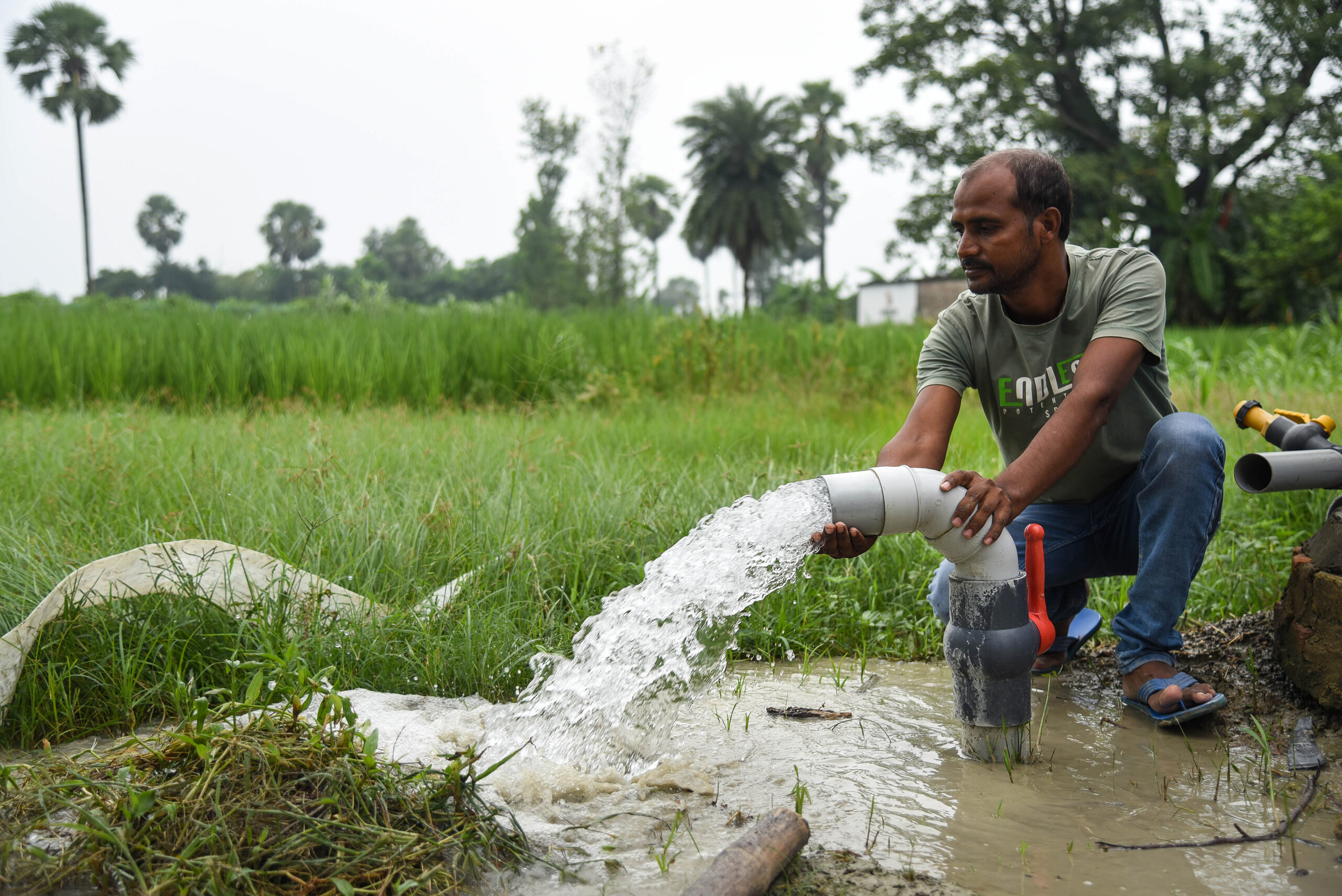
Irrigation as a Service for Small-Scale Producers: Advancing Equity and Women’s Empowerment
-
Support for the Domestication of the Kampala CAADP Declaration
-
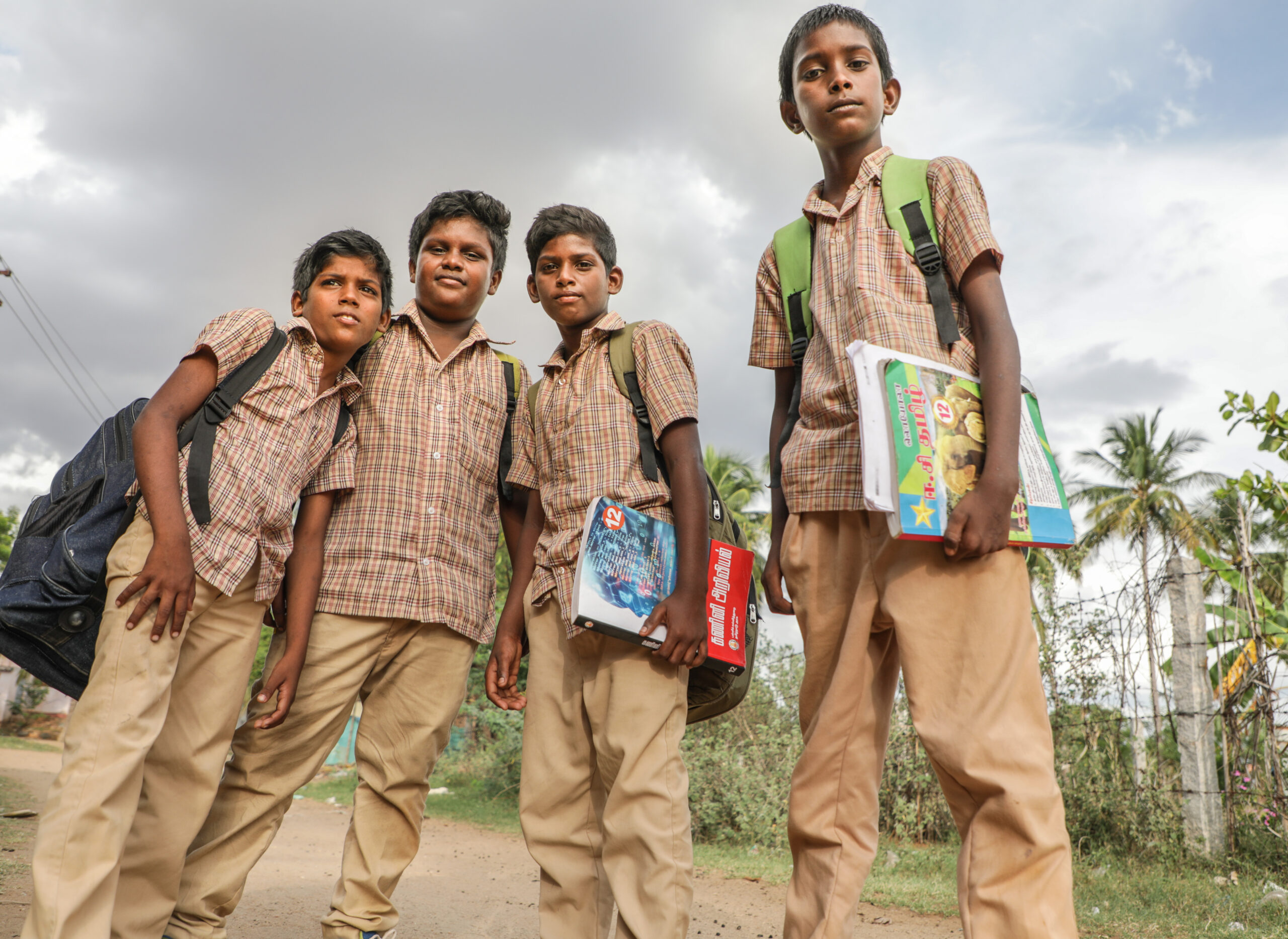
School Meals and School-based Actions for People and the Planet
Ongoing Country Partnerships IFPRI’s school meals and school-based interventions portfolio spans more than a dozen countries, carried out through close partnerships with governments, universities, and local research institutions. Current work includes:
-
True Value of Food
Infographics and Dashboards Datasets External Blogs External Events
-

UFED: Urban Food Environments and Diets online tool
Acknowledgements We are grateful to Marie Ruel, Loty Diop, Elodie Becquey, Jef Leroy, Gabriela Fretes, Kalyani Raghunathan and Shauna Downs for their thoughtful feedback on technical content. Special thanks to Jamed Falik for his invaluable assistance in conceptualizing the decision tree tool and with graphic layout. We also appreciate Indira Yerramareddy for her communications support, and Mulugeta Bayeh, Nilam Prasai and Yunchul Jung for their IT assistance.
-
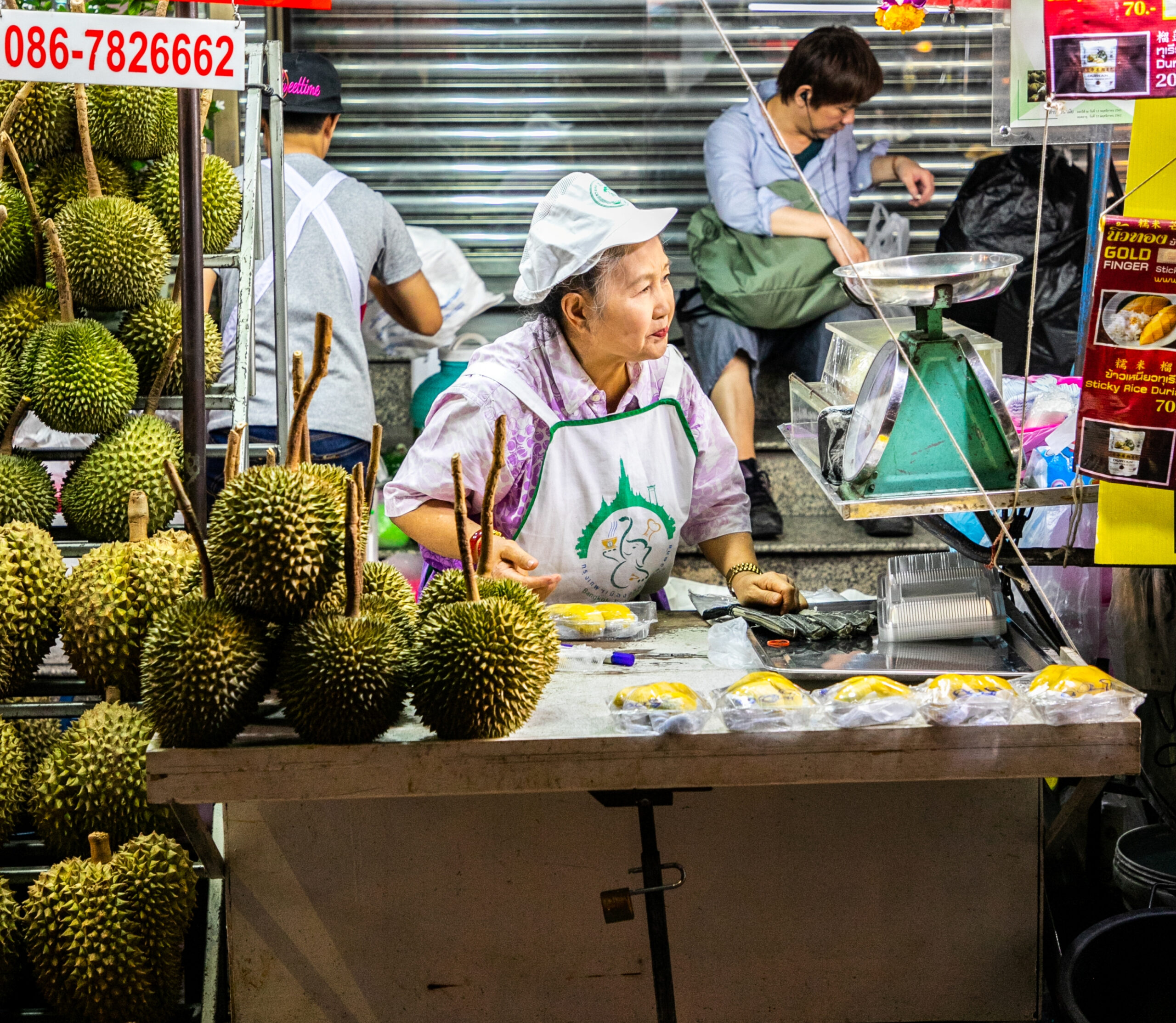
Ensuring Inclusiveness, Sustainability, and Efficiency of Food System Transformation in the ASEAN and BIMSTEC countries
-
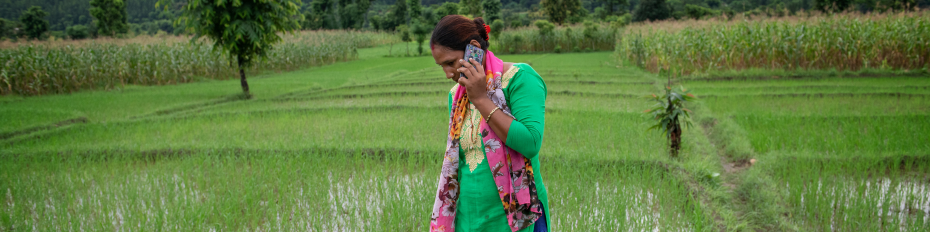
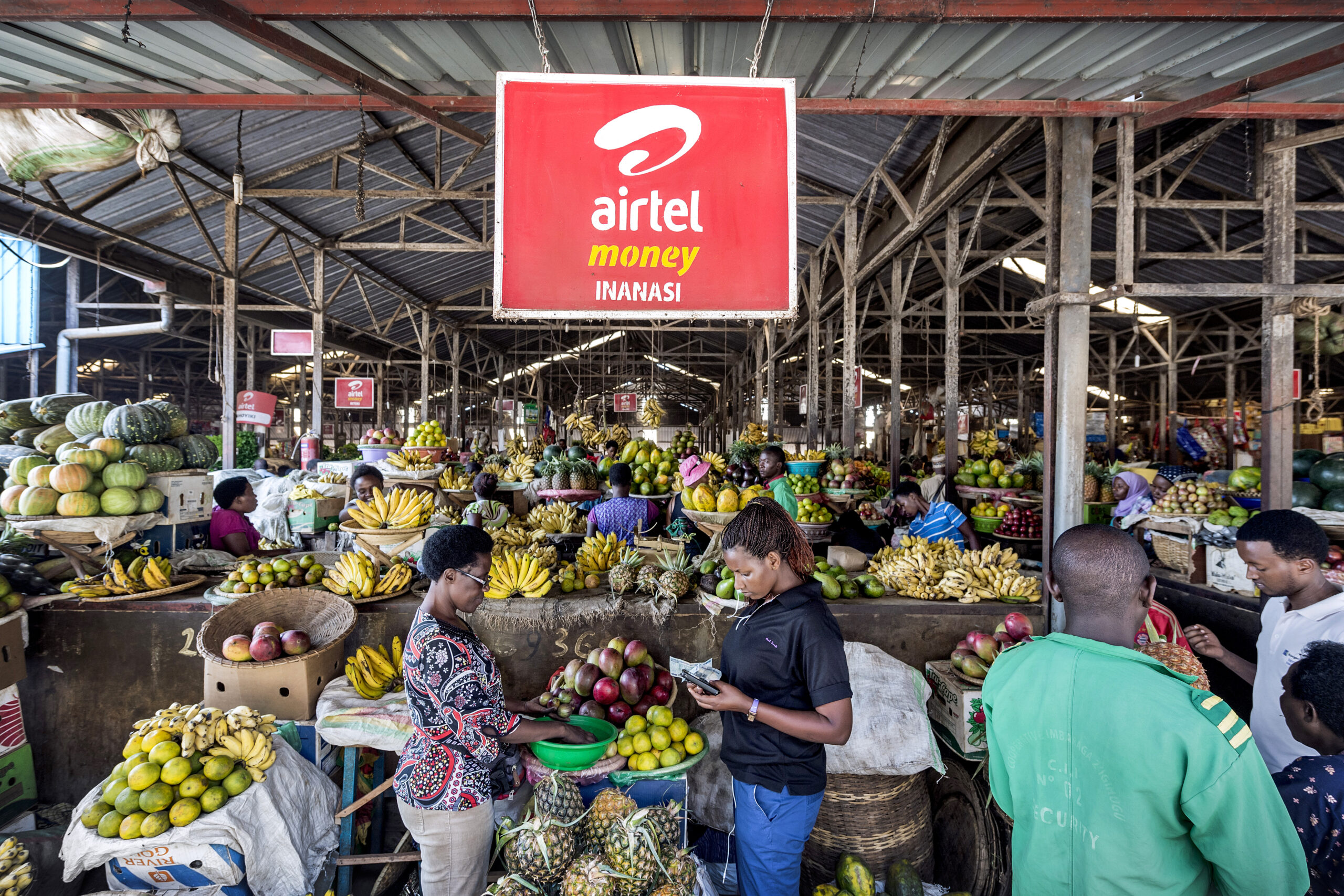
Private sector-led digital agricultural extension for smallholder farmers: impact evaluation and learning study in South Asia and Sub-Saharan Africa
-

Fairgrounds: The Gateway to FAIR, Collaborative Agricultural Research
-
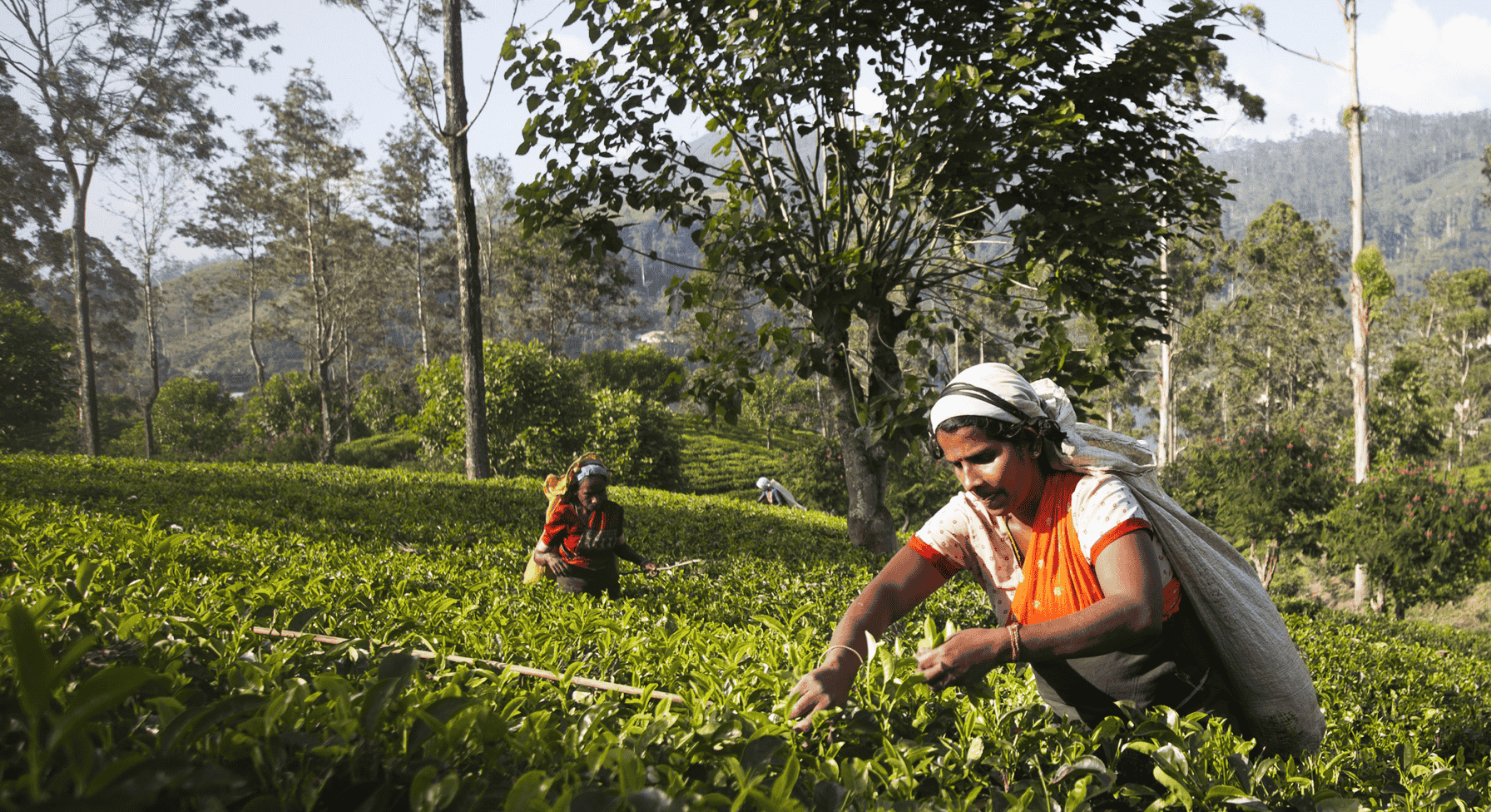
BRIGHT Sri Lanka
Publications Blog From crisis to recovery: How CGIAR’s BRIGHT Survey can catalyze evidence-based policy reforms in Sri Lanka by Derek Headey, Joanna van Asselt, Olivier Ecker, and Jean Balié [Link]
-

Generative AI for Agriculture (GAIA) – Phase I & II
-
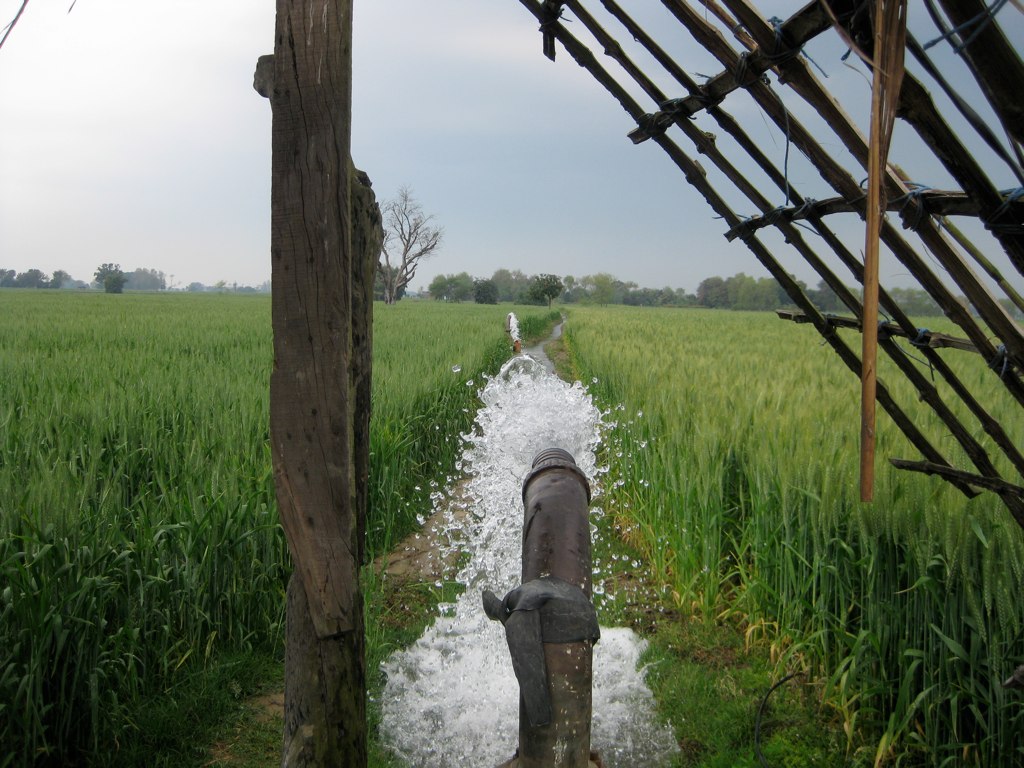
Groundwater governance: Managing the world’s most precious natural resource
-

Agrifood Investment Prioritization
-
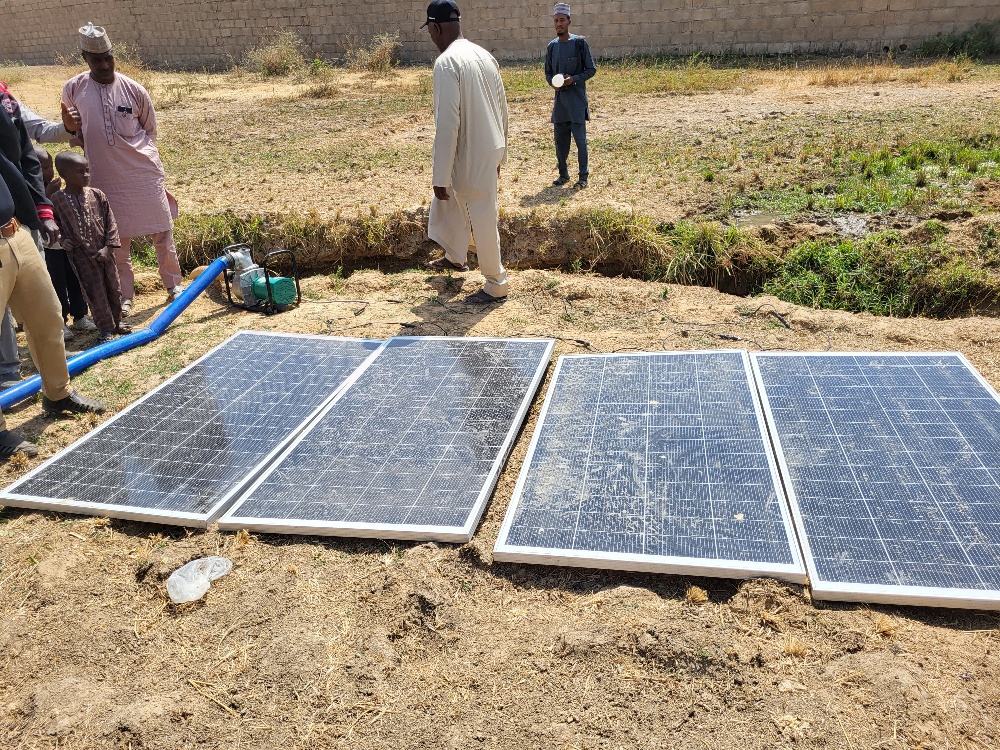
Addressing Nigeria’s Policy, Finance, and Technology Supply Constraints to Accelerating Small-Scale Irrigation through Mapping Tools and Other Decision Support
-

AI For Food Systems Research
-
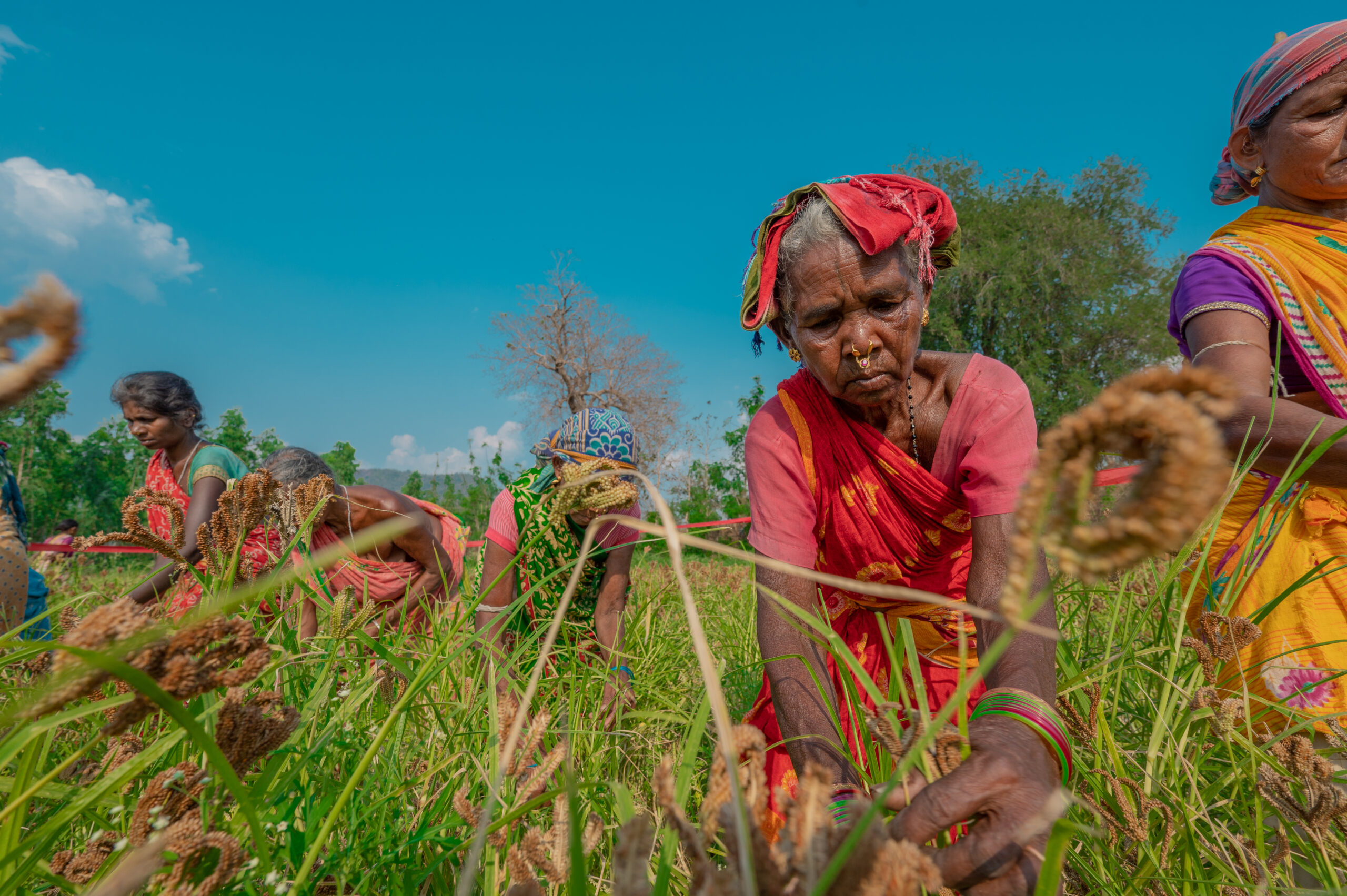
Food & Agricultural System Transformation Research (FASTR)
-
Economywide Risk Assessments
-
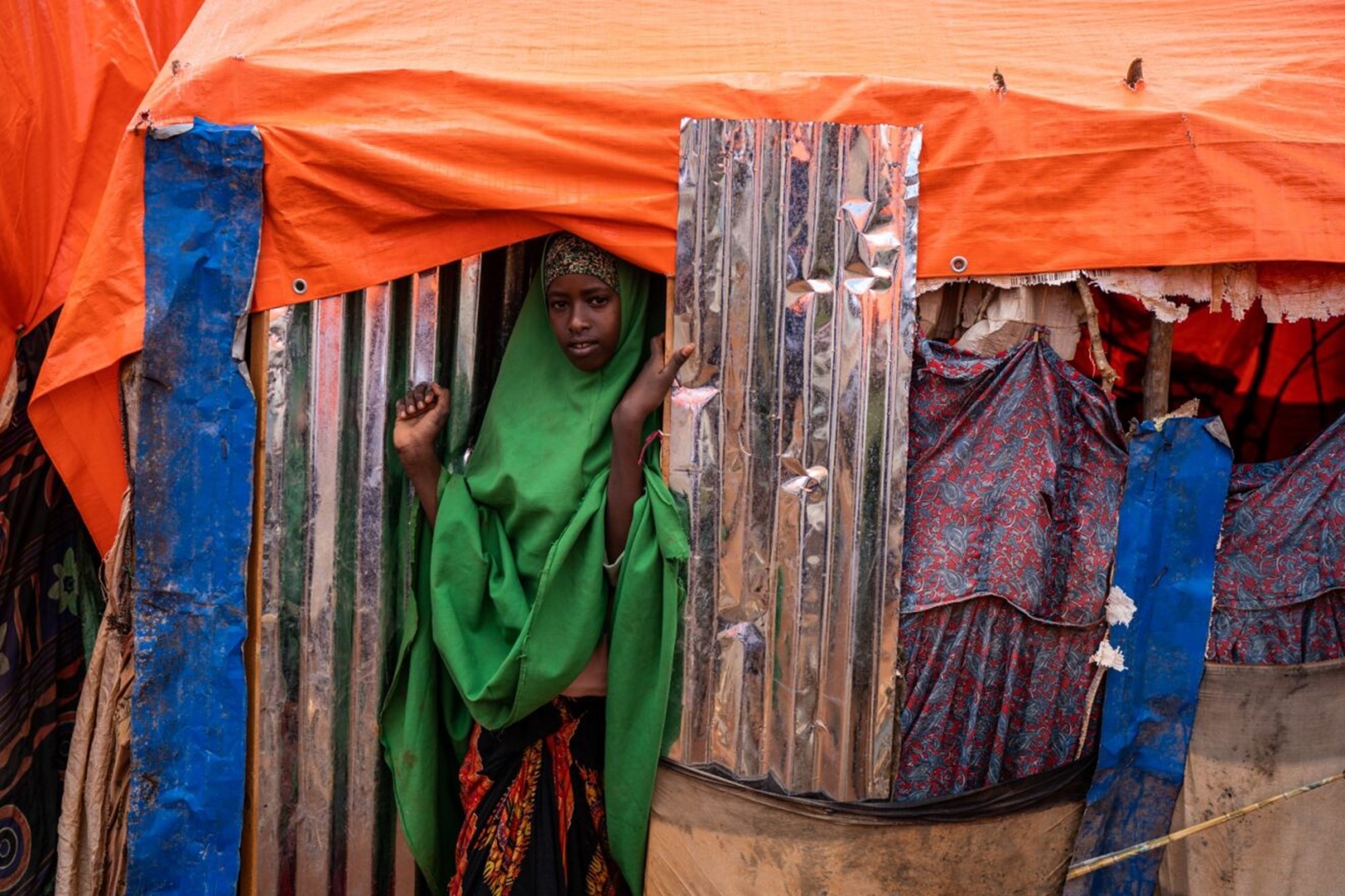
Ultra-Poor graduation in Somalia
-
Strengthening the Economic Evaluation of Strategies for Nutrition (SEEMS-Nutrition)
-
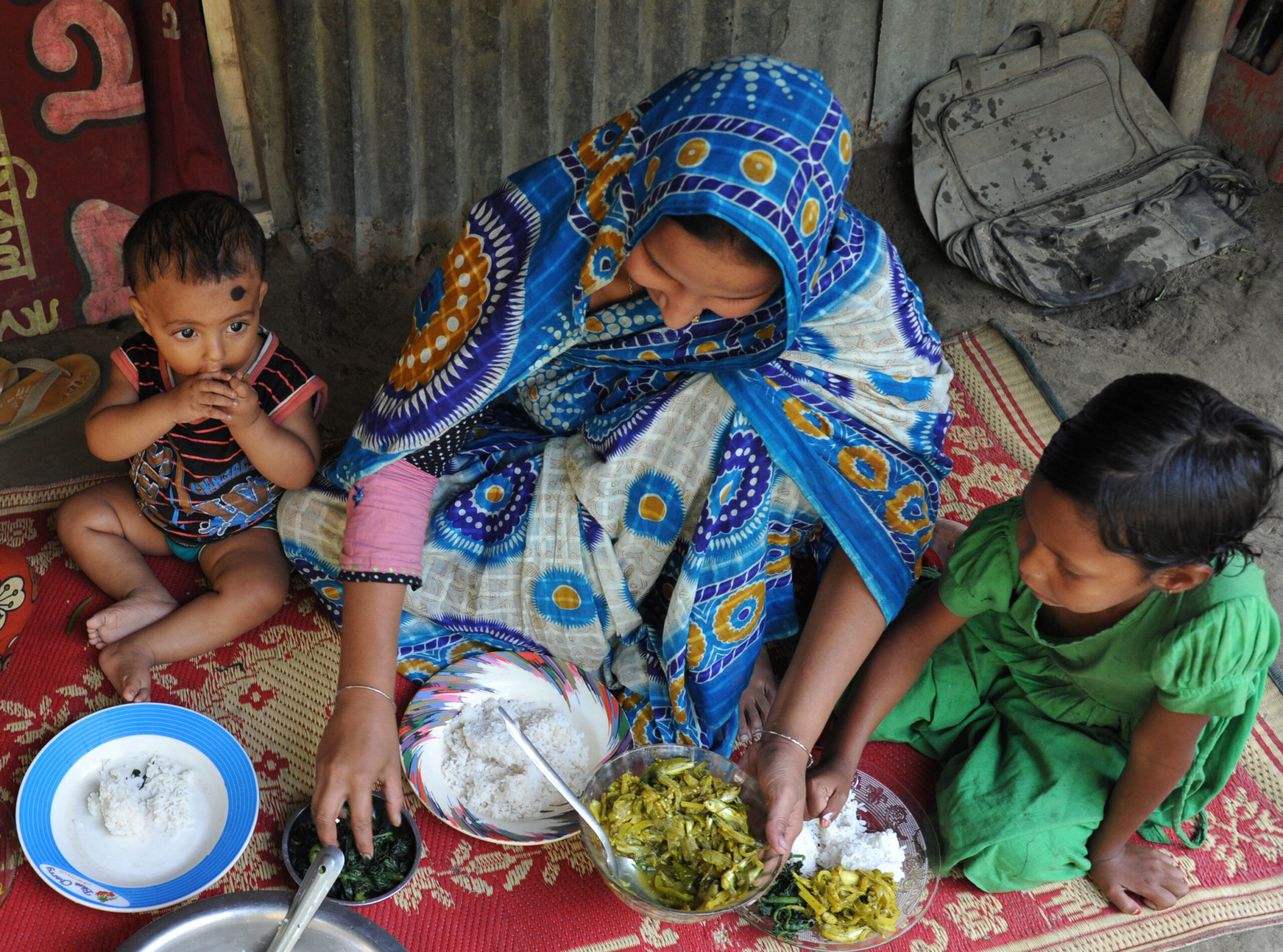
South Asia Nutrition Knowledge Initiative (SANI)
-
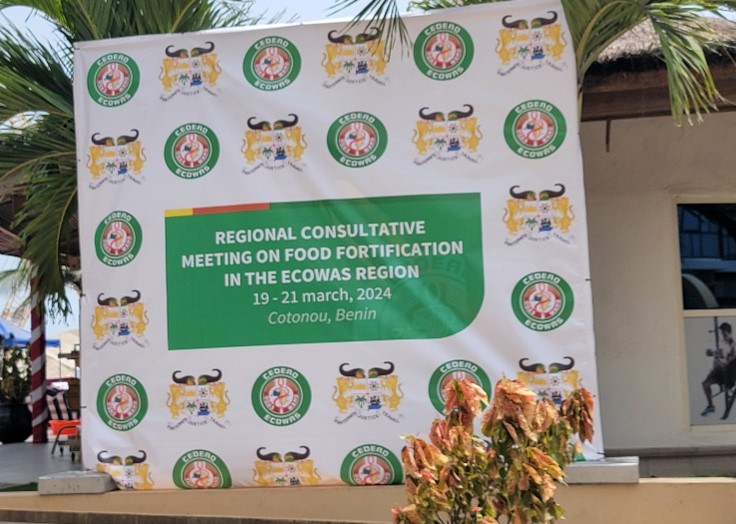
Political Economy of Large-Scale Food Fortification
-
Food Security Simulator
-

Agrifood system (AFS) diagnostics
Slide Decks Bangladesh’s agrifood system: Transformation and environmental impacts Tanzania’s agrifood system: Transformation and environmental impacts Ghana’s agrifood system: Transformation and environmental impacts
-
Agrifood system (AFS) measurement
-
Women’s empowerment in agrifood governance (WEAGov)
Implementation Manual View here Interactive Infographics View here Training Videos Video 1: WEAGov conceptual framework (17 min)Goal: Viewer should understand why WEAGov exists, what the 3×3 framework is, and how to apply it analytically to food policy. Watch Video Video 2: Implementing WEAGov tool (24 min)Goal: Viewer understands the full 6 step methodology of implementing a…

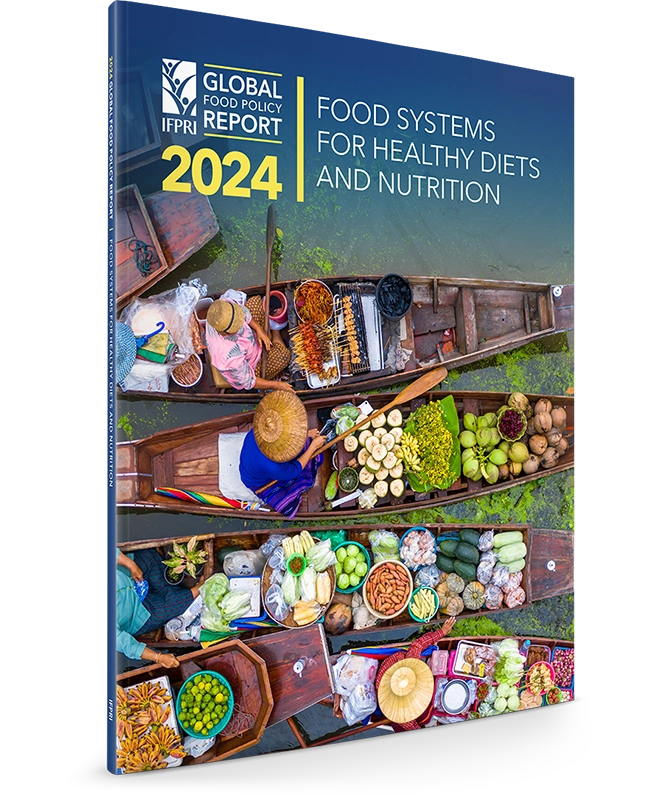
The 2024 Global Food Policy Report
This decade has been marked by multiple, often overlapping, crises. The COVID-19 pandemic, natural disasters, and the ongoing war in Ukraine have all threatened the fabric of our global food systems. But opportunities can be found amid crises, and the world’s food systems have demonstrated surprising resilience. With new evidence on what works, now is the time to rethink how we address food crises. Better prediction, preparation, and resilience building can make future crises less common and less devastating, and improved responses can contribute to greater food security, better nutrition, and sustainable livelihoods.