



Mindblown: a blog about philosophy.
-

Statistics from Space
-
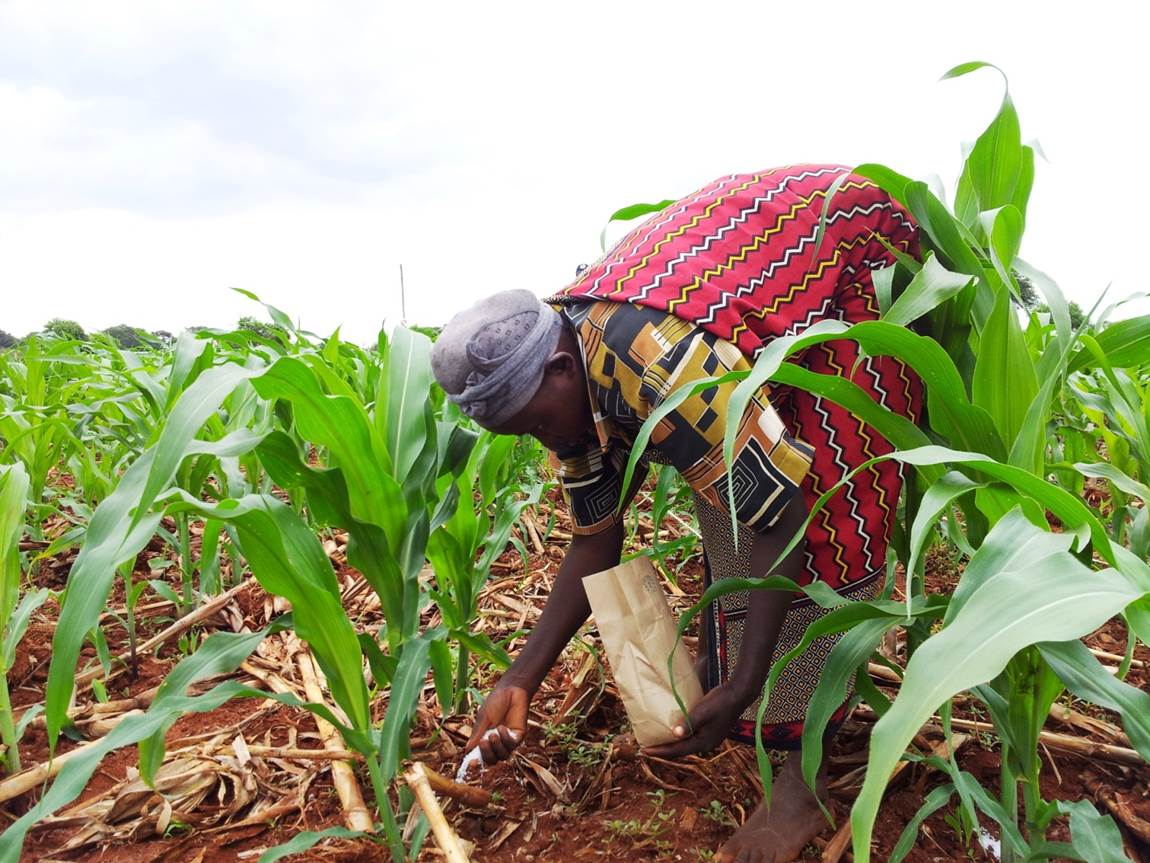
Developing Smart Innovations through Research in Agriculture (DeSIRA) Project
-

Tajikistan Evaluation and Analysis Activity
TEAA’s research activities are designed to provide analytical support to local and international partners, build related communities of practice, and share timely policy-relevant research results. The research agenda covers five major areas; 1) Agricultural Production and Productivity; 2) Markets, Value Chains and Trade; 3) Assessing Policy and Investment Priorities; 4) Livelihoods and Nutrition; 5) Increasing…
-
Ethiopian NIPN Technical Advisory Project (ENTAP)
-
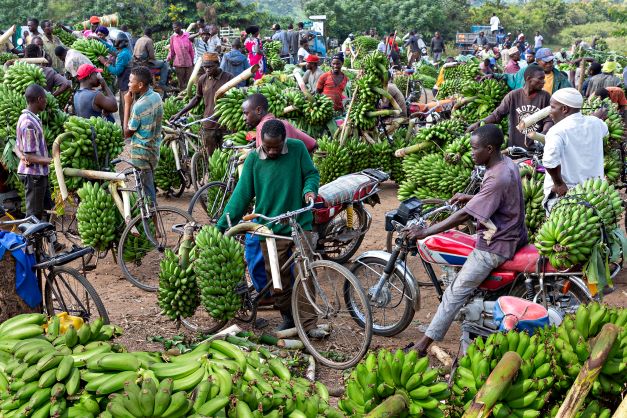
Strengthening National Capacities and Policies for Food Systems Analysis and Transformation in Kenya, Ghana, and Senegal
-
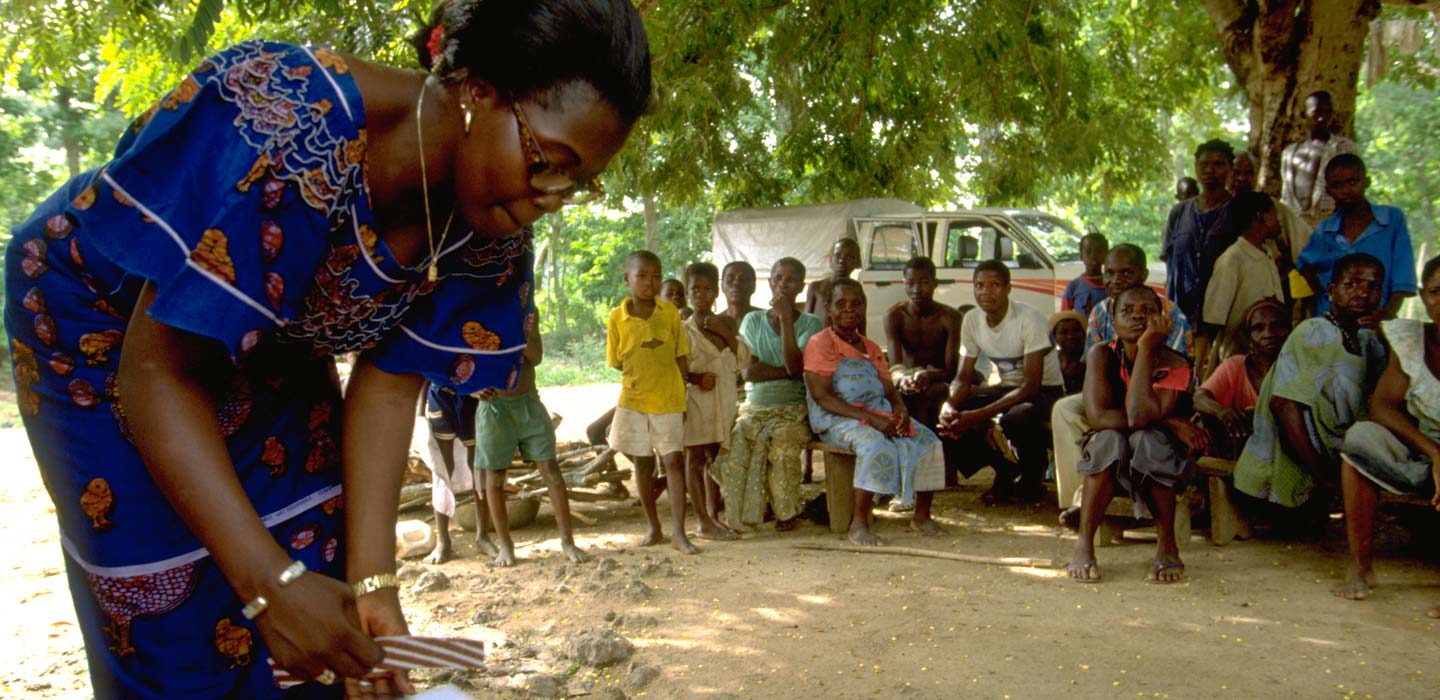
Gender-Responsive Policies for Inclusive Agri-Food Systems in Africa
-
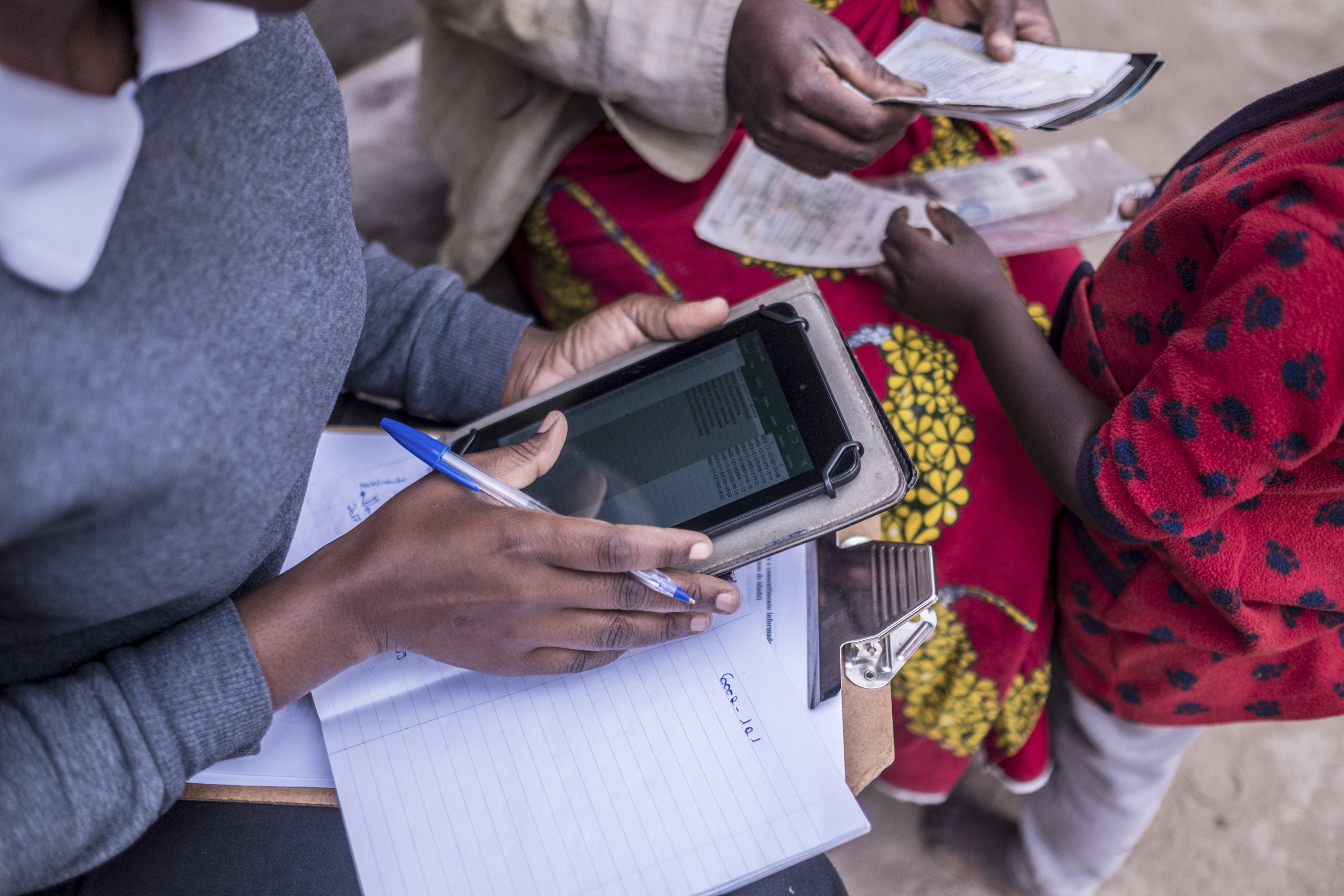
Supporting ReSAKSS and CAADP
-
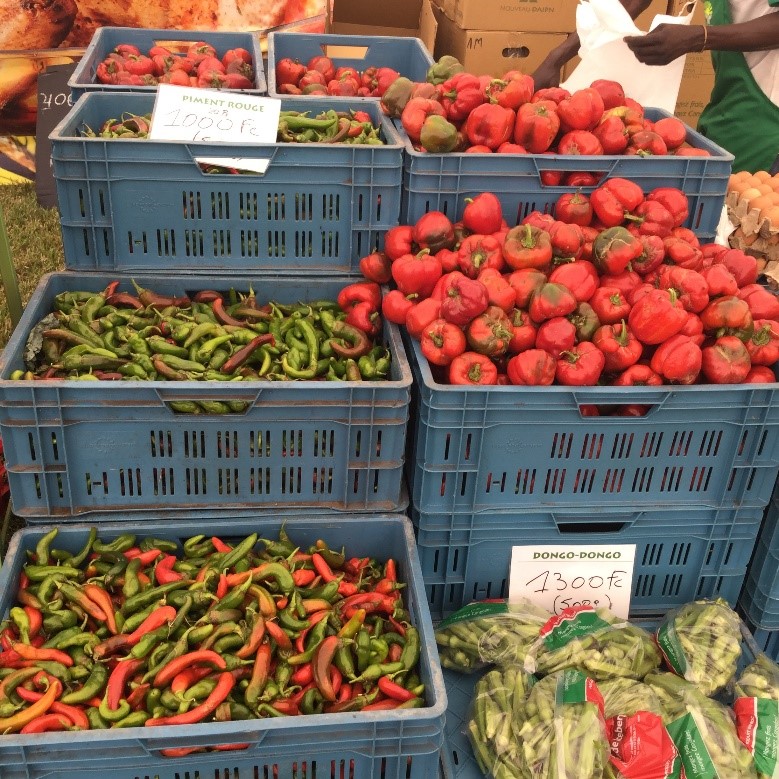
Integrated Agricultural Growth Project in the Great Lakes
-
Spatial Typologies for Targeted Food and Nutrition Security Interventions
Developing and applying a comprehensive typology for the design and implementation of spatially targeted food and nutrition security (FNS) interventions
-
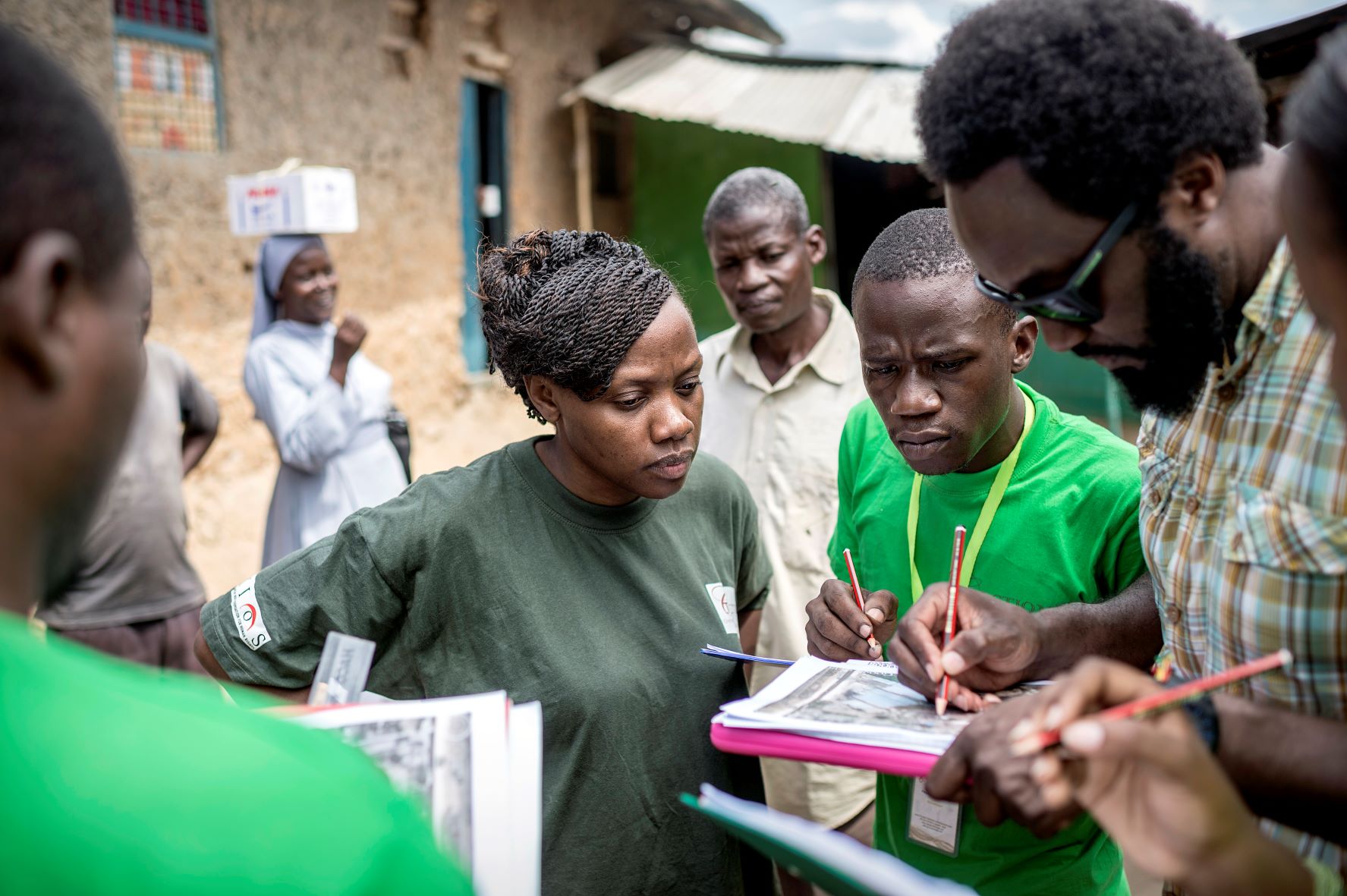
Strengthening CAADP Biennial Review (BR)
-
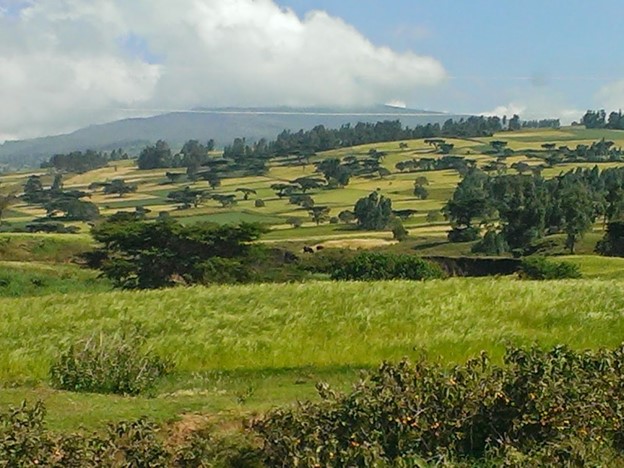
Agricultural Transformation in Ethiopia
Analyzing the patterns and drivers of agricultural transformation in Ethiopia, focusing on the household level analysis
-

Strengthening Food Systems to Promote Increased Value Chain Employment Opportunities for Youth
This project funded by the Mastercard Foundation, aims to provide tested options for creating innovative, digitally-savvy livelihood opportunities for youth, especially young women, while reducing post-harvest losses across agrifood systems in Africa
-
The Comprehensive Action for Climate Change Initiative (CACCI)
-
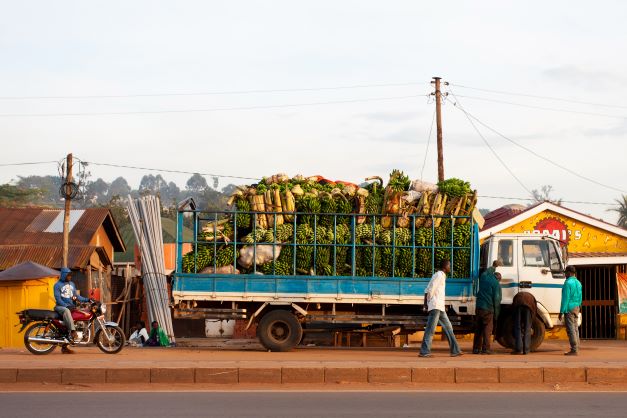
Digital Financial Services Adoption
This project seeks to understand the potential for digital financial services (DFS) to help improve financial access among the agricultural midstream—which includes traders, transporters, processors, wholesalers, and other related businesses
-

Nudging for Good: A.I.-driven diagnostics and behavior change to improve diets and nutrition
The Nudging for Good Project team validated FRANI for dietary assessment in adolescent girls in Ghana and Viet Nam against weighed records, the gold standard for dietary assessment, and the standard multi-pass 24 hour-recall method
-
Productive uses of energy for irrigated agriculture in Ethiopia
-

RIAPA Data and Modeling System
-

Papua New Guinea Food Policy Strengthening Project
-
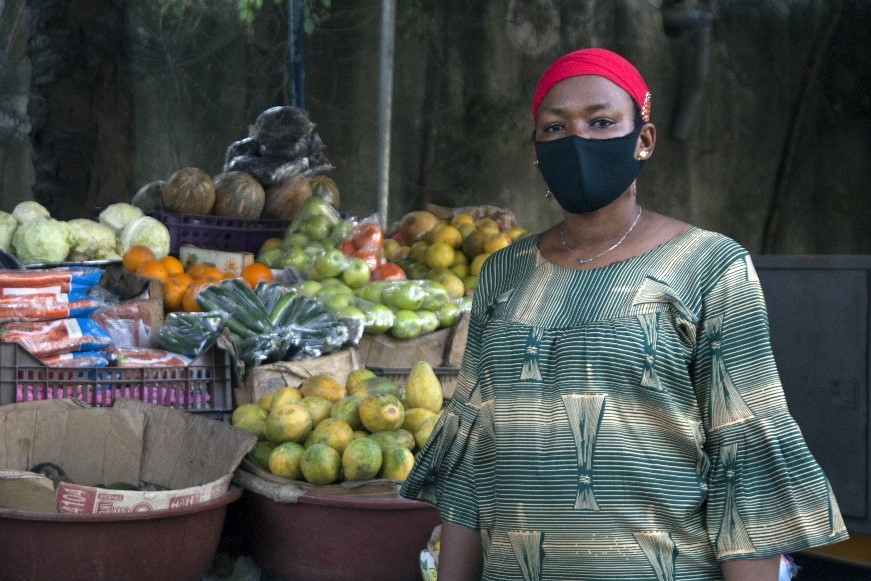
Impact of COVID-19 on Food Value Chains
-
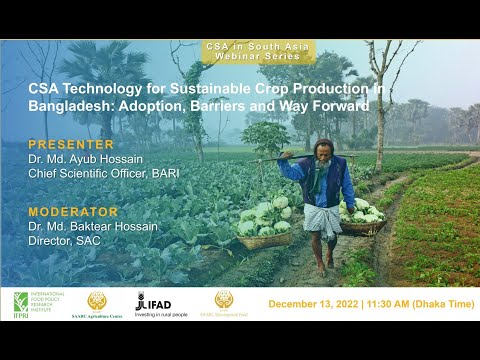
Consortium for Scaling-up Climate Smart Agriculture in South Asia
Focusing on promoting sustainable and resilient agricultural intensification in South Asia through enhanced capacity and evidence-based strategies to scale up climate-smart technologies
-
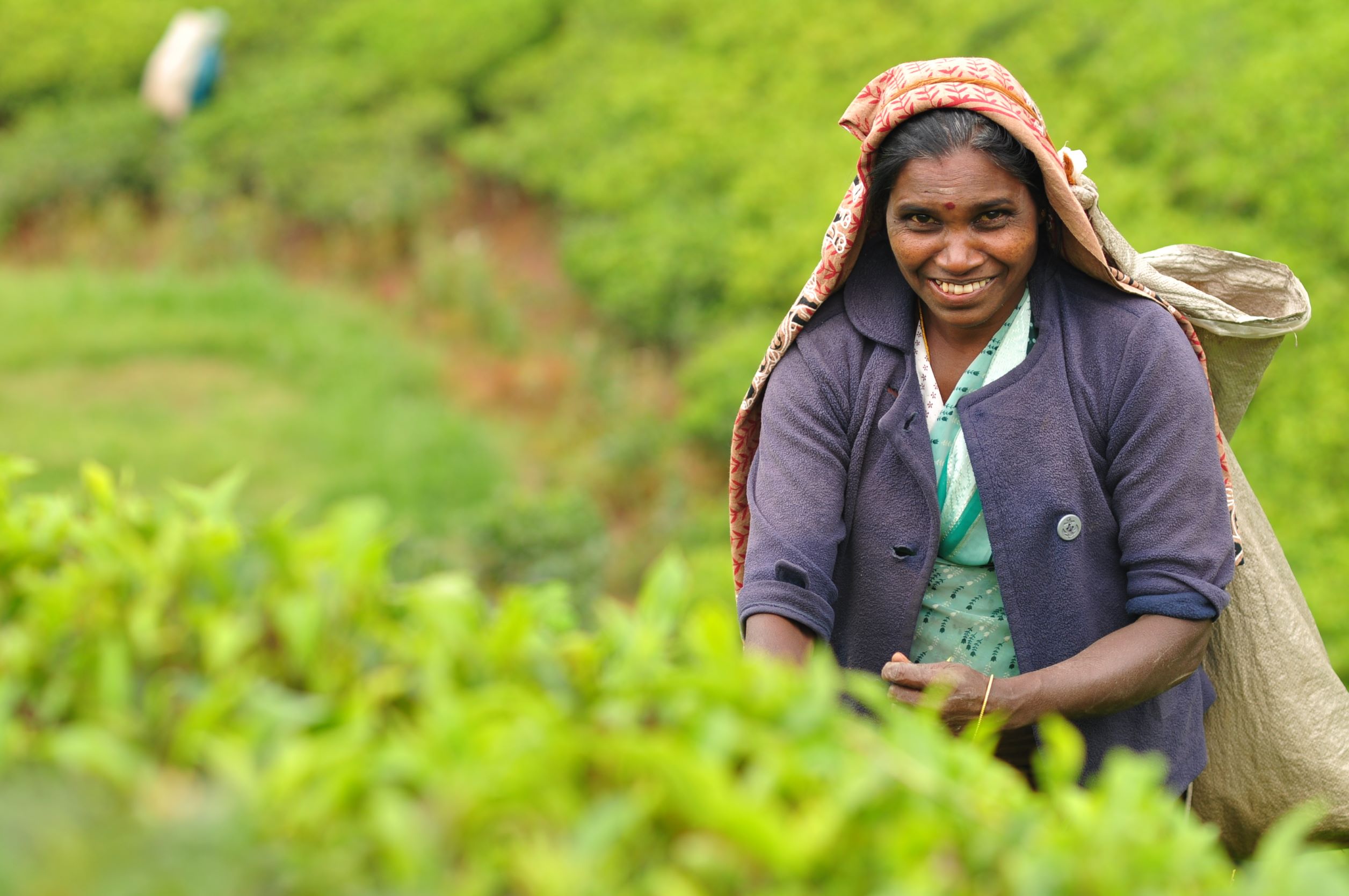
Operational Research for WFP’s Food assistance for Assets (FFA) Program in Sri Lanka
-

Nexus SAMs
Improving the quality of Social Accounting Matrices (SAMs) used for Computable General Equilibrium (CGE) modeling, the project develops toolkits and establishes common data standards, procedures, and classification systems for constructing and updating national SAMs
-
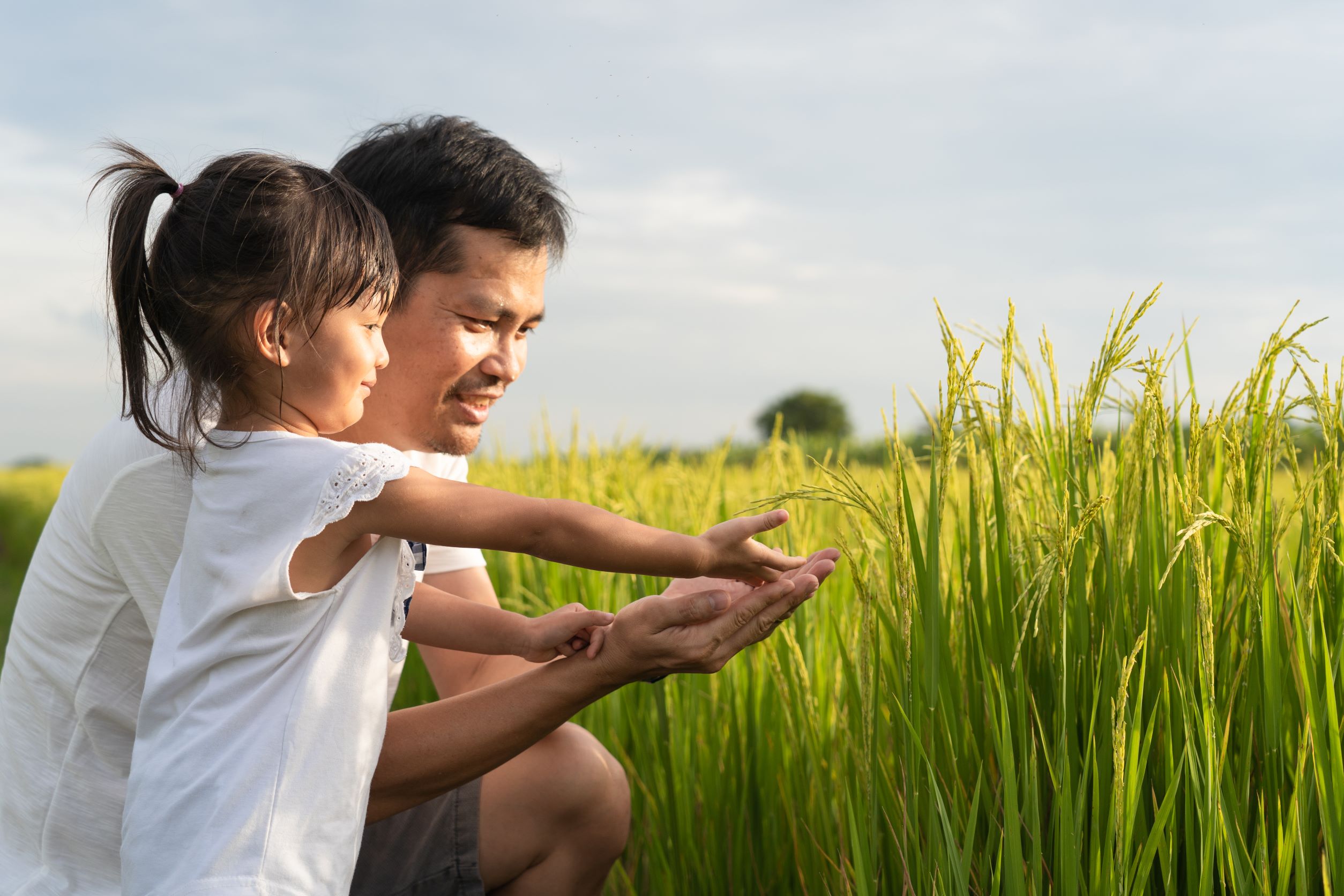
Prioritizing agricultural investments for income, poverty reduction, and nutrition
Identifies methods and tools related to the prioritization of agricultural investment taking into account multiple objectives, including income growth, poverty reduction, and improved nutrition
-
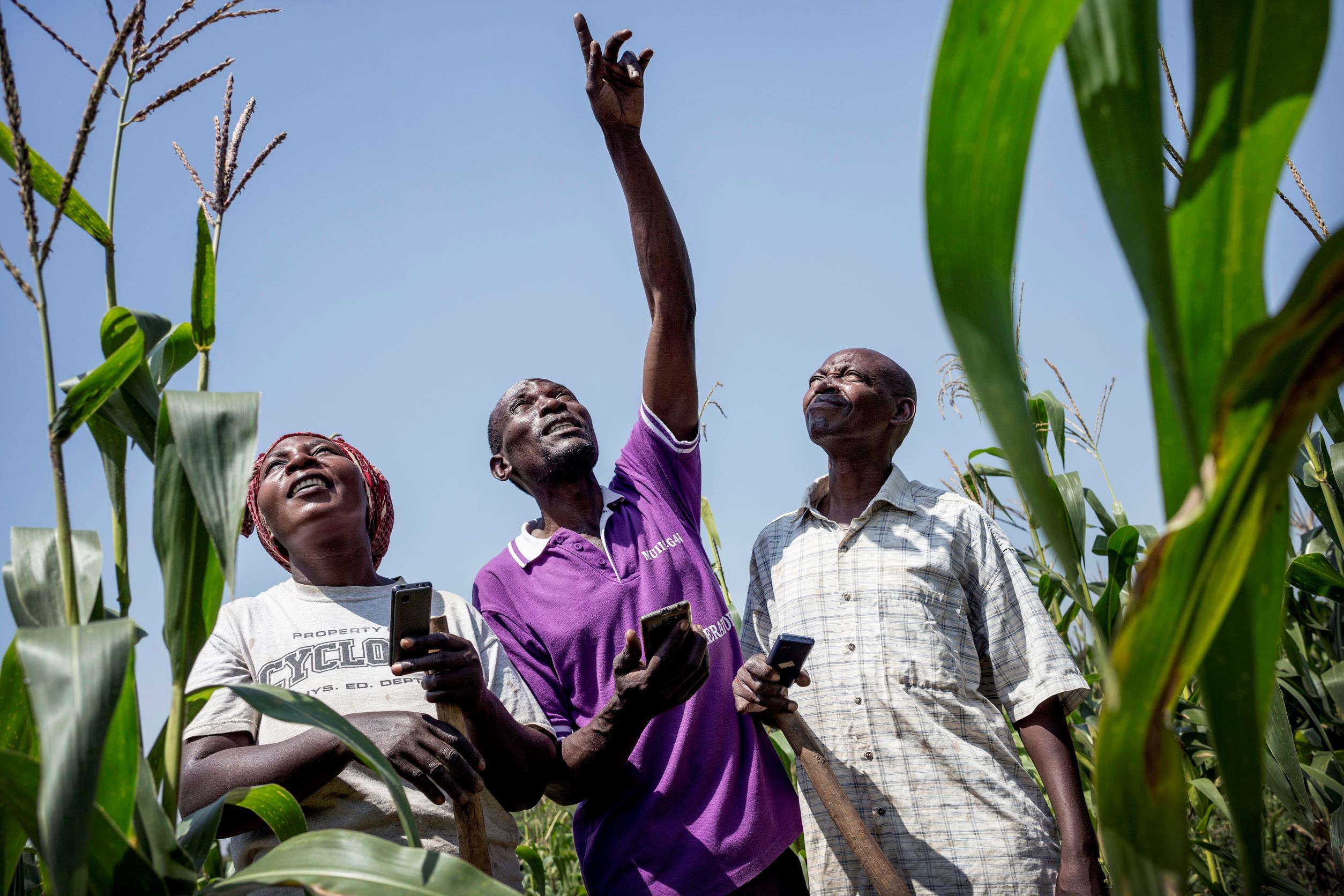
CropIn SmartFarm Impact and Process Evaluation

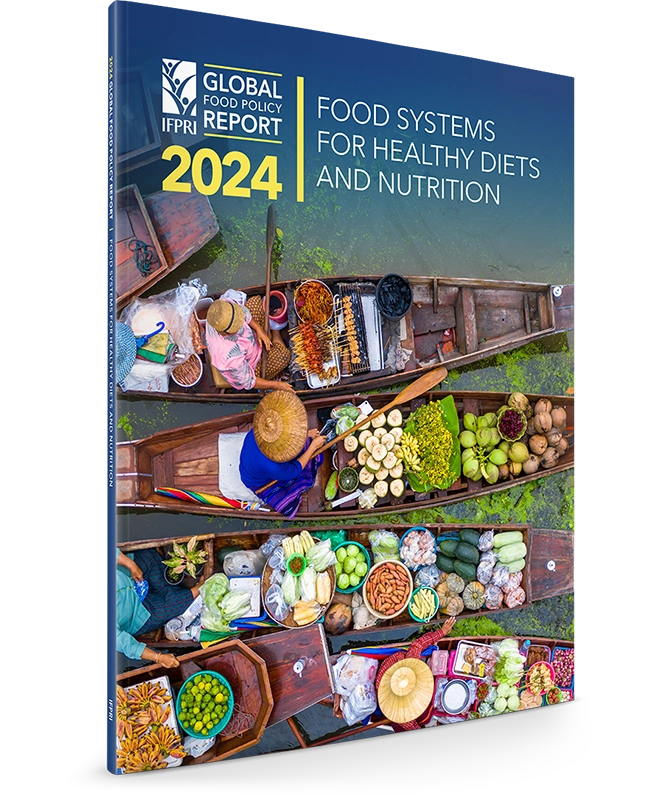
The 2024 Global Food Policy Report
This decade has been marked by multiple, often overlapping, crises. The COVID-19 pandemic, natural disasters, and the ongoing war in Ukraine have all threatened the fabric of our global food systems. But opportunities can be found amid crises, and the world’s food systems have demonstrated surprising resilience. With new evidence on what works, now is the time to rethink how we address food crises. Better prediction, preparation, and resilience building can make future crises less common and less devastating, and improved responses can contribute to greater food security, better nutrition, and sustainable livelihoods.