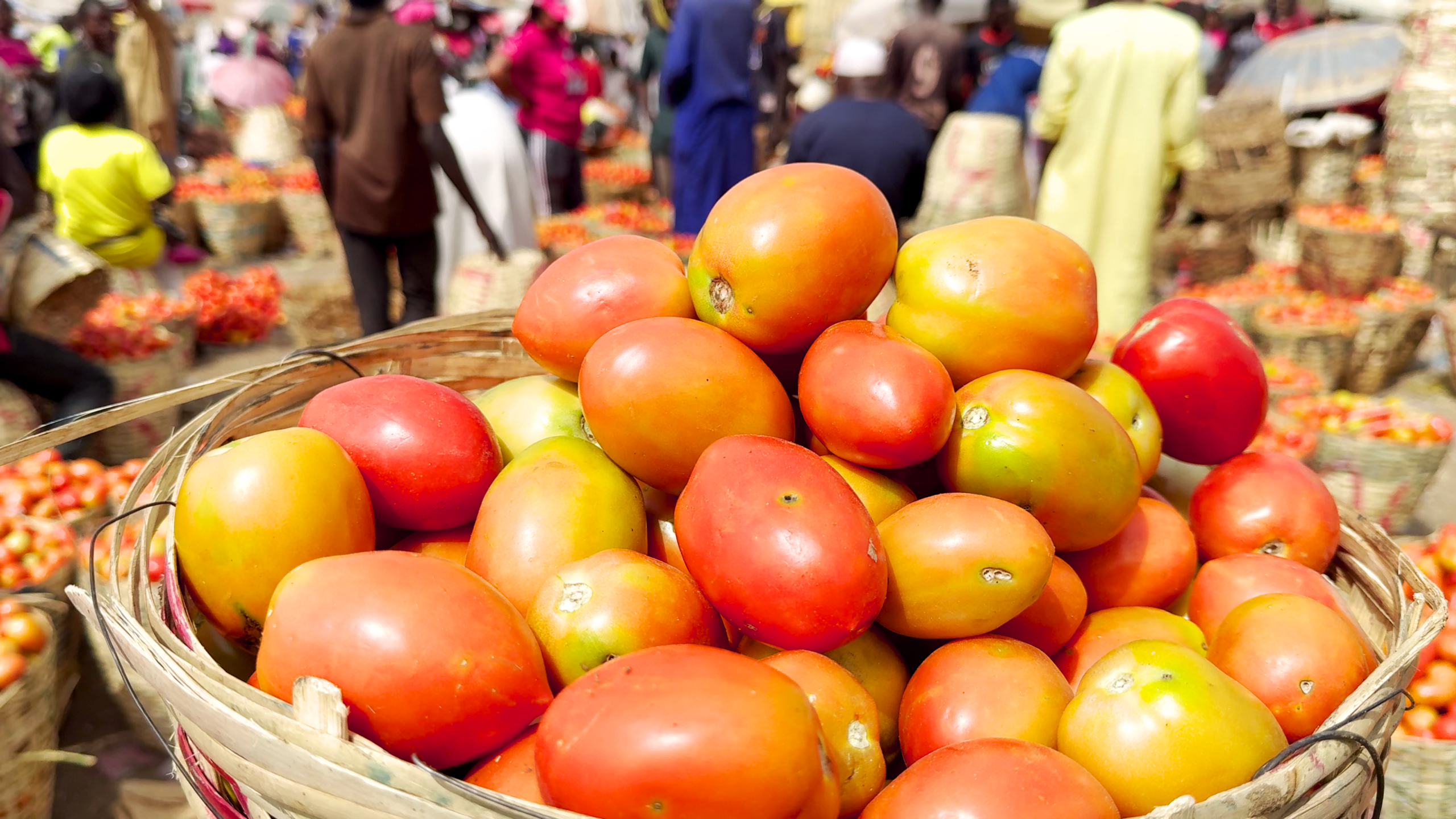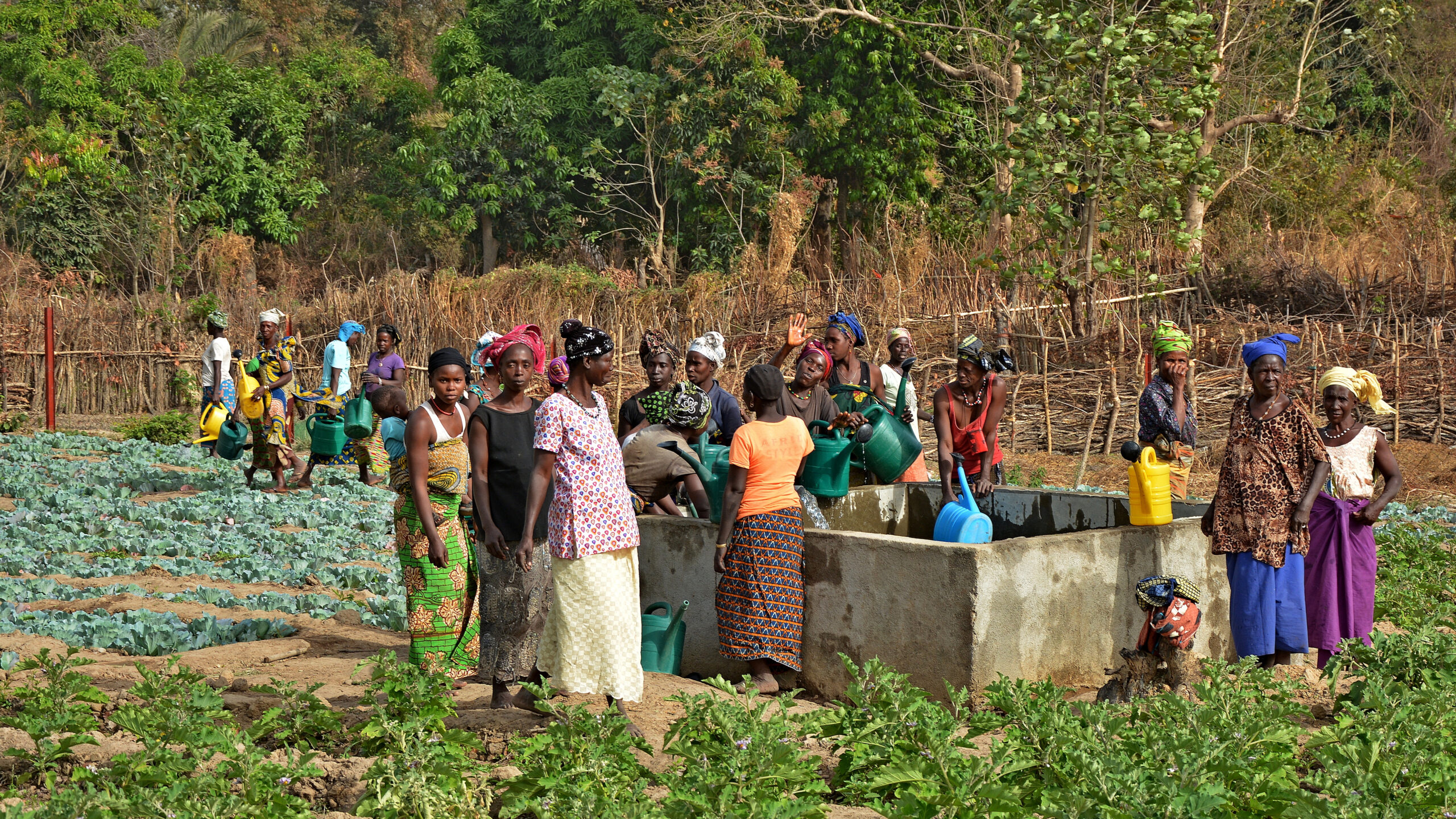






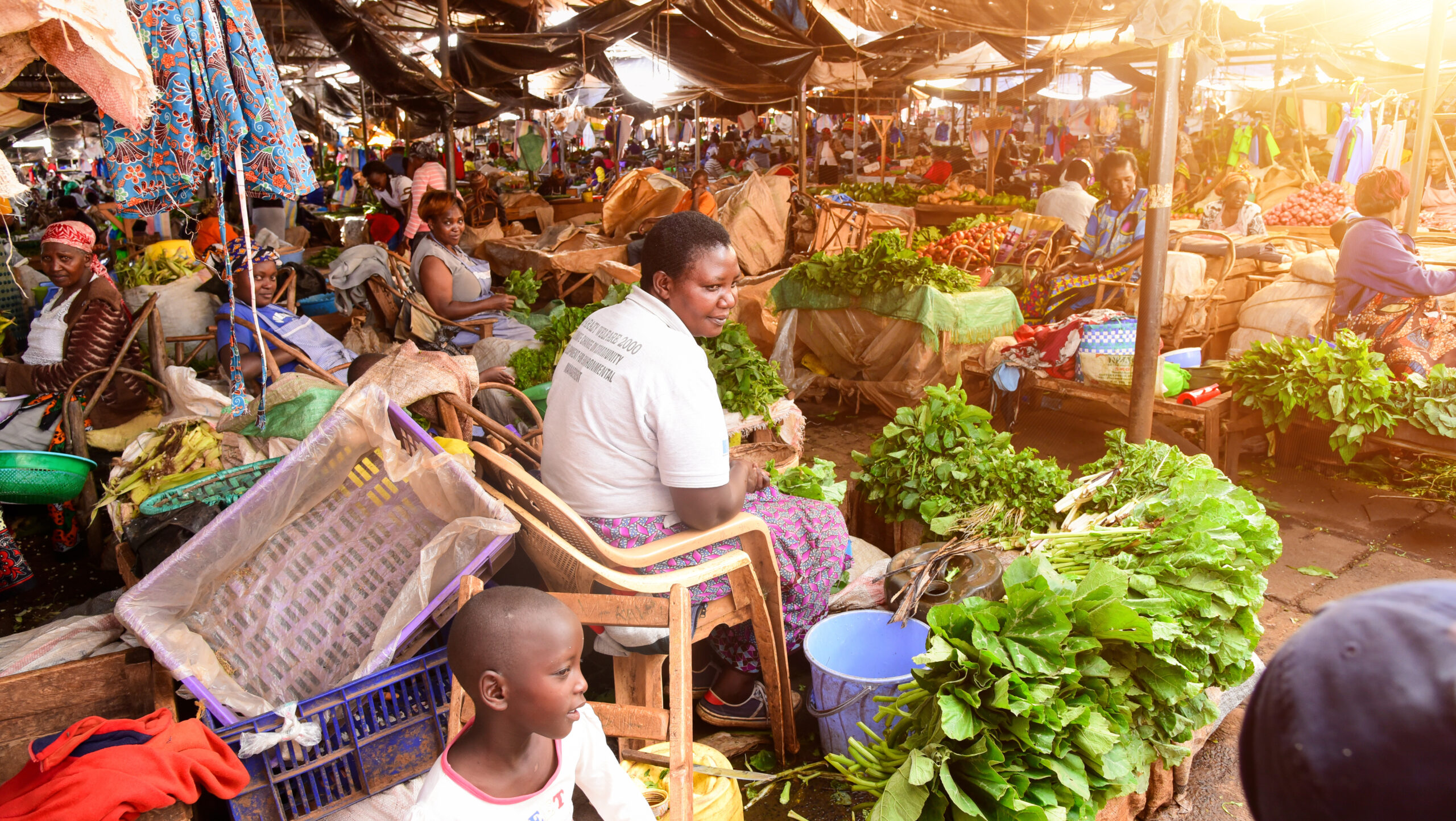
The cost of a tomato in Kenya cannot just be measured by the shillings reflected in the direct cost-based market price—it also reflects the costs associated with the land that gets eroded, the carbon emitted, the water and air that get polluted, the children that miss school, underpaid women’s labor, the harassment they endure in the fields, and the credit they are denied.
As a data point, in other words, a tomato’s market price does not account for all those hidden costs. In the quest to transform food systems, we often focus on what’s visible—i.e., measured by traditional methods: Crop yields, input costs, and market prices. But beneath the surface lies a complex web of social, economic, and ecological dynamics that shapes who benefits and who bears the burdens in food systems. These effects can be captured in true cost accounting (TCA), a framework that addresses the diverse costs and benefits of food production systems.
TCA offers a way to make the hidden costs visible. It systematically quantifies the full spectrum of costs associated with food production, extending beyond market transactions to environmental impacts (for example, soil erosion and greenhouse gas (GHG) emissions), social impacts (health and safety, wage gaps, child labor, gender discrimination, and harassment), and economic impacts (seeds and equipment used).
Yet traditional TCA approaches, while including social impacts, do not often focus on explicit gender analyses. A recent CGIAR Policy Brief focusing on a study in rural Kenya offers a compelling argument for why TCA frameworks must explicitly examine gender inequalities if we are serious about building sustainable, equitable, efficient, and resilient agrifood systems in sub-Saharan Africa.
The complex role of gender in food systems
Gender dynamics influence all agricultural production and act across value chains—they determine who bears environmental costs, how social impacts accumulate, and which economic efficiencies are realized. For instance, when women are excluded from planting or post-harvest decision-making, or lack access to storage technologies and credit, the impacts reach far beyond a narrow idea of “gender inequities”—they shape the workings of entire food systems.
Yet, these gendered dynamics are not specifically captured as “costs of gender inequities” in traditional TCA; instead, they surface as one among many types of “externalities” (unintended consequences of an action that impact others). This can obscure their root causes, as well as opportunities for intervention through targeted gender-responsive policies and investments.
Our research addresses this issue by applying a conceptual framework for TCA grounded on The Economics of Ecosystems and Biodiversity (TEEB) Agrifood Evaluation Framework—which incorporates assessments of environmental, economic, health, and social impacts—to Kenya’s small-scale cropping systems in selected sites. We found that external costs or externalities represent nearly one-third of total farm production costs, with social outweighing environmental costs by nearly three-to-one, and gender-based disparities contributing significantly to these hidden costs.
Gendered disparities: What do the data reveal?
Our TCA analysis, which draws on data from over 1,500 farm-households and around 1,000 farm workers across Kisumu, Kajiado, and Vihiga counties in Kenya, reveals stark differences in access to resources, labor dynamics, and economic outcomes between male- and female-managed plots:
- Plot size: Male-managed plots average 0.57 hectares, while female-managed ones average 0.42 hectares.
- Input use: Women invest 36% less in agricultural productivity-enhancing inputs than men, largely due to constrained access to credit, extension services, and land tenure.
- Asset ownership: On average, women own 29% of the agricultural assets of a typical farm, limiting their ability to scale production, adopt new technologies, and exercise economic agency.
- Labor and wages: Women farm managers tend to offer lower wages overall, and women workers not only earn less but also face elevated risks of workplace harassment. The gender wage gap alone contributes 13% to total external costs, while harassment adds another 11%.
These aren’t just social injustices—they also result in economic inefficiencies that undermine resilience and create a productivity gap that has significant costs to Kenya’s agricultural sector each year.
True cost accounting with a gender lens
When gender disparities go unaccounted for, policies don’t work as intended. TCA’s strength lies not in simply aggregating a larger set of costs but also in pinpointing externalities that can be addressed by good policy. In Kenya, this requires changes in policies and investments that increase gender inequities and reduce national GDP, food security, and nutrition. TCA helps us see the full picture, thus allowing the design of smarter and fairer interventions.
A TCA approach that quantifies these disparities helps to make the case for the economic imperative of gender equity. When women are excluded from decision-making, denied access to resources, or subjected to unsafe working conditions, our findings show, the entire food system suffers economically. Importantly, the analysis considers gender not as a standalone issue but embeds it within a broader diagnostic framework that links the full set of social costs to productivity outcomes, environmental sustainability, and human well-being. This integrated approach allows policymakers to see the full set of impacts of gender disparities.
Figure 1 shows the connected pathways through which gender disparities in agrifood systems cause economic costs and inefficiencies. The diagram outlines how basic inequalities in land access and asset ownership result in various forms of exclusion that can then be combined into larger externalities and quantified using TCA. For instance, land occupation (value of ecosystem services foregone through the displacement of natural ecosystems with alternative land uses) costs ($46 per household/year). Together, these items increase overall production costs, demonstrating how gender inequality leads to systemic external costs that create measurable financial burdens throughout agrifood systems.
Figure 1

Policy recommendations: From diagnosis to action
If we want food systems that nourish everyone, we need accounting systems that count everyone. We should start by embedding gender equity into every metric we use.
Our research offers a suite of policy recommendations to reduce gender-based external costs and improve overall system efficiency:
- Mandate wage parity and workplace safety protocols across crop sectors.
- Expand financial inclusion for women through targeted credit schemes and input subsidies.
- Reform land tenure systems to strengthen women’s rights and management capacity.
- Design gender-responsive extension services and promote labor-saving technologies.
- Establish monitoring systems that track changes in gender-related unintended consequences.
These aren’t just technical fixes—they are strategic investments in inclusive transformation that will require coordinated efforts among government, international development agencies, and advocacy groups. Success will be measured through systematic reductions in gender-based external costs and improved economic outcomes for women in Kenya’s agrifood systems.
Why this matters beyond Kenya
This isn’t just about Kenya. It’s a call to action for governments, donors, and researchers everywhere to rethink how we strategize and measure success in agriculture and development.
While our research focuses on Kenya, its implications are global. Across low- and middle-income countries, gender disparities in agrifood systems remain pervasive. Yet few analytical frameworks systematically account for these inequities. By demonstrating how gendered constraints translate into measurable economic costs, CGIAR’s work on TCA sets a precedent for integrating gender equity into the core of agricultural diagnostics.
For development practitioners, economists, and policymakers, the message is clear: If we want to build food systems that are truly environmentally sustainable and socially equitable, we must start by counting what matters—and that includes gender-based hidden costs.
Rui Benfica is a Senior Research Fellow with IFPRI’s Innovation Policy and Scaling (IPS) Unit based in Washington, DC; Baragu Geoffrey is an IPS Research Associate based in Nairobi, Kenya; Sedi-Anne Boukaka is an IPS Research Coordinator based in Nairobi; Kristin Davis is a Senior Research Fellow with IFPRI’s Natural Resources and Resilience Unit, based in Knysna, South Africa; Carlo Azzarri is an IPS Senior Resarch Fellow based in Rome; Carlo Fadda is Director of Agrobiodiversity at the Alliance of Bioversity International and CIAT; Martin Oulu is the Founder and Coordinator of the Intersectoral Forum on Agrobiodiversity and Agroecology (ISFAA), Nairobi; Céline Termote is Africa Team Leader, Food Environment and Consumer Behavior at Alliance Bioversity & CIAT. This post is based on research that is not yet peer-reviewed. Opinions are the authors’.
This work was supported by the CGIAR Initiative on Nature-Positive Solutions.
References:
Geoffrey, Baragu; Boukaka, Sedi-Anne; and Benfica, Rui. 2024. Assessing the gender dimensions in the true costs of food production in Kenya. CGIAR Initiative on Nature-Postitive Solutions Policy Brief. Washington, DC: International Food Policy Research Institute. https://hdl.handle.net/10568/172444
Benfica, Rui; Hossain, Marup; Davis, Kristin E.; Boukaka, Sedi-Anne; and Azzarri, Carlo. 2024. The true costs of food production in Kenya and Viet Nam. IFPRI Discussion Paper 2269. Washington, DC: International Food Policy Research Institute. https://hdl.handle.net/10568/152074