




Search IFPRI web
Filters
Found 7462 Results
-
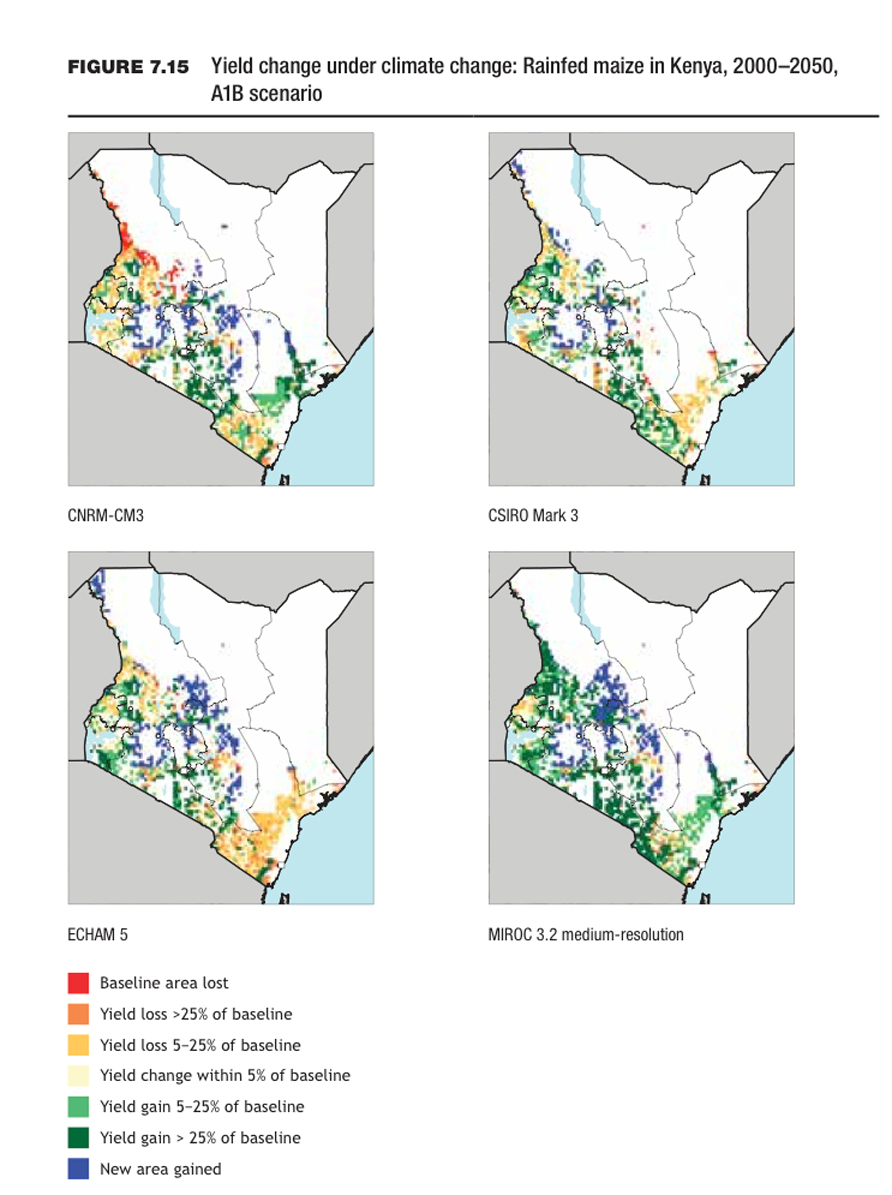
Based on what we know, can Kenya plan its climate future?
The following post was originally published on the CGIAR Research Program on Climate Change, Agriculture and Food Security’s News Blog Kenya appears to be booming. In the last decade, shiny office buildings have sprung up along the edges of equally shiny superhighways, offering new connections and untold promises to people in cities and rural areas. Every […]
-
2020 Conference on Building Resilience for Food and Nutrition Security
Developing countries, and the vulnerable people who inhabit them, are confronting a barrage of increasingly frequent and intense economic, environmental, and political shocks. There is an urgent need to predict and prepare for these shocks, as well as devise coping strategies to ensure resilient food systems, institutions, and policies at global, national, and community levels. […]
-
Riding out the storm
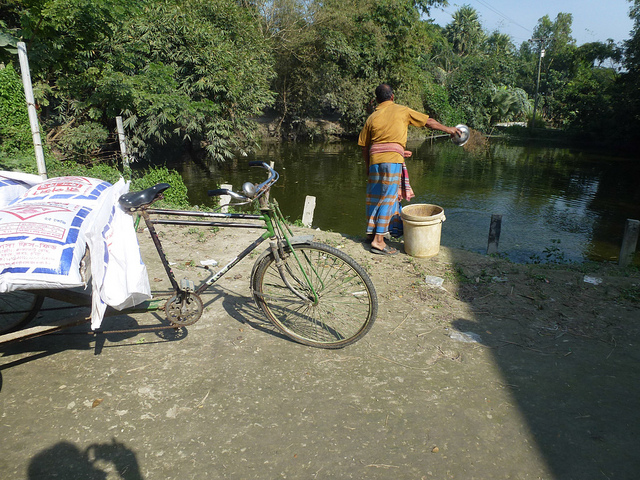
Although climate change is poised to deeply impact both developed and developing countries, a shifting climate poses a particularly pernicious threat to developing countries that may lack the resources to contend with the challenges it will bring, with far-reaching implications for economic development. Climate change is an especially troubling prospect for Bangladesh, a country both highly […]
-

The global welfare benefits of slashing the export tax
Taxes were on the minds of many as politicians descended upon St. Petersburg for the G20 summit last week, with financial transaction taxes, tax havens, and illicit financial flows featuring prominently on global agendas. In the realm of export taxes, which are taxes levied on goods sold abroad, recent IFPRIresearch suggests the abolition of those taxes could be […]
-
Why we should care about women’s right to land
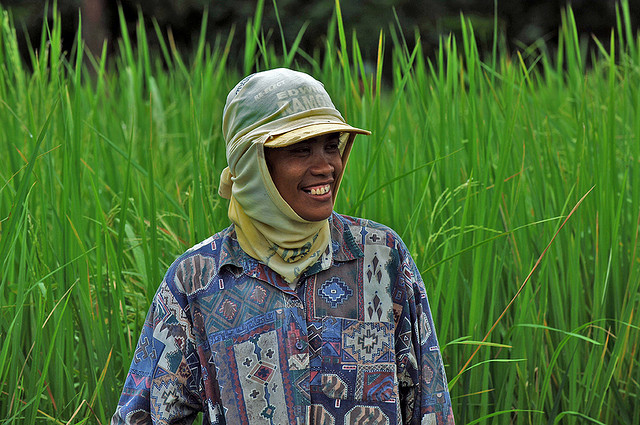
This blog story by IFPRI senior researcherAgnes Quisumbing was originally posted as part of the Devex Land Matters for Women campaign. Why do you care about women’s land rights? Isn’t it enough for the household to have land? This question is a common refrain heard from many corners of the developing world, but most disturbingly from policymakers and government officials. The answer, […]
-
Climate Change and Agriculture in Southern Africa
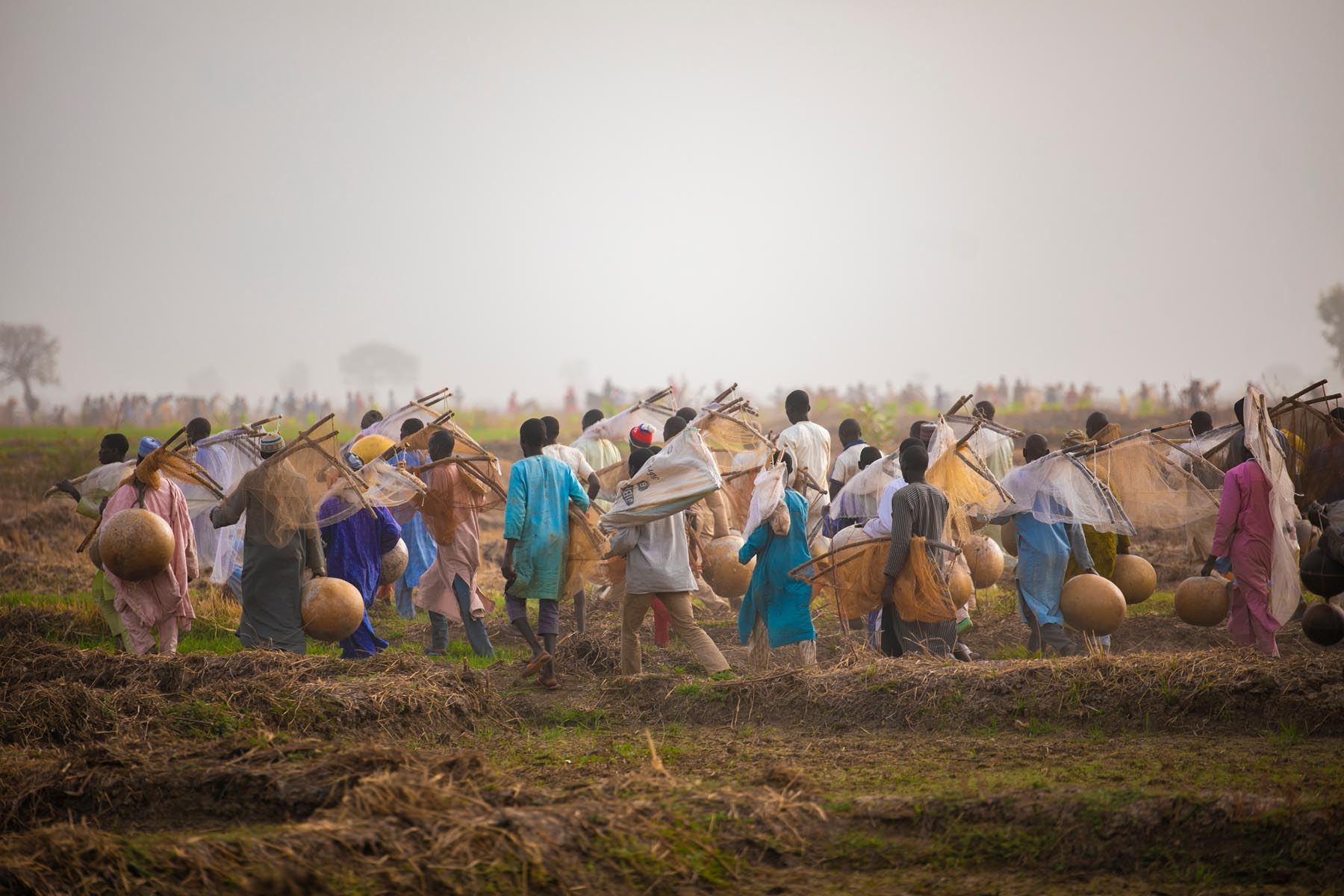
The southern region of Africa could be the hardest hit by rising temperatures from climate change, leaving many to wonder what this means for agriculture. Will some areas become unsuitable for farming? Will farmers face lower yields, or turn to new crops? Will climate change threaten food security? These are challenging questions for policymakers, who […]
-
Reducing micronutrient deficiency with biofortification
This blog story by IFPRI senior researchers Alan de Brauw and Dan Gilligan was originally posted on The Guardian’s Global Development Professionals Network. Micronutrient malnutrition is caused by a lack of vitamins and minerals in the diet. Poor people are particularly vulnerable to micronutrient malnutrition, as their diets consist mainly of grains and don’t include many vital fruits, vegetables or animal products. HarvestPlus as part […]
-
What’s really causing water scarcity in Africa south of the Sahara?
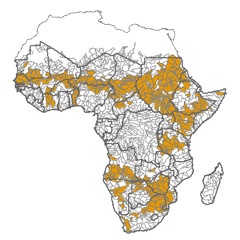
The theme of World Water Week 2013 (September 1-6) is “Water Cooperation: Building Partnerships.” Today, we highlight key research that looks at investment strategies for overcoming physical and economic limitations to water security. In Africa south of the Sahara, where agriculture is predominantly rainfed, farmers’ access to water is limited based on time (during droughts and dry […]
-
India’s National Food Security Bill and its Path Forward
The following article was originally published on the IFPRI South Asia website. India’s recently introduced National Food Security Bill (NFSB)—a flagship program that will provide long term sustainable food and nutritional security for the poor—was passed in the Lower house of the Parliament, Lok Sabha this week. Intending the bill to help about 67 percent of India’s […]
-
Growing biofuels: how to reap rewards
This blog story featuring commentary by IFPRISenior Research Fellow Siwa Msangi and other experts was originally posted on The Guardian’s Development Professionals Network. Meghan Sapp, secretary general, Pangea, Brussels, Belgium. @pangea_link Don’t expect immediate benefits from biofuels investments, they take a while to show. Biofuels can have great impacts, but they aren’t immediate. That’s especially true where infrastructure is weak and investments must start from […]
-
Ladybeetles: Cotton’s secret ingredient
This post is part of the CGIAR Research Program on Water, Land and Ecosystems (WLE) month-long series of blog stories on Ecosystem Services. Diversity in land use can support ecosystem services such as biological pest control and reduce the need for insecticides. Evidence to support this has been found in North America, Europe and Australia, but very limited […]
-
Breeding Health: Scientists Deploy Iron-Rich Pearl Millet Against Malnutrition
HarvestPlus is coordinated by IFPRI and theInternational Center for Tropical Agriculture. Iron deficiency affects nearly one quarter of the world’s population, exacting the heaviest overall toll in terms of ill-health, premature death and lost earning, and constituting “a public health condition of epidemic proportions,” according to the World Health Organization. If the situation seems irredeemably grim, the […]
-
Arab Spatial’s First Six Months
IFPRI Senior Research Analyst Perrihan Al-Riffai discusses the progress and promise of Arab Spatial, an open-access database and interactive mapping tool she helped design that houses and geographically displays data on more than 150 indicators of development in the Middle East and North Africa. Q: What makes Arab Spatial unique?A: It’s the first tool of its kind […]
-
Pool Rules
When a natural disaster strikes, it takes its toll in lives, homes, and entire cities. What’s more, the costs of reconstruction are not strictly financial—it can also drain other resources geared toward long-term development outcomes such as capacity building, and food and nutrition security. Despite the outpouring of financial aid that often follows major catastrophes, […]
-
Myths and Realities of Child Nutrition
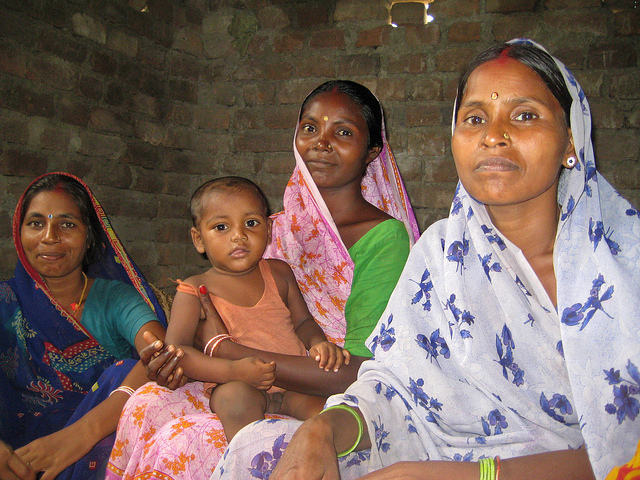
In his August 2013 article featured in Economic and Political Weekly, Myths and Realities of Child Nutrition, IFPRI Senior Research Fellow Stuart Gillespie takes on economist Arvind Panagariya on the topic of child malnutrition. In a recent article, Panagariya argued that India’s malnutrition statistics are subject to manipulation as a political tool by opponents of the country’s economic reforms, suggesting that […]
-
A little seed goes a long way
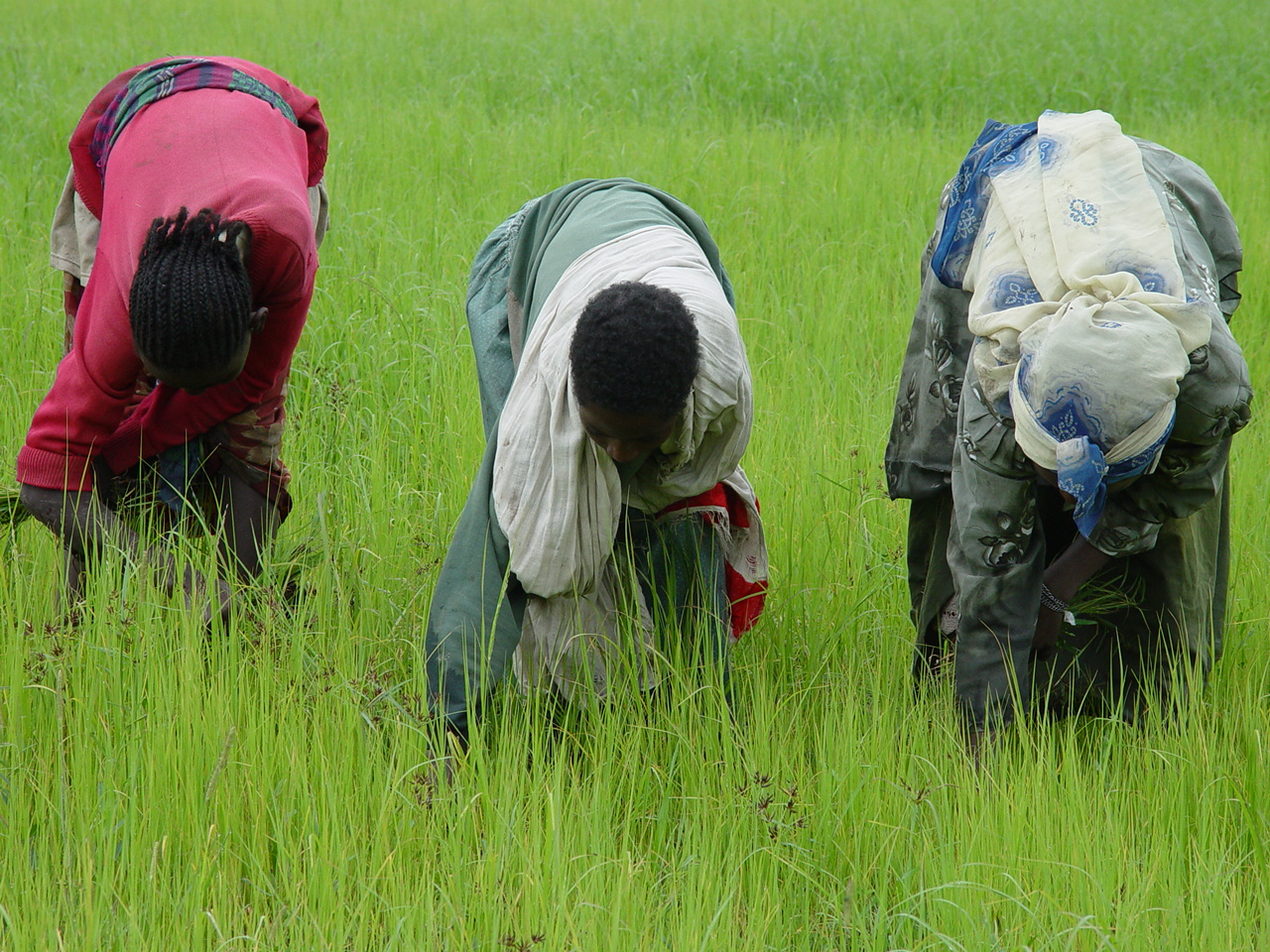
65 percent of Ethiopia’s 85 million people get their “daily bread and livelihood” from Tef
-
A Gathering of Scholars and PowerPoints
Dena Leibman is Head of Outreach at IFPRI Every year, the annual AAEA meeting pulls agricultural economic researchers out of their offices, graduate-student cubicles, classrooms, and remote field stations around world to put their work on display for discussion and deeper analysis. This year’s meeting was held in myriad small meeting rooms off the labyrinthine […]
-
Helping smallholders hedge their bets
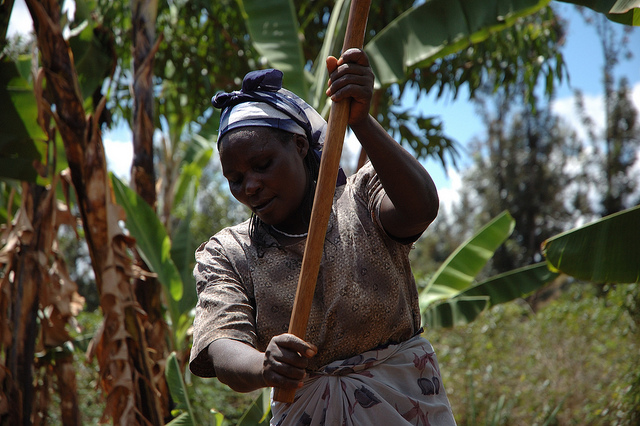
How can agriculture innovate to meet the needs of a rapidly expanding global population, projected to reach 9 billion by 2050? In December 2012, Oxfam sought to answer that question by inviting 23 experts from 16 countries to participate in the Future of Agriculture global online policy discussion forum, presenting diverse view points and inspired ideas […]
-
A slowdown in the growth of the Dragon?
Antoine Bouet is an IFPRI Senior Research Fellow. After decades of strong growth, is China’s economy starting to show signs of a slowdown? And, if so, what would this mean for the country’s national poverty reduction campaign and for the global economy as a whole? These questions took center stage in the opening plenary session of […]
-
Transforming smallholder farms
Policy options to help potentially profitable smallholders