





Manmeet Ajmani
Senior Research Analyst, Foresight
and Policy Modeling

Back
With research staff from more than 70 countries, and offices across the globe, IFPRI provides research-based policy solutions to sustainably reduce poverty and end hunger and malnutrition in developing countries.

researcher spotlight
Lily Bliznashka is a Research Fellow in the Nutrition, Diets, and Health Unit. Her research focuses on assessing the effectiveness of multi-input nutrition-sensitive and nutrition-specific interventions and the mechanisms through which they work to improve maternal and child health and nutrition globally. She has worked in Burkina Faso, Burundi, Tanzania, and Uganda.

Back
Since 1975, IFPRI’s research has been informing policies and development programs to improve food security, nutrition, and livelihoods around the world.

Back
IFPRI currently has more than 480 employees working in over 70 countries with a wide range of local, national, and international partners.

In today’s global economy, international agricultural trade plays an increasingly important role in ensuring food security. But domestic and international policies as well as administrative restrictions can hinder trade flows between domestic and foreign markets and producers. Policies to achieve domestic objectives in one country can affect trade flows in ways that lead to indirect effects in other countries.
IFPRI’s research informs the design of domestic and international trade policies in developing countries, as well as regional and global negotiations to promote an inclusive and efficient international trade system. This includes work on the impact of tariffs, quotas, and nontariff barriers as well as market-distorting food safety and environmental regulations, export bans aimed at food security, and agricultural support payments.
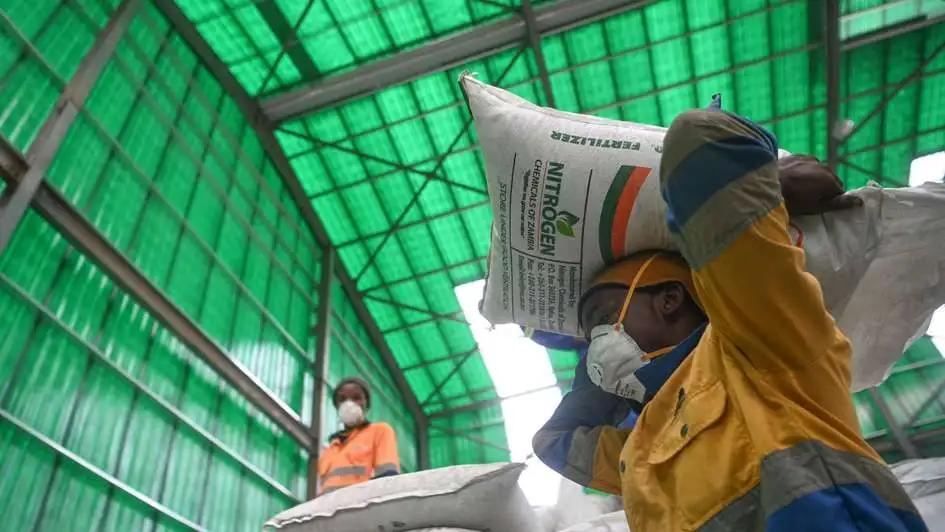
IFPRI partners with institutions to strengthen developing countries’ capacities to do their own research and independently develop long-term, sustainable trade policies that help to eradicate poverty and support food security. To support rapid responses to market disruptions, IFPRI maintains the Food Security Portal, which provides early warning on international price changes and restrictive trade policies.
IFPRI’s research on this topic is closely aligned with the Sustainable Development Goals (SDGs), including SDG1, SDG2, SDG16, and SDG17, and contributes to the CGIAR Impact Areas on Nutrition, Health, and Food Security and Poverty Reduction, Livelihoods, and Jobs.


Book Chapter

Book Chapter

Working Paper

Modeling converging economic impacts.

Making milk quality visible improves standards, but real gains require price incentives and competition on quality downstream.

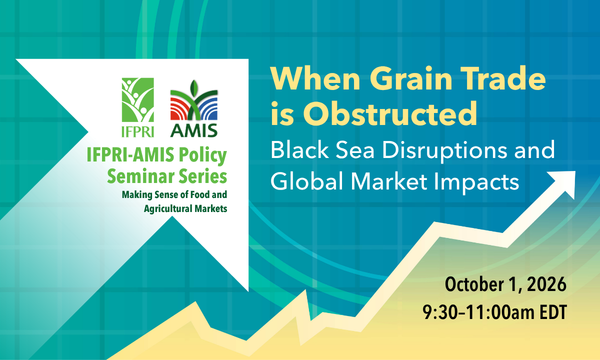
Please type your questions into the chat box with name, affiliation, and country. The event video, presenter slides, and podcast will be available in the days following the event. International trade provides critical access to food, especially for countries that cannot cost-effectively produce enough domestically. If importing food is cheaper, why do so many countries […]

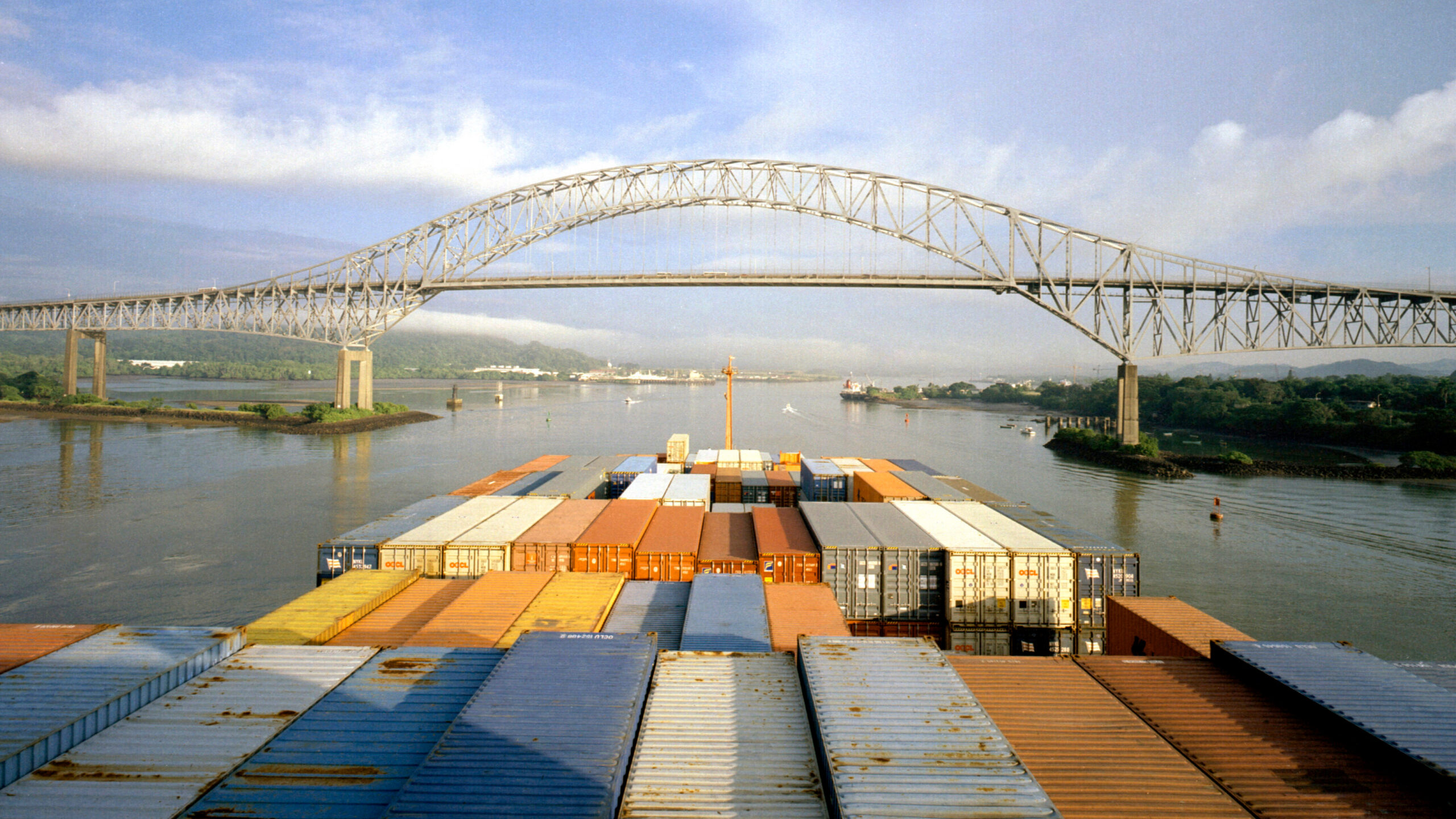
Shipping is at the heart of global agricultural trade, with more than 80 percent of staple crops and oilseeds moving by sea, yet maritime routes have become increasingly uncertain. Attacks on vessels in strategic corridors, drought‑restricted passages, and sharply rising war‑risk insurance premiums have created levels of exposure not seen in years. Bulk agricultural cargoes […]

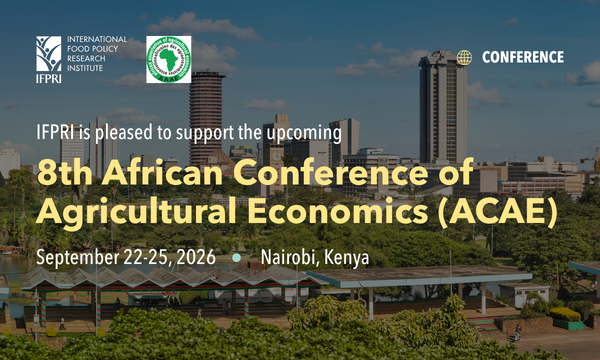
AKADEMIYA2063 and the International Food Policy Research Institute (IFPRI), in partnership with AGRA, are convening a hybrid launch event to unveil and discuss the findings of the Africa Agriculture Trade Monitor (AATM) 2025. This annual publication monitors and highlights trends in African agrifood trade, including intra-African trade, the continent’s participation in global trade, insights into […]
Avinash Kishore, IFPRI senior research fellow in New Delhi, was interviewed for the Al Jazeera’s “Inside Story” program on the Iran war risks to global food security.
Foreign Policy quotes IFPRI’s Joseph Glauber who notes that energy inputs are built into food costs at nearly every step, from production and processing through transportation and retail.
In a World Health Day feature on nutrition and global trade, Nutrition Insight highlights analysis from IFPRI’s Purnima Menon on how global trade disruptions, conflicts, and economic shocks affect food affordability, diet diversity, and nutrition security.

Senior Research Analyst, Foresight
and Policy Modeling

Research Fellow Emeritus , Director
General's Office (DGO)

Research Fellow Emeritus, Director
General's Office (DGO)

Research Analyst, Development
Strategies and Governance

Senior Research Fellow, Development
Strategies and Governance

Scaling Specialist, Innovation
Policy and Scaling

Program Head, Development
Strategies and Governance

Program Manager, Markets,
Trade, and Institutions

Nonresident Senior Fellow, Markets,
Trade, and Institutions

Visiting Senior Research Fellow, Director
General's Office (DGO)

Nonresident Senior Fellow, Markets,
Trade, and Institutions

Director of Communications and Public Affairs, Communications
and Public Affairs (CPA)