


Key takeaways
- Extreme heat is threatening urban livelihoods. Food vendors and other informal workers in cities like Dhaka face growing health and income risks as temperatures rise.
- A new financing model aims to build resilience. The IFPRI and Shakti Foundation project will help food vendors purchase cooling technologies and defer loan repayments during extreme heat events.
- Innovative finance can support climate adaptation. The initiative will test whether flexible financial products can help vulnerable workers protect their businesses and incomes while reducing lender risk.
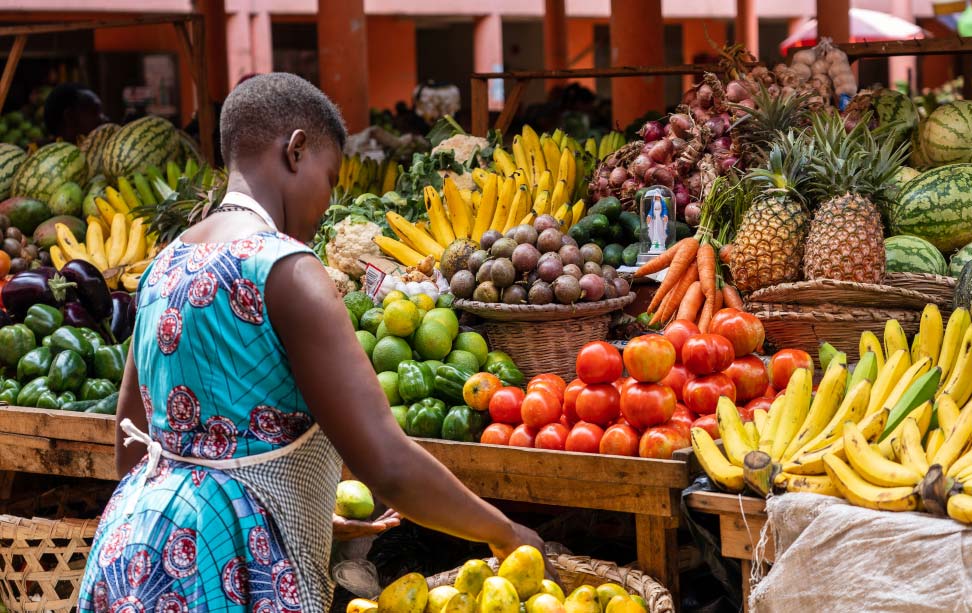
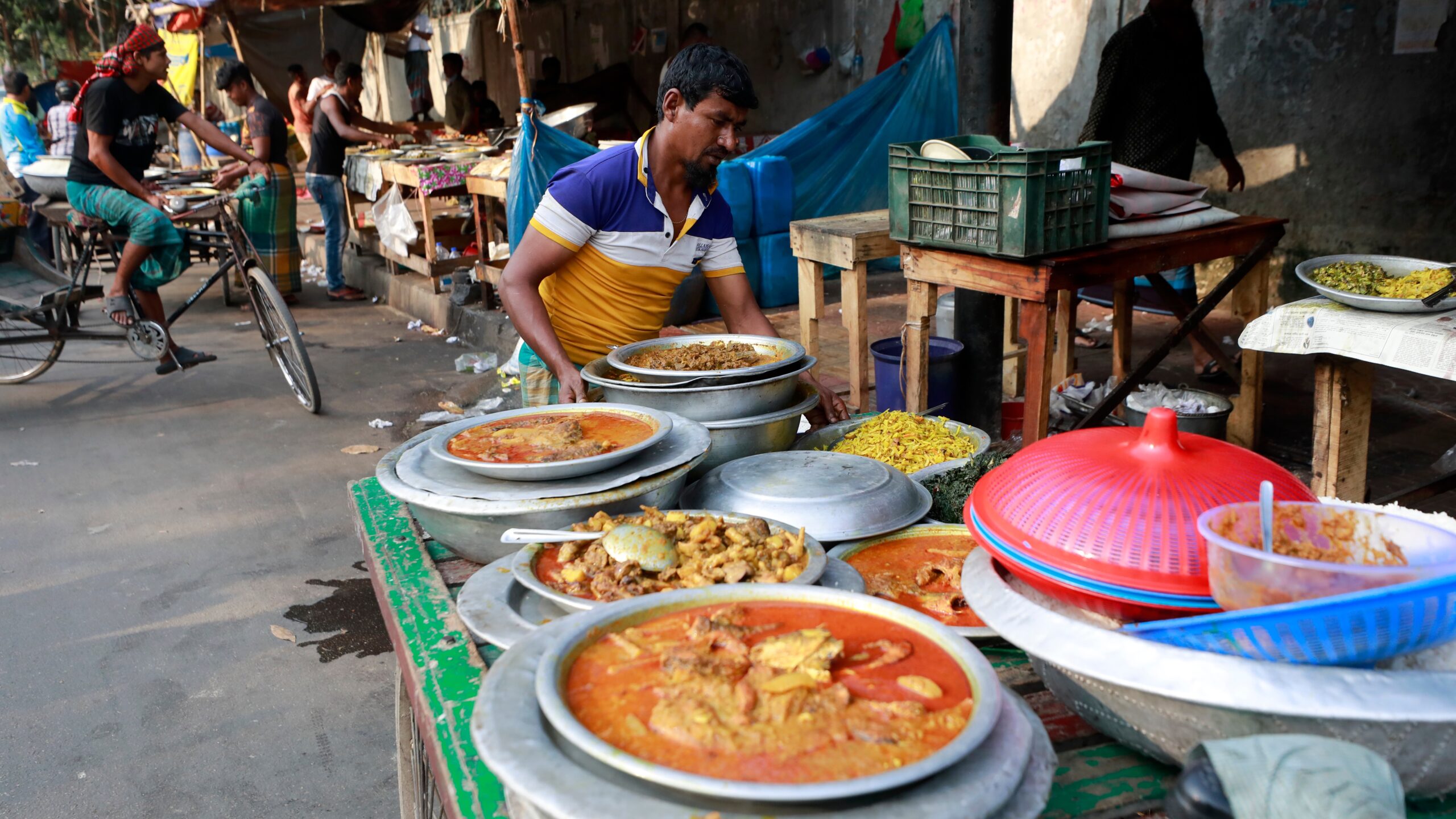
On a recent visit to Dhaka, Bangladesh, some colleagues and I visited food vendors as part of ongoing market research to understand their operations and demand for financial products. It was very hot, with temperatures around 35 degrees Celsius. We were lucky to stand in the shade under some trees, but this is not the norm across the city. Vendors may have little more than an umbrella or tarp to provide shade, or they may be pushing a loaded vegetable cart down the street with no protection at all.
Meanwhile, perishable food may sit out all day, with no way to keep it properly hot or cold, a public health threat. Heat waves can push these already hot temperatures above 40 degrees with high levels of humidity, but there are limited resources in place to respond to heat-related emergencies. Rising average temperatures mean these conditions will only get worse in a megacity with one of the largest populations exposed to extreme heat in the world—including a significant population of vulnerable informal workers.
Together with my IFPRI colleagues Mehrab Bakhtiar and Carly Trachtman, I am delighted to be one of the grantees of the first wave of grants from the ClimateWorks Foundation’s Adaptation and Resilience Fund on solutions for extreme heat in urban areas. In partnership with the Shakti Foundation for Disadvantaged Women, we are developing a product that will allow food vendors in Dhaka to finance technologies such as refrigerators, cooling boxes, and batteries to power their carts. The product will feature a parametric heat index based repayment system that allows borrowers to defer repayments during periods of extreme heat.
World Cities Day 2026
On World Cities Day (October 31), it’s illuminating to reflect on the importance of devising creative solutions to the unique challenges that extreme heat poses for urban livelihoods. Buildings, pavement, and a lack of vegetation mean that temperatures in cities are warmer than in rural areas. Metal roofs, lack of air conditioning, and poor ventilation can mean that indoor temperatures offer little relief. Typical jobs like construction, street or market vending, transport, and factory work are particularly exposed. Workers may see business fall and/or risk their health to work in unsafe conditions during periods of extreme heat.
At the Global Heat Forum in Bangkok October 6-9, I had the privilege of attending a meeting of A&R Fund grantees and learning about their work. One of the fund’s four pillars is unlocking innovative finance that can enable adaptation investments. Finance-related projects include products like loans for adaptive housing retrofits, bonds for climate-resilient water infrastructure, and financial products for adaptive technologies combined with climate-risk assessments. Several other projects focus on the development of parametric heat insurance, designed to protect the livelihoods of urban workers during extreme heat events.
The repayment flexibility built into our project will allow borrowers protection against the risk of reduced income during heat events, without increasing the risk of default for the lender. While workers in many sectors face risks from extreme heat, grounding this project in the food system recognizes the unique challenges extreme heat presents for this sector. Food spoilage due to heat compounds the income risk that food vendors already face, while also putting consumers at risk of consuming unsafe food. The development and implementation of this project will be accompanied by an evaluation to determine the demand for and impact of the product and the best possible design of its components.
Broader challenges of extreme heat
At the Global Heat Forum, more than 600 participants gathered to learn about the growing threat of extreme heat and build a roadmap for coordinated action. I left with valuable new perspectives on this global challenge.
Interacting with practitioners, activists, and scientists across disciplines put the grave health challenges of extreme heat into focus. Solutions like government heat action plans, low cost heat-reducing building strategies for homes and schools, development of innovative cooling technologies, and many others are key components of protecting the most vulnerable from the health risks of extreme heat.
However, as an economist with expertise in financing for food systems I was especially drawn to the discussions, with ClimateWorks grantees and many other organizations, about how we can unlock capital, both public and private, to finance the development of not only these adaptive technologies to protect health, but also solutions to support fragile livelihoods for workers whose incomes suffer as temperatures rise. Over the next two years, my colleagues and I look forward to working with our partners to contribute to the growing body of adaptive solutions designed for vulnerable urban residents.
Kate Ambler is a Senior Research Fellow with IFPRI’s Markets, Trade, and Institutions Unit. Opinions are the author’s.