


Key takeaways
- A new IFPRI book explores how conflict has disrupted Sudan’s agrifood system. Research shows how war has reduced agricultural production, disrupted markets, and undermined food security and livelihoods across the country.
- Armed actors shape Sudan’s agrifood system. Their influence on markets, resources, and value chains has important implications for recovery and private sector development.
- Timely humanitarian assistance remains essential. Aid delays and funding cuts worsen food security, increase stress, and undermine the resilience of displaced households.
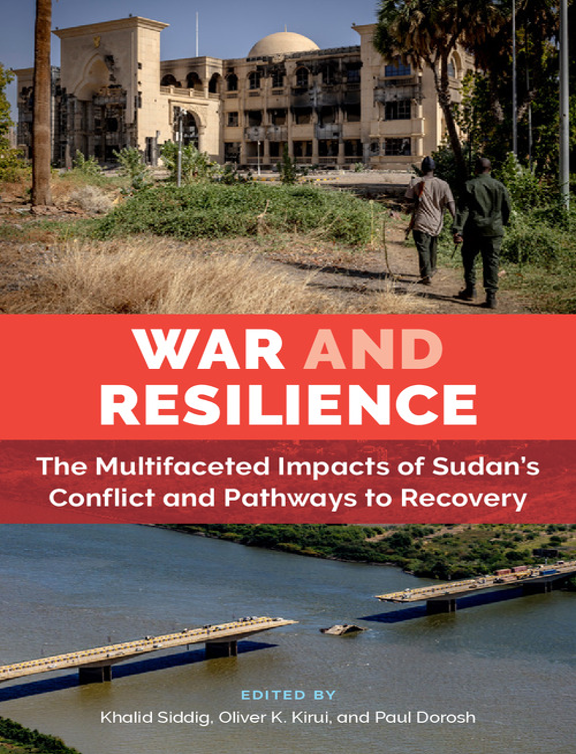
Sudan represents one of the most severe and rapidly evolving agrifood system crises globally. Since the outbreak of conflict in April 2023 between the Sudan Armed Forces (SAF) and the Rapid Support Forces (RSF), widespread displacement, market disruptions, declining agricultural production, and institutional collapse have fundamentally reshaped livelihoods, food systems, and human capital.
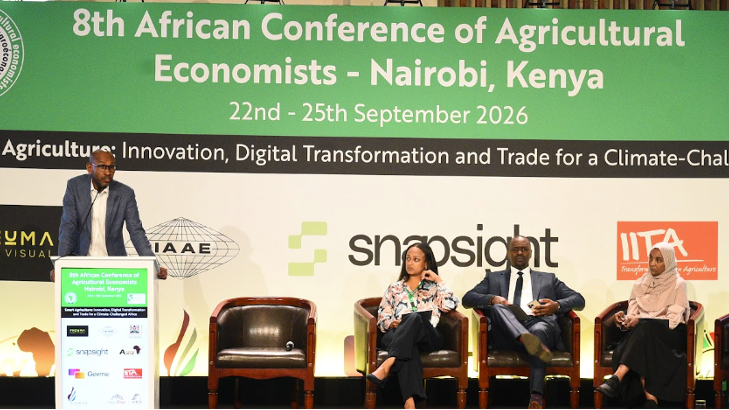
These challenges were the topic of a session presented by researchers with IFPRI-Sudan at the 8th African Conference of Agricultural Economists (ACAE), on September 25th, in Nairobi, Kenya. IFPRI researchers showcased findings from the newly launched book War and Resilience: The Multifaceted Impacts of Sudan’s Conflict and Pathways to Recovery.
The conference, with the theme “Smart Agriculture: Innovation, Digital Transformation, and Trade for a Climate-Challenged Africa,” was organized by the African Association of Agricultural Economists (AAAE) in collaboration with IFPRI. It explored how new technologies, evidence-based policies, and regional partnerships can transform African food systems as climate pressures grow.
Evidence for agrifood system resilience and recovery in Sudan
The IFPRI Sudan team, led by Khalid Siddig, Senior Research Fellow and Country Program Leader for Sudan and Kenya, addressed the economic and political drivers of conflict, how armed actors are involved in the agrifood system, and how conflict affects interconnected economic, market, and household systems, creating far-reaching consequences for food security, livelihoods, and welfare.
Recovery cannot be viewed as a post-conflict agenda alone. Rather, the session stressed that recovery efforts must begin even under continued instability, requiring simultaneous investments in household welfare, economic recovery, and peacebuilding.
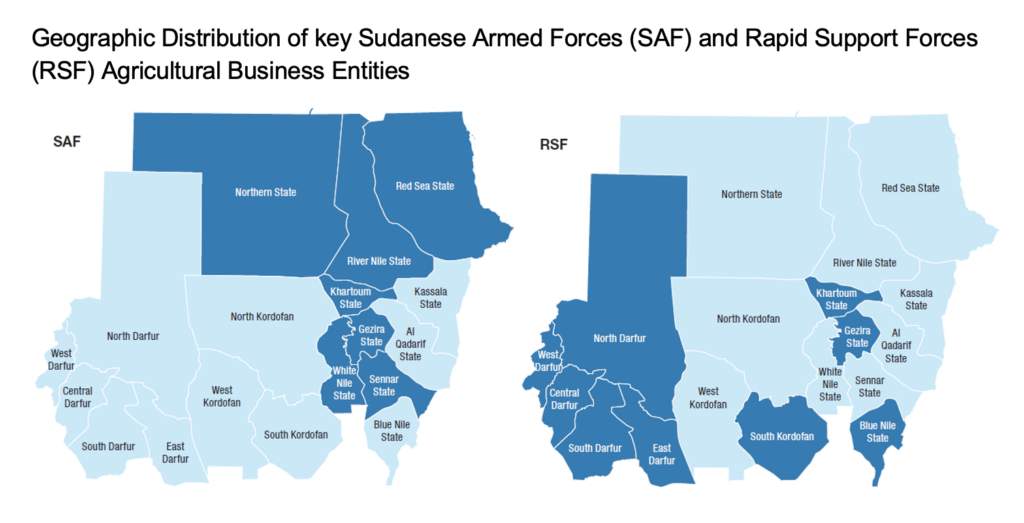
Hala Abushama, IFPRI Research Analyst, addressed the role of armed actors in Sudan’s agrifood system (Figure 1). Economic activities and control over agricultural value chains have become intertwined with military and political interests, extensive qualitative evidence shows. Armed actors influence markets, access to resources, and value chain development through different mechanisms and across different regions. Understanding these incentives and market dynamics is key to designing effective recovery policies, reducing market distortions, and creating enabling environment for a stronger private sector to contribute to economic recovery, she said.
Figure 1
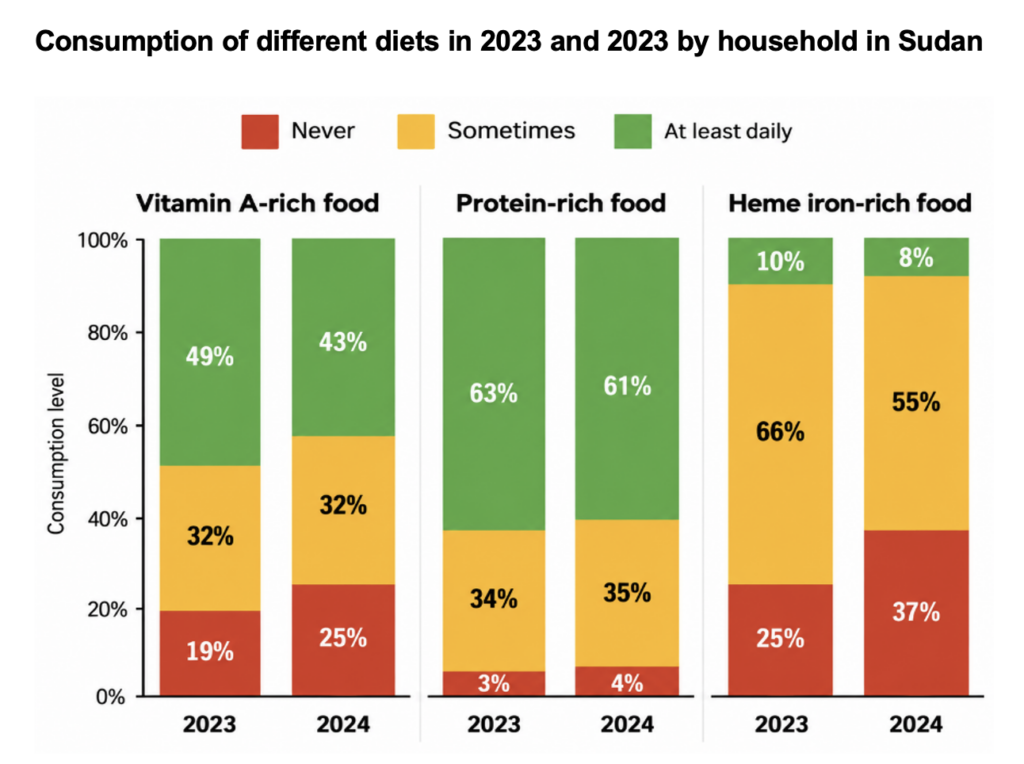
Oliver Kirui, Research Fellow and Nigeria Country Program Leader, examined how the conflict has reshaped food consumption and nutrition outcomes across Sudan. The findings paint a concerning picture of worsening food insecurity, declining dietary diversity, and deteriorating nutritional outcomes, particularly in conflict-affected states of the country (Figure 2). Women and female-headed households bear a disproportionate burden, while declining access to nutrient-rich foods and reduced household food production capacity have compounded nutritional risks.
Figure 2
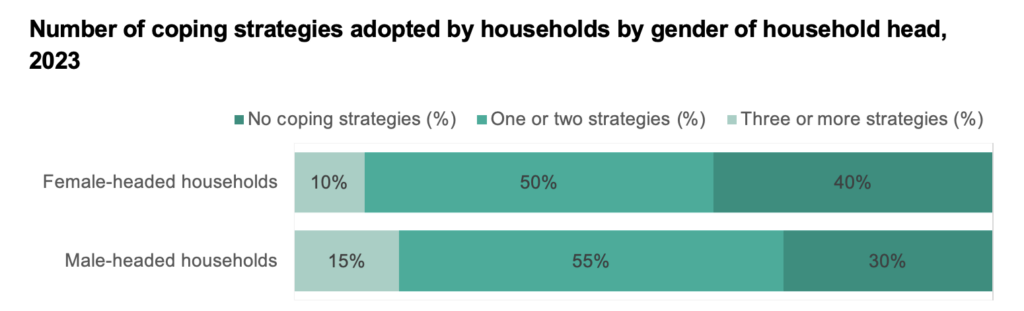
Research Analyst Shima Mohamed highlighted evidence on how Sudanese households are coping with the multiple shocks generated by the conflict.
Nationally representative rural and urban household survey data show a wide range of household coping alternatives, including reducing food consumption, shifting to lower-cost foods, selling assets, relying on remittances, and drawing on community support networks. The findings indicate that women-headed households, displaced populations, informal workers, and poorer households face the greatest challenges in managing conflict-related shocks as measured by the number of coping strategies rural households in Sudan were forced to adopt (Figure 3).
Figure 3
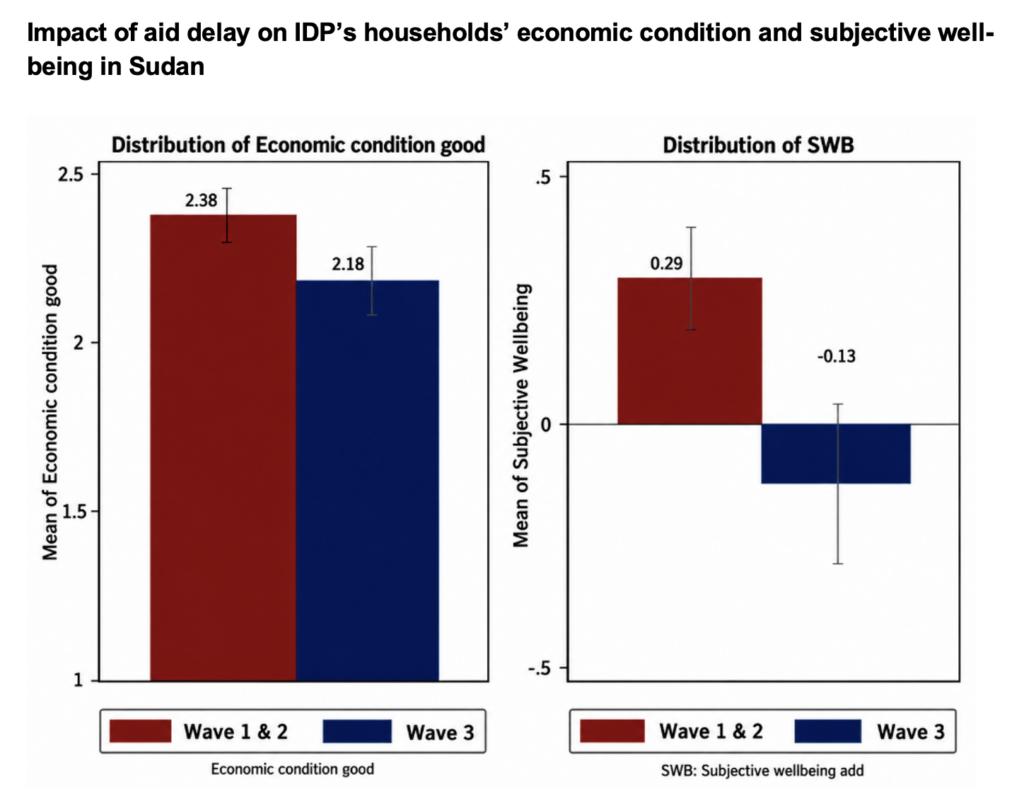
Humanitarian aid delays and funding cuts on internally displaced persons (IDPs) in Sudan are associated with worsening food security, lower dietary diversity, increased stress, and reduced subjective well-being (Figure 4), Senior Research Fellow Kibrom Abay observed in his presentation.
Beyond material deprivation, he said, there are broader social and psychological consequences of aid disruptions, including weakened social networks and diminished perceptions of control over one’s future.
Figure 4
Taken together, our presentations underscored the value of timely evidence generation in conflict settings and the importance of understanding how conflict affects economies, markets, and households simultaneously. They also reinforced a broader message that resonated throughout the conference: addressing today’s challenges requires moving beyond crisis response toward strategies that strengthen resilience, support recovery, and enable long-term transformation. For Sudan, as for many other countries facing complex and overlapping shocks, evidence-based policies and sustained investments will be critical for building more resilient and inclusive agrifood systems.
Shima Mohamed is a Research Analyst in IFPRI’s Development Strategy and Governance (DSG) Unit, based in Cairo; Egypt. Hala Abushama is a Research Analyst in IFPRI’s DSG Unit, based in Cairo’ Egypt; Khalid Siddig is Senior Research Fellow in IFPRI’s DSG Unit and the Leader of IFPRI’s Sudan and Kenya Country Programs, based in Nairobi, Kenya and an Associate Professor at Khartoum University, Sudan. Opinions are the authors’.
This work was supported by the CGIAR Science Programs on Food Frontiers and Security and Policy Innovations.
Reference:
Siddig, Khalid; Kirui, Oliver K.; and Dorosh, Paul A. 2026. War and resilience: The multifaceted impacts of Sudan’s conflict and pathways to recovery. Washington, DC: International Food Policy Research Institute. https://hdl.handle.net/10568/179201