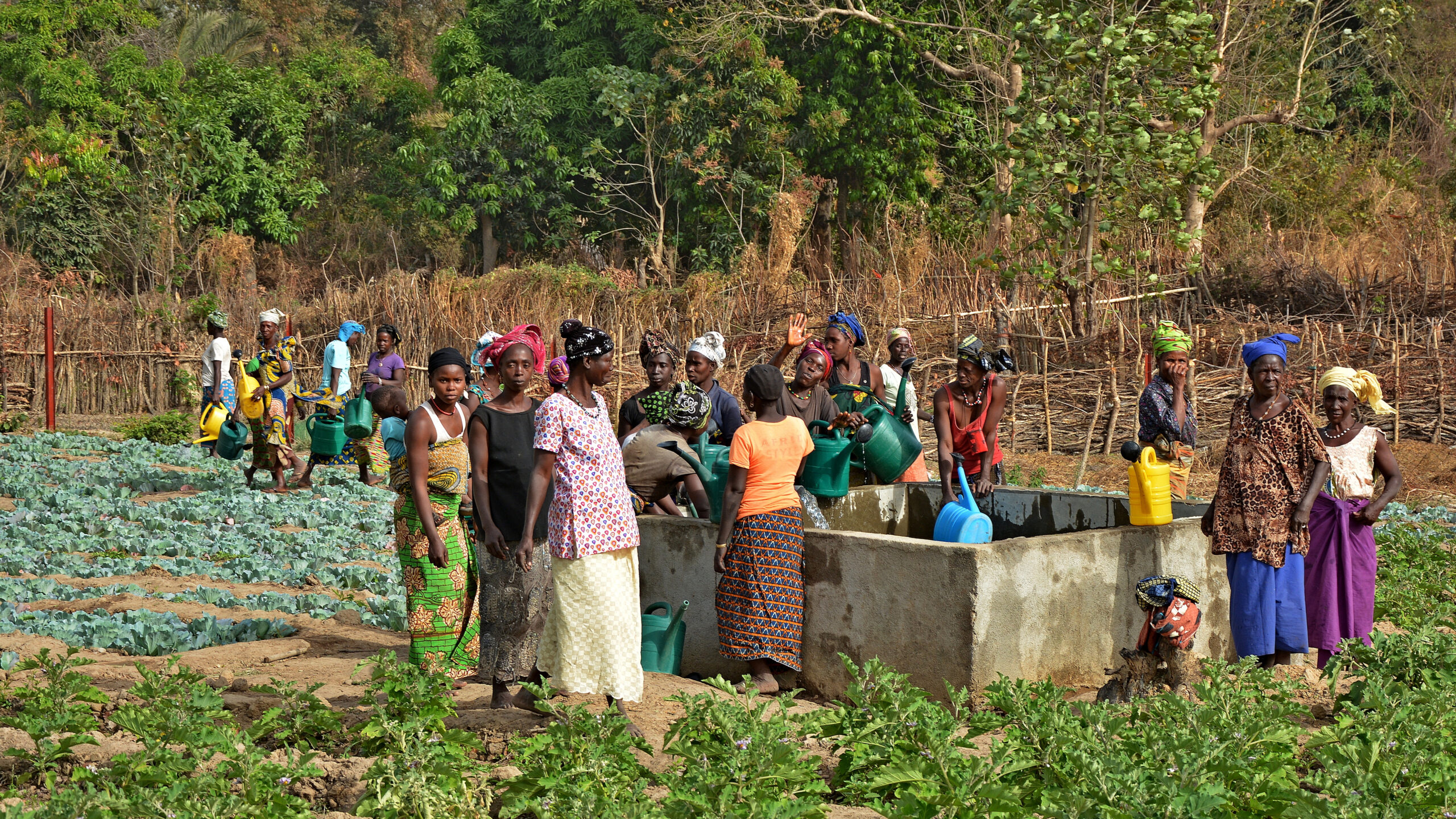






Farming today contributes to and is affected by the triple planetary crises of climate change, pollution, and biodiversity loss. Smallholders often lack incentives and technical support to adopt farming practices that can help them adapt to these challenges, improving their agroecosystem productivity and climate resilience while contributing to public goods, such as biodiversity and climate regulation. Regenerative agriculture is a set of principles and practices focused on healthy soils and biodiversity, to make farming more resilient and climate-friendly while maintaining and enhancing profitability.
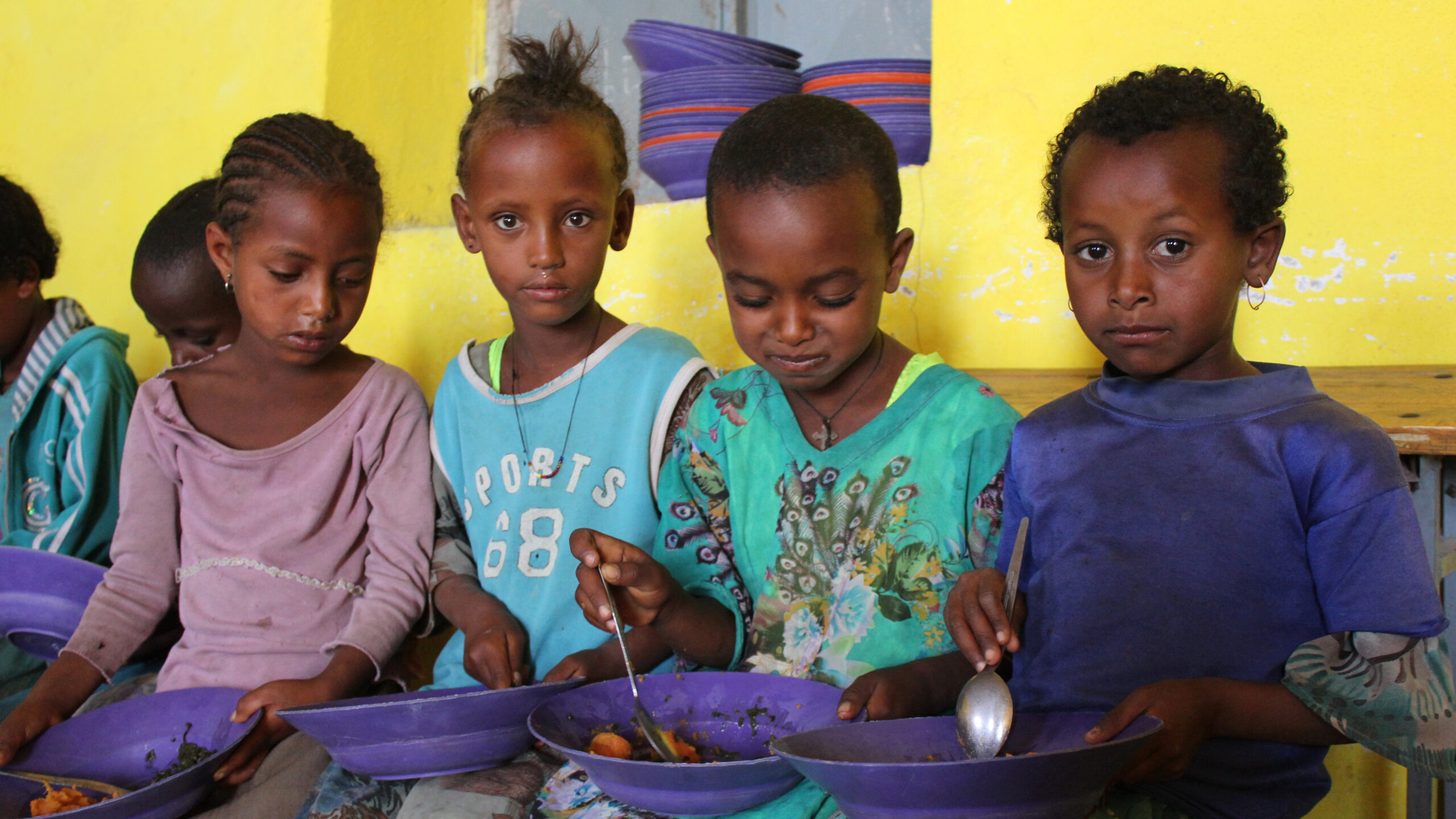
School meal programs are ubiquitous, reaching at least 466 million children globally each school day. Governments invest over $67 billion every year in school meals, mainly to support children’s nutrition, health, and education outcomes. Cost is a major factor informing the design of school meal programs in low- and middle-income countries—with governments often favoring procurement at the lowest cost. Yet prioritizing the lowest-cost food can have negative impacts—for example, harming the environment or children’s health.
However, homegrown school feeding programs are increasingly gaining momentum, providing an opportunity for sourcing of food to mitigate the effects of climate change while sustaining the food system. Programs that procure locally-sourced products and foods produced organically, sustainably, or using climate-friendly practices offer promising means of generating broader environmental, social, and economic benefit streams that reach beyond children and the classroom to local communities and to larger agroecosystems.
The question is, how can we better link regenerative agriculture with school meal programs to achieve these broader benefit streams? In this post, we summarize preliminary findings from a systematic review of 112 studies on school meals and regenerative agriculture led by IFPRI researchers and presented at an event—Nourishing the Future through Regenerative School Meals—sponsored by the Rockefeller Foundation at the United Nations Food Systems Summit +4 Stocktake in Addis Ababa, Ethiopia, in July.
Beyond the classroom
Policymakers are increasingly interested in linking school meal programs with broader agricultural and livelihood improvements. The Global Child Nutrition Foundation’s 2024 Survey of School Meal Programs found that 93 of 143 countries surveyed listed broad agricultural outcomes as an objective of their programs, 79 aimed to support smallholder farmers, and 41 targeted climate-friendly foods.
This suggests that school meal programs can serve as powerful leverage for food system transformation through promoting environmentally and socially sustainable farming approaches. However, achieving these broader goals takes time and resources: Regenerative practices are more labor-intensive, take longer to yield financial benefits, require access to finance and technical skills, and, if not well developed, could lead to deforestation—as farmers use less intensive practices, farmland may expand to compensate for reduced productivity.
On the other hand, when designed to include sustainability goals, evidence suggests that procurement programs for school meals can provide reliable market access for sustainably produced, safe, and nutritious food—helping to fill a gap that many smallholders face and encouraging the adoption of sustainable agricultural practices.
Linkages between school meals, farmer livelihoods, and environmental health
IFPRI’s systematic literature review found an array of benefits:
- School meal programs can incentivize organic and agroecological production, with increases in on-farm agrobiodiversity. In Brazil, farmers participating in the National School Feeding Program (PNAE) were incentivized to transition to agroecological practices. The program can also offer a 30%-price premium for certified organic and agroecological produce (if budgeted), further incentivizing these practices. Overall, those costs should be weighed against potential benefits such as improved public health and reduced environmental degradation. For example, in Brazil, farms of PNAE participants had higher agrobiodiversity than those of non-participants. PNAE farms cultivated an average of approximately 22 species of food crops and livestock compared to approximately 17.5 on non-PNAE farms.
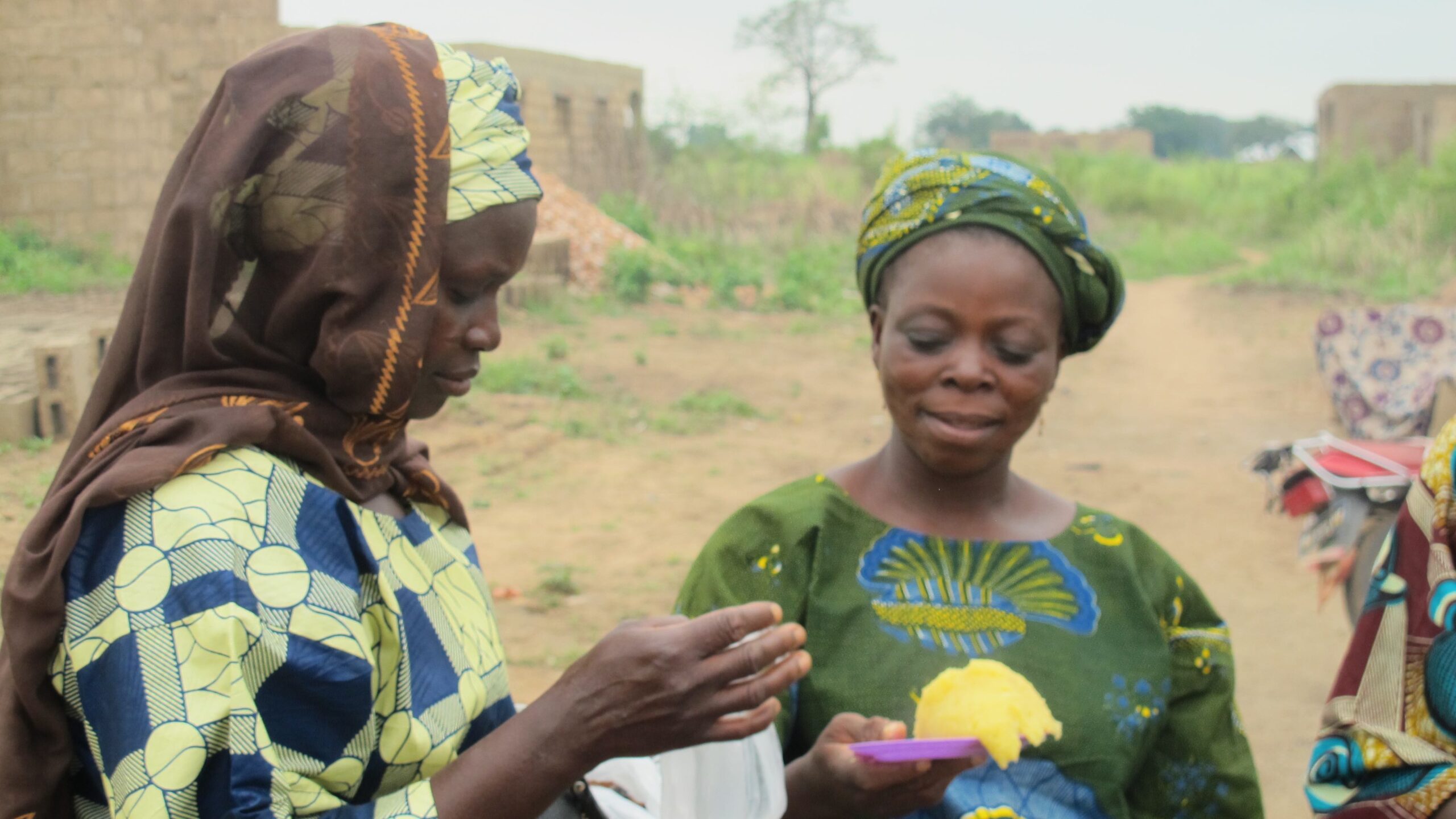
- Local sourcing can help school meal programs bring schools and community members closer, provide better-quality meals, and result in more culturally-connected meals. In Nepal, a home-grown school meal pilot resulted in better dietary diversity and nutritional content for children in 30 participating schools compared to control schools. A qualitative study in Brazil showed that local procurement of school meals not only improved the quality of life for family farmers in terms of improved eating habits, financial conditions, and self-esteem, but also contributed to the preservation of local food culture.
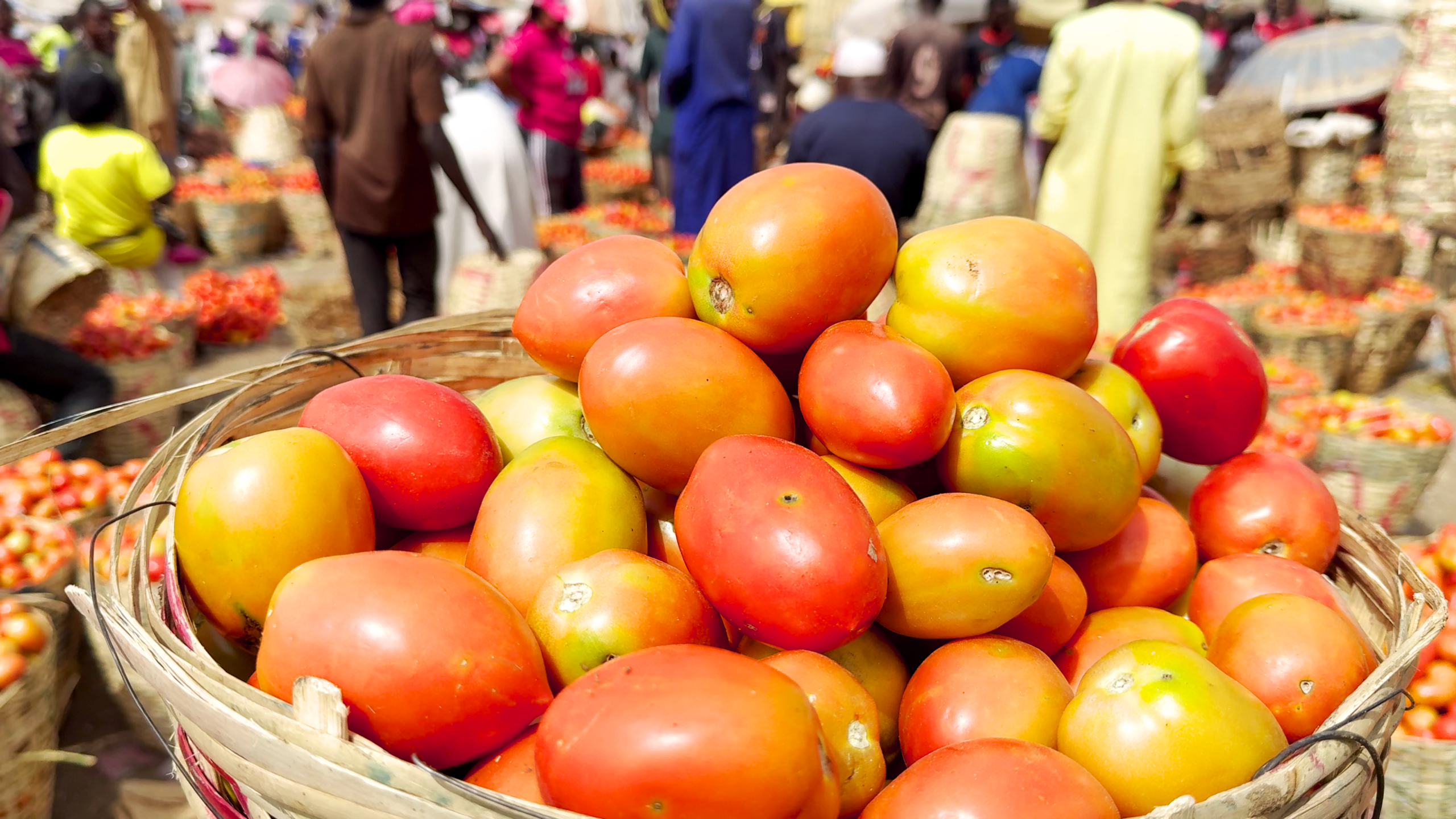
- School meal programs can contribute positively to the local economy through sourcing from local, smallholder farmers. In Nigeria, linking local farmers with schools created a reliable demand for vegetables and cereals, improving farmer livelihoods. In Brazil, smallholder farmers selling to the school meal program experienced a 23%-106% increase in household income, with the largest increase for the poorest farmers. Additionally, those farmers who participated in school meal procurement were able to better plan their finances due to the guaranteed market; the school meal market was, moreover, a crucial entry point for accessing other markets.
These are encouraging findings, but rigorous evidence linking the benefits (and costs) of regenerative agriculture and school meal programs is still lacking. For governments and programs to integrate regenerative practices into school meal programs requires causal, comparative, and context-specific evidence. Three priority evidence gaps should be urgently addressed:
- Understanding the potential and limits of regenerative practices. There is limited causal evidence on whether relying on regenerative agricultural practices for school meals can reliably meet the supply of food needed to meet the nutritional needs of school children, given cost, establishment time, yield, and other challenges. Causal evidence is also lacking on whether public procurement of food grown using regenerative agricultural practices can drive a larger transition toward these practices, or what else is needed for larger-scale uptake.
- Assessing multiple impacts. The cost-effectiveness of school feeding models with and without regenerative agricultural practices remains equally underexplored. Assessing cost-effectiveness and modeling long-term returns of investment for biodiversity and climate change mitigation, and integrating true cost accounting to capture externalities, can help decision-makers better assess the multiple benefits of school meal programs integrating regenerative agricultural practices.
- Engaging across sectors and scales. By design, school meal programs involve a large number of government agencies and other stakeholders. This list is even longer if environmental health goals are actively pursued. Generating understanding of multiple, cross-sectoral benefit streams, trade-offs, and impacts will require a whole-of-ecosystem approach, supported by metrics that help compare different programmatic approaches.
Considering the reach of school meal programs, it is important to explore how to unlock their potential as a lever for sustainable food system transformation, in addition to their established benefits for nutritional outcomes and education. Toward that end, investment is needed to fill important evidence gaps and to undertake cost-benefit analysis from a true cost accounting perspective. These analyses should be supported by rigorous causal evidence that goes beyond case studies to show what works, for whom, and why. If we act now and invest in generating this evidence, we do not just serve food. We serve the future.
Kristin Davis is a Senior Research Fellow with IFPRI’s Natural Resources and Resilience (NRR) Unit; Upeksha Hettiarachchi is an NRR Research Analyst; Ryan Nehring is an NRR Research Fellow; Wei Zhang is an NRR Senior Research Fellow; Claudia Ringler is NRR Director; Aulo Gelli is a Senior Research Fellow with IFPRI’s Poverty, Gender, and Inclusion Unit. Opinions are the authors’.