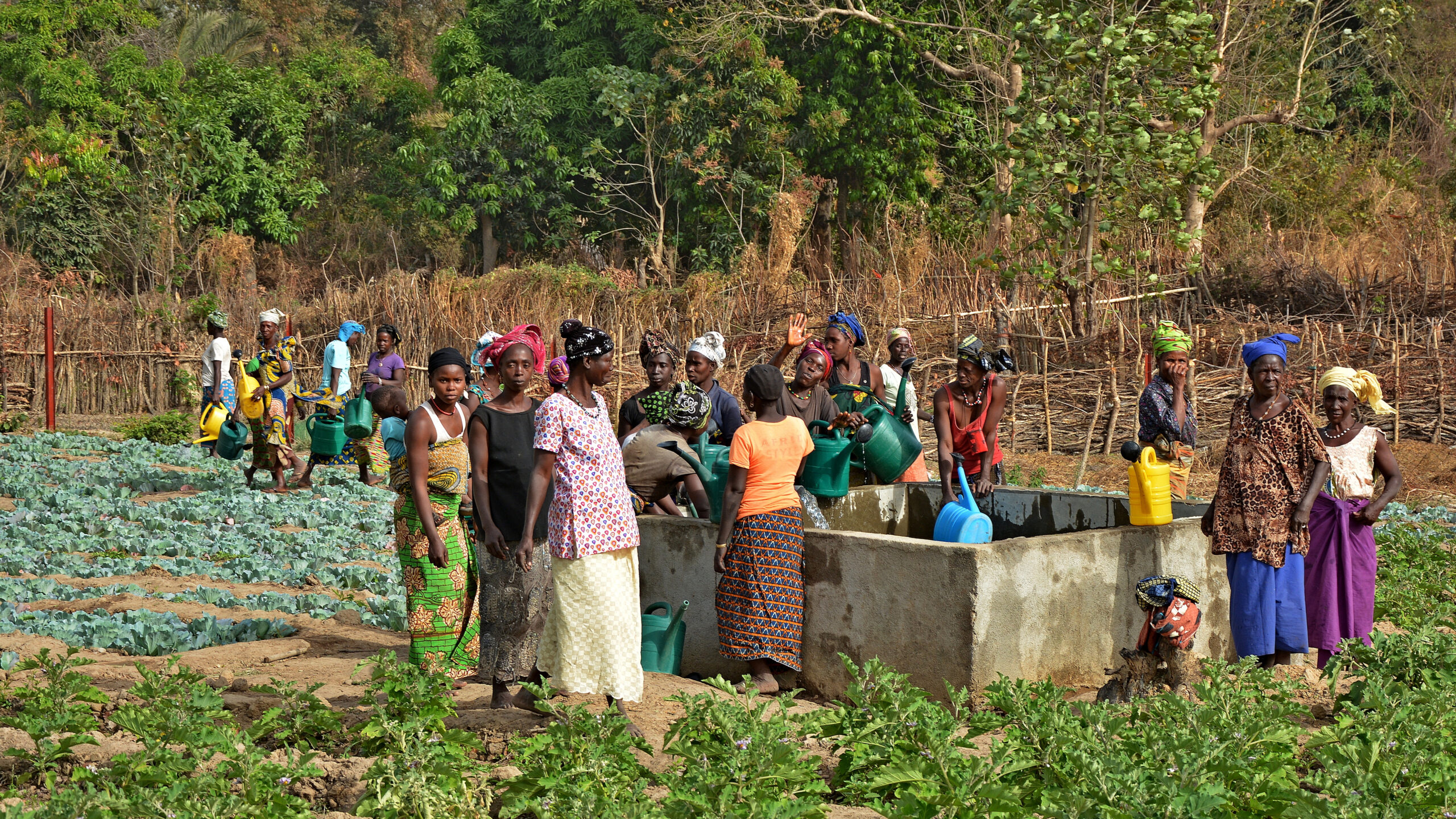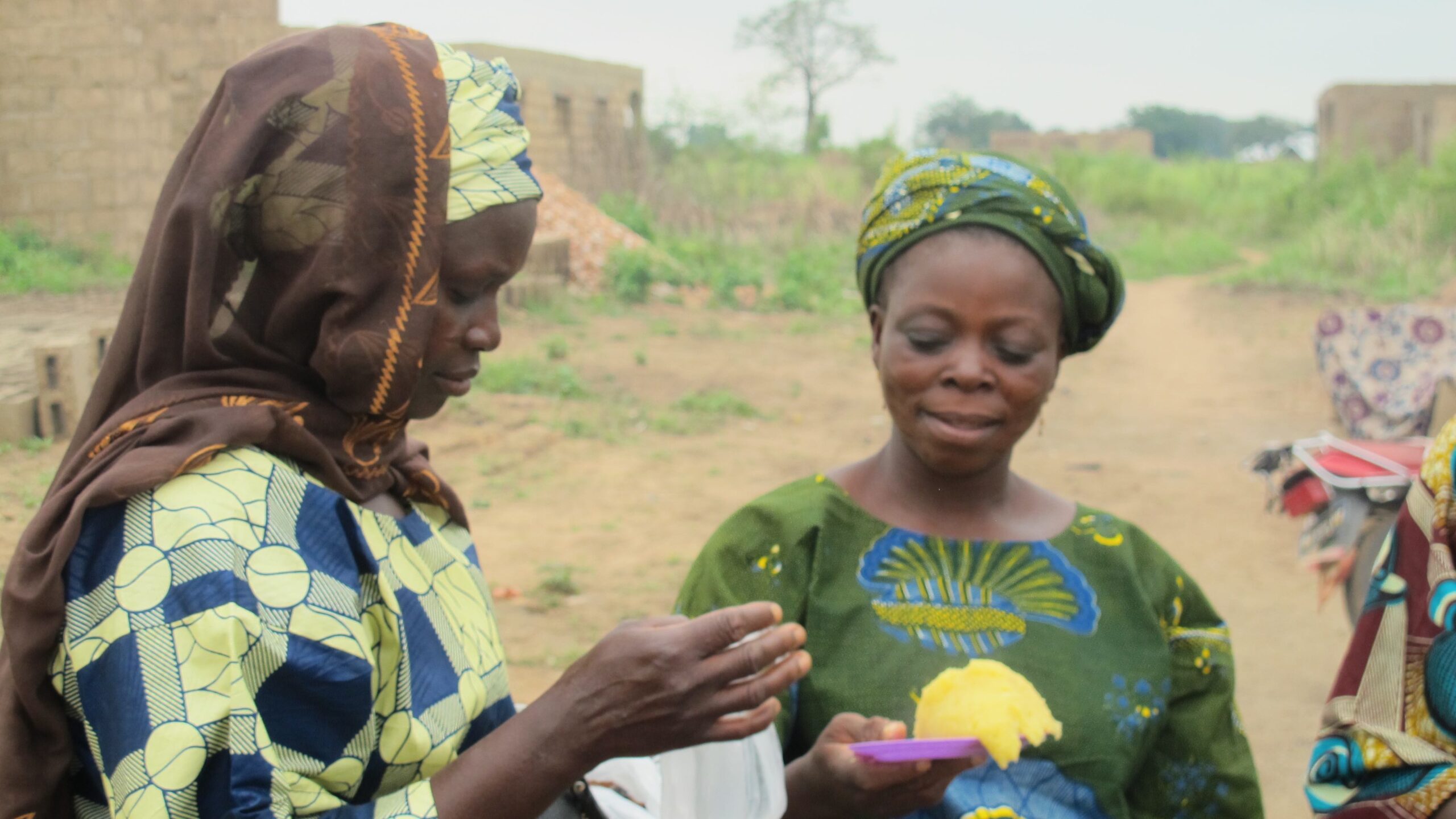




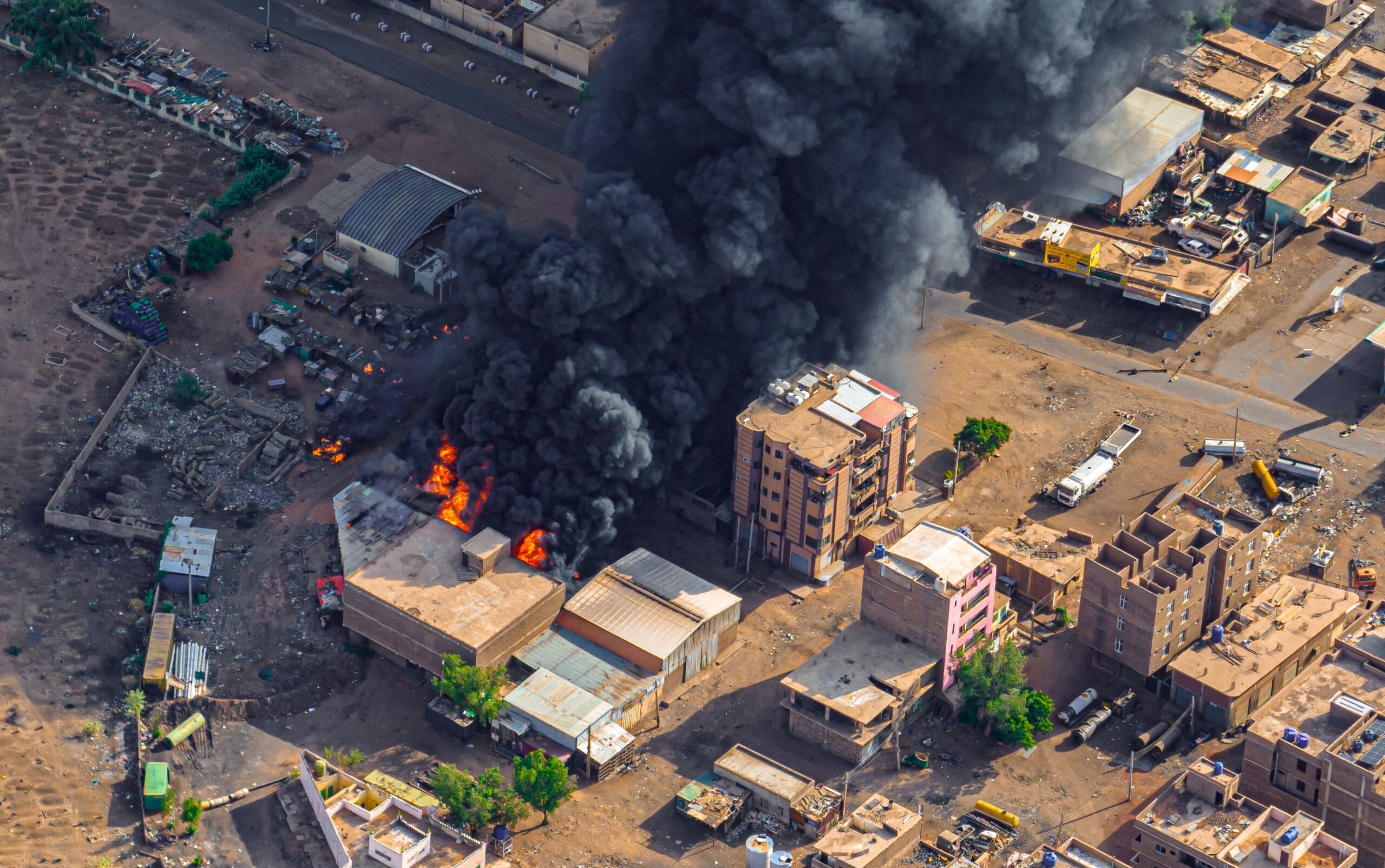
The ongoing war in Sudan—sparked in April 2023 by violent clashes between the Sudanese Armed Forces and the Rapid Support Forces—has produced one of the world’s most complex, protracted, and under-addressed humanitarian emergencies. The country faces widespread displacement, severe and acute food insecurity, institutional fragmentation, and the collapse of essential infrastructure. The need for coordinated, evidence-based, and scalable responses has become increasingly urgent.
Researchers, humanitarian leaders, academics, and Sudanese experts convened at an October 22 IFPRI policy seminar to shed light on the critical roles of data, evidence, and innovation in addressing the country’s multifaceted challenges. The event was the latest in IFPRI’s Fragility to Stability Policy Seminar Series, co-organized by the CGIAR Science Program on Food Frontiers and Security.
Johan Swinnen, IFPRI Director General, and Laurent Bukera, World Food Programme (WFP) Country Director and Representative for Sudan, opened the event by painting a grim picture of the situation in Sudan—one where the crisis is “off the charts,” 30 million people require humanitarian assistance, and 10 million are internally displaced. Humanitarian organizations continue to reach 4 million people a month, but needs continually outpace available resources. As the crisis drags on, funding for humanitarian and development assistance has dwindled. Donors must continue their commitments toward Sudan, they noted, or conditions may worsen further.
Rigorous research is needed to optimize such investments in an environment of vast needs and insufficient resources. Some of IFPRI’s research efforts were showcased in IFPRI’s Sudan Conflict Conferences in April 2024 and April 2025; a forthcoming IFPRI book on the Sudan conflict charting the country’s challenges and potential policy solutions; and a set of ongoing, policy-relevant research projects (several presented at this event). As pathways for recovery and resilience are charted through well-coordinated commitments to applied research, scalable interventions, and evidence-based solutions, one thing is clear: The time for action is now.
The role of evidence in conflict settings
Khalid Siddig, IFPRI Senior Research Fellow and Sudan Country Program Leader, highlighted the work IFPRI’s Sudan Strategy Support Program is carrying out to help inform effective crisis response. This includes national surveys covering rural and urban households; smallholder farmers; micro, small, and medium enterprises (MSMEs); and markets, as well as utilization of satellite data, economywide models, and qualitative techniques to produce rigorous evidence on Sudan’s rapidly evolving situation. Siddig highlighted results of severe and acute food insecurity, preferences about social assistance modalities, the impacts of delays to social assistance, and the impacts of seasonal changes (i.e., Ramadan) on food consumption, as well as economy-wide findings on pathways to resilience through recovery scenarios.
Kibrom Abay, IFPRI Senior Research Fellow, presented evidence from a randomized controlled trial with urban households under conflict showing that digital cash assistance not only improved participants’ food security but also their subjective well-being and stress levels. The impact of digital cash transfers also varied across households, he said, with those living under active conflict benefiting more.
Evidence from community-based interventions provides similar findings: households under conflict and facing multifaceted risks overwhelmingly prefer cash. Gabrielle Fox, Chief of Party at the Sudan Cash Consortium, noted that while needs in Sudan vary by region and severity of destruction, the flexibility of cash assistance allows recipients to address diverse needs, including costly health care and communal obligations, making it more effective than other forms of aid. Despite this clear preference, however, only 6% of Sudan’s 2025 humanitarian appeal budget was allocated to multi-sectoral cash assistance. Fox identified two key barriers to take-up: Institutional inertia and fragmented planning. Agencies often prioritize their individual mandates over collaboration, leading to sector-based and fragmented responses and circumventing efforts aimed at systemic change.
Rethinking crisis response
In a panel discussion that followed research presentations, Alex De Waal, Director of the World Peace Foundation and Tufts University Professor, offered a sobering reflection on Sudan’s layered crises, which are a product of various humanitarian calamities dating back to the 1980s. However, this current episode of conflict has no internal or cross-border buffers—unlike past crises, which were partially contained by functioning state institutions, local mediation mechanisms, or neighboring countries better placed to absorb displaced populations. De Waal warned this could lead to a deeper crisis for vulnerable Sudanese populations. The international community should act effectively and immediately to address the emergency, he said; in particular, Arab countries like Egypt, Saudi Arabia, and the United Arab Emirates should become champions of humanitarian action in Sudan. Empowering local actors and delivering aid directly to communities, he argued, is essential to building a sustainable peace and meeting people’s immediate needs.
Samantha Chattaraj, WFP Sudan Emergency Coordinator, offered detailed insights into WFP’s efforts in spearheading both humanitarian and development operations targeting the most vulnerable in the midst of continued conflict, access constraints, and funding gaps. By leveraging data from market assessments and nutrition assessments, WFP is able to prioritize regions and populations at risk of experiencing famine, though funding gaps and access constraints limit programming. WFP is able to reach over 80% of populations in the hardest-hit areas thanks to the critical support of local actors—community-based organizations, government agencies, and local service providers, among others. WFP is also working to build long-term resilience, she said, with efforts ranging from support for smallholder farmers to the promotion of social cohesion and investment in shock-responsive safety nets.
Lena Mahgoub, Convener of the Sudan Social Protection Alliance (SSPA) and former Minister of Labor and Social Development, offered a bold and locally-led vision for the recovery and transformation of Sudan’s social protection system developed by the SSPA, a Sudanese-led alliance aimed at bridging research and policy. Sudan, she said, must move from fragmented responses to coherent and systemic actions, from reactive aid to adaptive systems, and from externally-driven interventions to locally-owned approaches. Bold experimentation and testing alternative approaches are essential to this process, she said. Development partners and donors should support mobile and financial technology innovations, as well as flexible funding mechanisms through localized streams, in order to promote context-sensitive solutions through local NGOs, community groups, and informal systems (which have become the lifeline for millions).
Closing remarks
Katrina Kosec, IFPRI Senior Research Fellow, delivered a clear message in her closing remarks: The path forward must be collaborative, grounded in research-based evidence, and centered on the needs and aspirations of the Sudanese people. The crisis in Sudan cannot wait for perfect conditions or long-term stability, she said. Investment in scalable, inclusive, and sustainable systems that bridge humanitarian and development divides must happen now. With tools like cash-based responses, resilient food systems, and locally-led social protection frameworks already in place, the greatest obstacles are a lack of political will, flexible financing, high-quality research, and, above all, the moral courage to act. Kosec challenged the audience not just to let the event end with good intentions, but to be a catalyst for action—a commitment to stand with the Sudanese people not just in crisis, but in the long journey toward recovery.
Hala Abushama is a Research Analyst with IFPRI’s Development Strategies and Governance (DSG) Unit; Kibrom Abay is a DSG Senior Research Fellow; Katrina Kosec is a Senior Research Fellow with IFPRI’s Poverty, Gender, and Inclusion (PGI) Unit and Interim Lead of CGIAR’s research on Fragile and Conflict-Affected Food Systems; Khalid Siddig is a DSG Senior Research Fellow and Leader of IFPRI’s Sudan Strategy Support Program.