




Conflicts and other shocks have triggered rising food insecurity and malnutrition in many places around the world. This special blog series examines how these often-overlapping crises are impacting food systems at the global, national, and local levels. Contributors also evaluate policy responses to food system shocks, with a view to finding effective approaches that enhance the resilience of both national and global food systems. The series is co-edited by Joseph Glauber, Research Fellow Emeritus, and Johan Swinnen, IFPRI Director General.
This blog series was initiated in February 2022 when Russia’s invasion of Ukraine triggered trade disruptions and significant increases in international prices of energy, agricultural commodities, and fertilizer, which were already elevated due to the COVID-19 pandemic and related value chain disruptions. While those impacts are still being felt, this series has expanded to incorporate posts on new conflicts, such as those in Sudan and Gaza, as well as weather-related disturbances and other food system shocks.
Latest Blog
-
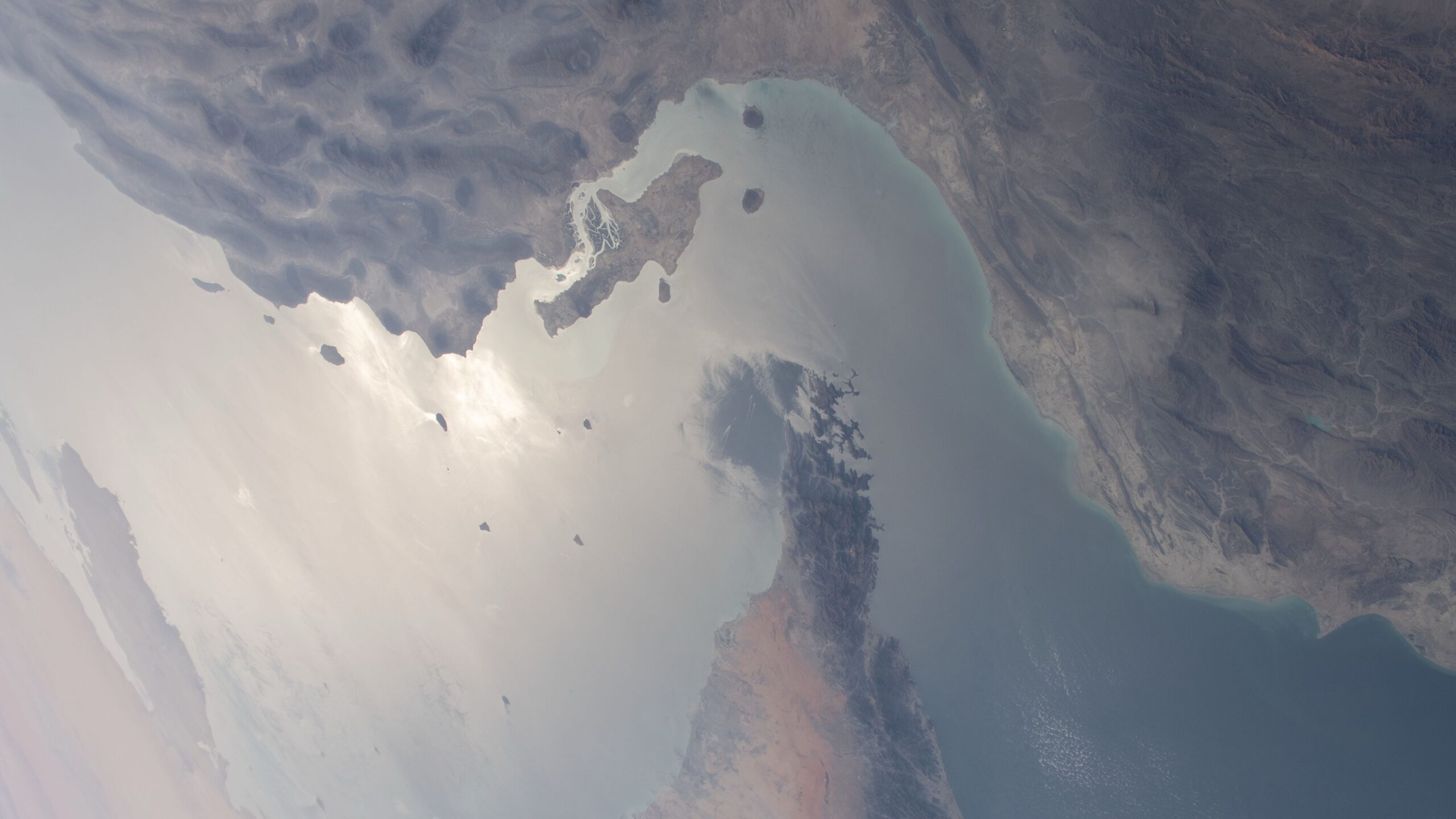
The Iran war: Potential food security impacts
Problems in the Strait of Hormuz reverberate globally.
-
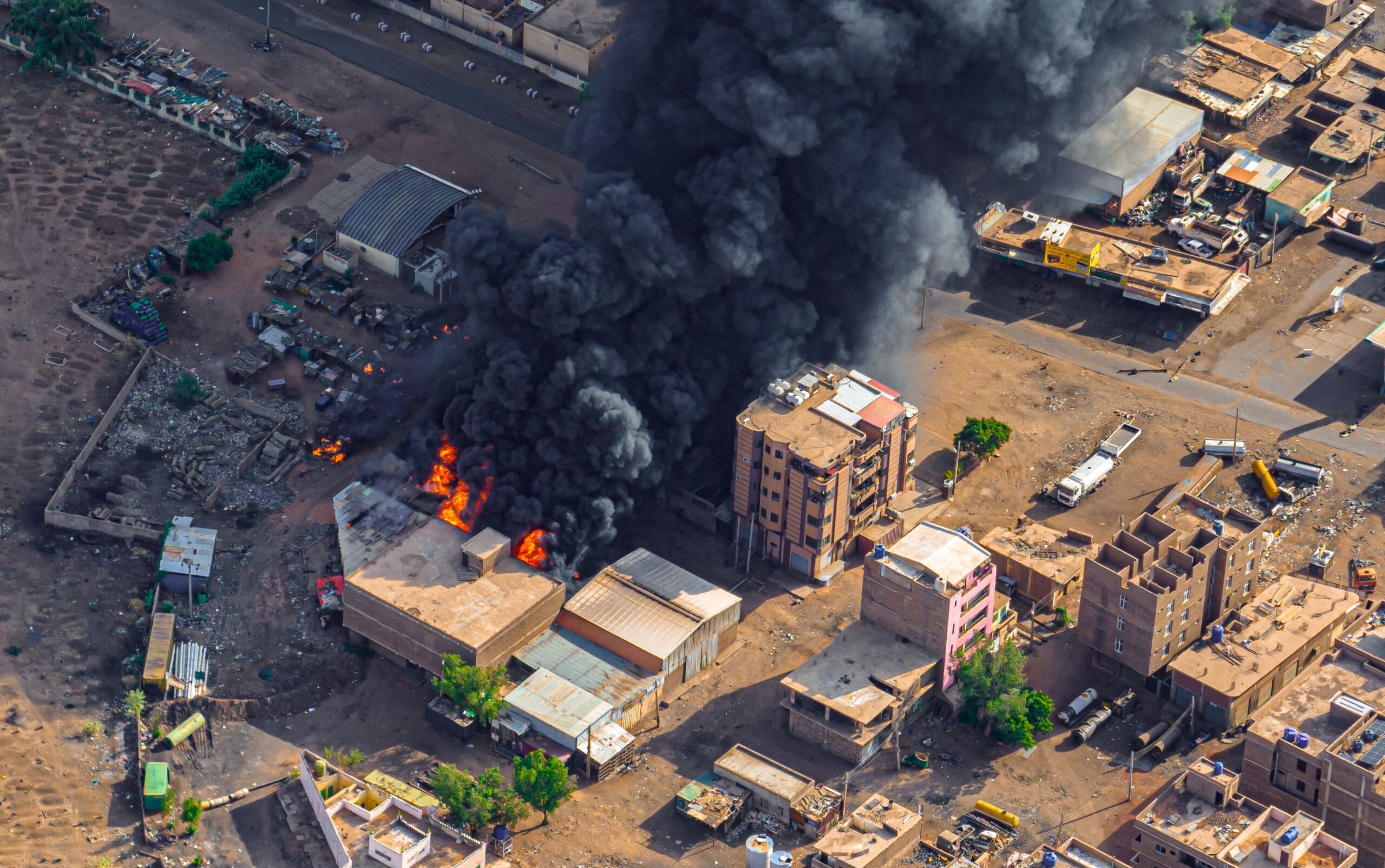
How warring factions gained influence in Sudan’s food system – and what it means for the current conflict
Mapping relationships in a devastating war.
-
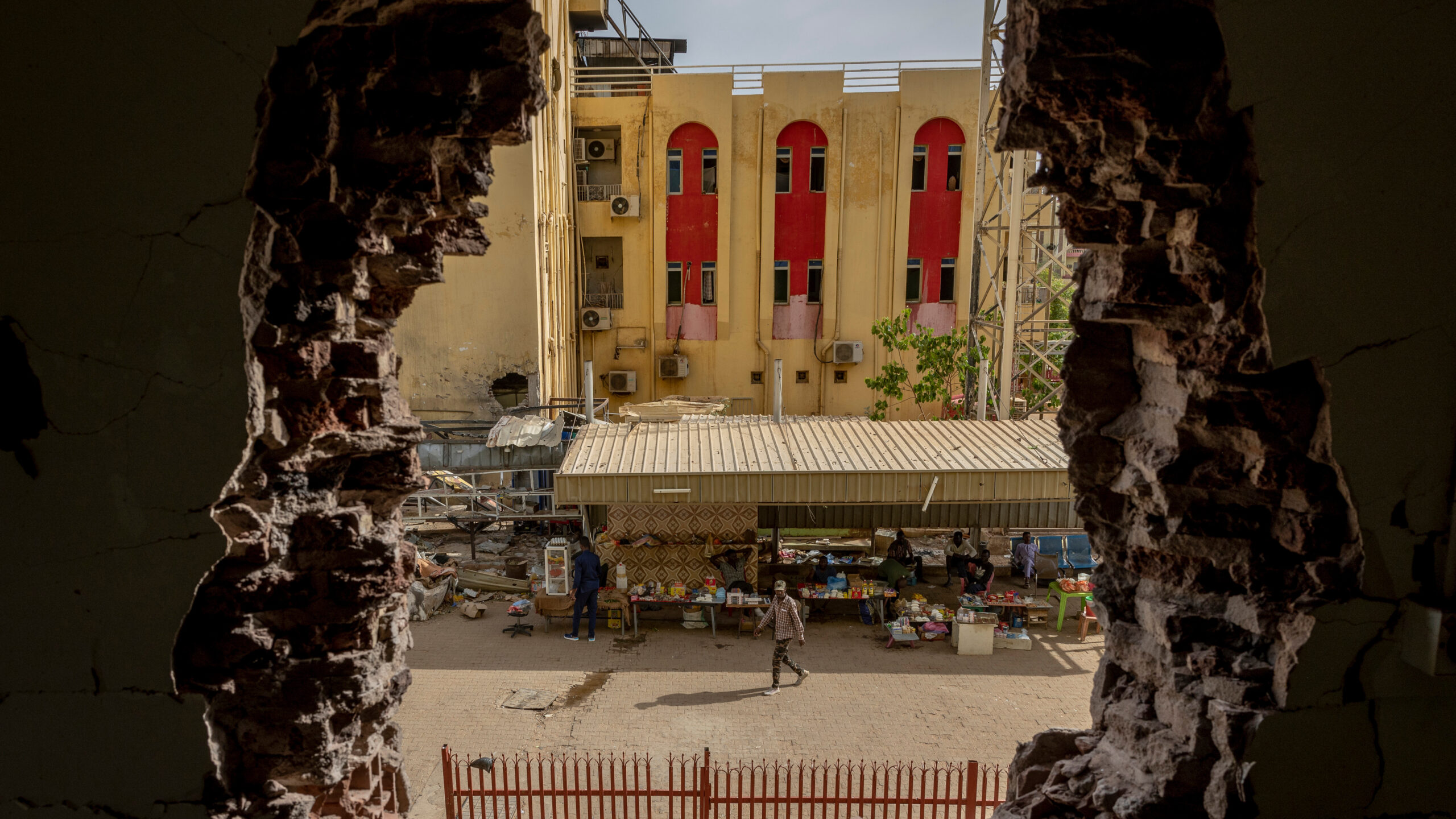
Can digital cash transfers serve those in active conflict zones? Evidence from Sudan
Investigating how best to deliver aid.
-
Balancing external shocks and domestic reforms: Do U.S. tariffs erode India’s tax reform benefits?
Modeling converging economic impacts.
-

Will extreme weather lead to multiple breadbasket failures and threaten global food security?
Modeling a growing risk.
-
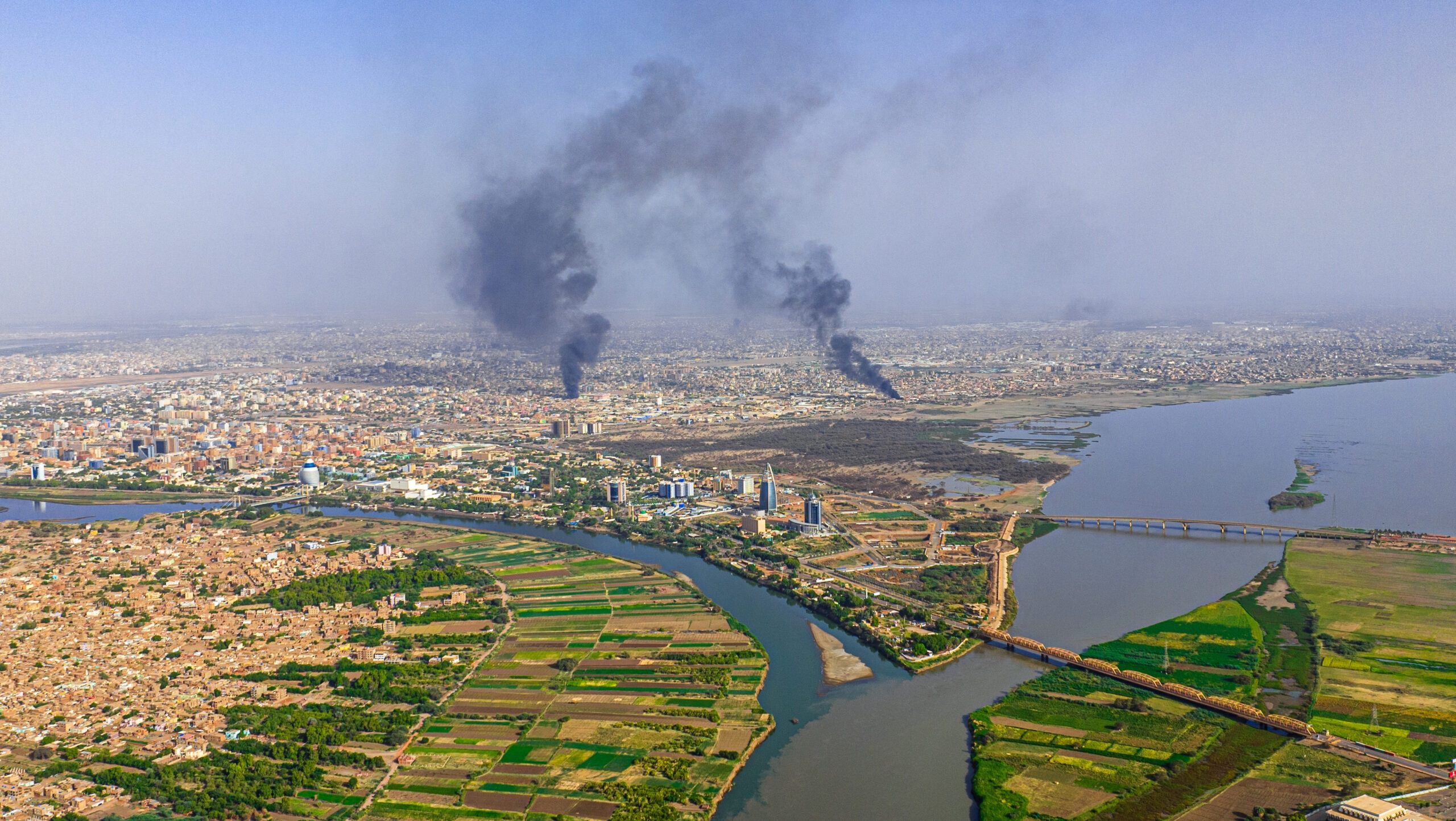
IPC: Famine and food insecurity spread in Sudan as humanitarian crisis worsens
Ongoing conflict takes a rising toll.