






Blogs
What’s New
News
-
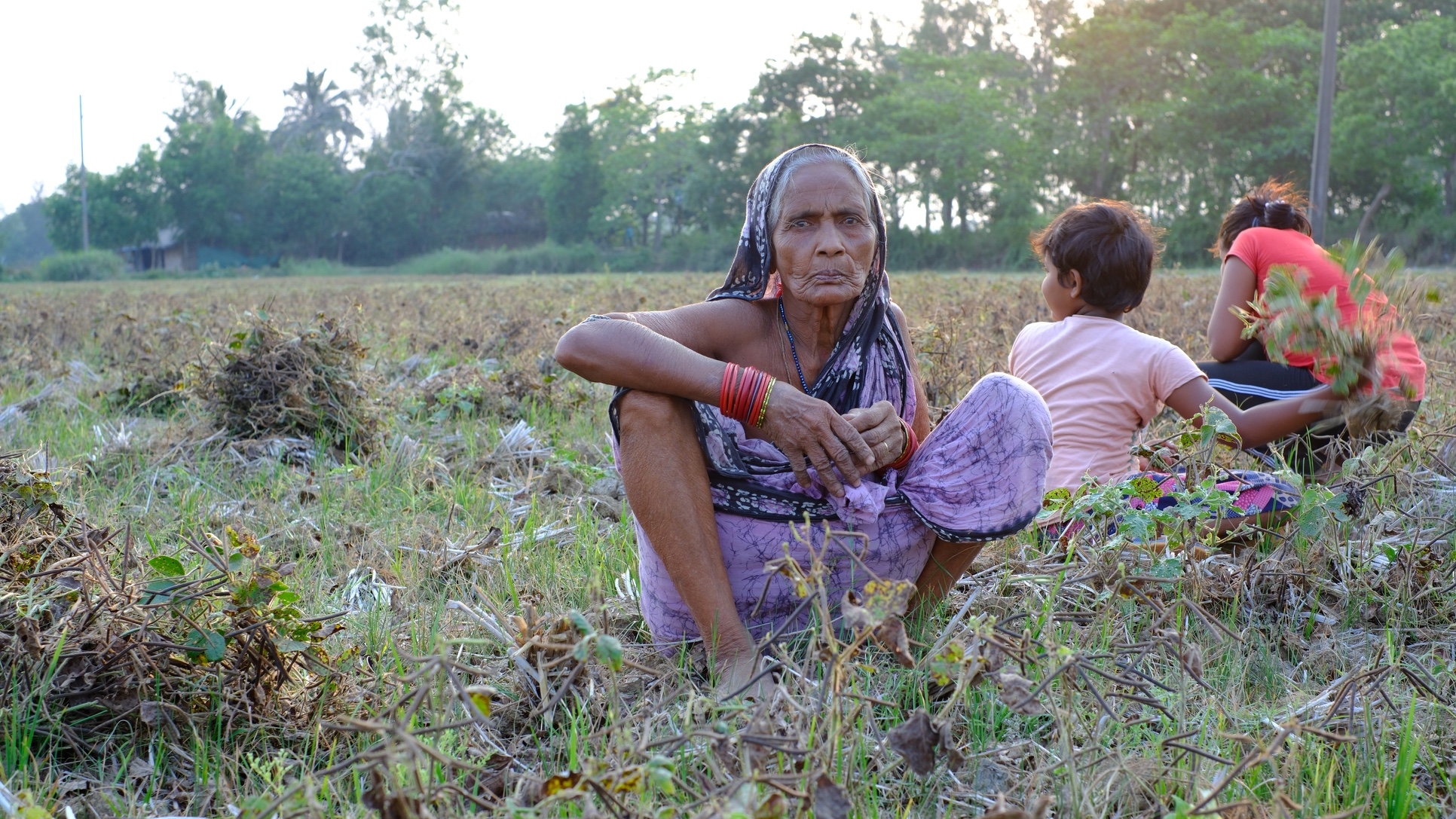
Debt burden grows for rural poor (The Daily Star)
A Daily Star (Bangladesh) article highlights findings from studies presented at a workshop organized by the Bangladesh Institute of Development Studies (BIDS) and IFPRI.
-
CAST names Joseph Glauber 2026 recipient of the CAST Lifetime Achievement Award
IFPRI research fellow emeritus honored for more than four decades of analysis and communication on agricultural markets, trade and food security; award to be presented Dec. 10 at the Library…
-
Fixing fertilizer supply chains won’t be enough, experts warn (Devex)
Devex cited IFPRI research in this article on plans from leading multilateral development banks to strengthen fertilizer supply chains disrupted by the Strait of Hormuz closure.
Events

Publications
Featured Publications
Journal Article
Associations between Global Diet Quality Score (GDQS) and obesity in women of reproductive age in Northern Tanzania: A cross-sectional study
2026Bliznashka, Lilia; Azupogo, Fusta; Reynolds, Elise; Arnold, Charles D.; Hess, Sonja Y.; Kinabo, Joyce; Jeremiah, Kidola; Malindisa, Evangelista; Olney, Deanna K.; Ruel, Marie T.Journal Article
Armed conflict and climate-induced weather disruptions in agricultural input use: Evidence from Ethiopia
2026Ayalew, Hailemariam; Berhane, Guush; Wondale, Meserete; Breisinger, ClemensJournal Article
A food system transformation pathway reconciles 1.5 °C global warming with improved health, environment and social inclusion
2025…more
Strefler, Jessica; Lewis, Jared; Heinke, Jens; Müller, Christoph; Karstens, Kristine; Weindl, Isabelle; Stevanović, Miodrag; Rein, Patrick; Sauer, Pascal; Mishra, Abhijeet; Bacca, Edna Johanna Molina; Köberle, Alexandre C.; Wang, Xiaoxi; Singh, Vartika; Hunecke, Claudia; Collignon, Quitterie; Schreinemachers, Pepijn; Dietz, Simon; Kanbur, Ravi; Dietrich, Jan Philipp; Lotze-Campen, Hermann; Popp, Alexander

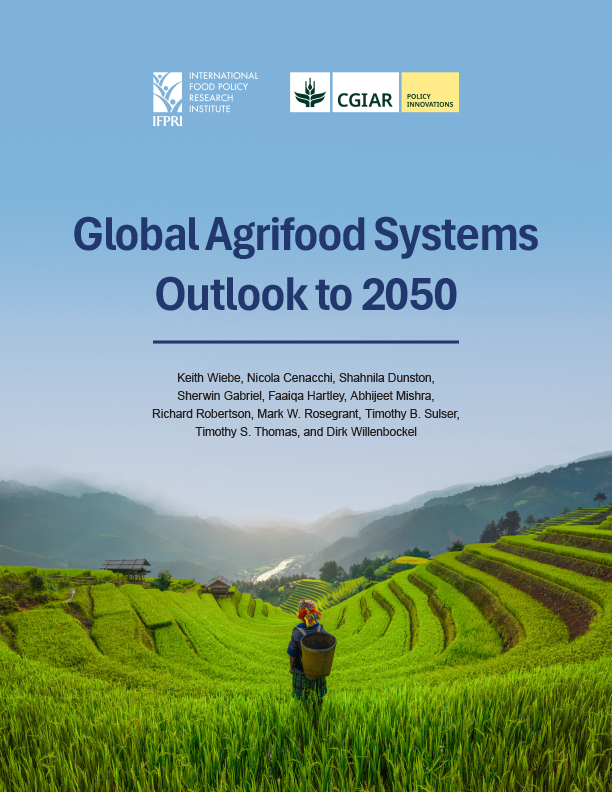
Global Agrifood Systems Outlook to 2050
IFPRI Report published in September 2026
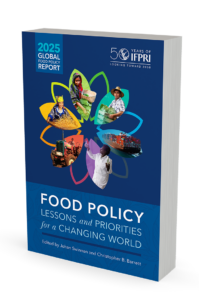
This book, Global Agrifood Systems Outlook to 2050, uses advanced modeling tools to explore how agrifood systems may evolve over the next 25 years. Drawing on peer-reviewed research and expertise across key drivers—including population, income, technology, and climate—the report examines likely changes in food demand, production, prices, trade, resource use, food security and nutrition, and employment and income across seven regions and seven commodity groups. It provides decision-makers with a long-term perspective on emerging challenges and opportunities and highlights the critical role of policy and investment choices in shaping more resilient, sustainable, and equitable agrifood systems.
IFPRI and CGIAR
IFPRI is a Research Center of CGIAR, the world’s largest global agricultural innovation network. IFPRI researchers collaborate closely with researchers from other CGIAR Centers, and our work contributes to the CGIAR mission of delivering science and innovation that advance the transformation of food, land, and water systems in a climate crisis.

Experts in Our Field
IFPRI’s experts work around the world to provide the evidence that supports effective policies to sustainably reduce poverty and end hunger and malnutrition.
480+
staff across the world
70+
countries where we work
#1
in the field of Agricultural Economics
25,000+
research outputs
Meet a Researcher
Brendan Rice is a Research Specialist in the Markets, Trade, and Institutions Unit with experience in agribusiness, market analysis, and value chain development. He works primarily on food and input price monitoring, food crisis risk, and market intelligence for seed systems development. Before joining IFPRI, he worked at the Food and Agriculture Organization of the United Nations (FAO) on agribusiness-related projects and at the social enterprise KadAfrica. He holds a master’s degree in sustainable international agriculture (global agribusiness and development…


From our video channel
Mamata Pradhan, Research Coordinator
In this video Berber Kramer, Senior Research Fellow in IFPRI’s Markets, Trade, and Institutions Unit, based in Nairobi, Kenya, shares the best advice she has been given in her career and what keeps her passionate about her work. Her research focuses on financial inclusion, technology adoption, gender, and adaptation to climate change.
“Faces of IFPRI” is a series of interviews with IFPRI colleagues around the world, showcasing the diversity of talent, geographies, and research interests across the Institute.

Making a Difference Blog Series
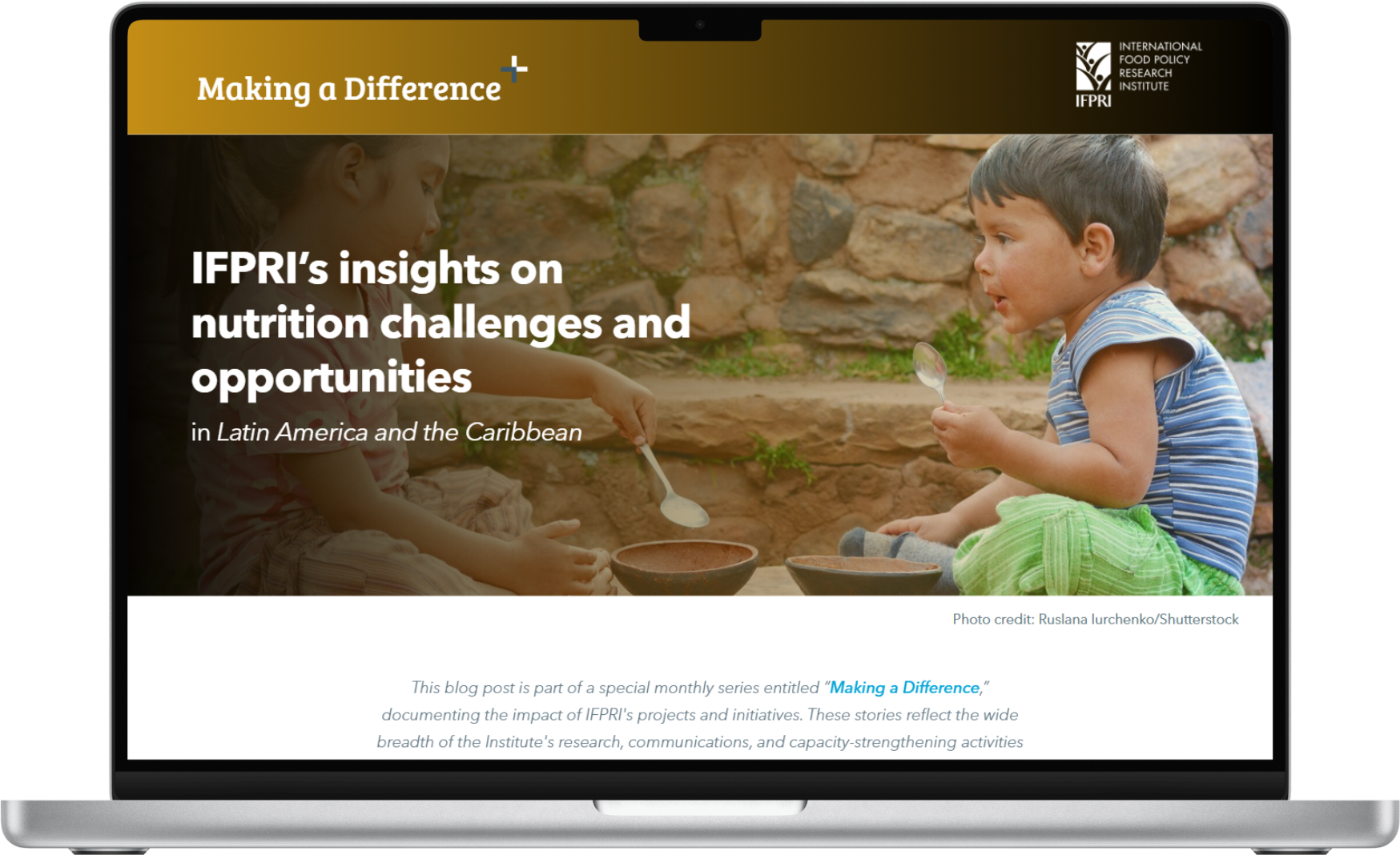
Latin America and the Caribbean face a complex nutrition landscape, with undernutrition, micronutrient deficiencies, overweight, and obesity often coexisting.
Our new story by Amy Margolies and Brian McNamara in the “Making a Difference” series highlights how IFPRI research and partnerships are helping generate evidence on social protection, food systems, and healthy diets to inform policies and programs that can improve nutrition outcomes across the region.

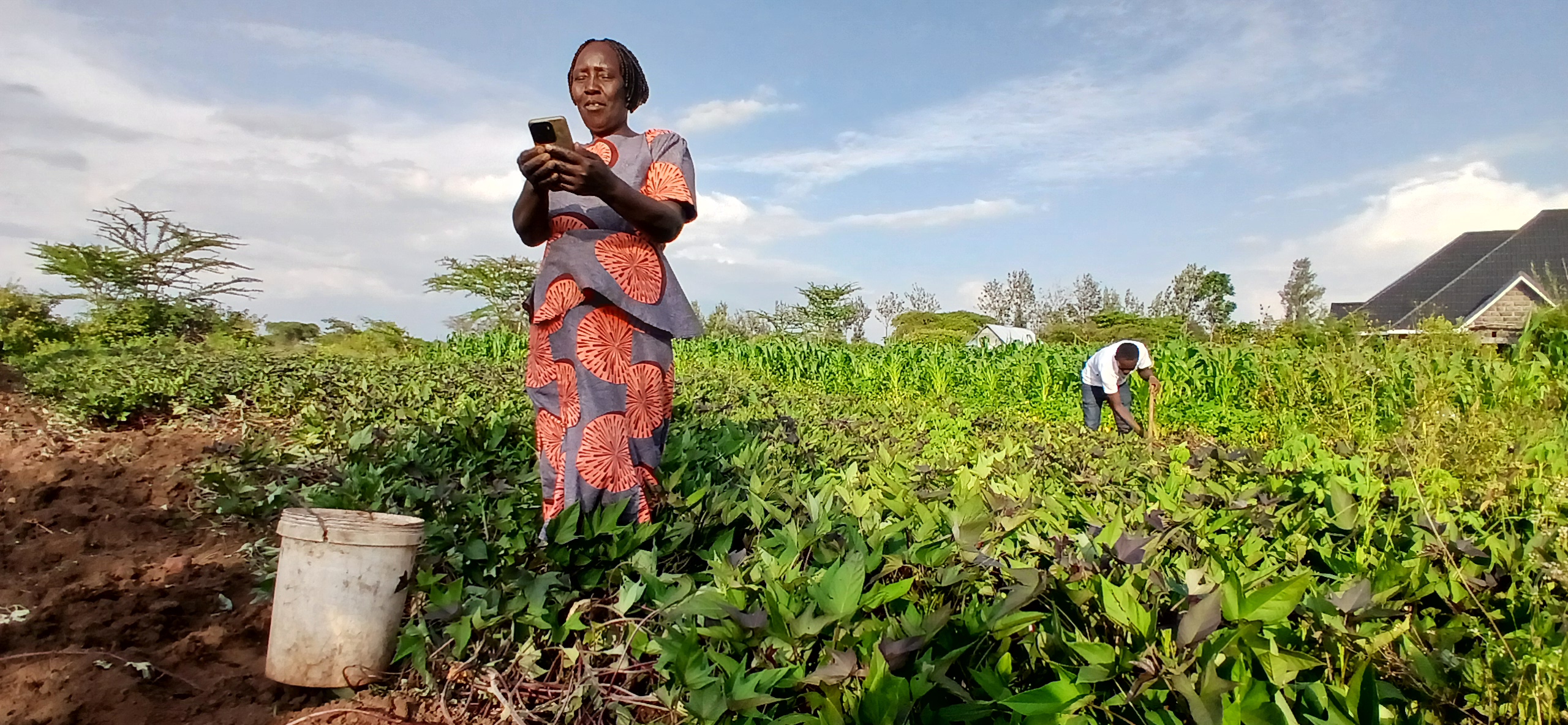
As part of CGIAR’s global gender research community, IFPRI supports the UN International Year of the Women Farmer by providing evidence that expands women’s access to resources, technologies, and markets and strengthens their economic opportunities to advance more equitable, resilient agrifood systems.