
Back

Who we are

With research staff from more than 60 countries, and offices across the globe, IFPRI provides research-based policy solutions to sustainably reduce poverty and end hunger and malnutrition in developing countries.

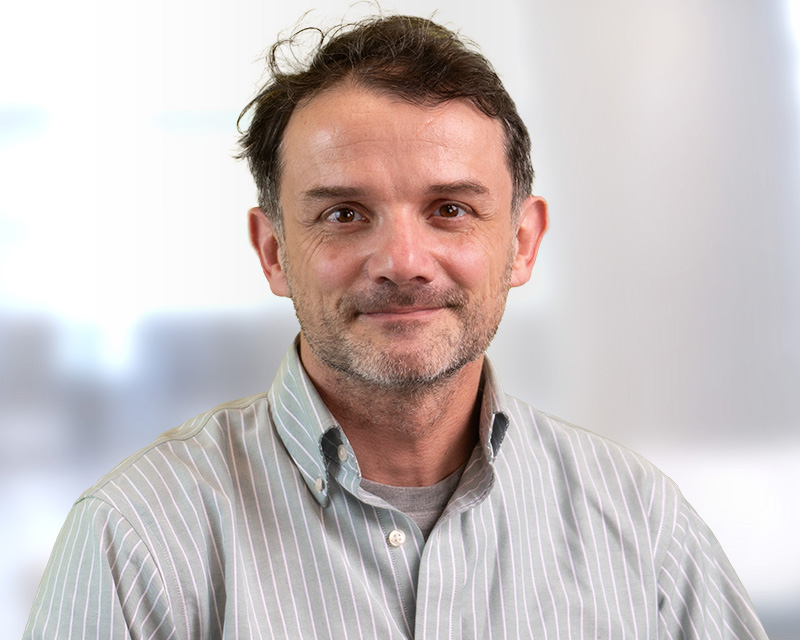
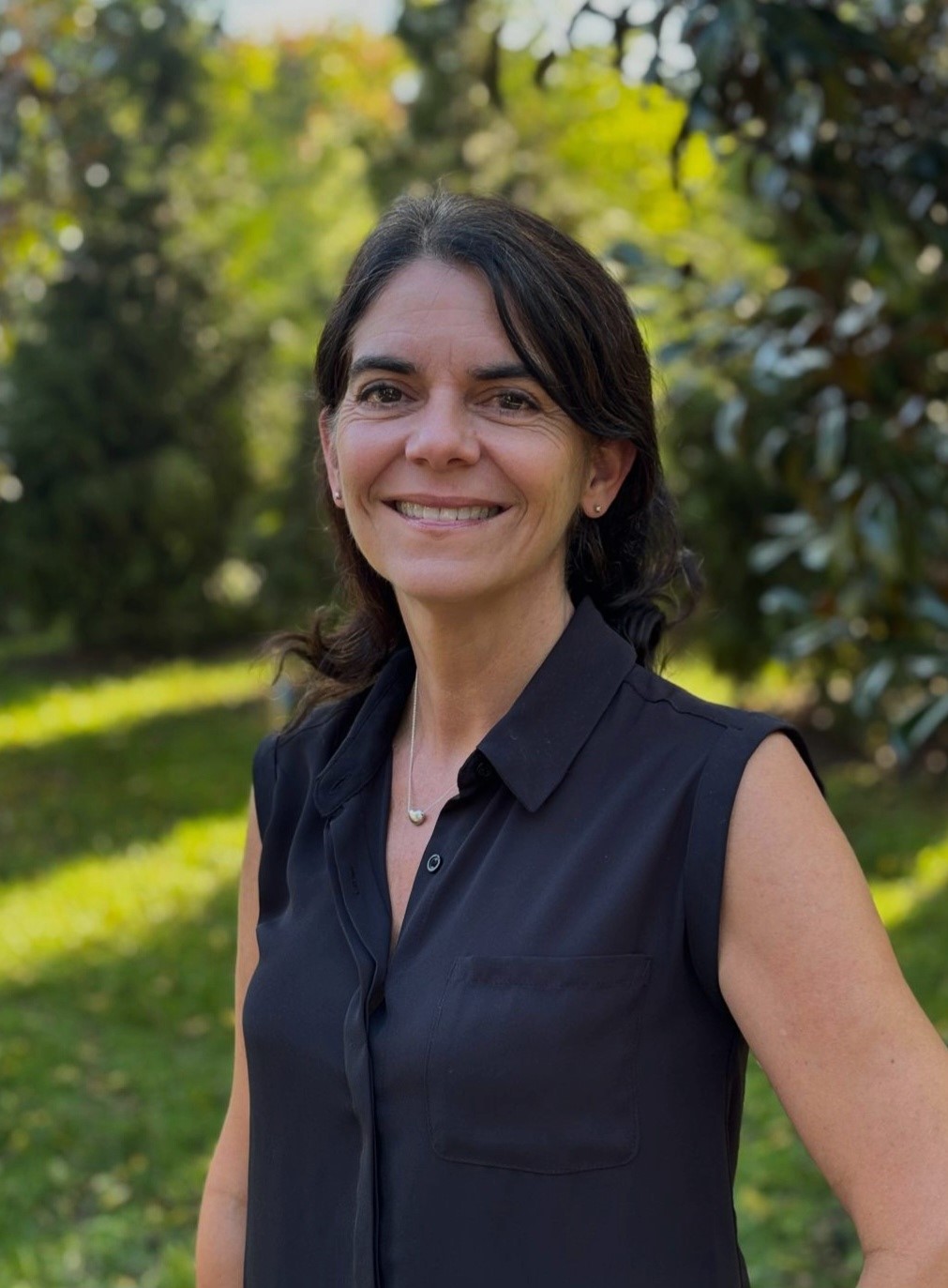
Elodie Becquey

Elodie Becquey is a Senior Research Fellow in the Nutrition, Diets, and Health Unit, based in IFPRI’s West and Central Africa office in Senegal. She has over 15 years of research experience in diet, nutrition, and food security in Africa, including countries such as Burkina Faso, Chad, Ethiopia, Ghana, Kenya, Mali, and Tanzania.

Back

What we do

Since 1975, IFPRI’s research has been informing policies and development programs to improve food security, nutrition, and livelihoods around the world.

Where we work

Back

Where we work

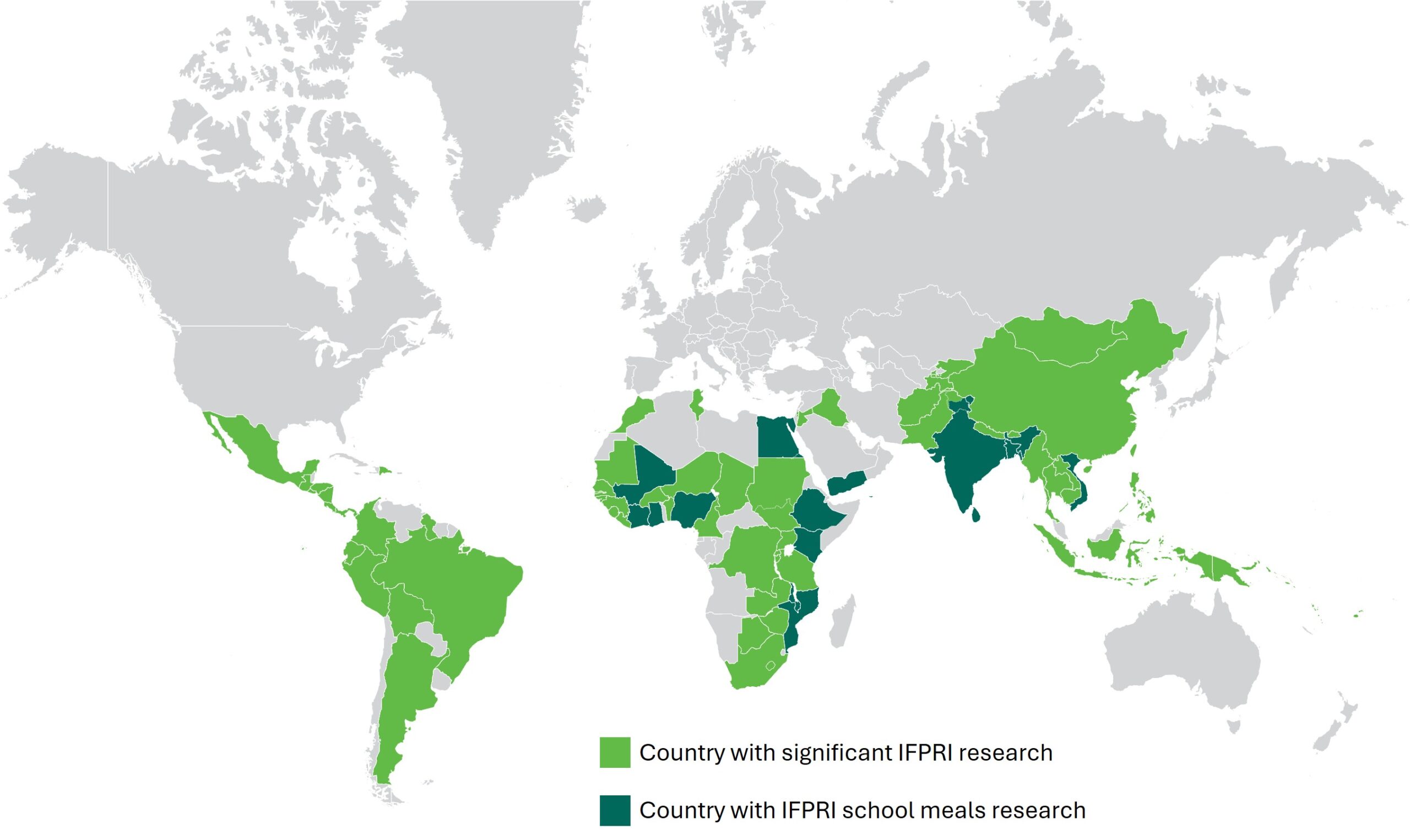
IFPRI currently has more than 600 employees working in over 80 countries with a wide range of local, national, and international partners.

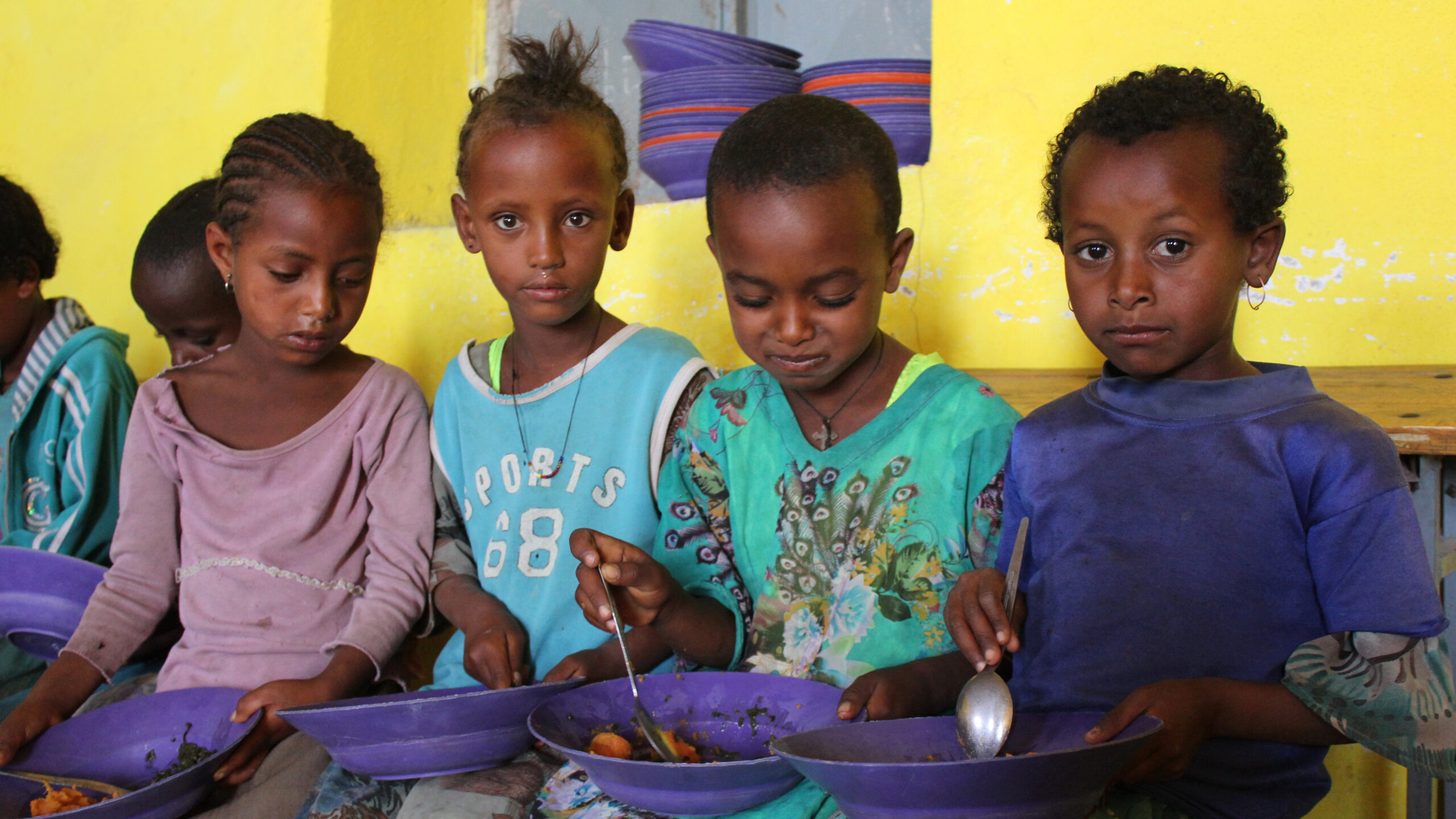
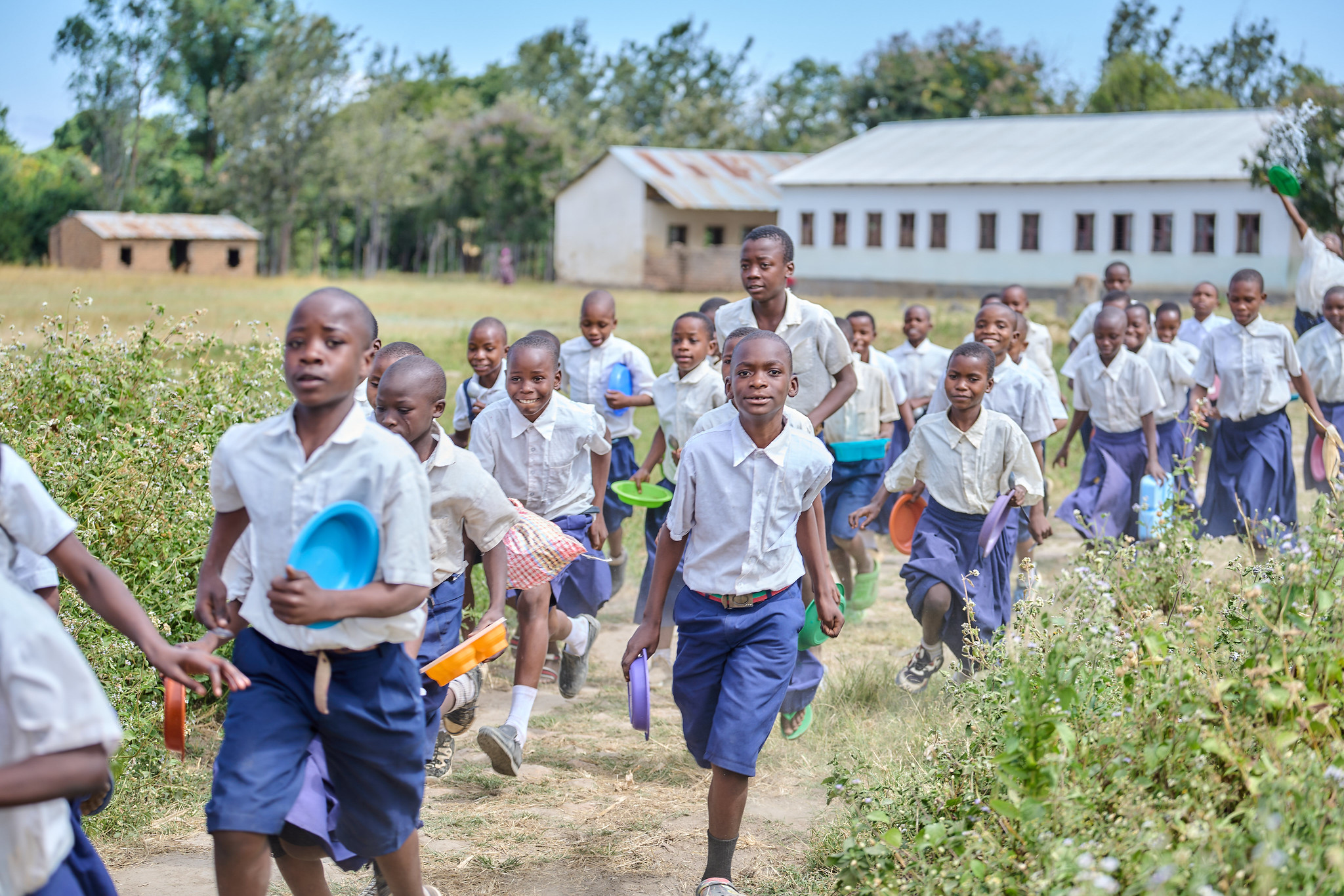
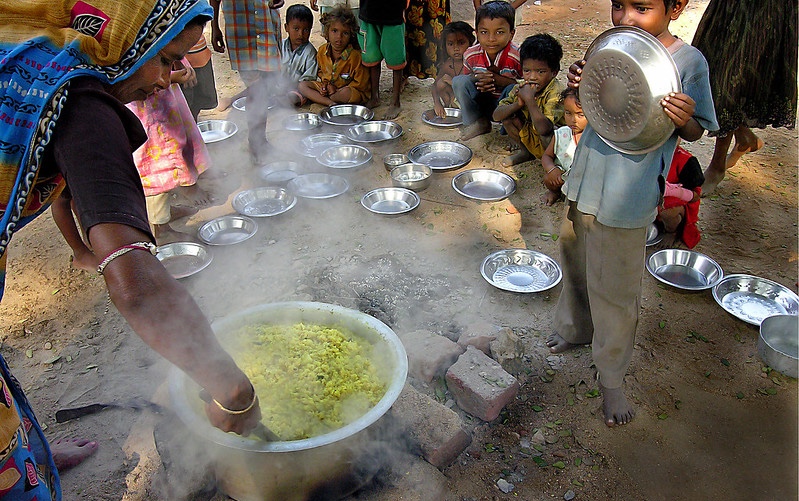
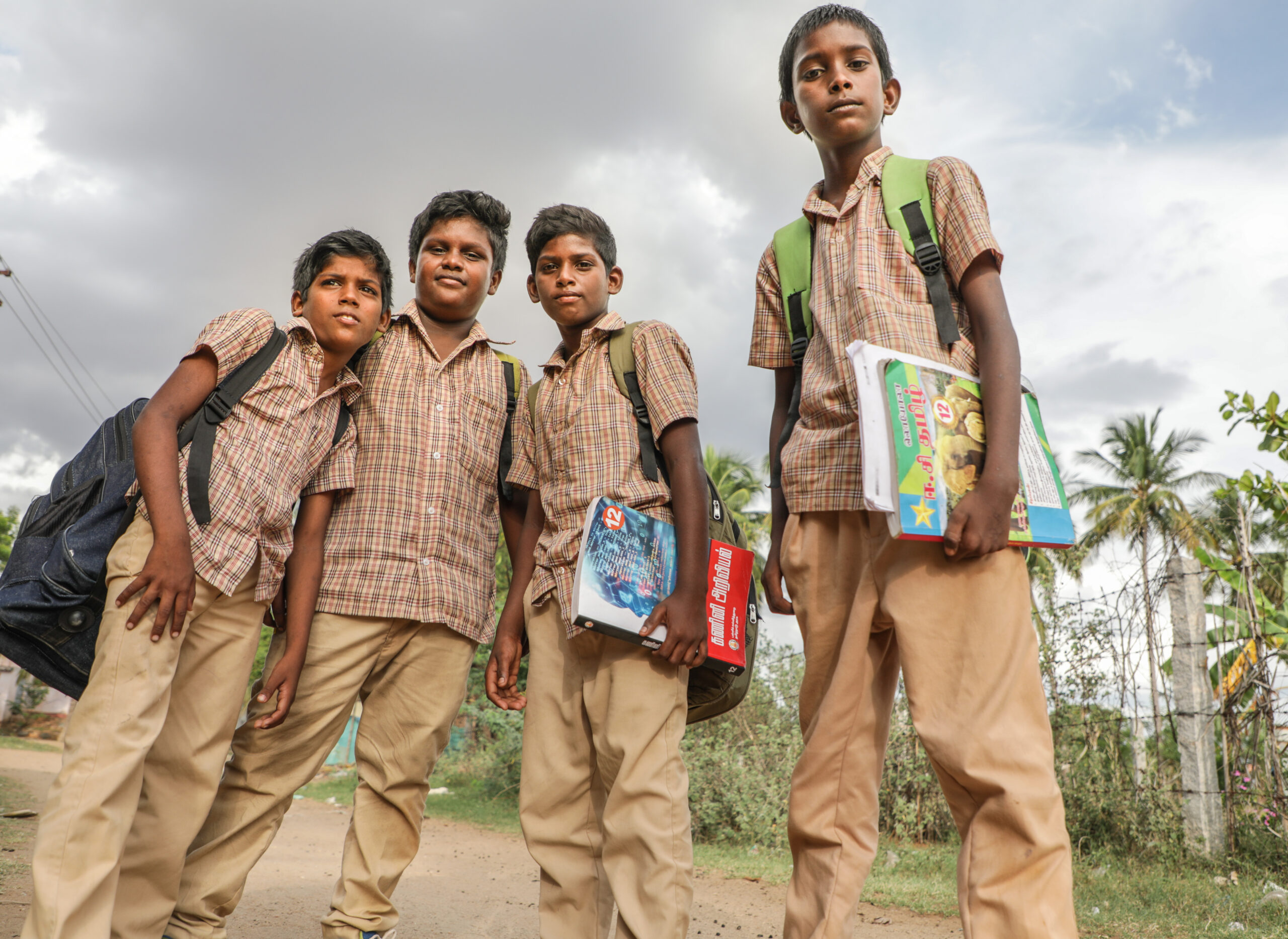
School meals are among the world’s most widely implemented social programs, reaching more than 400 million children globally each year. Beyond their proven benefits for learning and nutrition, school meal programs can be powerful entry points for multisectoral action, including strengthening local food systems, creating jobs, promoting gender equality, and building resilience to climate and economic shocks. Annual investments in school meals approach US$70 billion. However, important evidence gaps remain in understanding how to optimize the cost-effectiveness of programs operating in different contexts across the globe.

Drawing on nearly five decades of leadership in food policy research, IFPRI works in partnership with governments and organizations to understand how school meals and complementary school-based actions—such as providing nutrition education in schools, and making food environments in and near schools healthier—improve nutrition, learning, and livelihoods. Critically, IFPRI’s work aims to strengthen the evidence base to make these programs more effective, equitable, and sustainable.

With interdisciplinary expertise spanning nutrition, agriculture, education, gender, and social protection, IFPRI’s comparative advantage lies in connecting the dots across sectors, transforming school meals from a feeding intervention into a catalyst for inclusive, climate-smart, and economically sustainable food systems.

Collaborative work across countries has demonstrated wide-ranging benefits—from better learning and healthier diets to stronger livelihoods and more resilient local economies.

Current Initiatives and Shared Learning

Across countries, IFPRI and its partners are advancing a growing portfolio of work that explores how school-based interventions can shape diets, markets, and local food systems:

Along with other initiatives, these efforts reflect IFPRI’s commitment to co-learning, partnership-driven innovation, and collaborative design, ensuring that school meal programs—and the broader school food environment—continue to evolve as powerful levers for improving well-being today and shaping sustainable food systems for the next generation.
School Meals

Ongoing Country Partnerships  

IFPRI’s school meals and school-based interventions portfolio spans more than a dozen countries, carried out through close partnerships with governments, universities, and local research institutions.

Current work includes: 

  • Cross-country research: True cost, regenerative agriculture, and food environments 
    Developing frameworks, evidence syntheses, and RIAPA modeling to assess the full economic, social, and environmental value of school meal systems across multiple regions.
  • Cambodia: Government transitions and evaluation support 
    Partnering with the World Food Programme and national ministries to evaluate transitions to government-managed school feeding systems and understand agricultural and nutrition spillovers.
  • Egypt: Improving nursery and preschool meal provision 
    Studying the effectiveness, feasibility, and cost-effectiveness of meal modalities for early-childhood settings.
  • Ethiopia: Inclusive and sustainable home-grown procurement models 
    Piloting and evaluating procurement and cooking innovations to support farmer inclusion and environmentally friendly school meal operations.
  • Ghana: School meal innovations to protect vulnerable children 
    Using randomized controlled trials to assess improved meal programs, nutrition education, and approaches aimed at protecting children from an exacerbated food insecurity crisis.
  • India: Exploratory efforts to support innovation at scale
    Integrating innovations in nutrition education, food environments, and new foods/ingredients into school-based programs, including the national school meals program.
  • Kenya: National scale-up, food environments, and procurement systems 
    Supporting the government of Kenya to design and strengthen its action plan for scaling school meals, including sustainable procurement and nutrition quality standards.
  • Malawi: Climate-smart, home-grown school meals 
    Testing sustainable menu designs, AI-supported monitoring, and community-based models to improve diets and strengthen local agricultural markets.
  • Nigeria: Vendor training and farmer linkages 
    Evaluating whether menu training and procurement facilitation can improve diet quality while increasing smallholder sales.
  • Yemen: Strengthening crisis-affected school feeding systems 
    Assessing enhanced school meal models and added milk interventions to support nutrition and learning in humanitarian settings.

Funders

Deutsche Gesellschaft für Internationale Zusammenarbeit (GIZ) GmbH
Global Affairs Canada (GAC)
Inter-American Development Bank
Japan Ministry of Foreign Affairs
Norwegian Agency for Development Cooperation (Norad)
Novo Nordisk Foundation
Sawiris Foundation
The Rockefeller Foundation
United States Department of Agriculture (USDA)

Team members

Aulo Gelli

Senior Research Fellow, Poverty,
Gender, and Inclusion

Purnima Menon

Senior Director, Food and Nutrition Policy; Acting Senior Director, Transformation Strategy, Markets,
Trade, and Institutions, Nutrition, Diets, and Health, Poverty, Gender, and Inclusion

Daniel Gilligan

Director, Poverty, Gender, and Inclusion (PGI), Poverty,
Gender, and Inclusion

Valeria Piñeiro

Regional Representative for Latin America and the Caribbean (LAC), Latin
America and the Caribbean, Markets, Trade, and Institutions

Kibrom Abay

Senior Research Fellow , Development
Strategies and Governance

Mulubrhan Amare

Senior Research Fellow, Development
Strategies and Governance

Guush Berhane

Senior Research Fellow, Innovation
Policy and Scaling

Kristin Davis

Senior Research Fellow, Natural
Resources and Resilience

Olivier Ecker

Senior Research Fellow, Foresight
and Policy Modeling

Sunny Kim

Senior Research Fellow, Nutrition,
Diets, and Health

Jef L. Leroy

Senior Research Fellow, Nutrition,
Diets, and Health

Karl Pauw

Senior Research Fellow, Foresight
and Policy Modeling

Wei Zhang

Senior Research Fellow, Natural
Resources and Resilience

Ryan Nehring

Research Fellow, Natural
Resources and Resilience

James Allen IV

Associate Research Fellow, Poverty,
Gender, and Inclusion

Rewa Misra

Program Head, Innovation
Policy and Scaling